
Deliberate Practice
Focused, effortful practice that targets a specific weakness with full attention and immediate feedback — not just repeating what you already do well.
Overview
Deliberate practice is a way of practising in which attention is fully engaged and each repetition is aimed at improving one clearly defined weakness, rather than simply logging time or rehearsing what already feels comfortable. It sits just beyond current ability, so the effort is demanding and mistakes are expected; the point is not to perform the skill smoothly but to stretch it. This is what separates it from casual play or mindless repetition, where a skill is repeated on autopilot and errors pass without correction. Because it works at the edge of competence, deliberate practice tends to feel harder and less immediately satisfying than easier drilling, even though it is where much of the meaningful improvement is thought to come from.
In coaching, the principle is applied by breaking a skill into smaller components, choosing a specific element to work on, and building in a tight feedback loop so that the outcome of each attempt informs the next. Feedback can come from a coach's cue, video, a clear target, or the result of the action itself, and it is what allows an athlete to adjust rather than groove the same error. Sessions are usually short and highly focused because sustained concentration at this intensity is tiring and cannot be maintained indefinitely. For that reason deliberate practice is generally treated as one ingredient within a broader routine, complemented by rest, lighter skill rehearsal, and full-effort performance, rather than as something to be done constantly.
In practice
- Target a specific weakness: effective practice picks one clearly defined element to improve, rather than accumulating undifferentiated volume or rehearsing strengths that are already reliable.
- Work at the edge of ability: repetitions are set just beyond what is currently comfortable, so the task is challenging and errors are frequent — comfort usually signals that little new learning is happening.
- Keep a tight feedback loop: each attempt is paired with information about the result — from a coach, video, a target, or the outcome itself — so that the next repetition can be adjusted rather than blindly repeated.
- Refine iteratively in short focused blocks: a skill is broken into parts, worked on with full attention, and reassembled; concentration at this intensity is demanding, so shorter, quality-focused sessions tend to suit it better than long unfocused ones.
- Treat it as one component, not the whole plan: deliberate practice is generally balanced with rest, easier rehearsal, and normal performance, since it is too effortful to sustain continuously and works best alongside other forms of training.
A note on this information
What it applies to
Deliberate Practice shapes how you develop these across the platform.
Sports where it matters
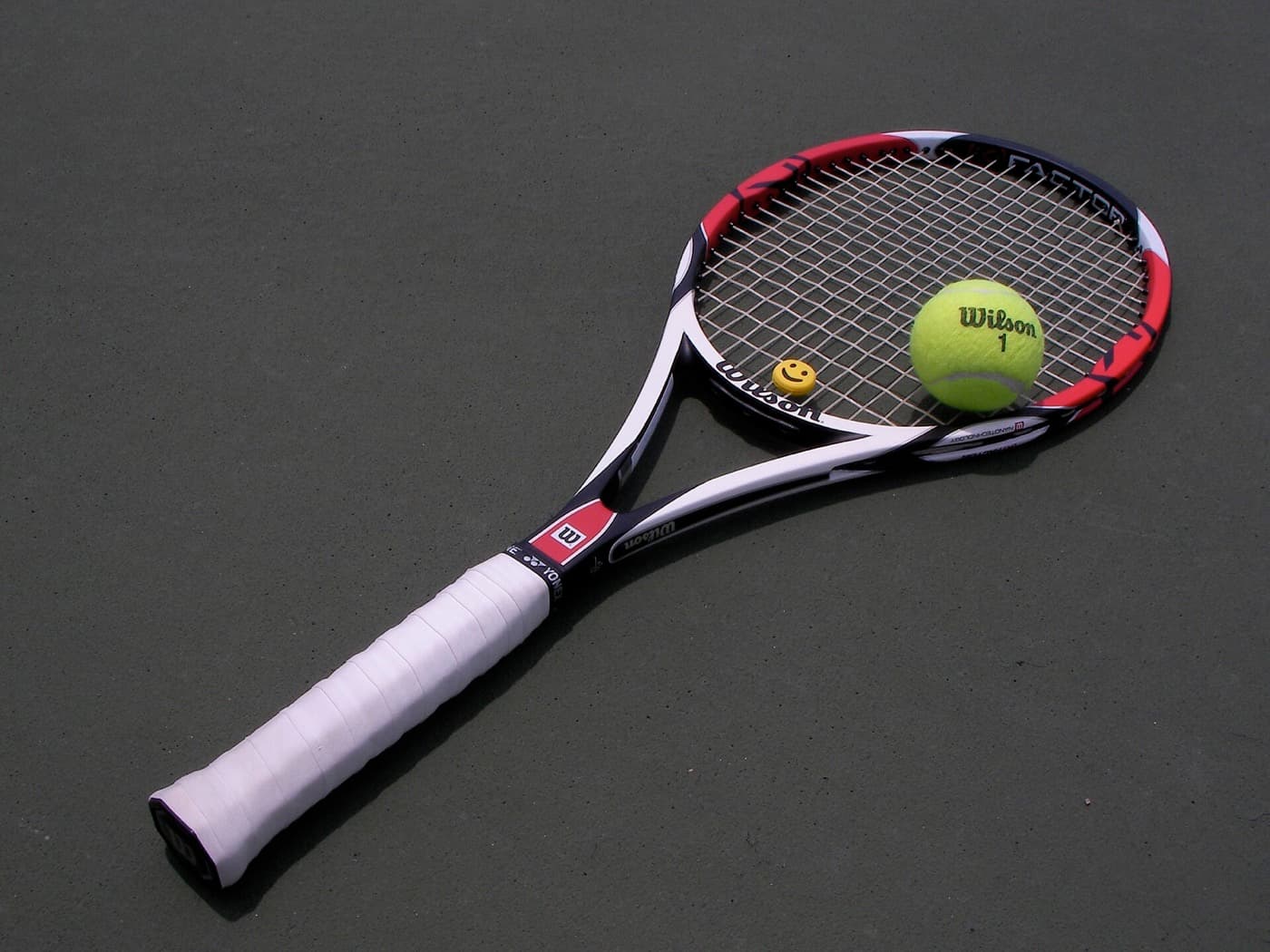
Tennis
A singles or doubles racquet sport that blends agility, strategy and stamina on court.
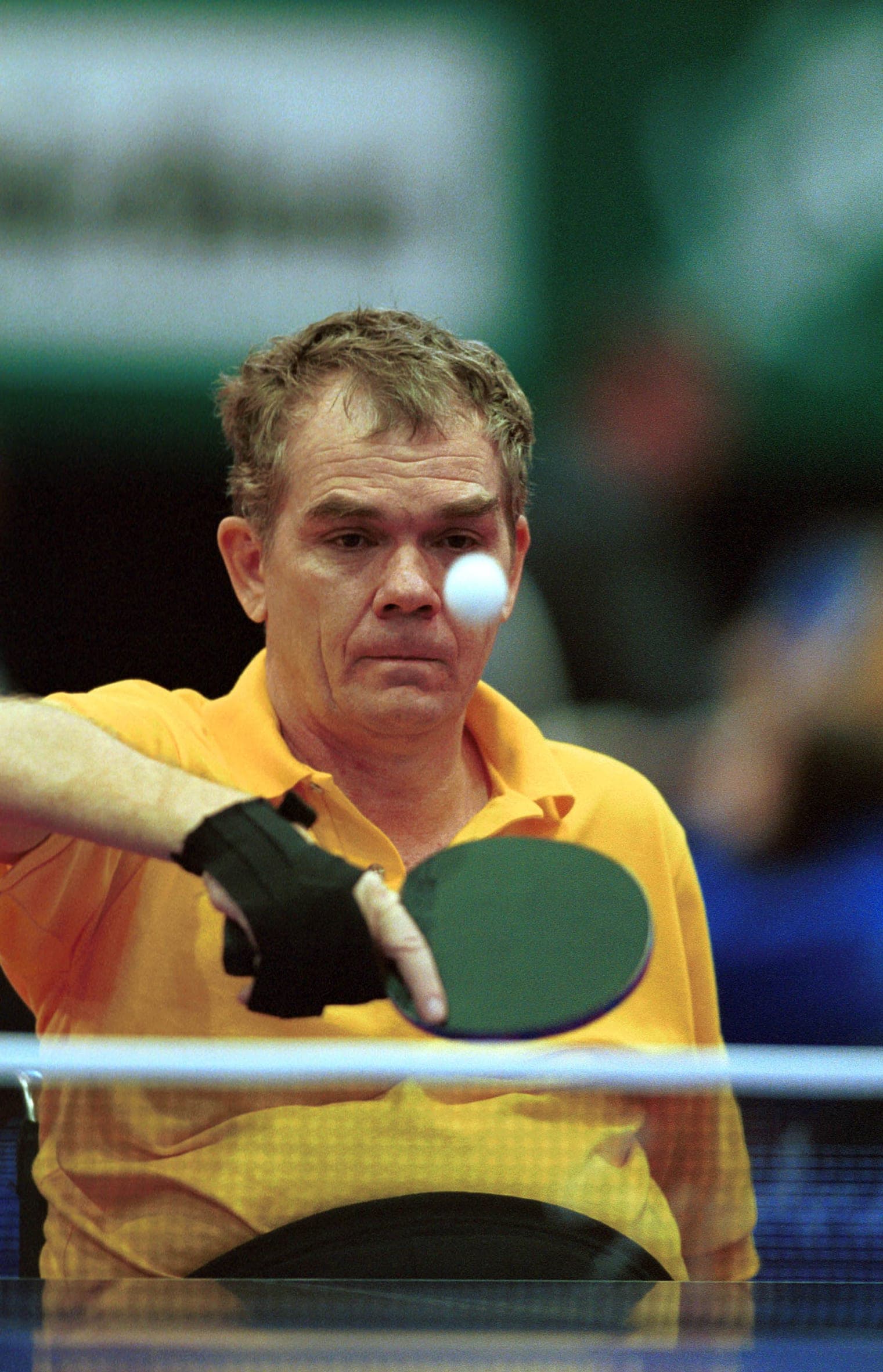
Table Tennis
A fast, low-impact indoor racquet sport that sharpens reflexes and is easy to start.
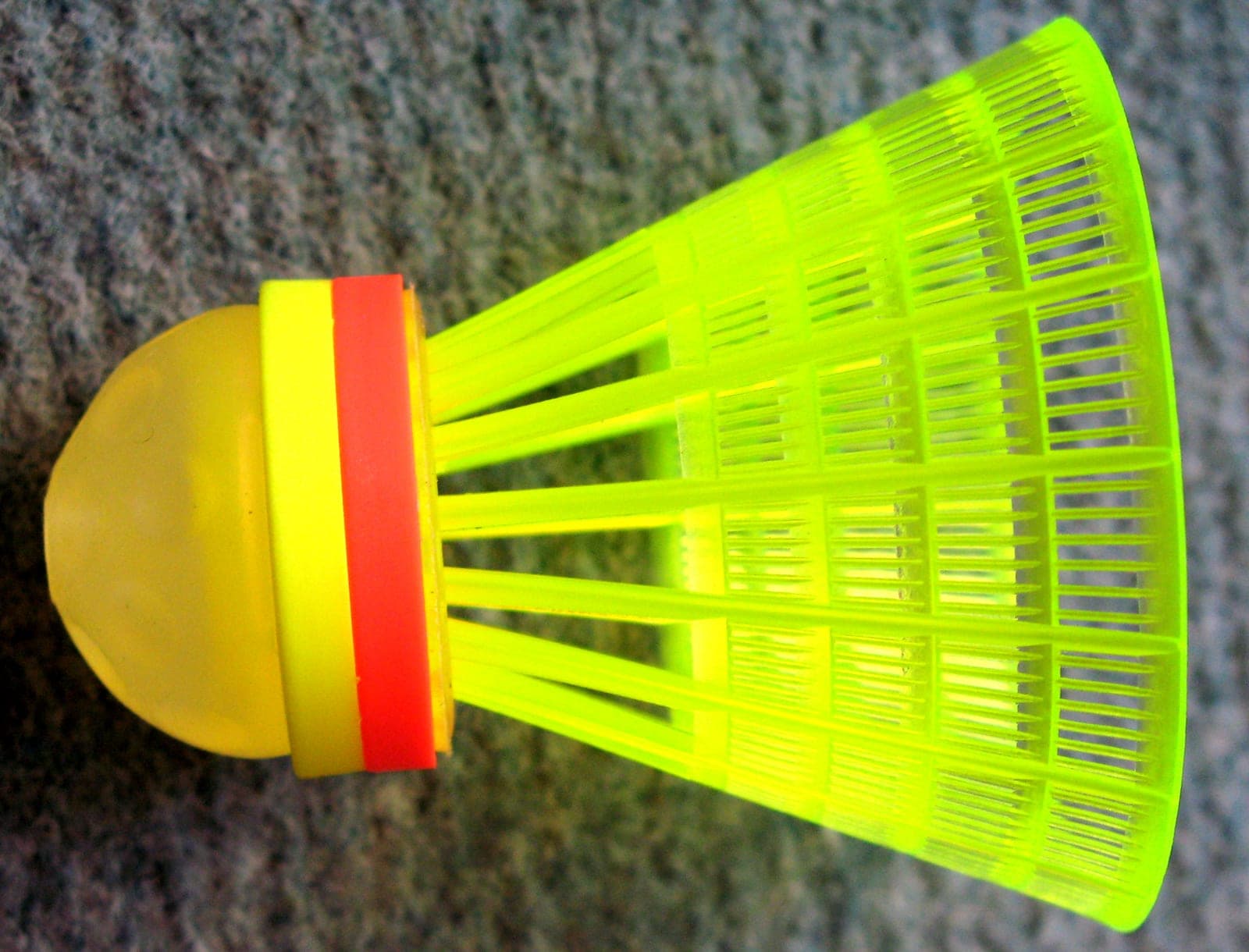
Badminton
A fast indoor racquet sport played with a shuttlecock that rewards agility and touch.
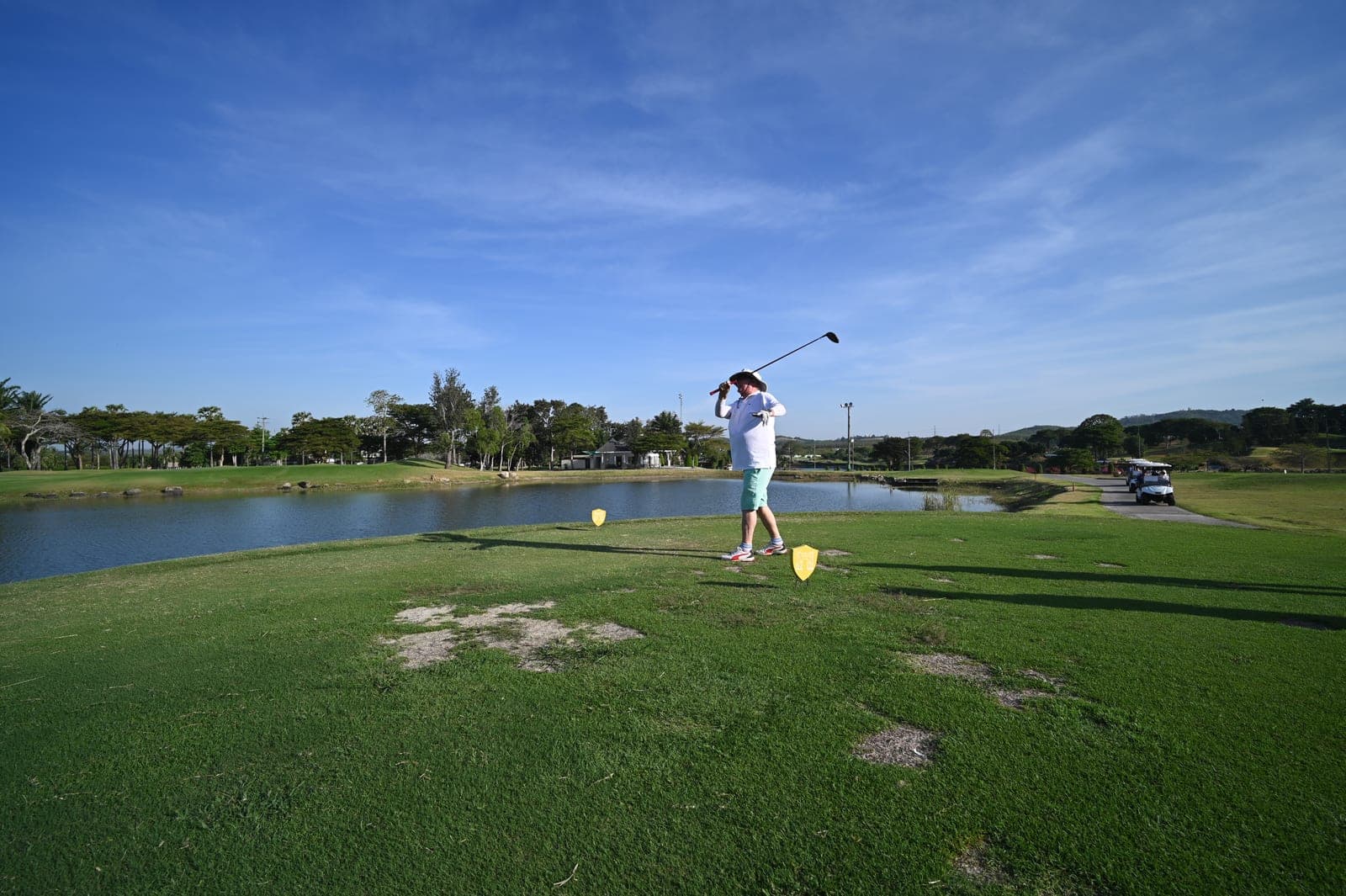
Golf
A precision target sport played across an outdoor course, blending skill, strategy and a long walk in the open air.
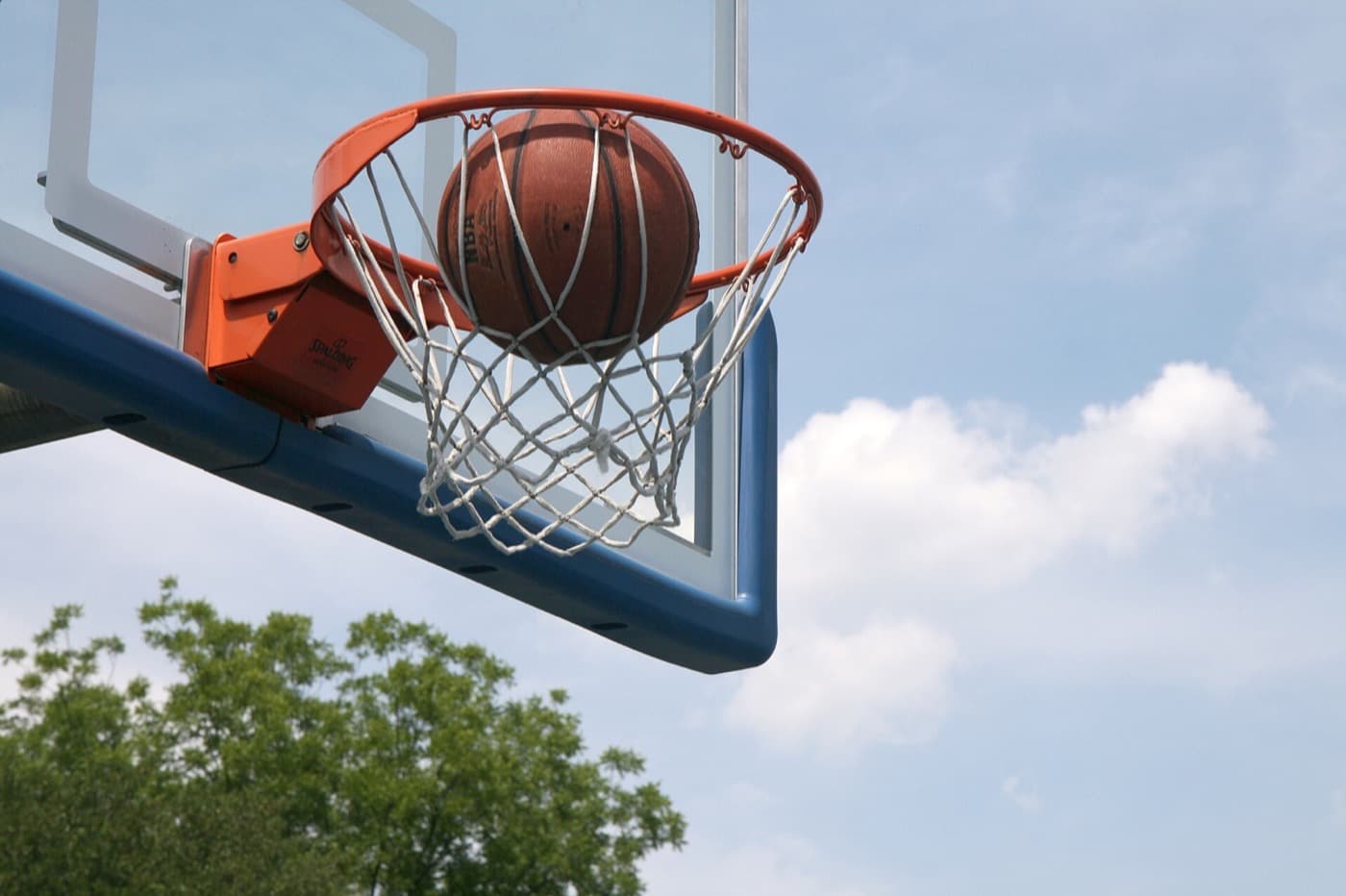
Basketball
A fast, dynamic team sport of running, jumping and quick decisions on court.
Football
The world’s most popular team sport — endless running, teamwork and community in one game.
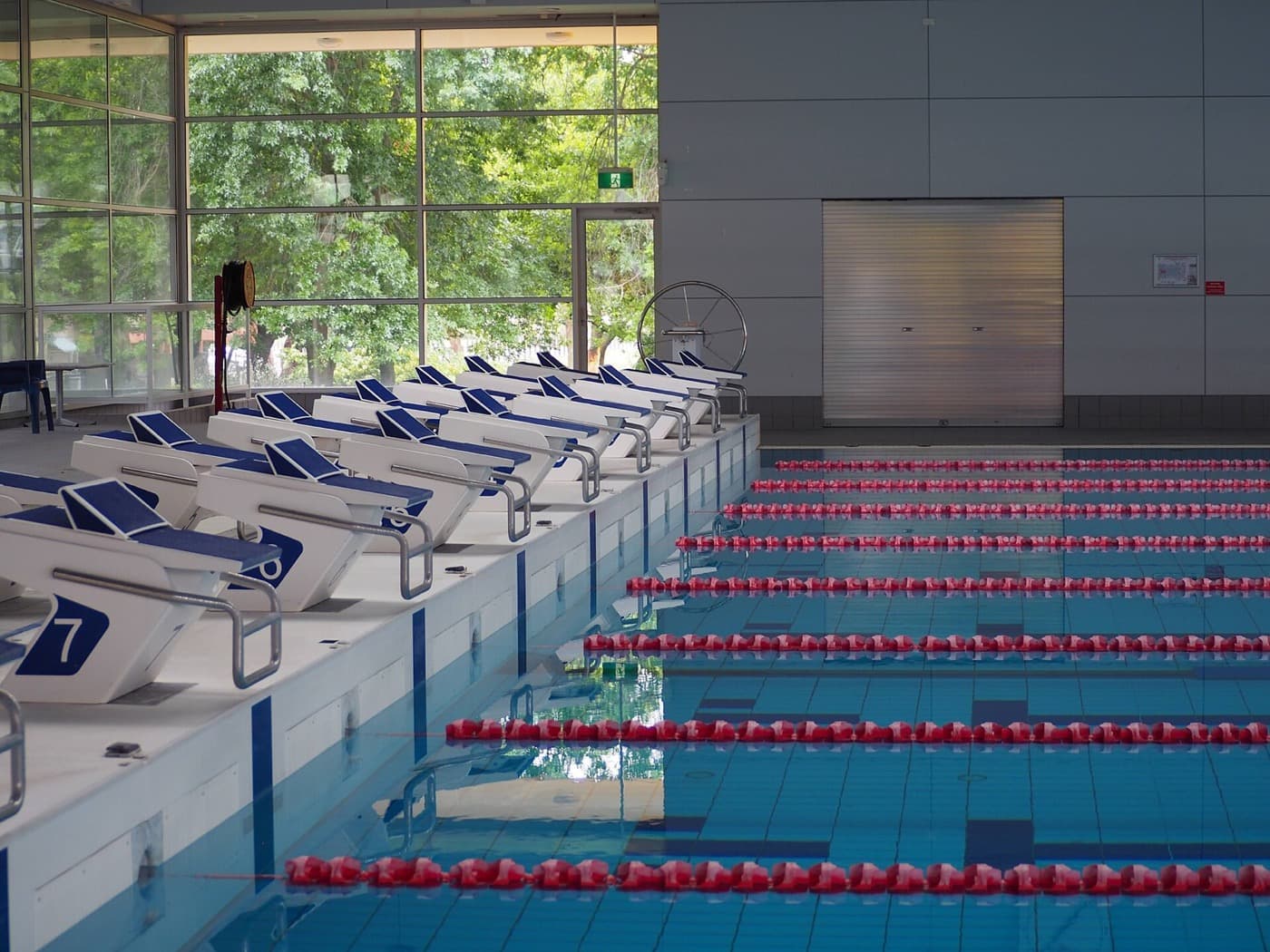
Swimming
A full-body, low-impact endurance sport suitable for almost every age and ability.
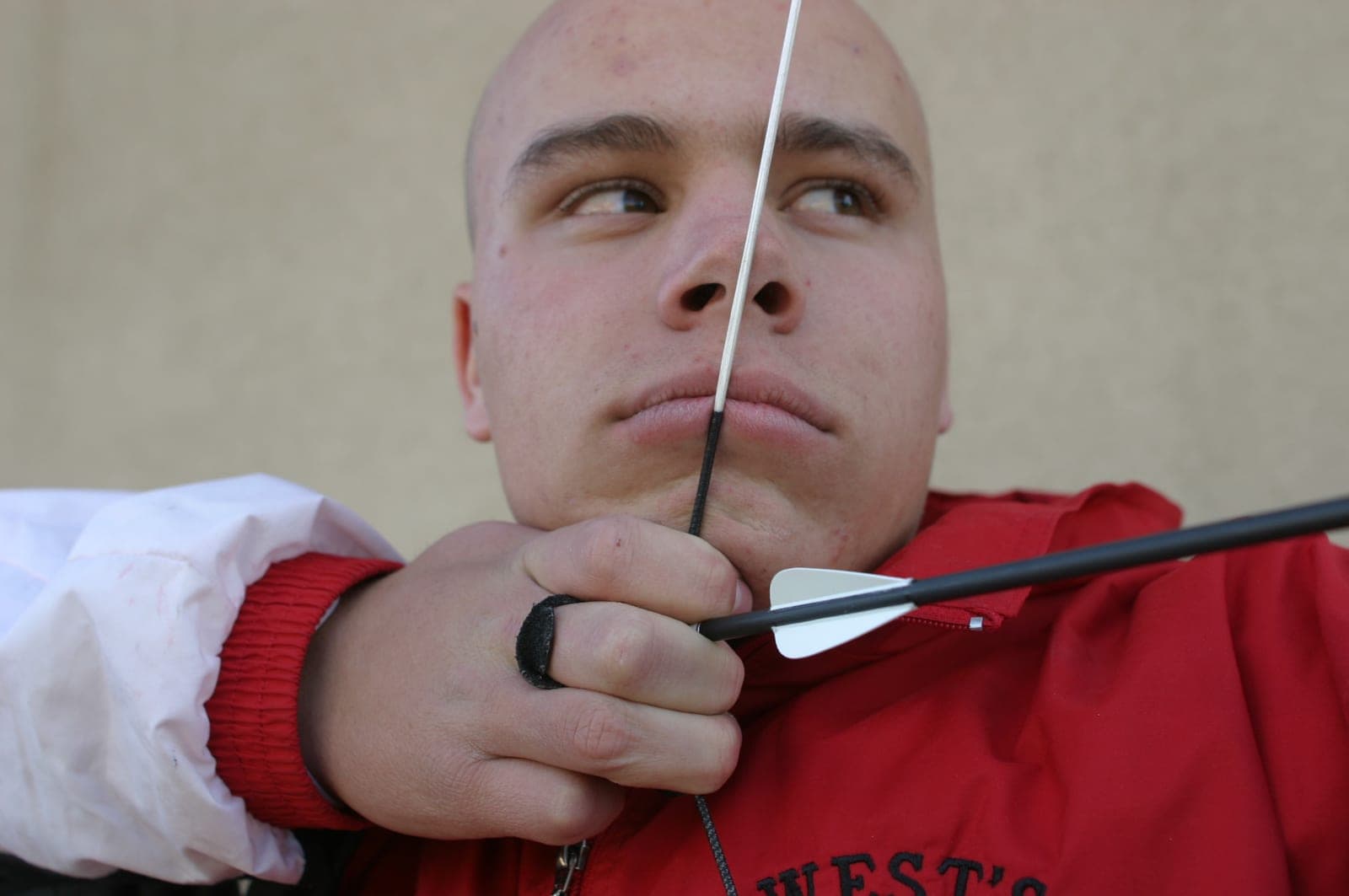
Archery
A precision target sport of drawing a bow and aiming at a target, rewarding focus, control and a steady hand.
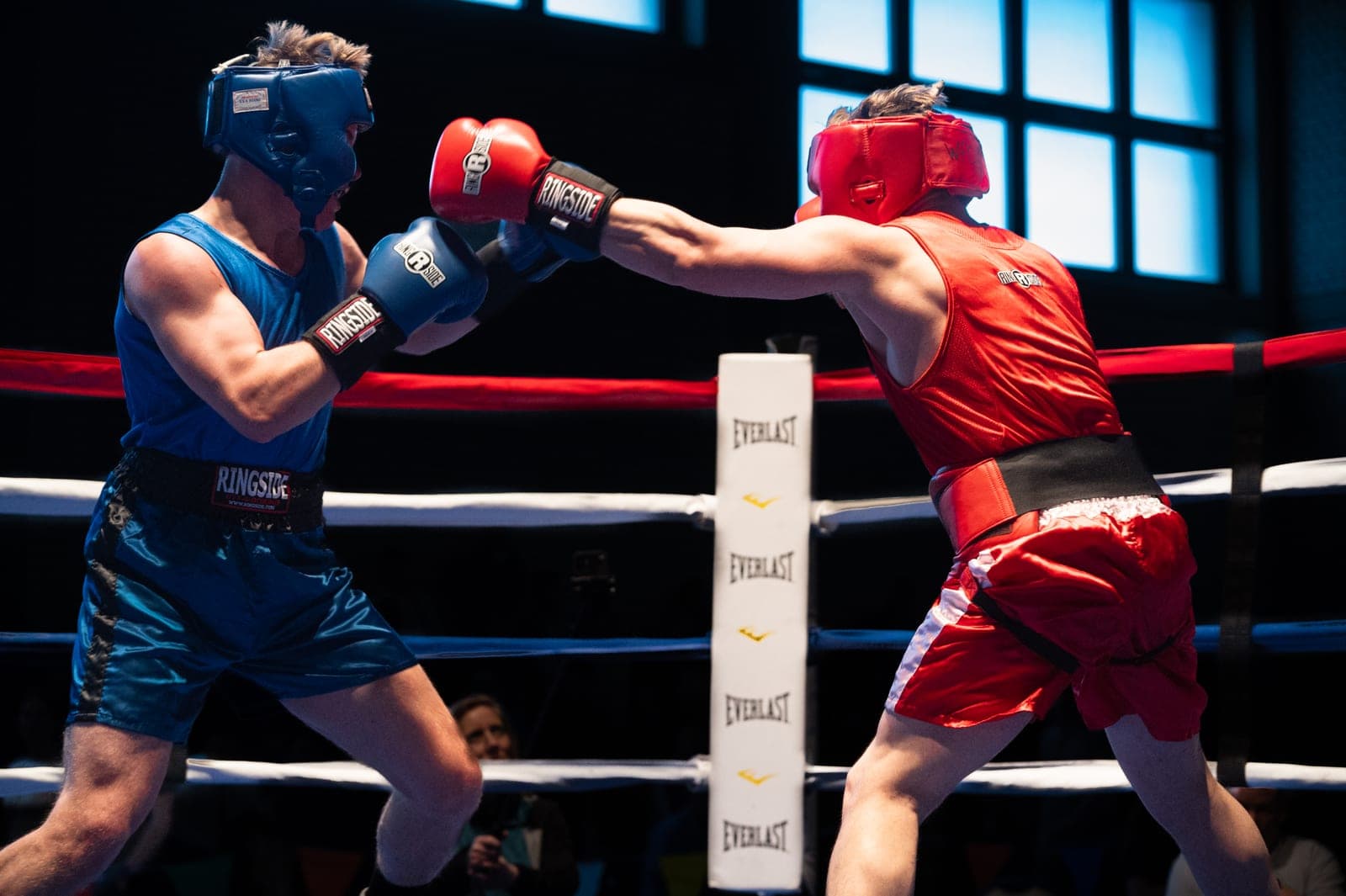
Boxing
A striking combat sport built on footwork, timing and conditioning, practised from fitness drills to controlled sparring.
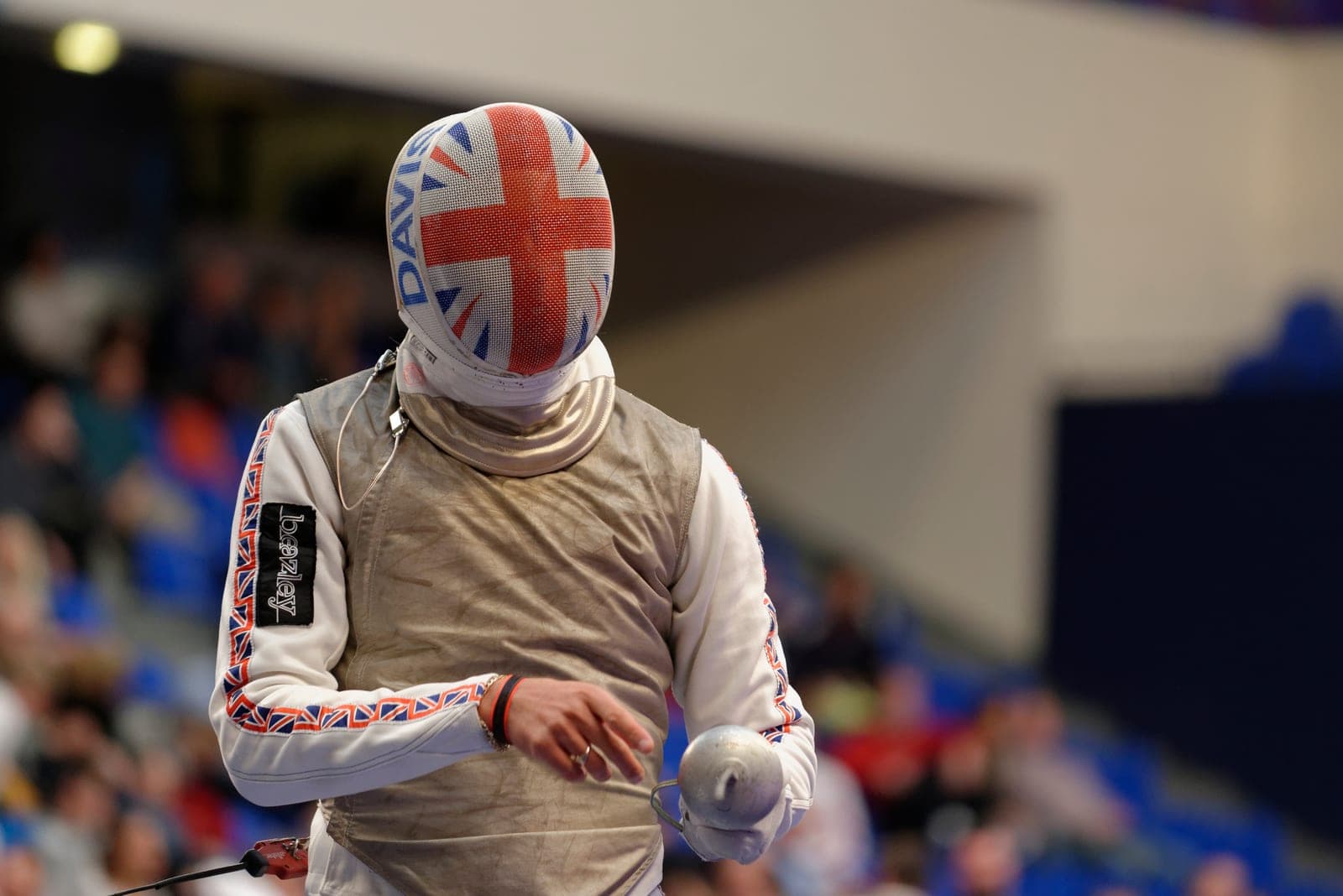
Fencing
A fast, tactical combat sport of controlled blade play that blends quick footwork with split-second decisions.
Explore across the knowledge base
Follow the threads that connect Deliberate Practice to the rest of SocialSportHub.
People
- Competitive athletesHow the platform fits someone who trains and plays to compete — structured, goal-directed preparation with coaching and recovery central.
- Complete beginnersHow to start sport from scratch with accessible, low-pressure activities and a gentle, gradual approach.
- Returning to sportHow to ease back into sport after a break, rebuilding gradually and listening to your body.
Motivations
- To competeWhen the thrill of competition drives you, sports with clear contests, ladders and match play give you something to test yourself against.
- To get better at my sportWhen you already play and want to improve, structured practice, coaching concepts and targeted training turn effort into measurable progress.
Experience levels
- BeginnerYou have started and the habit is forming — now it is about learning the fundamentals and building a base of fitness and skill.
- IntermediateThe basics are in place — now progress comes from more deliberate practice, filling gaps and adding structure to your training.
- AdvancedA high level of skill and fitness — progress becomes finer, more individual, and increasingly benefits from expert coaching.
- CompetitiveTraining and playing to compete — structured, goal-directed preparation built around events, with coaching and recovery central.
- EliteThe highest level of performance — a full, individualised, professionally supported pursuit far beyond what a general guide can direct.
Sports science
- Movement efficiencyHow economically the body performs a movement — achieving the goal with the least wasted effort.
- Motor learningThe process by which practice and experience produce lasting improvements in how well a movement skill can be performed.
- The learning curveThe typical pattern in which a new skill improves quickly at first and then more slowly as it develops.
Sports communication
- Communication under pressureKeeping communication clear, calm and brief when a game is loud, tiring or high-stakes — so the message still lands.
- Coach-to-player feedbackHow a coach shares usable information with a player about what they did and what to try next — usually specific, well timed and focused on one thing at a time.
- Active listeningGenuinely taking in what a teammate or coach is communicating — not just hearing it — so the message actually lands.
How this page is maintained
- Content type
- Coaching concept
- Provenance
- Tier A — evergreen educational
- Verified external sources
- 0
- Content updated
- 2026-07-09
Evergreen, first-party explanation — it makes no claim that needs an external source. How we handle sources and reviews.