
Recovery Sleep
The role rest plays in helping your body recover, adapt and feel ready after training and active days.
Overview
Recovery sleep is simply the idea that rest is when much of your body's repair and adaptation is thought to happen. After exercise or a busy, active day, sleep gives your body time to settle and restore. This is why rest is often described as part of training rather than a break from it — the benefits of effort tend to take hold while you recover. Quality and consistency of sleep usually matter more here than any single long night.
You cannot force deep recovery, but you can make room for it: protecting your sleep, easing off when you feel run down, and treating rest as productive. Listening to how your body feels tends to serve you better than pushing through on tired legs. If you are training hard and still feel constantly drained or sore, that is worth discussing with a qualified professional rather than ignoring it.
What helps
- Rest is when much of the body's repair is thought to happen.
- Sleep is often described as part of training, not separate from it.
- Consistency tends to matter more than the occasional long sleep.
- Feeling run down can be a signal to ease off and rest more.
- Persistent fatigue or soreness is worth raising with a professional.
A note on this guidance
How to start
- 1Treat rest as part of your training, not an afterthought.
- 2Protect sleep a little more on your hardest training days.
- 3Ease off gently when you feel unusually tired or sore.
- 4If fatigue lingers despite rest, check in with a qualified professional.
Sports that fit
Ways to put this into practice — each with a clear, beginner-friendly guide.

Running
The most accessible endurance sport — no venue, just shoes and the open road or trail.
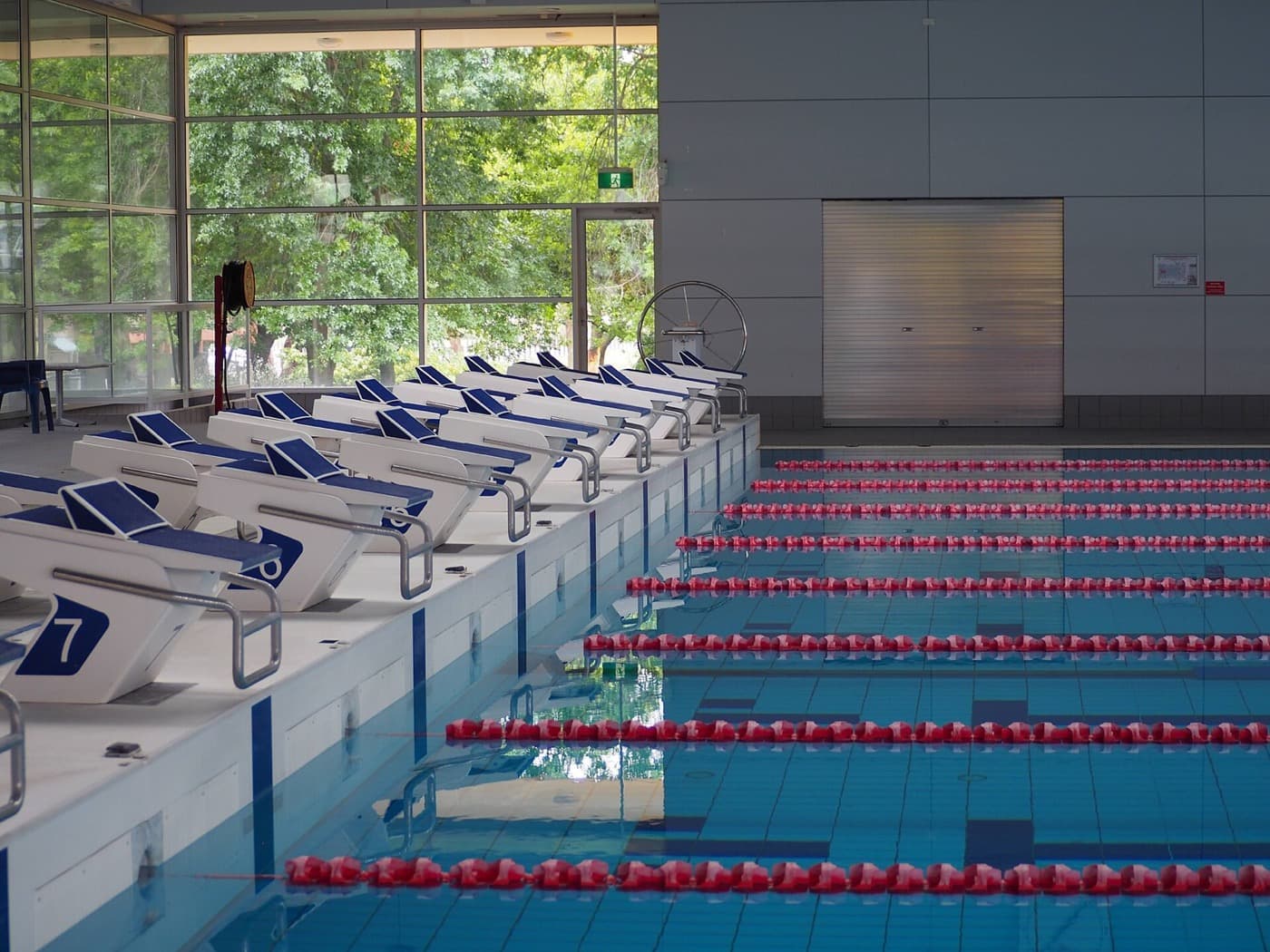
Swimming
A full-body, low-impact endurance sport suitable for almost every age and ability.
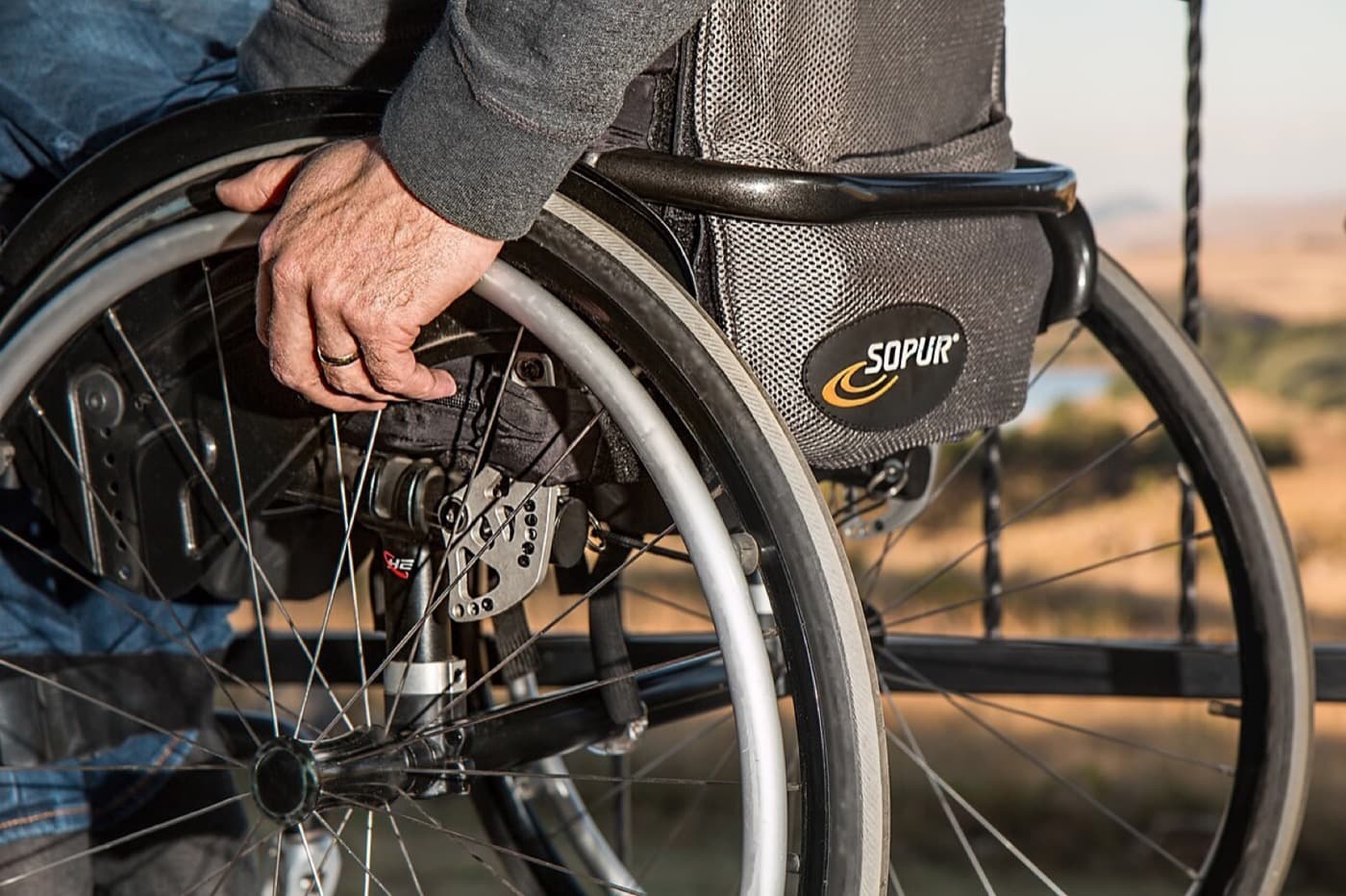
Cycling
A low-impact endurance sport that doubles as transport, exercise and adventure.
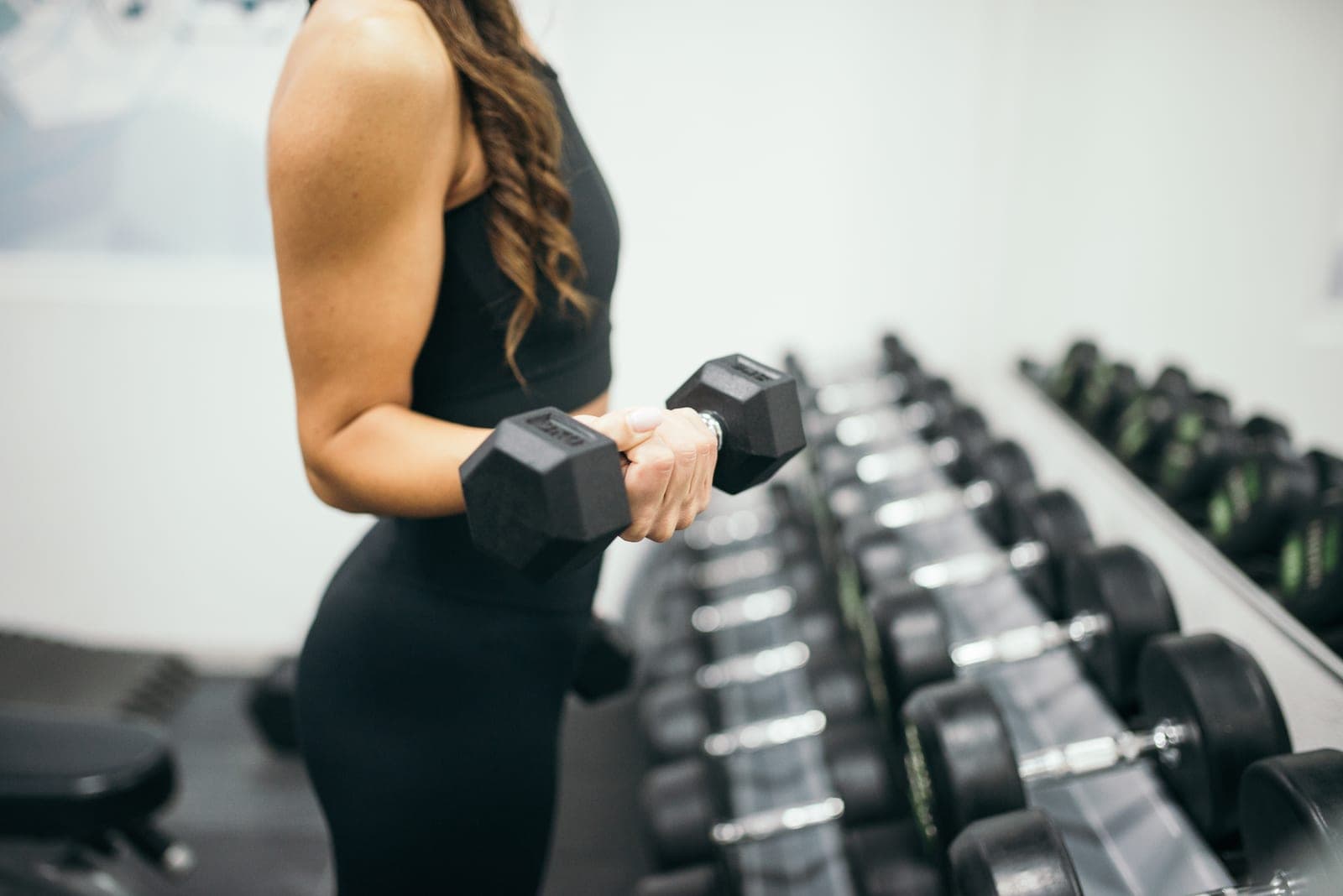
Fitness
Strength and general fitness training — the foundation that supports every other sport.
Goals it supports
Improve sleep
Support more restful sleep by staying active during the day and building a consistent daily rhythm.
Improve fitness
Build well-rounded fitness — stamina, strength and more — through regular, varied activity you can keep up.
Build muscle
Challenge your muscles with regular resistance training and steady recovery to build strength over time.
Build healthy habits
Using sport and routine to make regular activity a lasting part of everyday life.
Healthy aging
Stay active, steady and independent as you get older with a sustainable mix of gentle cardio, strength and balance work.
Frequently asked questions
Is sleep really part of recovery?
Rest is widely regarded as the time when much of the body's repair and adaptation is thought to take place, which is why many people treat sleep as part of their training. Protecting it can help you feel readier for the next session. If you train hard and still feel constantly drained, it is worth speaking with a qualified professional.
Explore across the knowledge base
Follow the threads that connect Recovery Sleep to the rest of SocialSportHub.
Recovery
- Active recoveryActive recovery means very easy, gentle movement on lighter days to keep the body moving without adding hard training stress.
- Rest daysRest days are planned days off from training that give the body and mind time to recover between harder sessions.
- SleepRegular, good-quality sleep is the foundation of everyday recovery for anyone who trains or plays sport.
- Listening to your bodyListening to your body means paying attention to everyday signs like energy, sleep and soreness to guide how much you do.
- Staying hydratedStaying hydrated is the simple everyday habit of drinking water regularly so you feel comfortable and ready to be active.
Practice & sessions
How this page is maintained
- Content type
- Healthy living topic
- Provenance
- Tier A — evergreen educational
- Verified external sources
- 0
- Content updated
- 2026-07-09
Evergreen, first-party explanation — it makes no claim that needs an external source. How we handle sources and reviews.