
How to progress gently
Progressing gently means increasing your training in small, gradual steps so your body has time to adapt.
Overview
Progression is how training keeps working over time: as you get fitter, the same effort feels easier, so you gradually ask a little more of yourself. Doing this gently — in small steps, with time to adapt in between — is one of the most reliable principles in training.
The common mistake, especially early on, is to increase too much at once: more distance, more sessions and more intensity all in the same week. A gentler approach changes one thing at a time by a modest amount, then holds there until it feels comfortable before nudging it up again.
Progress is rarely a straight line. Some weeks feel strong and others flat, and that is completely normal. Patience tends to win, as steady, gradual increases are more sustainable than dramatic jumps.
How to do it
- 1Choose a single aspect to progress, such as time, distance or effort
- 2Increase it by a small, modest amount
- 3Hold at the new level for a while until it feels comfortable
- 4Only then consider nudging it up again
- 5Ease back for a lighter week whenever training starts to feel like too much
Key points
- Increase one thing at a time — distance, effort or frequency — not all at once
- Make changes small and gradual rather than large jumps
- Let a new level feel comfortable before increasing again
- Expect some weeks to feel easier than others
- Include easier weeks now and then to let progress settle
A note on training information
Where it’s used
Sports this relates to:
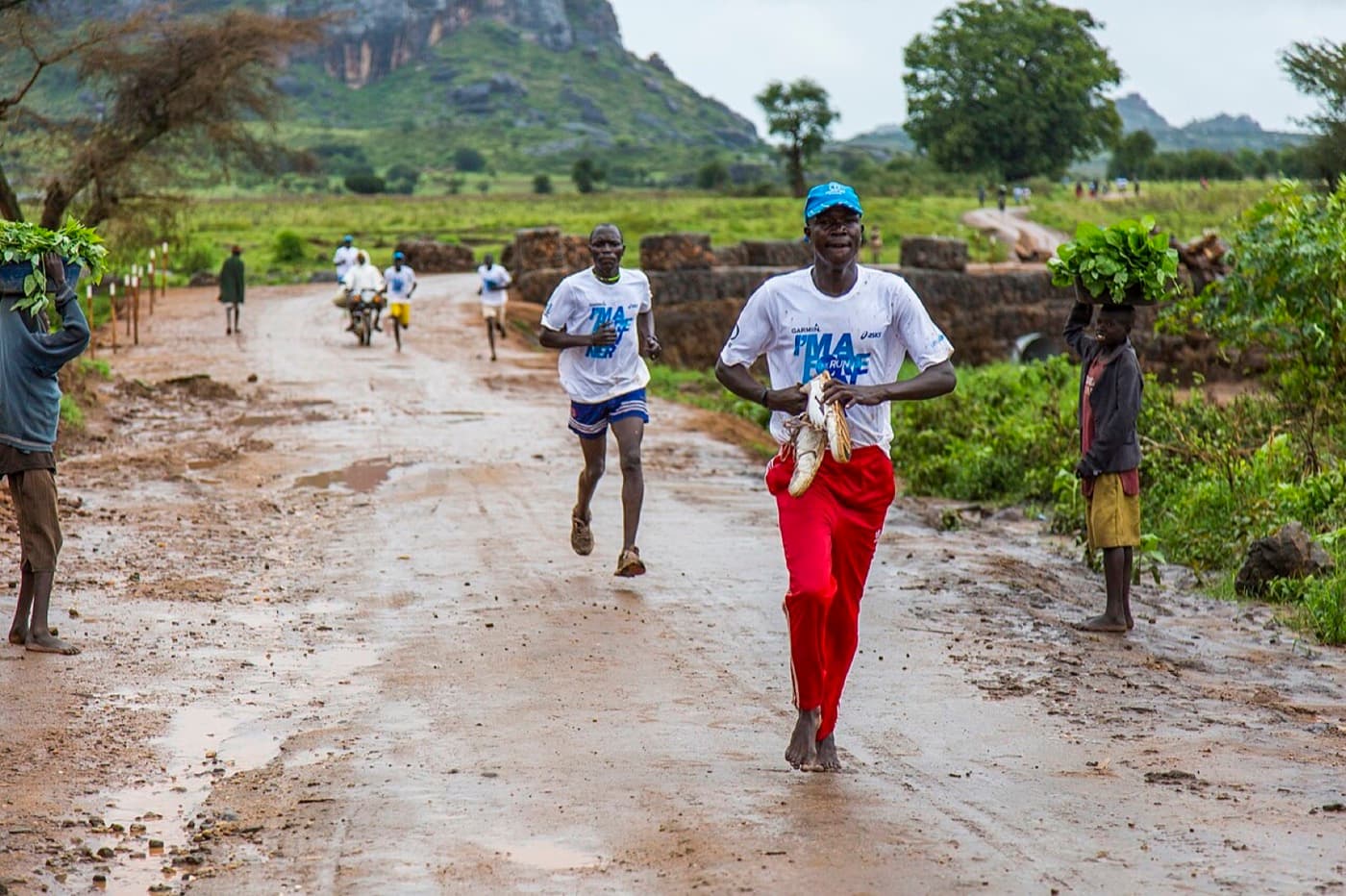
Running
The most accessible endurance sport — no venue, just shoes and the open road or trail.
Fitness
Strength and general fitness training — the foundation that supports every other sport.
Weightlifting
A technical strength sport built around lifting a loaded barbell overhead with speed and control.
Related training guides
How to warm up
A short, gentle warm-up gradually raises your body temperature and prepares your muscles and joints for the activity ahead.
How to cool down
A cool-down is a few easy minutes at the end of a session that let your effort taper off gradually before you stop.
How to build a weekly routine
Building a weekly routine means loosely planning your training across the week so effort and rest are spread out in a way you can sustain.
Explore across the knowledge base
Follow the threads that connect How to progress gently to the rest of SocialSportHub.
Experience levels
Sports science
Coaching concepts
- ProgressionBuilding skill and training load in gradual, manageable steps so each stage prepares the next, moving from simple to complex and easy to hard.
- Constraints-Led PracticeA coaching approach that adjusts the task, environment or rules so a desired movement or decision emerges in practice, rather than being explicitly instructed.
- Skill acquisitionHow a movement or sports skill is learned — progressing from conscious, effortful control to smooth, largely automatic execution through practice and feedback.
- Goal-Setting for PracticeSetting clear practice goals directs effort and makes progress visible — separating results-based outcome goals from controllable process goals.
- Session StructureHow a practice session is organised into phases — warm-up, main focus, game application and cool-down — so time is used well and learning sticks.
How this page is maintained
- Content type
- Training guide
- Provenance
- Tier A — evergreen educational
- Verified external sources
- 0
- Content updated
- 2026-07-06
Evergreen, first-party explanation — it makes no claim that needs an external source. How we handle sources and reviews.