
Tempo Training
Tempo training holds a firm, controlled 'comfortably hard' pace for a sustained stretch, teaching the body to sustain effort without tipping into a sprint.
Overview
Tempo training centres on a sustained effort at a firm but controlled pace, often described as 'comfortably hard'. It sits between the easy feel of steady-state work and the sharp bursts of intervals: brisk enough to require focus, but even enough to hold for a prolonged stretch.
In running this is the classic tempo run, but the same idea applies to cycling, rowing and swimming. The point is to spend time at a pace that is challenging yet repeatable, which teaches the body to hold a strong, even effort rather than fading or surging.
Tempo work is usually just one ingredient in a week rather than the whole diet, sitting alongside easier sessions. For beginners, a short tempo stretch inside an otherwise easy outing is a gentle way to get a feel for the pace.
How to do it
- 1Warm up with easy movement to prepare.
- 2Settle into a firm, controlled 'comfortably hard' pace.
- 3Hold that even effort for a sustained stretch.
- 4Ease off and cool down with easy movement afterwards.
Key points
- The signature feel is 'comfortably hard' — brisk but sustainable.
- It sits between easy steady work and sharp interval efforts.
- The classic example is the running tempo run, but it transfers to other cardio.
- It trains the ability to hold a strong, even effort without surging.
- It is typically one part of a week, balanced with easier sessions.
A note on training information
Where it’s used
Sports this relates to:
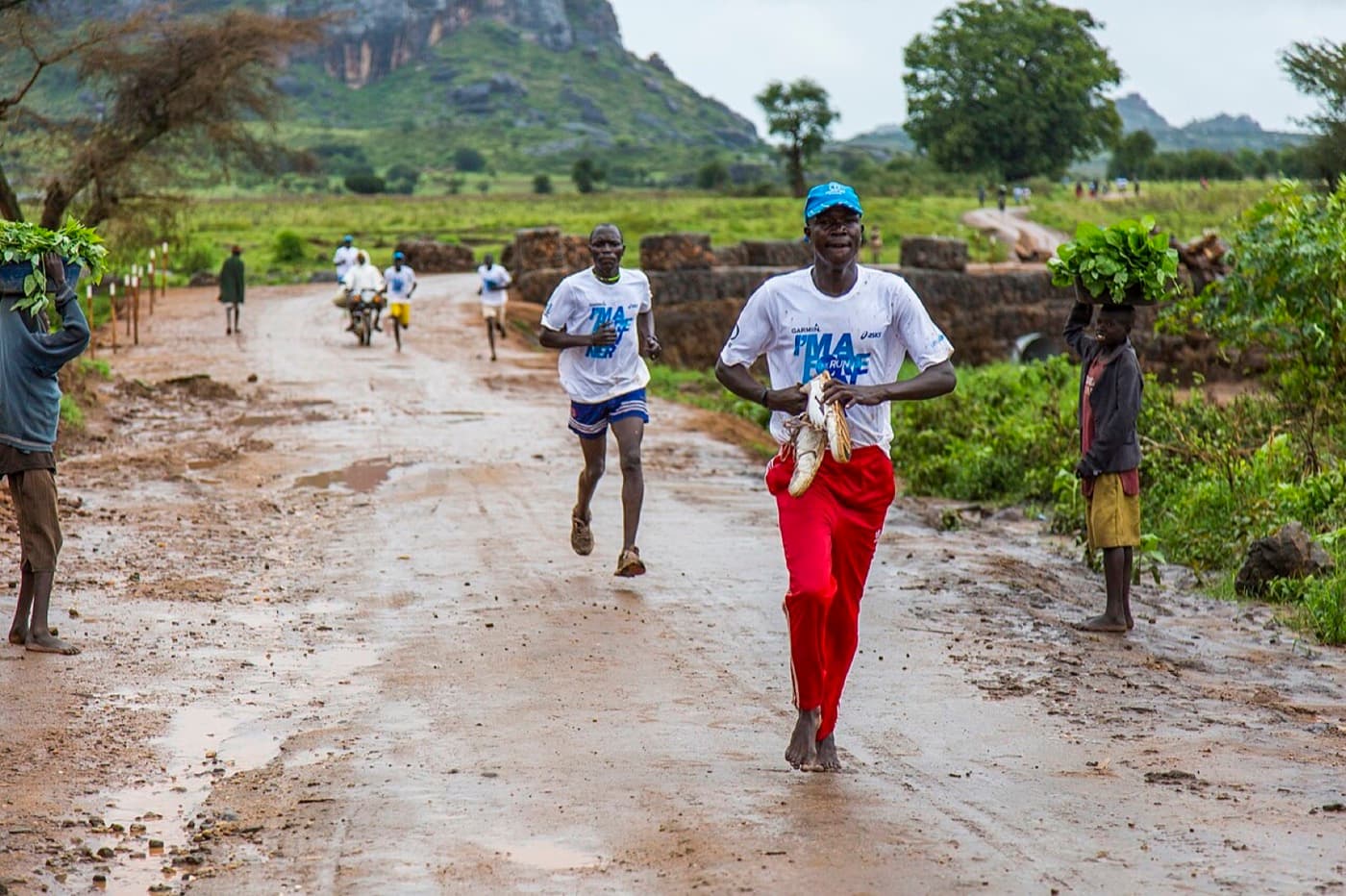
Running
The most accessible endurance sport — no venue, just shoes and the open road or trail.
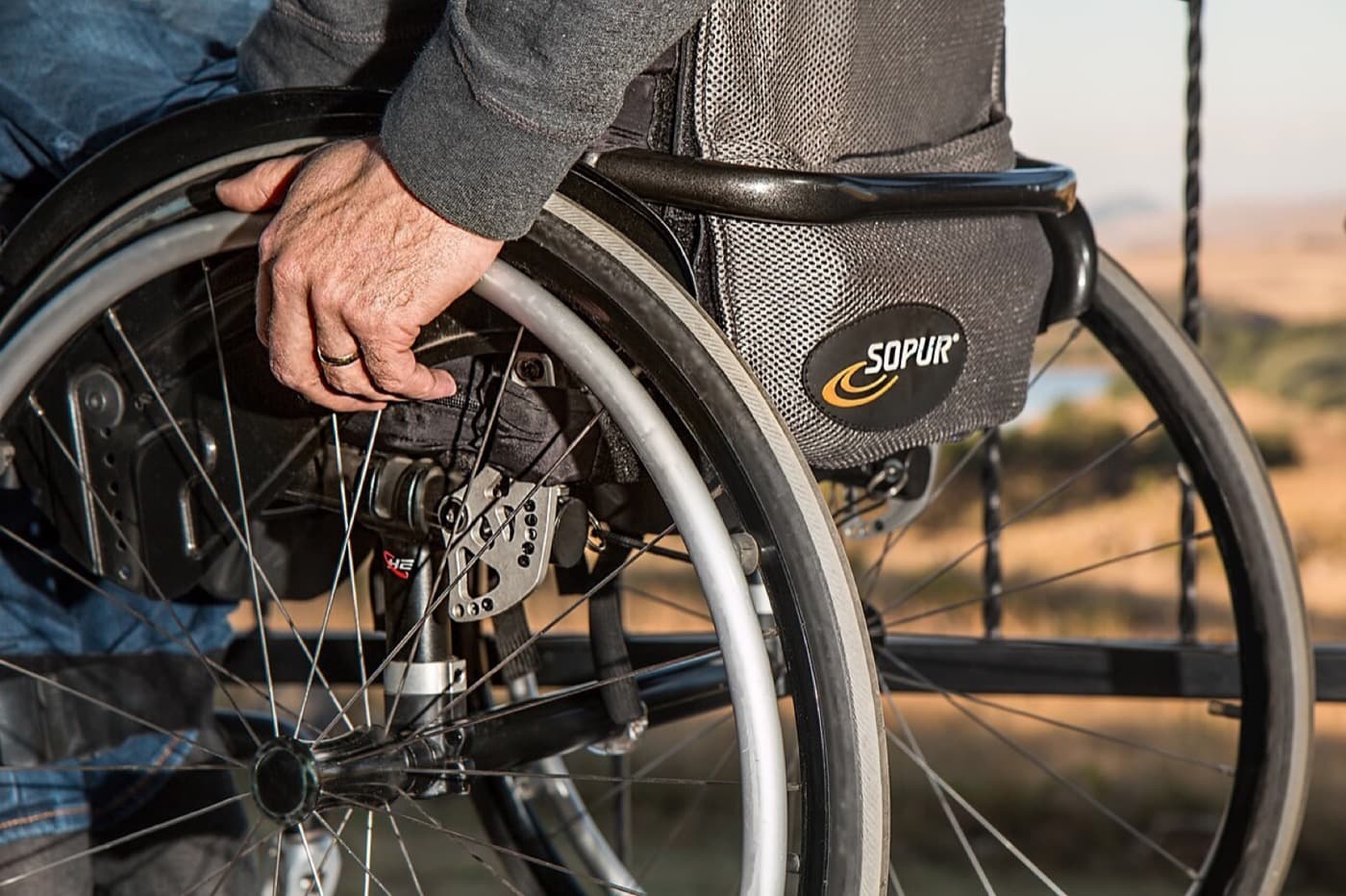
Cycling
A low-impact endurance sport that doubles as transport, exercise and adventure.
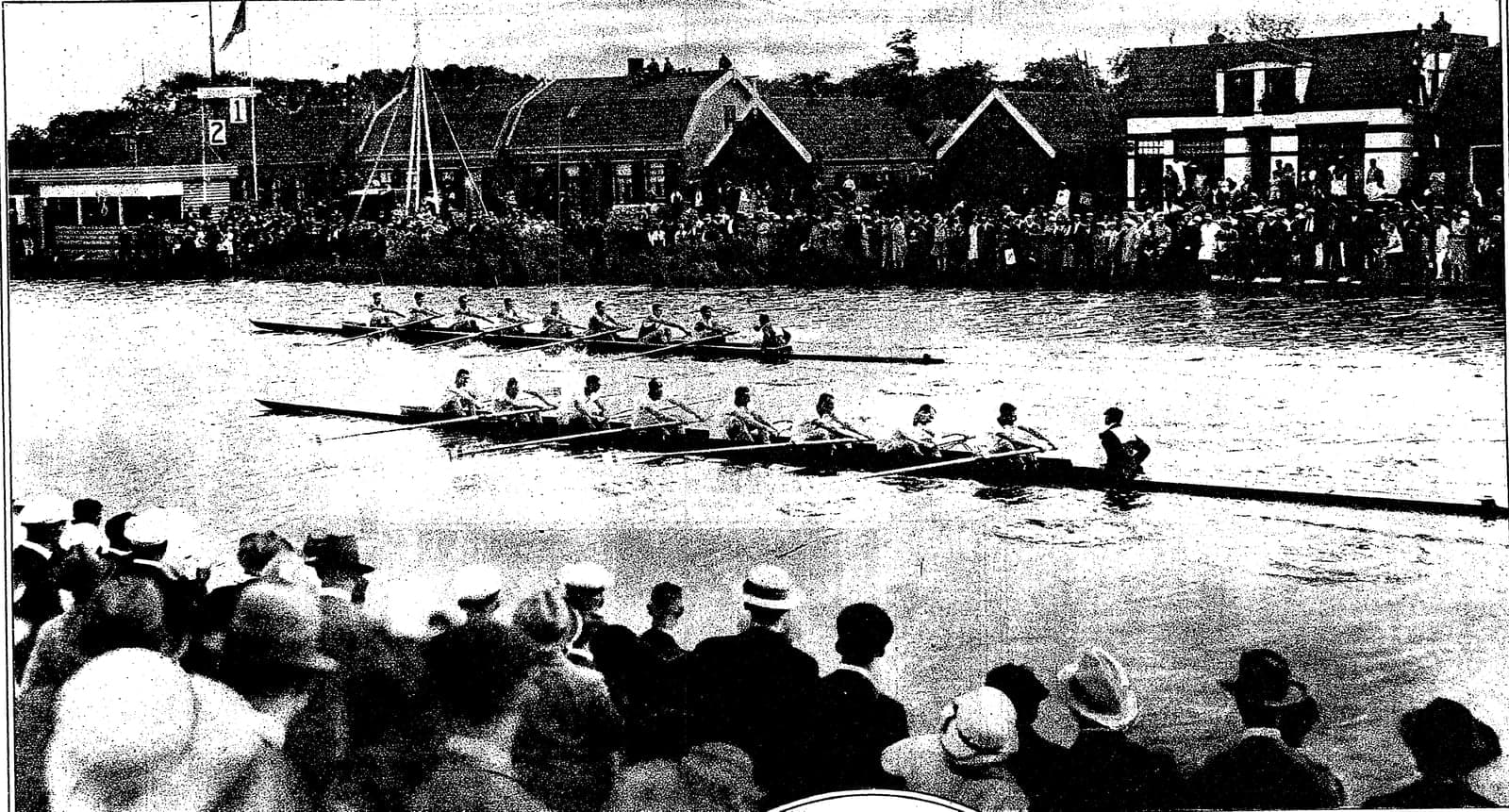
Rowing
A rhythmic, full-body endurance sport on the water or on an indoor machine.
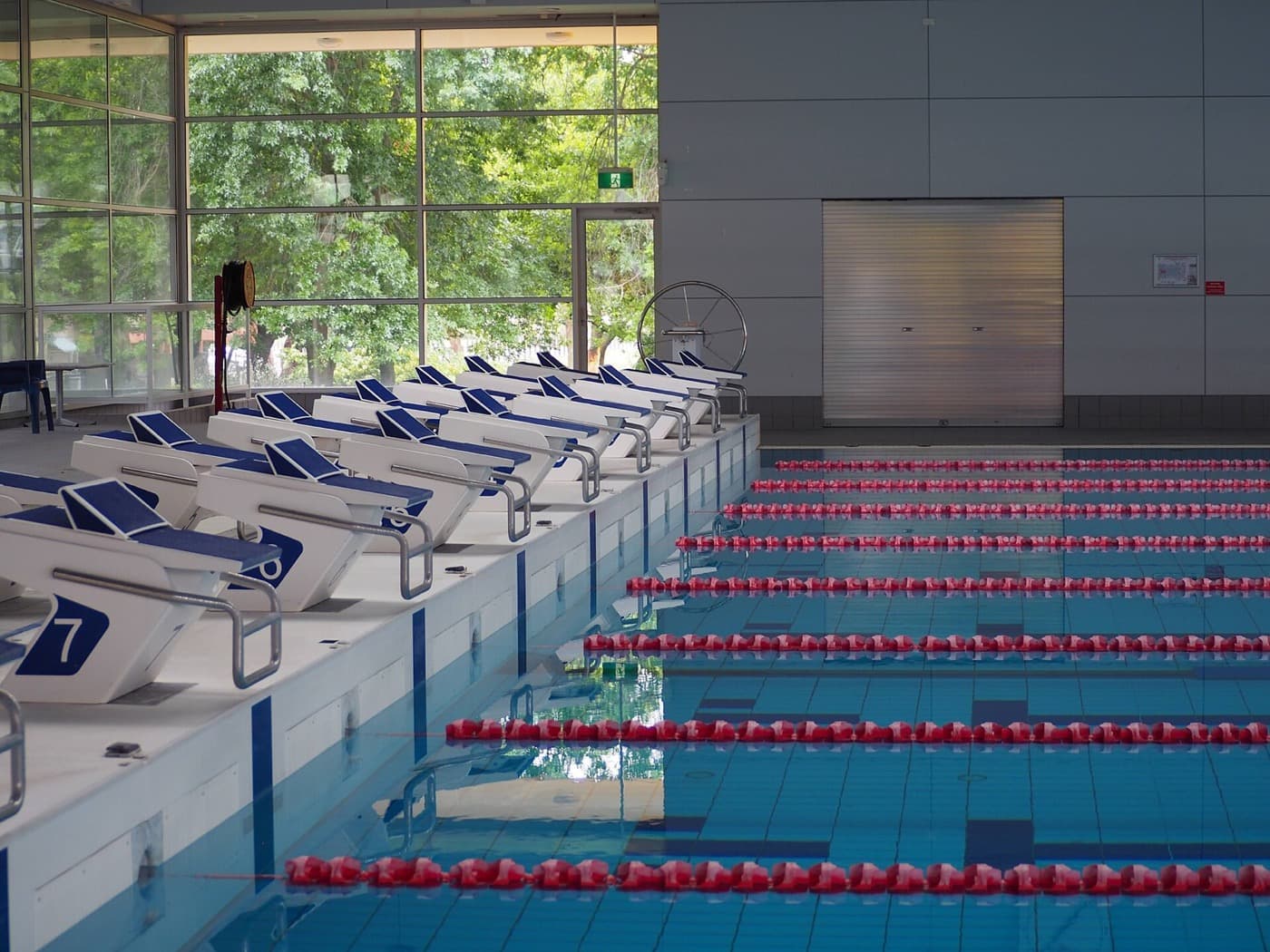
Swimming
A full-body, low-impact endurance sport suitable for almost every age and ability.
Trail Running
Running off-road on trails, hills and natural terrain, away from pavements and traffic.
Related training methods
Interval Training
Interval training alternates short bursts of harder effort with easier recovery periods, letting you accumulate more quality work than a single continuous push.
Steady-State Cardio
Steady-state cardio means holding one comfortable, continuous pace for the whole session, building an aerobic base without the peaks of interval work.
Circuit Training
Circuit training moves you through a series of stations back to back with little rest, blending strength and cardio into one time-efficient session.
How it connects
The meaning-bearing relationships that place Tempo Training in the wider knowledge graph — each one with the reason it exists.
Frequently learned together
Taught side by side in the same stage of a learning path.
- Interval TrainingBoth are taught in the “Train your body for it” stage of the Running learning path.
- Steady-State CardioBoth are taught in the “Train your body for it” stage of the Running learning path.
- High-Intensity Interval Training (HIIT)Both are taught in the “Train your body for it” stage of the Running learning path.
- FartlekBoth are taught in the “Train your body for it” stage of the Running learning path.
- PlyometricsBoth are taught in the “Train your body for it” stage of the Running learning path.
Explore across the knowledge base
Follow the threads that connect Tempo Training to the rest of SocialSportHub.
Skills
- PacingThe skill of managing effort and speed so it lasts the whole distance or event.
- SprintingThe skill of running or riding at maximum controlled speed over a short distance.
- BreathingThe skill of controlling the breath rhythmically to sustain effort and stay relaxed.
- BalanceThe skill of keeping the body stable and controlled while still or moving.
- Core stabilityThe skill of engaging the trunk muscles to keep the body strong and controlled through movement.
Sports science
- Movement efficiencyHow economically the body performs a movement — achieving the goal with the least wasted effort.
- Managing fatigue and loadThe educational idea of balancing how much training you do against how well you recover, so effort turns into progress rather than into excess fatigue.
- Energy systemsHow the body supplies energy for movement — the different pathways that power everything from an explosive jump to a long, steady run.
- Motor controlHow the brain and nervous system organise the muscles to produce coordinated, controlled movement.
Learning paths
- Learn RunningA structured, educational learning path for running — from the rules to skills, techniques, tactics and training.
- Learn CyclingA structured, educational learning path for cycling — from the rules to skills, techniques, tactics and training.
- Learn SwimmingA structured, educational learning path for swimming — from the rules to skills, techniques, tactics and training.
Movement patterns
- DecelerationThe athletic pattern of actively braking and absorbing momentum to slow or stop under control, producing eccentric forces that oppose the direction of travel.
- AccelerationThe athletic pattern of building speed from a standing or slow start by driving large horizontal forces into the ground to project the body forward.
- GlideGlide is continuous, low-resistance locomotion in which the body holds a streamlined shape so that momentum generated by a preceding propulsive action carries it smoothly across a surface or through a medium.
Recovery
Go deeper with Tempo Training
Everywhere else on the platform that covers Tempo Training — assembled from what actually references it, so nothing here is a dead end.
Learn it
Structured courses and paths on the platform that cover this directly.
How this page is maintained
- Content type
- Training method
- Provenance
- Tier A — evergreen educational
- Verified external sources
- 0
- Content updated
- 2026-07-06
Evergreen, first-party explanation — it makes no claim that needs an external source. How we handle sources and reviews.