
Recovery and adaptation
The idea that the body adapts during recovery, not during the effort itself — which is why rest is treated as part of training rather than a break from it.
Overview
Recovery and adaptation is the idea that training and rest are two halves of the same process. A training session provides the stimulus — the challenge that tells the body it needs to change — but the actual rebuilding and improvement tend to happen afterwards, during recovery. In this sense, rest is not so much time off from training as the phase in which training's benefits are realised.
This is why coaches often treat recovery as something to be planned rather than left to chance. Without enough recovery, the body has little opportunity to adapt, and repeated demand can simply accumulate as fatigue. How much recovery any individual needs depends on many personal factors, so anything specific to you is best guided by a qualified coach or professional.
The science
- Training provides the stimulus, but much of the adaptation happens during recovery.
- Rest is best understood as part of training, not the opposite of it.
- Without adequate recovery, there is limited opportunity to adapt.
- Repeated demand without recovery tends to accumulate as fatigue rather than progress.
- How much recovery a person needs is individual and depends on many factors.
Why it matters
- It explains why rest days and easier sessions are built into good training, not seen as wasted time.
- It underpins why simply training harder and more often does not always mean improving faster.
- It connects everyday practices like cooling down and easier sessions to long-term progress.
Educational only
Where it shows up
Sports where this concept is especially visible — each with a clear guide.
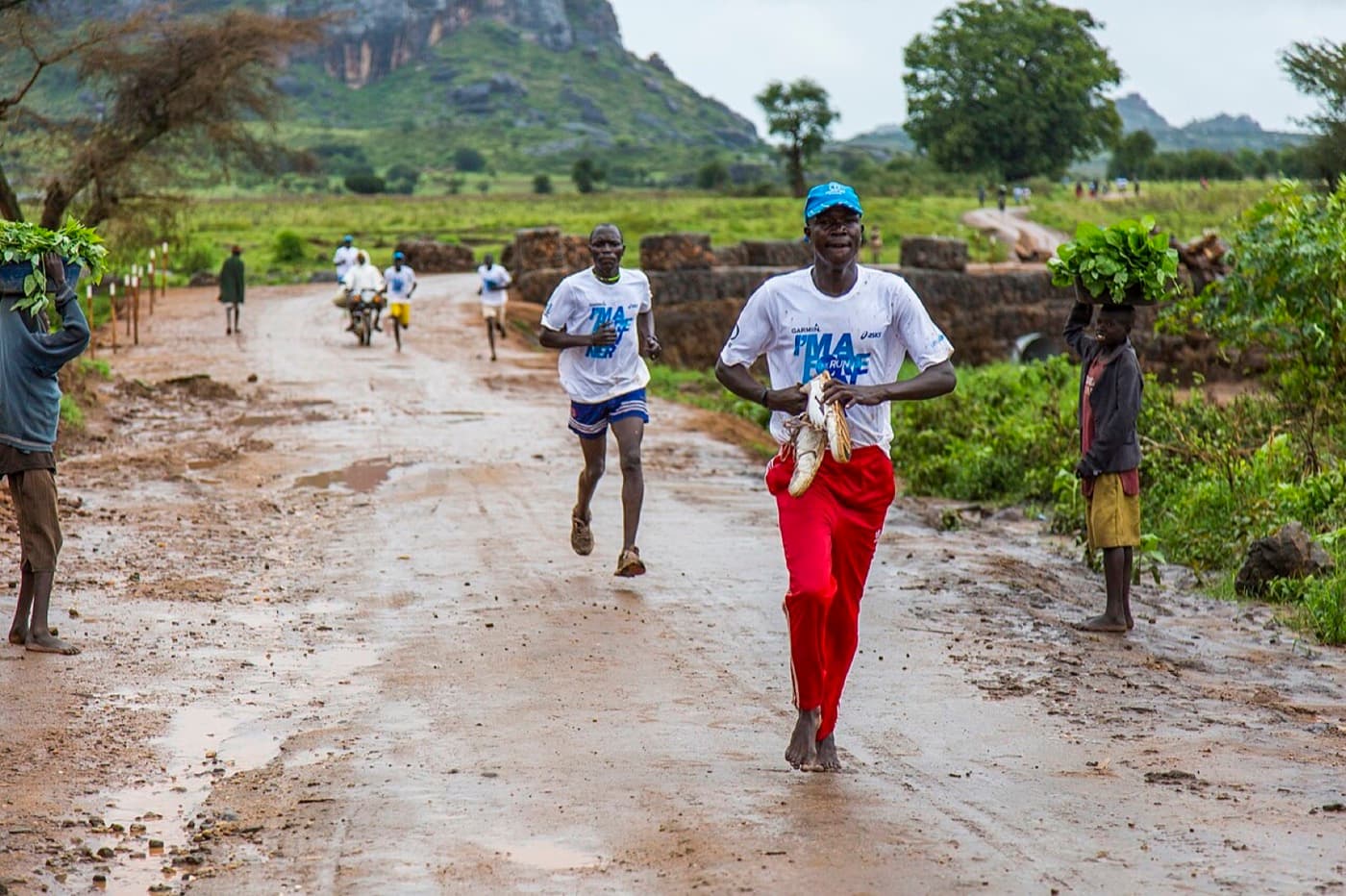
Running
The most accessible endurance sport — no venue, just shoes and the open road or trail.
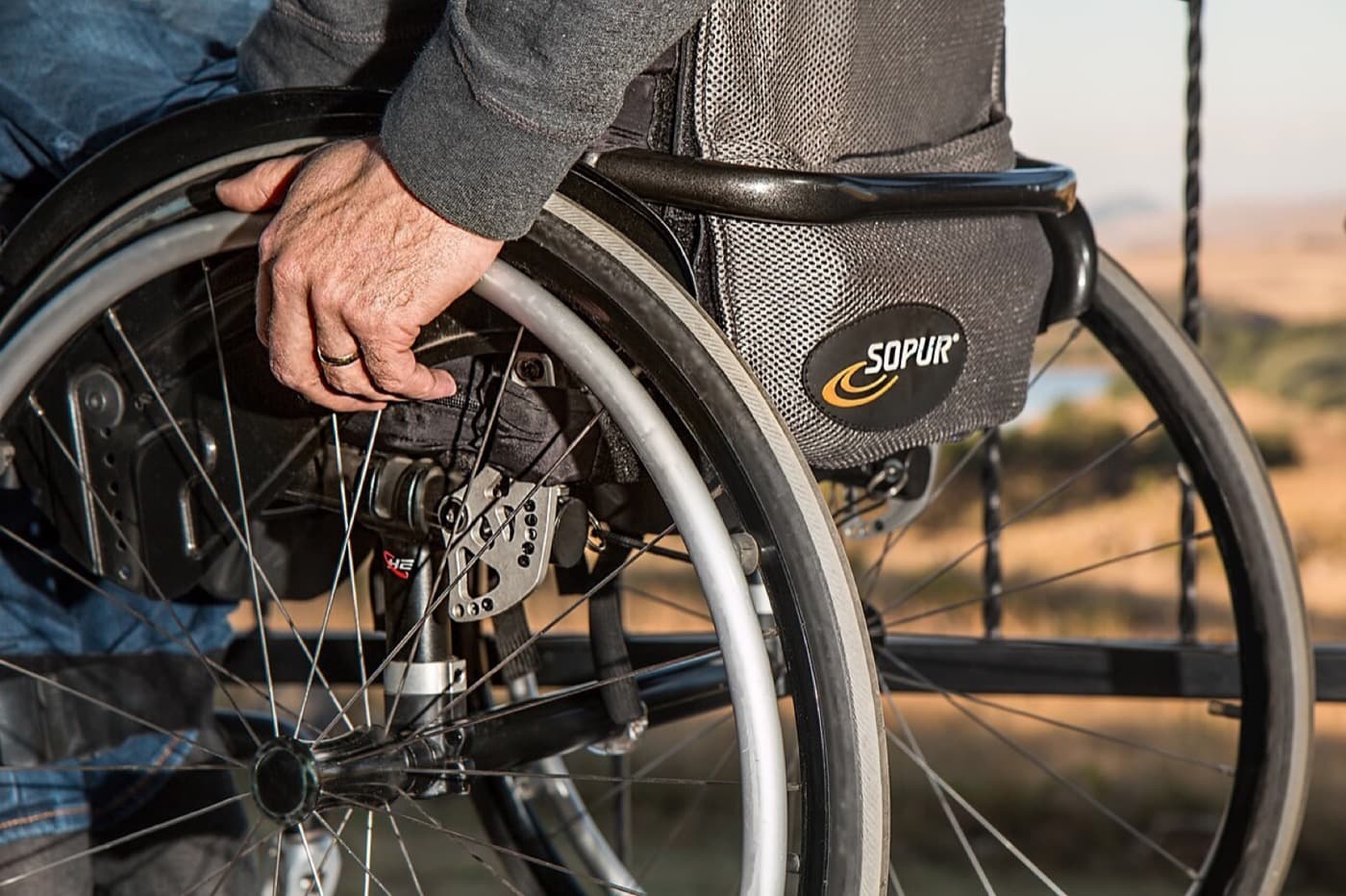
Cycling
A low-impact endurance sport that doubles as transport, exercise and adventure.
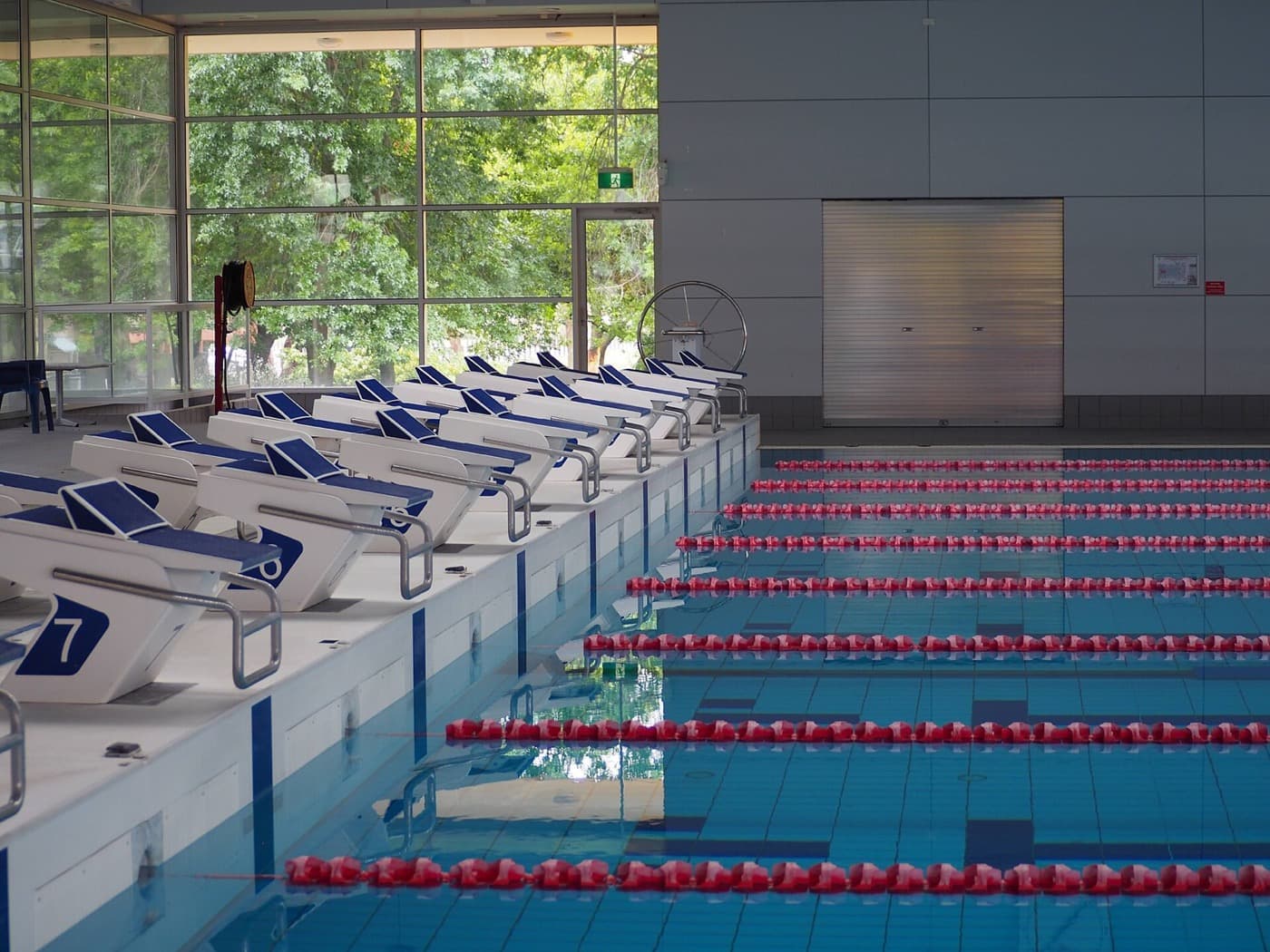
Swimming
A full-body, low-impact endurance sport suitable for almost every age and ability.

Fitness
Strength and general fitness training — the foundation that supports every other sport.
Frequently asked questions
Why is recovery important for adaptation?
Because the body tends to rebuild and improve during recovery, using the stimulus that training provided. Without enough rest there is limited chance to adapt, and demand can build up as fatigue instead. How much recovery you personally need is best judged with a qualified professional.
How it connects
The meaning-bearing relationships that place Recovery and adaptation in the wider knowledge graph — each one with the reason it exists.
Explains
Covers the underlying "why" for these.
- RunningRecovery and adaptation is one of the sports-science concepts that covers Running.
- CyclingRecovery and adaptation is one of the sports-science concepts that covers Cycling.
- SwimmingRecovery and adaptation is one of the sports-science concepts that covers Swimming.
- FitnessRecovery and adaptation is one of the sports-science concepts that covers Fitness.
Explore across the knowledge base
Follow the threads that connect Recovery and adaptation to the rest of SocialSportHub.
Recovery
- Active recoveryActive recovery means very easy, gentle movement on lighter days to keep the body moving without adding hard training stress.
- SleepRegular, good-quality sleep is the foundation of everyday recovery for anyone who trains or plays sport.
- Rest daysRest days are planned days off from training that give the body and mind time to recover between harder sessions.
- Listening to your bodyListening to your body means paying attention to everyday signs like energy, sleep and soreness to guide how much you do.
Training guides
- Understanding rest and recoveryRest and recovery are the everyday habits — sleep, rest days and gentle movement — that let the benefits of training take hold between sessions.
- How to cool downA cool-down is a few easy minutes at the end of a session that let your effort taper off gradually before you stop.
- How to warm upA short, gentle warm-up gradually raises your body temperature and prepares your muscles and joints for the activity ahead.
- How to build a weekly routineBuilding a weekly routine means loosely planning your training across the week so effort and rest are spread out in a way you can sustain.
Healthy living
- Rest daysThe planned days off that let the body recover and adapt — an ordinary, valuable part of staying active, not a sign of slacking.
- Hydration basicsWhy staying hydrated matters for an active life, and simple, sensible habits to drink enough through the day.
- Sleep BasicsA calm introduction to why sleep matters and how it quietly supports almost everything else in a healthy, active life.
- Recovery SleepThe role rest plays in helping your body recover, adapt and feel ready after training and active days.
- Recovery MealsThe general idea of eating after activity to help your body refuel and recover — simple, not scientific.
Techniques
- Movement and recovery in tennisWhy tennis footwork is mostly about getting back rather than getting there — the split step, the recovery position that is not the centre of the court, and sliding on clay.
- Spin bowlingHow a slow bowler turns the ball — finger spin against wrist spin, off breaks, leg breaks and the deliveries that go the other way, and why flight matters more than turn.
- Parallel TurnA turn in which both skis stay parallel throughout, steered together rather than wedged apart.
- Face-offsHow every hockey stoppage restarts — the nine face-off locations, why the location is itself a sanction, and the techniques centres use to win possession.
Practice & sessions
- Recovery sessionA deliberately easy session — gentle movement to help the body feel better and adapt, rather than to push hard.
- Tactical sessionA session built around tactics — how you use space, position and patterns of play, rather than the mechanics of a shot.
- Conditioning sessionA session built around physical conditioning — developing the fitness qualities a sport draws on, rather than its skills or tactics.
Beginner guides
- Your First Fitness Session: What to Expect and How to Enjoy ItA friendly, no-pressure guide to walking into your first fitness session at a gym or studio, so you know what happens and can focus on moving well rather than lifting heavy.
- Your First Volleyball Session: What to ExpectA warm, honest guide to what actually happens at your first volleyball session, so you can turn up relaxed, join in, and enjoy the rallies rather than worry about getting everything right.
- Your first football sessionA warm, practical picture of what actually happens when you turn up to your very first football session — how it runs, what surprises beginners, and how to enjoy it without any pressure.
Go deeper with Recovery and adaptation
Everywhere else on the platform that covers Recovery and adaptation — assembled from what actually references it, so nothing here is a dead end.
Work it out
Deterministic calculators — real published formulas, no estimates dressed as data.
Question it
Research topics that name this entity among their connections.
Take it away
Open data and the whole-platform view of this subject.
How this page is maintained
- Content type
- Sports science concept
- Provenance
- Tier A — evergreen educational
- Verified external sources
- 0
- Content updated
- 2026-07-09
Evergreen, first-party explanation — it makes no claim that needs an external source. How we handle sources and reviews.