
Hamstrings
The group of muscles along the back of the thigh that bend the knee and extend the hip to drive sprinting and jumping.
Overview
The hamstrings are a group of muscles running down the back of the thigh, from the base of the pelvis to just below the knee. They are the counterpart to the quadriceps on the front of the leg.
They do two main jobs: bending the knee and helping extend the hip by drawing the thigh backward. That makes them important for sprinting, accelerating and jumping, where a powerful hip drive moves the body forward and up.
Good to know
- Key contributors to sprinting speed and powerful hip drive
- Often trained with the glutes as the "posterior chain"
- A common focus for keeping the back of the leg mobile and strong
Where it’s used
Sports this relates to:
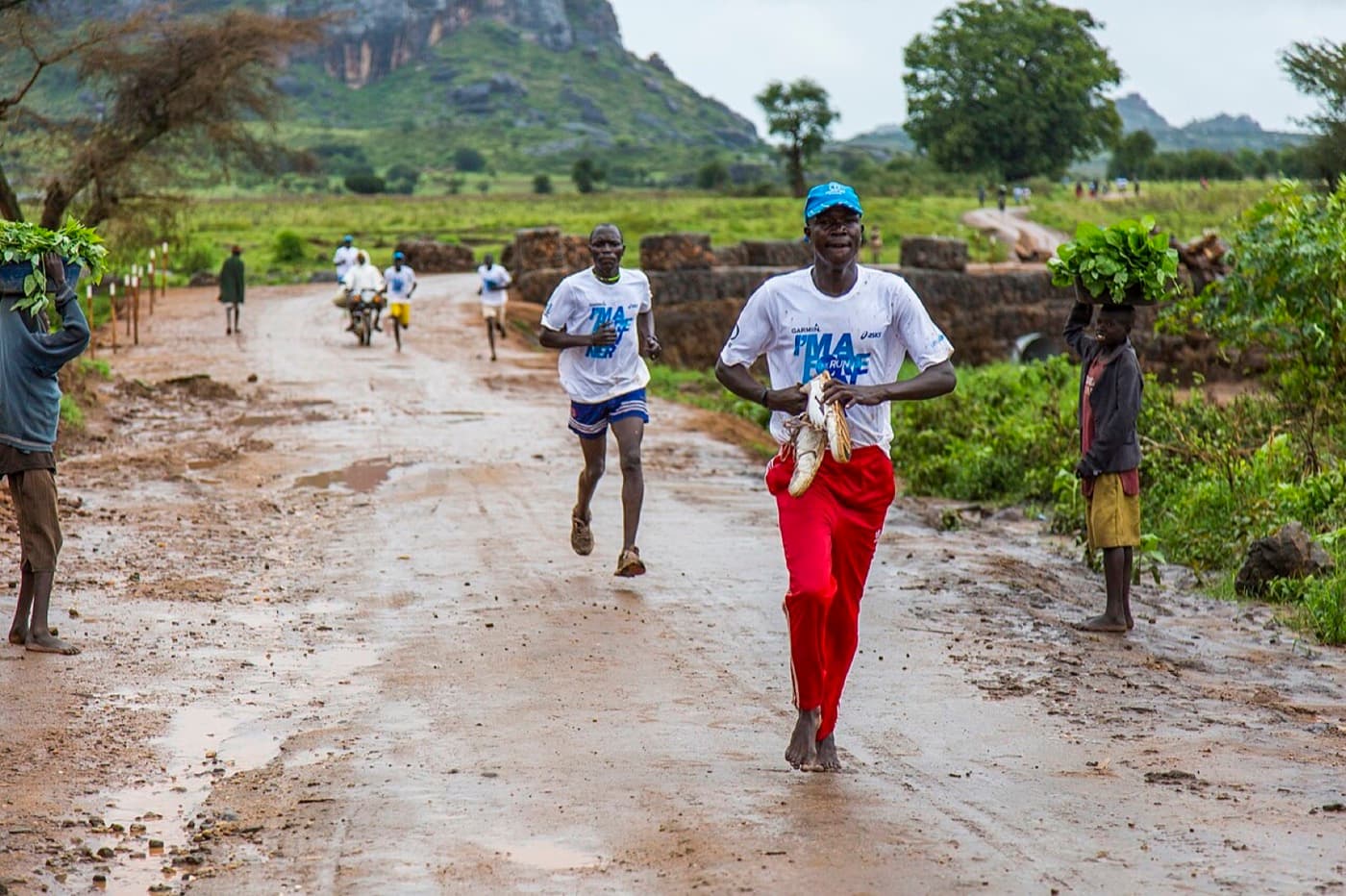
Running
The most accessible endurance sport — no venue, just shoes and the open road or trail.
Football
The world’s most popular team sport — endless running, teamwork and community in one game.

Basketball
A fast, dynamic team sport of running, jumping and quick decisions on court.
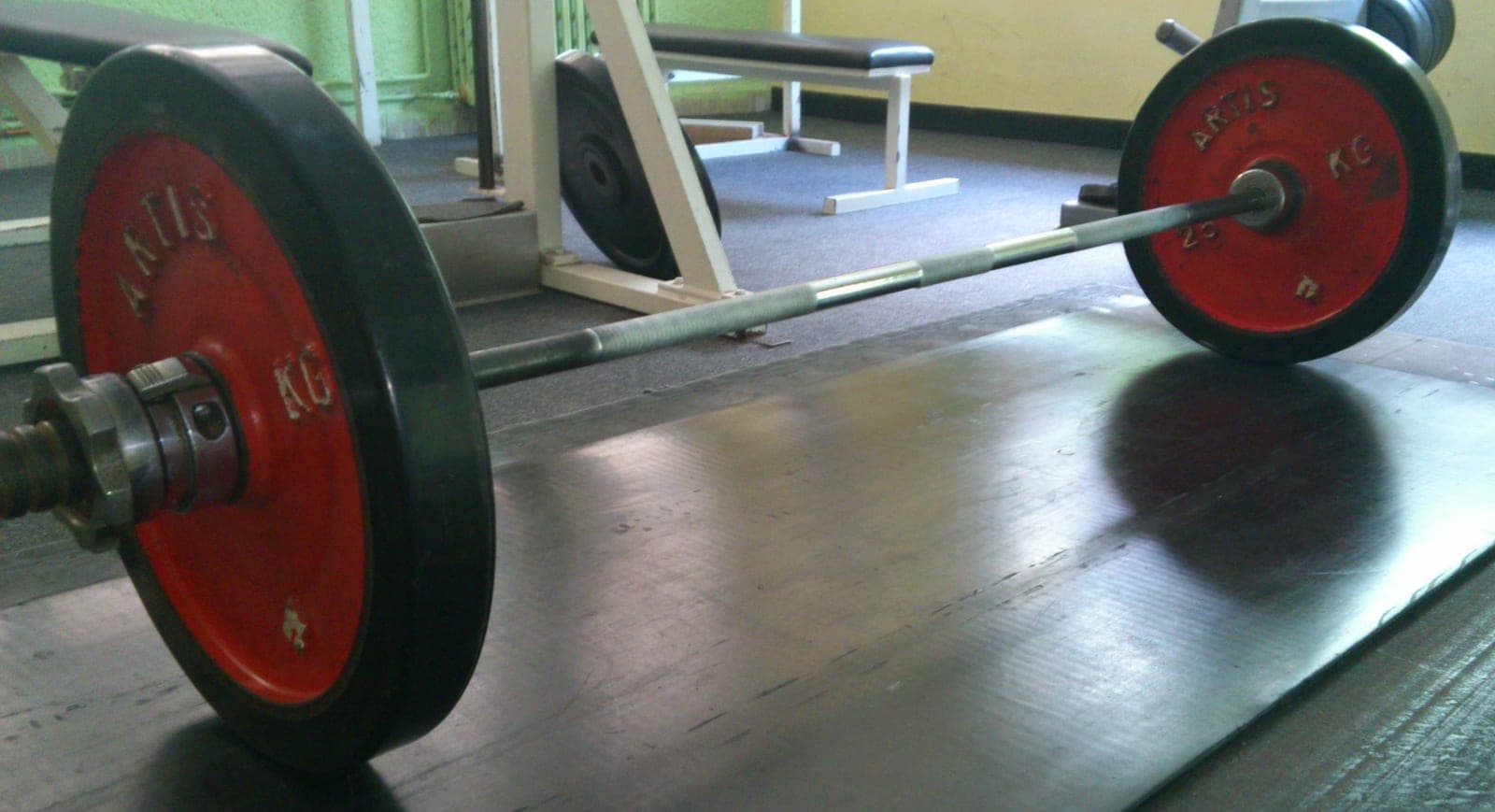
Weightlifting
A technical strength sport built around lifting a loaded barbell overhead with speed and control.
Exercises that work the hamstrings
Squat
A foundational lower-body movement where you bend at the hips and knees to lower down and stand back up.
Jump squat
An explosive squat variation where you spring off the floor at the top of the movement.
Lunge
A single-leg movement where you step forward and bend both knees to lower your body.
Bulgarian split squat
A single-leg squat where the back foot is raised on a bench behind you.
Step-up
A movement where you step up onto a raised platform one leg at a time and step back down.
Deadlift
A hinge movement where you lift a weight from the floor by driving your hips forward to stand tall.
Explore across the knowledge base
Follow the threads that connect Hamstrings to the rest of SocialSportHub.
Training methods
- Hypertrophy TrainingHypertrophy training is resistance work structured to encourage muscle growth, typically using moderate repetitions and a steady, controlled tempo.
- PlyometricsPlyometrics are jumping and bounding drills that train muscles to produce force quickly, developing power and springiness through explosive movement.
- Flexibility TrainingFlexibility training uses stretching to gradually improve how far your muscles and joints can comfortably lengthen and move.
Training plans
- Walk-to-Jog PlanA gentle example of easing from walking into jogging by gradually mixing short, easy jogs into regular walks over several weeks.
- Beginner Strength WeekA general example week for someone learning the basic strength movements, built around a few short, technique-focused sessions with plenty of rest.
- Beginner Cycling BaseA general example of building an easy aerobic base on the bike through mostly relaxed, conversational-pace rides over several weeks.
- Mobility Routine WeekA gentle example week of short mobility sessions that move the main joints through easy, comfortable ranges to help you feel loose and move well.
- Beginner Run WeekA simple example running week for newer runners, built around a couple of easy runs, one slightly longer effort and plenty of rest.
Movement patterns
- GaitThe cyclic, alternating single-leg pattern of walking and running that carries the body across the ground — the base of most field and endurance sport.
- JumpThe plyometric pattern of projecting the body off the ground through explosive triple extension and controlling the landing — the core expression of lower-body power.
- SquatA knee-dominant pattern: bending the hips, knees and ankles to lower and rise while keeping the torso upright — the foundation of lower-body strength.
- LungeA split-stance, single-leg-emphasis pattern: stepping or dropping into a staggered stance and pushing back up to build single-leg strength, balance and stability.
- HingeA hip-dominant pattern: bend forward at the hips with a flat back, minimal knee bend, then drive the hips tall — powers pulling from the floor and jumping.
Go deeper with Hamstrings
Everywhere else on the platform that covers Hamstrings — assembled from what actually references it, so nothing here is a dead end.
Take it away
Open data and the whole-platform view of this subject.
How this page is maintained
- Content type
- Muscle group
- Provenance
- Tier A — evergreen educational
- Verified external sources
- 0
- Content updated
- 2026-07-06
Evergreen, first-party explanation — it makes no claim that needs an external source. How we handle sources and reviews.