
Hop
A single-leg spring that takes off from and lands on the same leg, using the stretch-shortening cycle to project the body vertically or horizontally.
Overview
A hop is a spring in which take-off and landing occur on the same single leg, making it a strictly unilateral movement built on the jump pattern. Mechanically it leans on the stretch-shortening cycle: as the working leg contacts the ground it is briefly loaded and lengthened under tension, storing elastic energy in the muscle-tendon units — most notably the calf and Achilles complex — which is then released rapidly to re-project the body. Because a single limb must both absorb and return force, short ground-contact times and high reactive stiffness tend to characterise the action, with the ankle and foot behaving as the primary spring while the knee and hip contribute support and orientation. The nervous system coordinates this fast coupling of absorption and propulsion, and balance demands are pronounced because there is no second foot to share the task of stabilising the centre of mass on contact.
The hop appears across sport in many guises. In track and field it forms the first phase of the triple jump, where an athlete drives off one leg and returns to that same leg before continuing; in basketball it shows up in one-footed gathers and reactive adjustments near the rim; and in skating and dance it becomes a rhythmic, expressive element. Conditioning and agility contexts use repeated hops as a reactive drill, sometimes vertically for height and sometimes horizontally for distance, and everyday movement echoes it in games such as hopscotch. The shared thread is the same-leg take-off and landing and the reliance on elastic recoil, but the orientation, height, distance and rhythm shift substantially depending on whether the goal is to travel, to rebound quickly, or to hold a controlled single-leg finish.
What defines it
- Take-off and landing occur on the same single leg, making the hop a strictly unilateral spring.
- Relies on the stretch-shortening cycle: the leg pre-loads elastic tension on contact and releases it quickly, rewarding short ground-contact times.
- Ankle and foot stiffness dominate, with the calf-Achilles complex acting as the primary spring while the knee and hip support and orient.
- Balance demands are high, since one limb must both absorb and re-project force without a second foot to share stabilisation.
- Can be oriented vertically for height or horizontally for distance, and is frequently repeated in a rhythm.
How it differs from nearby movements
Movements that look similar but are not the same thing.
- Not the same as jump
- A hop both takes off from and lands on the same single leg, whereas the fundamental jump pattern typically involves a two-foot take-off or landing and does not require staying on one limb.
- Not the same as bound
- A hop repeatedly returns to the same leg; a bound springs from one leg to the opposite leg on each contact.
- Not the same as landing
- Landing is only the force-absorption half of a flight phase; a hop is a complete take-off-and-land cycle performed on a single leg.
A note on this information
Exercises that train the hop
Movements built on this pattern — educational examples, not a prescription.
Jump rope
A cardio exercise where you swing a rope under your feet and jump over it in a steady rhythm.
Calf raise
A movement where you press up onto the balls of your feet to work the calves.
Bulgarian split squat
A single-leg squat where the back foot is raised on a bench behind you.
Step-up
A movement where you step up onto a raised platform one leg at a time and step back down.
Sports skills that express it
The learnable skills of a sport that this movement underlies.
Jumping
The skill of leaping powerfully and with timing to reach or contest the ball in the air.
Balance
The skill of keeping the body stable and controlled while still or moving.
Footwork
The skill of moving efficiently around the playing area to be in position for each shot or action.
Core stability
The skill of engaging the trunk muscles to keep the body strong and controlled through movement.
Sprinting
The skill of running or riding at maximum controlled speed over a short distance.
Sports techniques that use it
How the movement shows up in the specific techniques of a sport.
Running Form
The efficient posture and stride mechanics of distance running, keeping the body relaxed and the cadence smooth.
Layup
A close-range basketball shot taken while moving toward the basket, laying the ball softly off the backboard or over the rim.
Sprint Start
The explosive start of a sprint from a set, crouched position, driving forward low before gradually rising to full stride.
The science and how it’s learned
The concepts that explain this movement and help in learning it.
Learning & coaching
Sports that rely on it
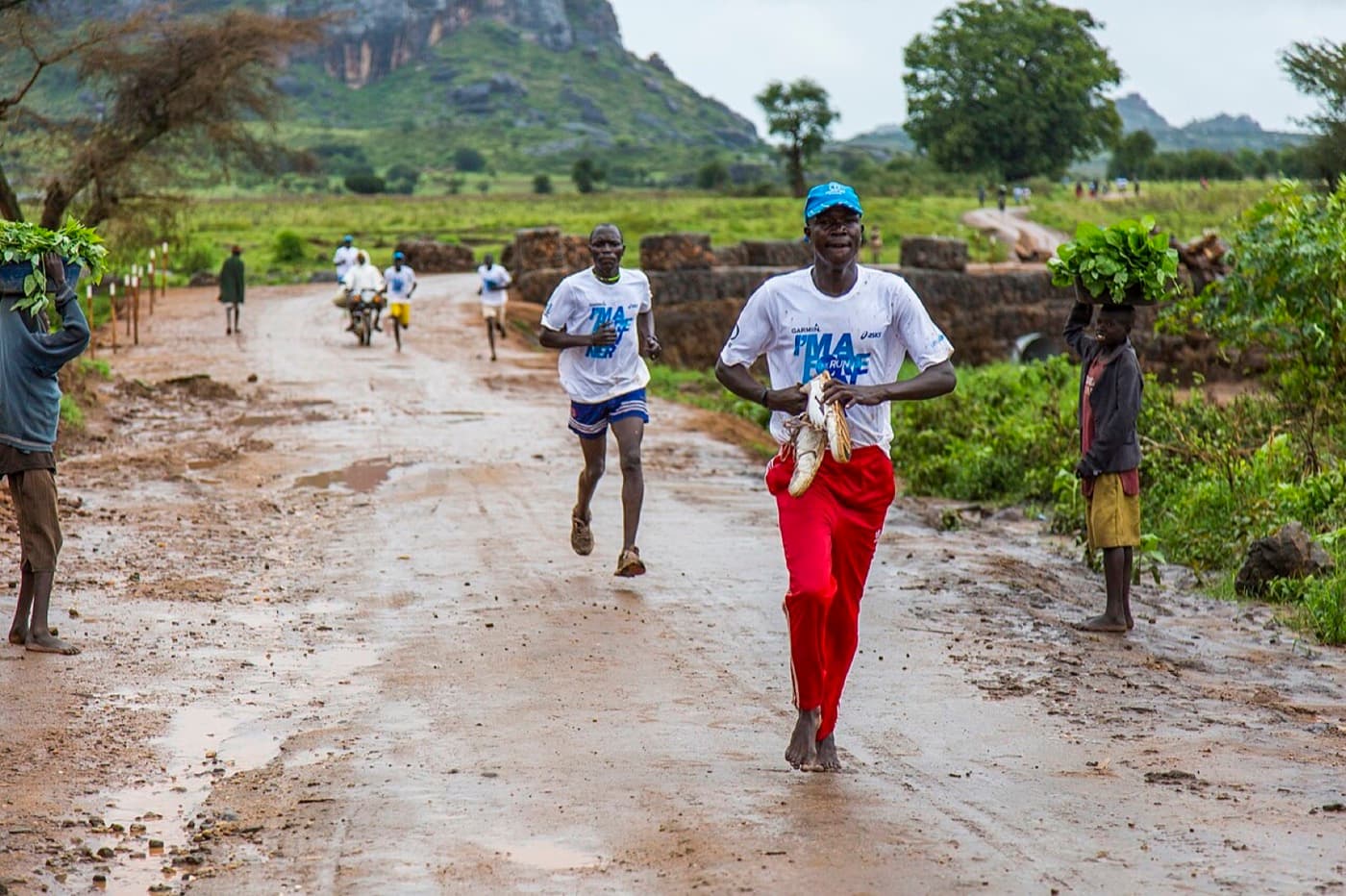
Running
The most accessible endurance sport — no venue, just shoes and the open road or trail.

Basketball
A fast, dynamic team sport of running, jumping and quick decisions on court.
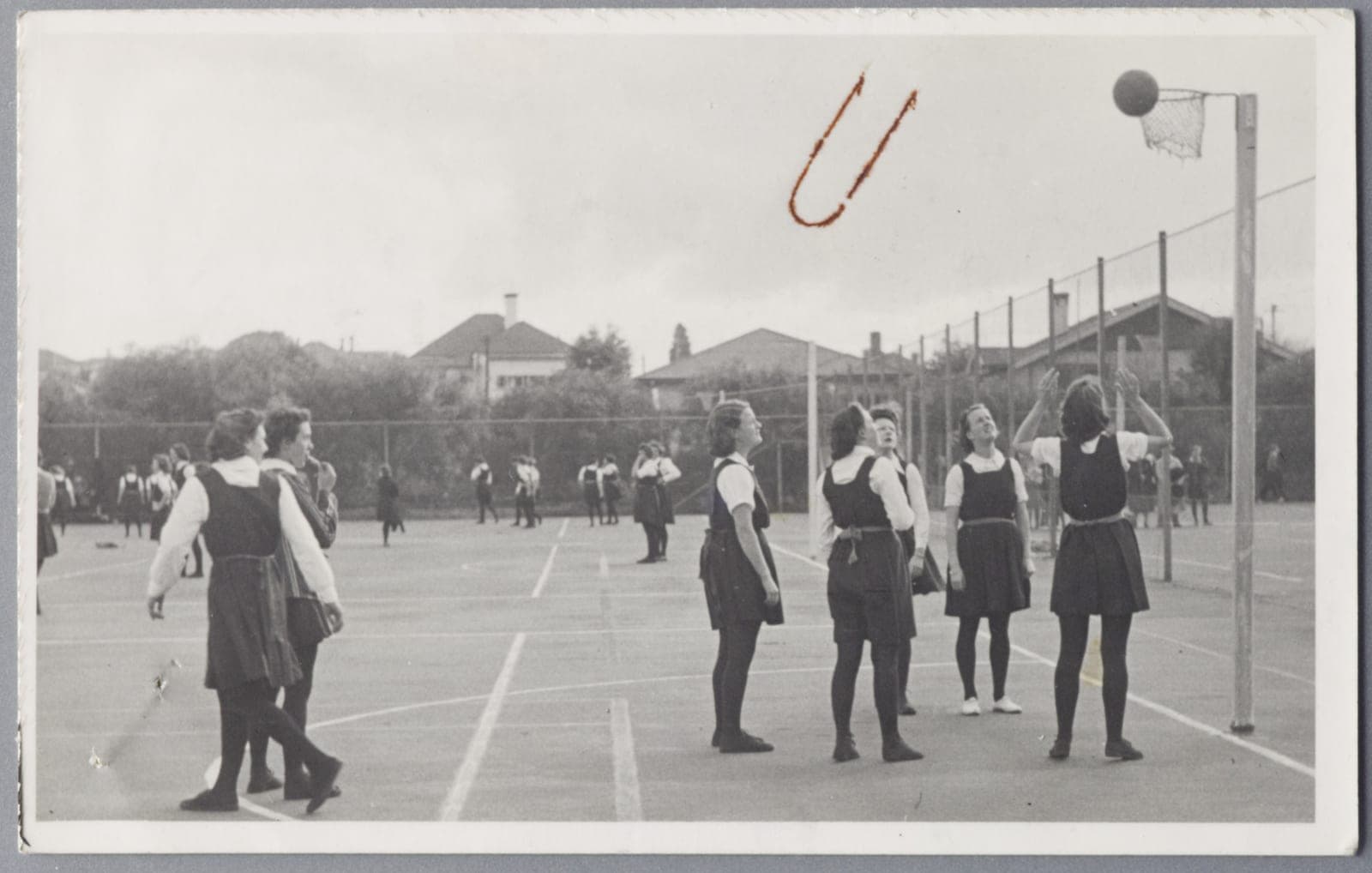
Netball
A non-contact, position-based team sport of quick passing and accurate shooting.
Figure Skating
An artistic ice sport combining glides, spins, jumps and footwork into flowing routines.

Fitness
Strength and general fitness training — the foundation that supports every other sport.
Compare hop with…
Movements it is often confused with — see exactly how they differ.
How it connects
The meaning-bearing relationships that place Hop in the wider knowledge graph — each one with the reason it exists.
Commonly confused with
Close enough to be mixed up — the distinction is worth knowing.
Explore across the knowledge base
Follow the threads that connect Hop to the rest of SocialSportHub.
Movement comparisons
- Bound vs HopBound vs Hop: how these two movements differ, what they share, and how to tell them apart — from mechanics to the sports that use them.
- Hop vs JumpHop vs Jump: how these two movements differ, what they share, and how to tell them apart — from mechanics to the sports that use them.
- Hop vs LandingHop vs Landing: how these two movements differ, what they share, and how to tell them apart — from mechanics to the sports that use them.
- Bound vs GaitBound vs Gait: how these two movements differ, what they share, and how to tell them apart — from mechanics to the sports that use them.
- Bound vs JumpBound vs Jump: how these two movements differ, what they share, and how to tell them apart — from mechanics to the sports that use them.
Skills
- JumpingThe skill of leaping powerfully and with timing to reach or contest the ball in the air.
- BalanceThe skill of keeping the body stable and controlled while still or moving.
- FootworkThe skill of moving efficiently around the playing area to be in position for each shot or action.
- Core stabilityThe skill of engaging the trunk muscles to keep the body strong and controlled through movement.
- SprintingThe skill of running or riding at maximum controlled speed over a short distance.
Sports science
- BiomechanicsThe study of how the body produces and controls movement — the mechanics behind every technique in sport.
- The kinetic chainThe idea that the body’s segments work as a linked chain, passing force from the ground up through the hips, trunk and limbs.
- Force and powerThe difference between how much force the body can produce and how quickly it can produce it — the mechanics behind strength and explosiveness.
- ProprioceptionThe body’s internal sense of where its parts are and how they are moving — the awareness behind balance and coordinated movement.
- Movement efficiencyHow economically the body performs a movement — achieving the goal with the least wasted effort.
Coaching concepts
- ProgressionBuilding skill and training load in gradual, manageable steps so each stage prepares the next, moving from simple to complex and easy to hard.
- Repetition QualityThe attention and intent behind each repetition matter more than raw volume — focused, well-executed reps build skill faster than mindless numbers.
Go deeper with Hop
Everywhere else on the platform that covers Hop — assembled from what actually references it, so nothing here is a dead end.
Take it away
Open data and the whole-platform view of this subject.
How this page is maintained
- Content type
- Movement pattern
- Provenance
- Tier A — evergreen educational
- Verified external sources
- 0
- Content updated
- 2026-07-13
Evergreen, first-party explanation — it makes no claim that needs an external source. How we handle sources and reviews.