
Overview
Change of direction is the mechanical sequence of arresting momentum travelling in one direction and re-projecting it along another. It unfolds in three overlapping phases: a braking phase, in which the lower-limb musculature — quadriceps, glutes, hamstrings and calves — contracts eccentrically to absorb the athlete's momentum; a plant phase, in which one or more foot contacts apply ground reaction force at an angle to the intended new path; and a propulsive phase, in which those same muscles shorten to drive the body along the new vector. To organise this, the centre of mass typically lowers and the base of support widens, shortening the effective lever between the ground and the body and giving the plant foot a position from which to redirect force. The steeper the angle of redirection, the larger the braking impulse the body must dissipate before it can reaccelerate, and the more the trunk and hips must reorient toward the new heading. The preparatory or 'penultimate' step — the stride before the decisive plant — performs much of the deceleration, which is why the movement is as much about a controlled loss of speed as about the change of heading itself.
Although the underlying braking-and-reaccelerating mechanics are shared, the expression of a change of direction varies widely with the demands of each sport, and it is not performed identically from one to the next. In court sports such as tennis, badminton and squash it appears as repeated short redirections built on shuffle steps, crossover steps and split stances over a small area, with the racket or reach shaping the final position. In invasion sports such as football, basketball and rugby it often occurs at higher approach speeds over longer distances and blends into sprinting, so the deceleration demand and the number of preparatory steps grow. In gated disciplines such as slalom skiing the redirection is carved rather than planted, distributed across a turn instead of concentrated in a single foot contact. The angle, the entry speed, the footwork pattern and whether the hands are carrying an implement all change how the same three-phase pattern is organised, so the label describes a family of related actions rather than one fixed technique.
What defines it
- Braking phase: the lower-limb muscles contract eccentrically to absorb momentum travelling in the original direction before any redirection can occur.
- Lowered centre of mass and widened base of support give the plant foot a position from which ground reaction force can be angled toward the new path.
- Plant-foot force application: force is directed into the ground at an angle to the intended line, and the reaction redirects the body's momentum.
- Reacceleration phase: the loaded musculature shortens to project the body along the new vector, regenerating toward the new heading the speed lost in braking.
- The penultimate (preparatory) step performs much of the deceleration, so steeper angles and higher entry speeds raise the braking demand disproportionately.
How it differs from nearby movements
Movements that look similar but are not the same thing.
- Not the same as agility
- A change of direction is pre-planned: the athlete knows the new line in advance. Agility adds a perceptual-cognitive layer, redirecting in reaction to an unpredictable stimulus such as an opponent's movement, so the same physical redirection is triggered by a decision rather than a script.
- Not the same as cut
- A cut is one sharp, single-plant expression of a change of direction. Change of direction is the umbrella category, which also includes gentle, gradual redirections that a cut is not.
- Not the same as pivot
- A pivot reorients the body around a planted foot without travelling to a new location. A change of direction moves the body between two points, redirecting travelling momentum rather than rotating in place.
A note on this information
Exercises that train the change of direction
Movements built on this pattern — educational examples, not a prescription.
Lunge
A single-leg movement where you step forward and bend both knees to lower your body.
Bulgarian split squat
A single-leg squat where the back foot is raised on a bench behind you.
Jump squat
An explosive squat variation where you spring off the floor at the top of the movement.
Step-up
A movement where you step up onto a raised platform one leg at a time and step back down.
Side plank
A core hold on one forearm and the side of the foot that targets the muscles along your side.
Sports skills that express it
The learnable skills of a sport that this movement underlies.
Footwork
The skill of moving efficiently around the playing area to be in position for each shot or action.
Sprinting
The skill of running or riding at maximum controlled speed over a short distance.
Dribbling
The skill of moving with the ball under close control to beat opponents or keep possession.
Balance
The skill of keeping the body stable and controlled while still or moving.
Core stability
The skill of engaging the trunk muscles to keep the body strong and controlled through movement.
Sports techniques that use it
How the movement shows up in the specific techniques of a sport.
Running Form
The efficient posture and stride mechanics of distance running, keeping the body relaxed and the cadence smooth.
Sprint Start
The explosive start of a sprint from a set, crouched position, driving forward low before gradually rising to full stride.
Crossover Dribble
A basketball dribbling move that switches the ball quickly from one hand to the other to change direction and get past a defender.
The science and how it’s learned
The concepts that explain this movement and help in learning it.
Sports that rely on it
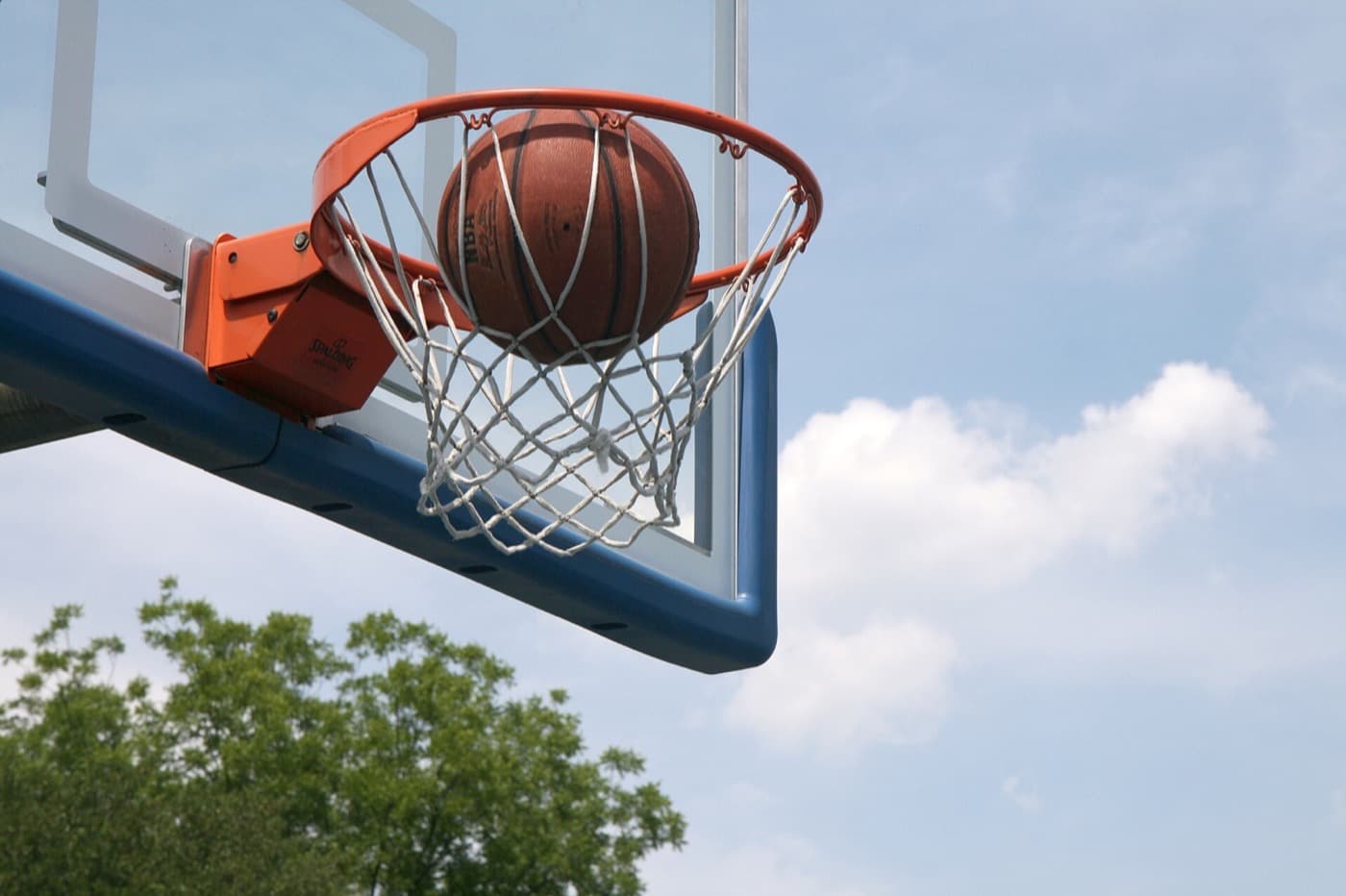
Basketball
A fast, dynamic team sport of running, jumping and quick decisions on court.
Football
The world’s most popular team sport — endless running, teamwork and community in one game.
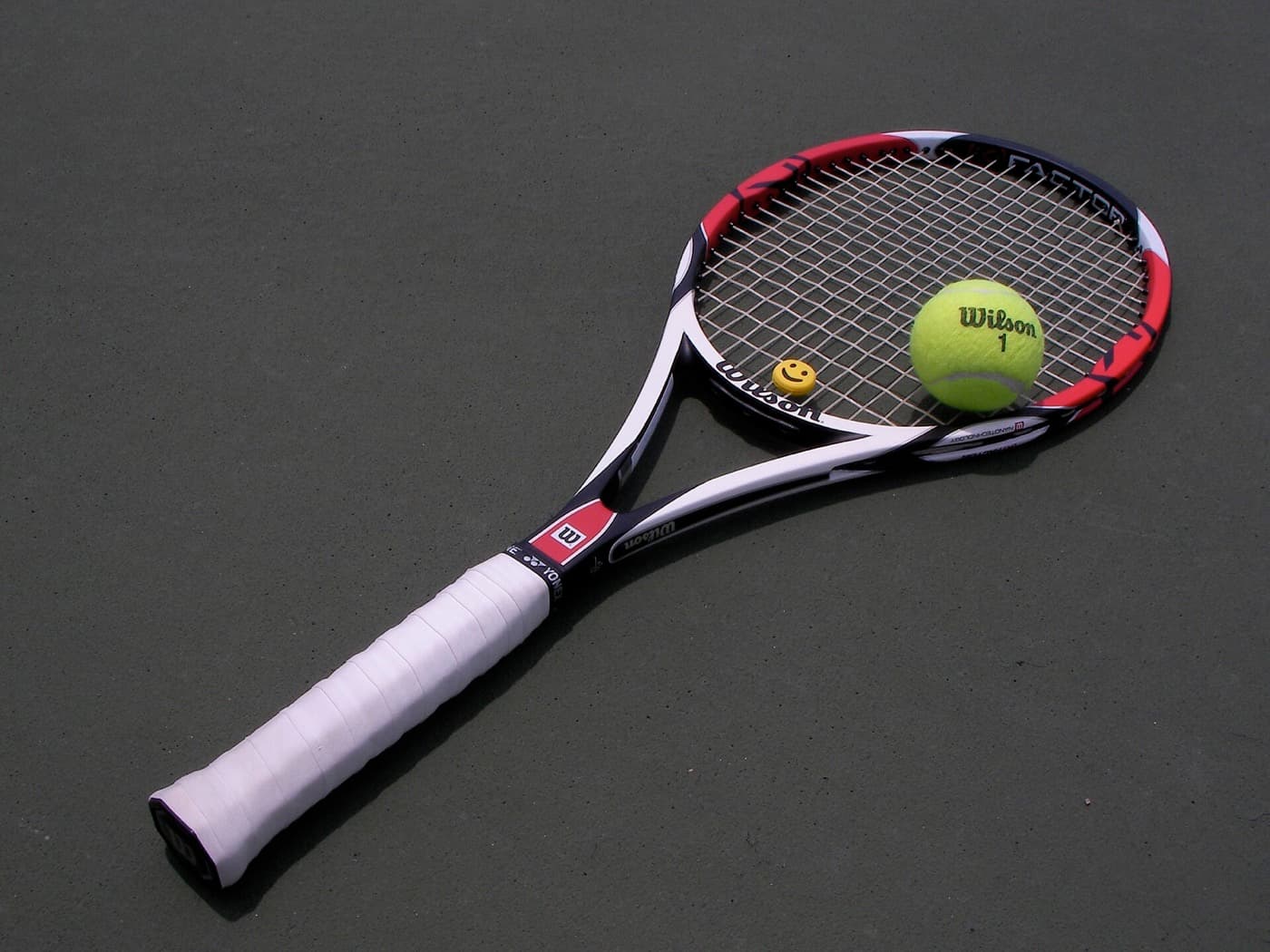
Tennis
A singles or doubles racquet sport that blends agility, strategy and stamina on court.
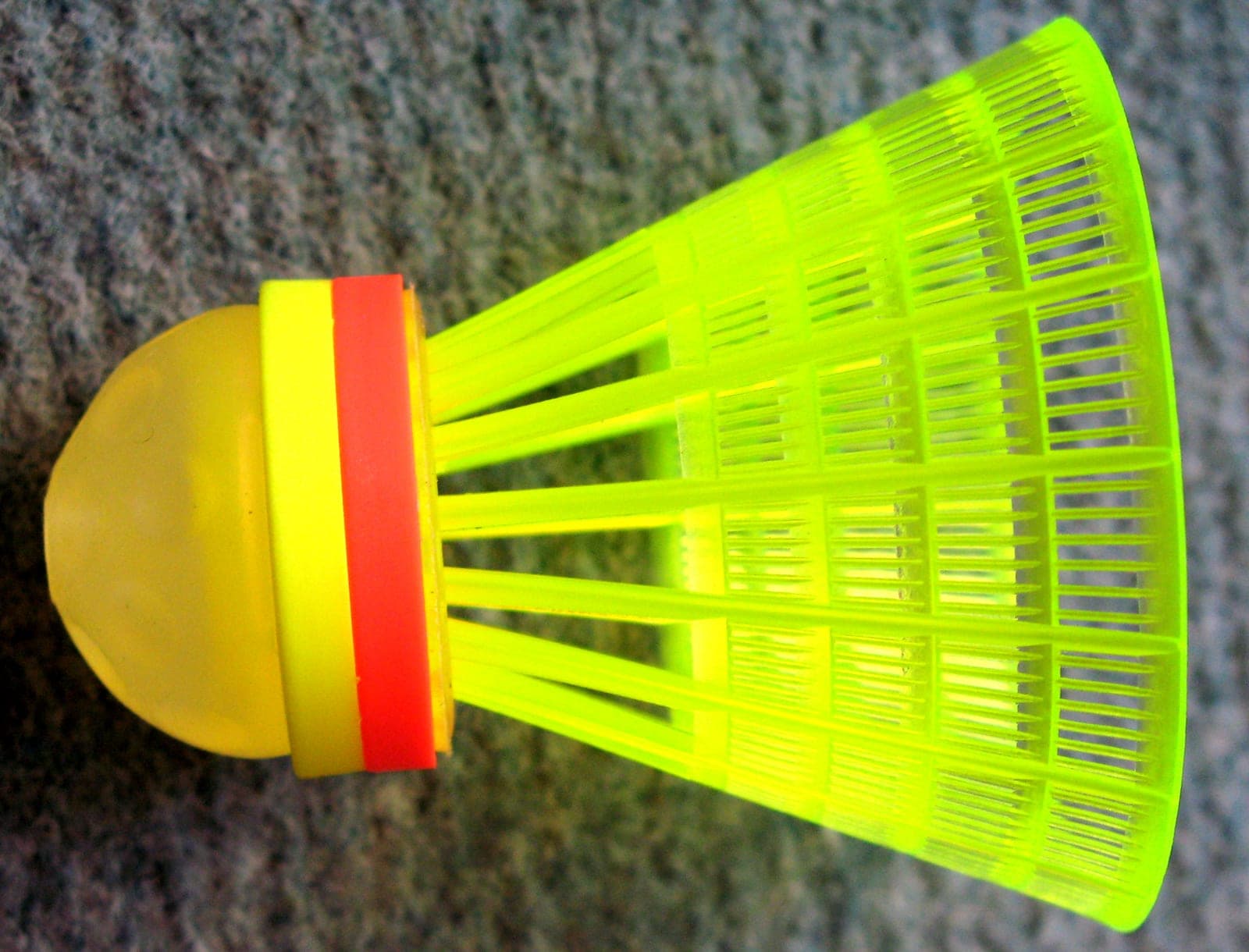
Badminton
A fast indoor racquet sport played with a shuttlecock that rewards agility and touch.
Squash
A fast, high-intensity indoor racquet sport played inside an enclosed court where the walls stay in play.
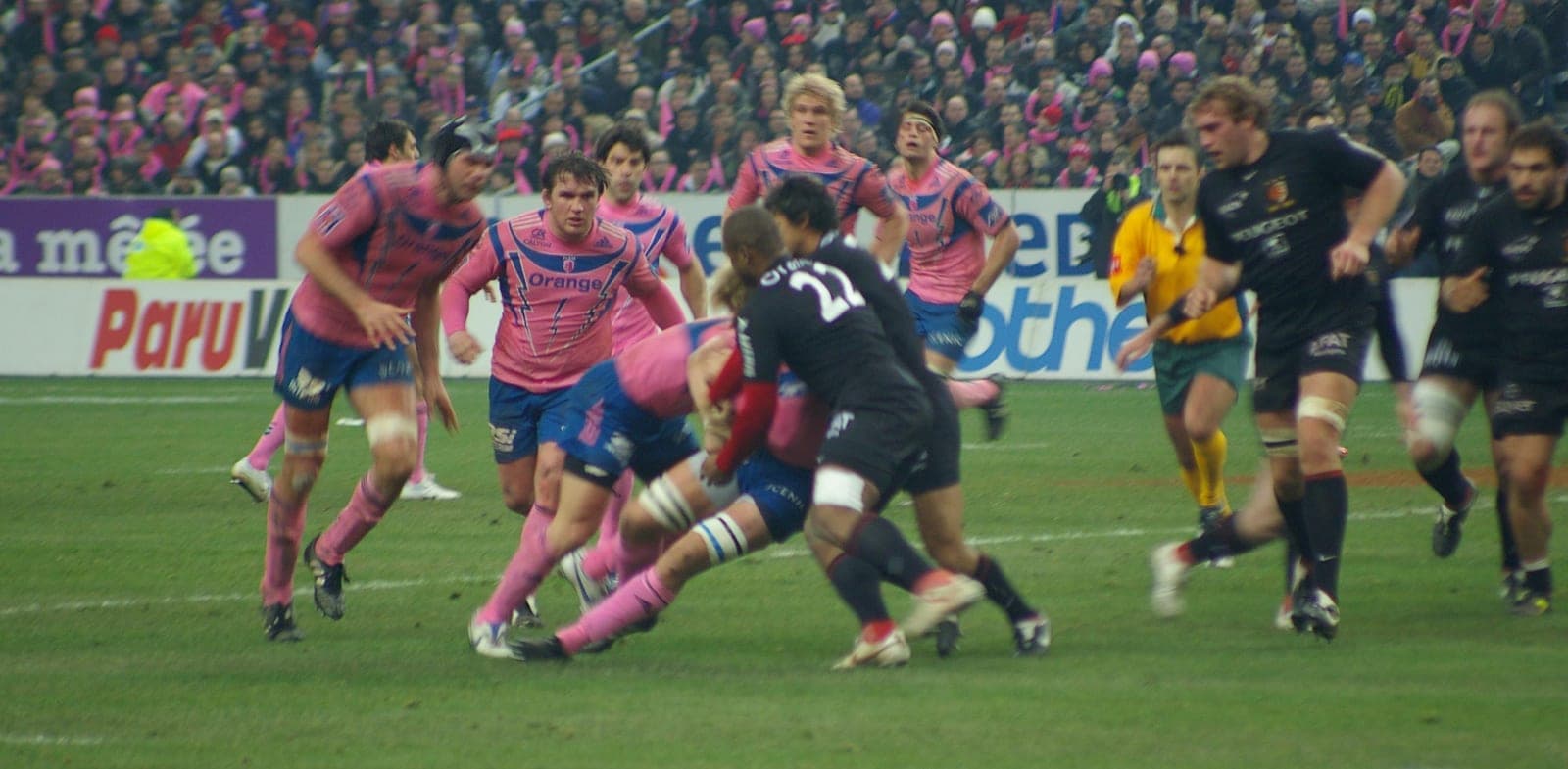
Rugby
A physical team sport of carrying, passing and kicking an oval ball toward the opposing line.
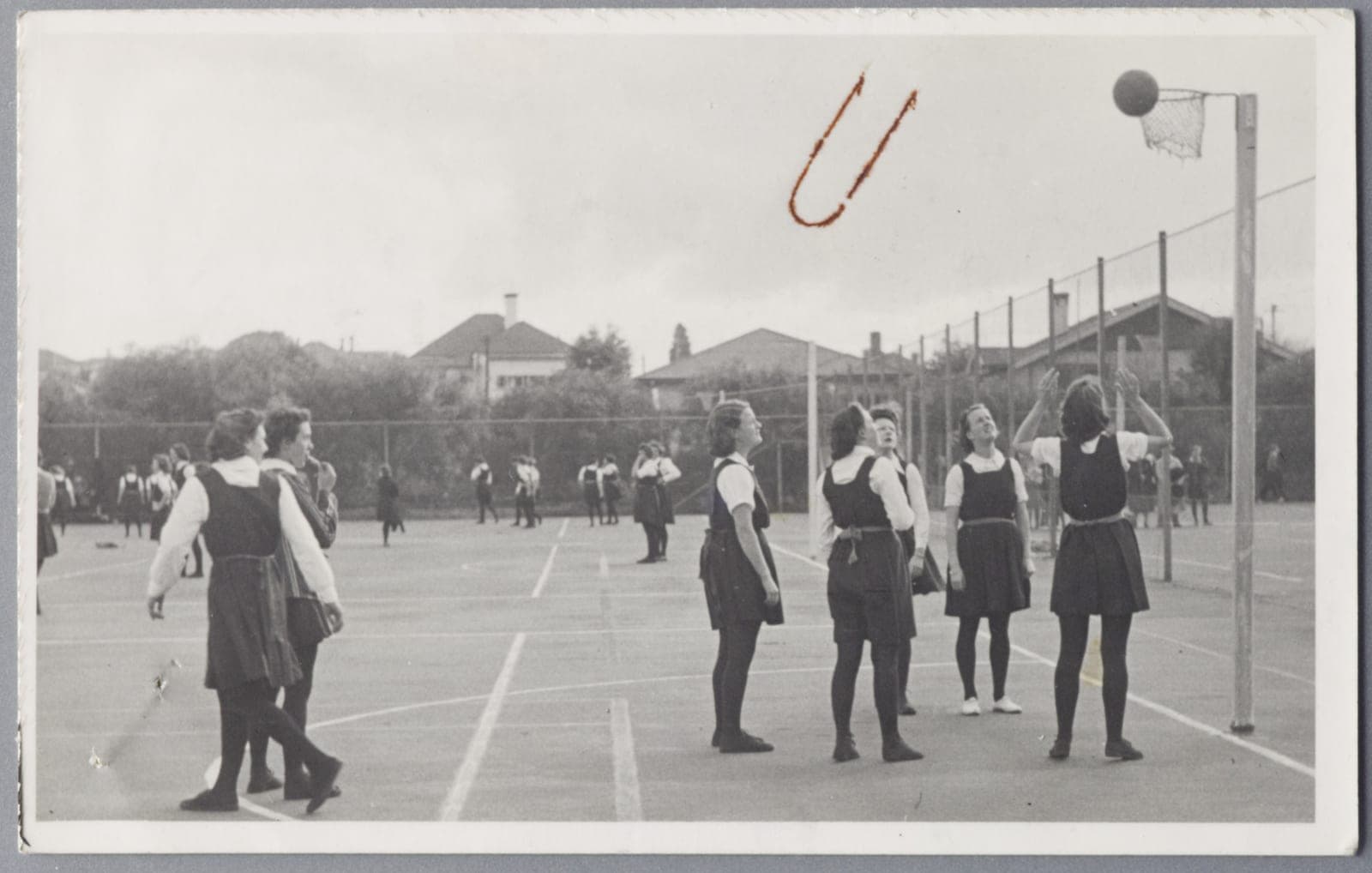
Netball
A non-contact, position-based team sport of quick passing and accurate shooting.
Compare change of direction with…
Movements it is often confused with — see exactly how they differ.
How it connects
The meaning-bearing relationships that place Change of Direction in the wider knowledge graph — each one with the reason it exists.
Builds on
Understanding these first makes this one make sense.
Commonly confused with
Close enough to be mixed up — the distinction is worth knowing.
Explore across the knowledge base
Follow the threads that connect Change of Direction to the rest of SocialSportHub.
Movement comparisons
- Acceleration vs Change of DirectionAcceleration vs Change of Direction: how these two movements differ, what they share, and how to tell them apart — from mechanics to the sports that use them.
- Change of Direction vs CutChange of Direction vs Cut: how these two movements differ, what they share, and how to tell them apart — from mechanics to the sports that use them.
- Change of Direction vs DecelerationChange of Direction vs Deceleration: how these two movements differ, what they share, and how to tell them apart — from mechanics to the sports that use them.
- Change of Direction vs PivotChange of Direction vs Pivot: how these two movements differ, what they share, and how to tell them apart — from mechanics to the sports that use them.
- Acceleration vs DecelerationAcceleration vs Deceleration: how these two movements differ, what they share, and how to tell them apart — from mechanics to the sports that use them.
Skills
- FootworkThe skill of moving efficiently around the playing area to be in position for each shot or action.
- SprintingThe skill of running or riding at maximum controlled speed over a short distance.
- DribblingThe skill of moving with the ball under close control to beat opponents or keep possession.
- BalanceThe skill of keeping the body stable and controlled while still or moving.
- Core stabilityThe skill of engaging the trunk muscles to keep the body strong and controlled through movement.
Sports science
- BiomechanicsThe study of how the body produces and controls movement — the mechanics behind every technique in sport.
- The kinetic chainThe idea that the body’s segments work as a linked chain, passing force from the ground up through the hips, trunk and limbs.
- Force and powerThe difference between how much force the body can produce and how quickly it can produce it — the mechanics behind strength and explosiveness.
- Movement efficiencyHow economically the body performs a movement — achieving the goal with the least wasted effort.
- ProprioceptionThe body’s internal sense of where its parts are and how they are moving — the awareness behind balance and coordinated movement.
Training methods
- PlyometricsPlyometrics are jumping and bounding drills that train muscles to produce force quickly, developing power and springiness through explosive movement.
- Strength TrainingStrength training uses resistance — bodyweight, bands or weights — to challenge your muscles so they gradually adapt and get stronger over time.
- High-Intensity Interval Training (HIIT)High-intensity interval training, or HIIT, packs short, hard efforts against brief recoveries into a compact session, making it a time-efficient way to train.
Coaching concepts
- Deliberate PracticeFocused, effortful practice that targets a specific weakness with full attention and immediate feedback — not just repeating what you already do well.
- ProgressionBuilding skill and training load in gradual, manageable steps so each stage prepares the next, moving from simple to complex and easy to hard.
- Repetition QualityThe attention and intent behind each repetition matter more than raw volume — focused, well-executed reps build skill faster than mindless numbers.
- Transfer of TrainingWhether practice carries over to real performance — and why game-like, varied practice tends to transfer better than isolated, repetitive drills.
Go deeper with Change of Direction
Everywhere else on the platform that covers Change of Direction — assembled from what actually references it, so nothing here is a dead end.
Take it away
Open data and the whole-platform view of this subject.
How this page is maintained
- Content type
- Movement pattern
- Provenance
- Tier A — evergreen educational
- Verified external sources
- 0
- Content updated
- 2026-07-13
Evergreen, first-party explanation — it makes no claim that needs an external source. How we handle sources and reviews.