
Lacrosse
Stick skills, speed and fast-flowing team play
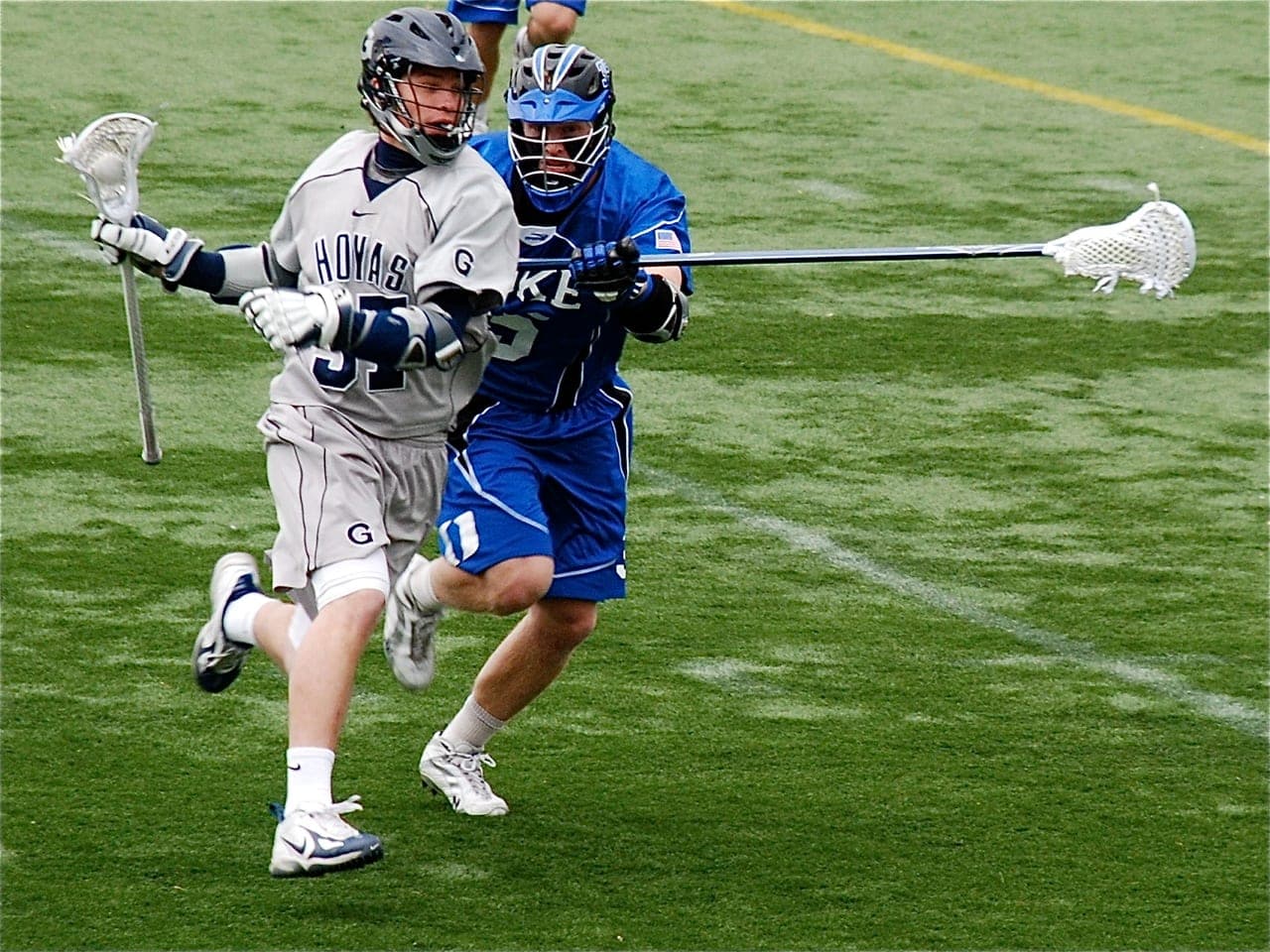

Overview
Lacrosse is a team sport played with long-handled sticks that have a small net on the end. Players use the stick to carry, cradle, pass and shoot a small ball, aiming to score in the opponent’s goal. It is fast and free-flowing, and it rewards good stick skills as much as running.
It is played in several formats, including outdoor field lacrosse and a faster, enclosed indoor version, alongside gentler and non-contact variants. The equipment and level of contact vary by format, so newcomers can start with a version that suits their comfort and pace.
Why lacrosse is good for your health
- Continuous running builds strong cardiovascular fitness
- Sharpens hand–eye coordination through catching and passing
- Develops agility, speed and lower-body strength
- Combines sprints with sustained movement for all-round conditioning
The social side
- A team sport that builds communication and camaraderie
- Club and community programmes are welcoming to newcomers
- Growing recreational scene makes it easier to find a team to join
How to start as a beginner
- 1Learn to cradle, catch and pass with the stick before joining full games
- 2Practise scooping the ball cleanly off the ground
- 3Begin with beginner or non-contact sessions to build stick skills
- 4For contact formats, use properly fitted protective equipment and qualified coaching
Equipment you’ll need
- Lacrosse stickEssentialAlso called a crosse — often available to borrow at clubs
- A lacrosse ballEssential
- Comfortable sportswear and cleatsEssential
- MouthguardOptional
- Fitted protective equipmentOptionalHelmet, gloves and pads for contact formats
Where to play
Lacrosse is typically played at:
Explore clubs and venues to understand the different places you can play, or see how to find people to play with.
Playing Lacrosse
The equipment, rules, skills and more that make up the game — each cross-linked into the encyclopedia.
Related sports to explore
If you enjoy Lacrosse, you might also like these.
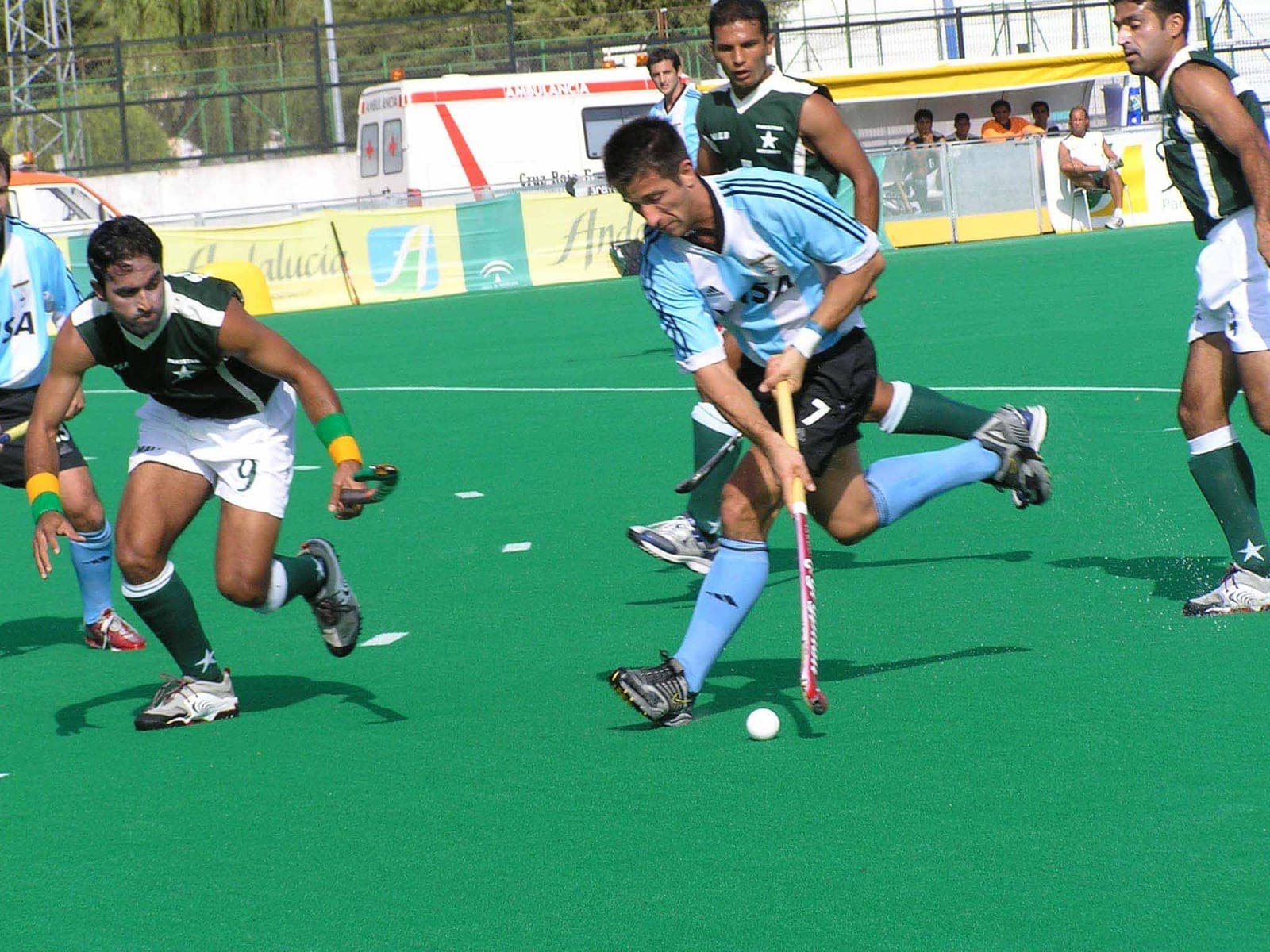
Field Hockey
An outdoor team sport that uses curved sticks to move a ball, built on agility and teamwork.
American Football
A strategic, position-based team sport of set plays, sprinting and coordinated teamwork on a marked field.
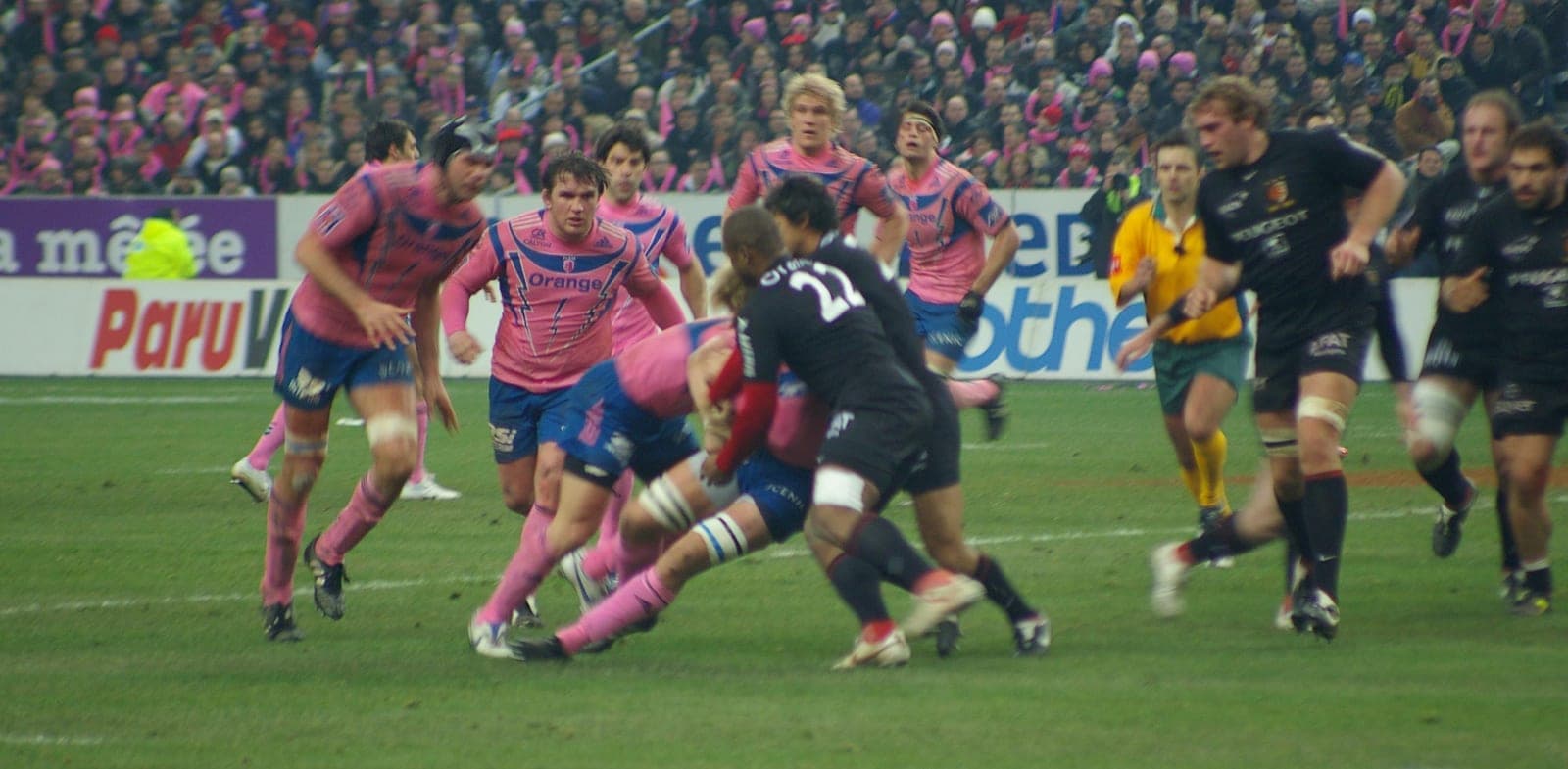
Rugby
A physical team sport of carrying, passing and kicking an oval ball toward the opposing line.
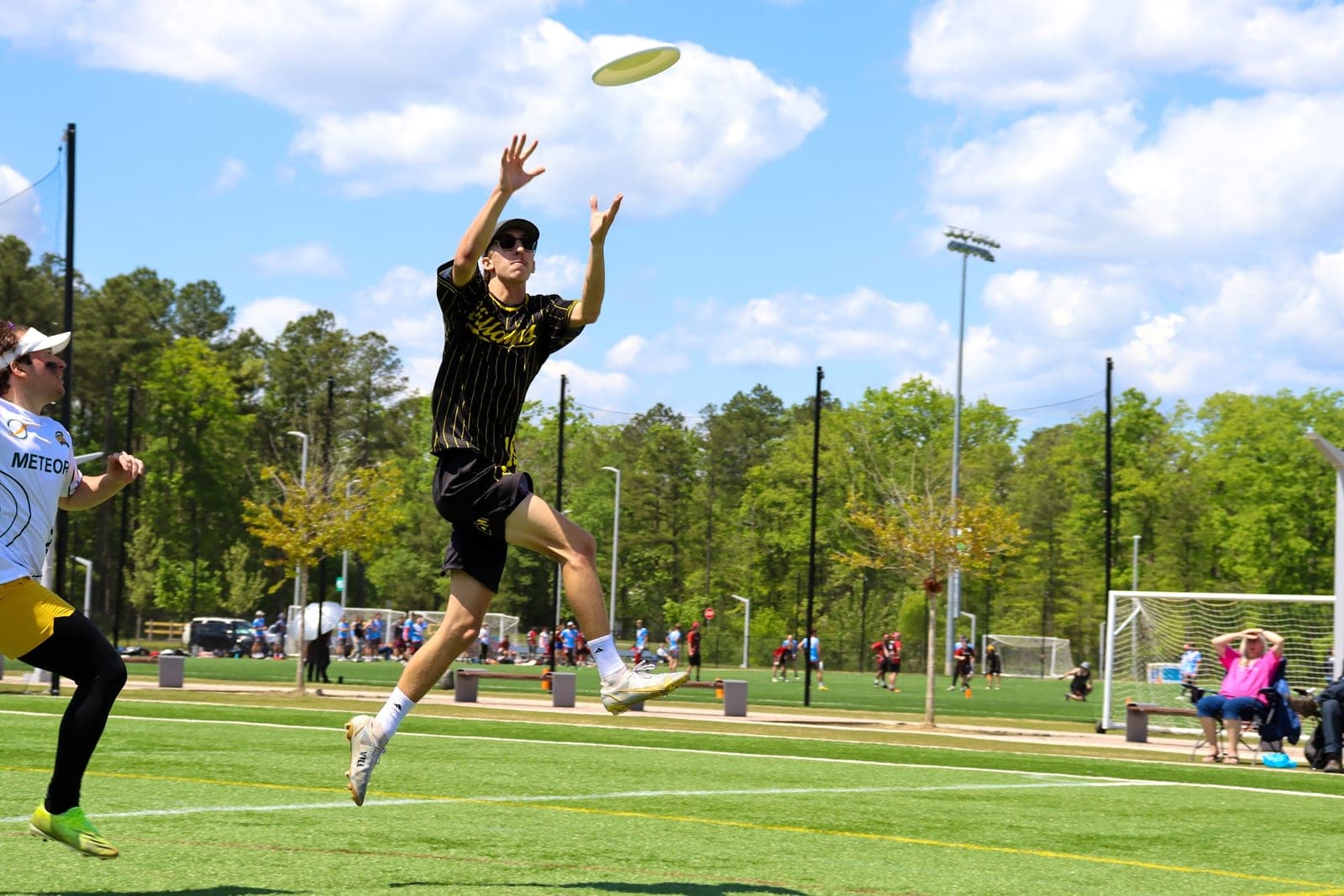
Ultimate Frisbee
A fast, non-contact team sport played with a flying disc, known for constant running and self-refereeing.
Compare Lacrosse with…
Deciding between Lacrosse and something similar? See how they line up side by side.
American Football vs Lacrosse
How they compare on difficulty, intensity, kit and what suits you.
Field Hockey vs Lacrosse
How they compare on difficulty, intensity, kit and what suits you.
Lacrosse vs Rugby
How they compare on difficulty, intensity, kit and what suits you.
Lacrosse vs Ultimate Frisbee
How they compare on difficulty, intensity, kit and what suits you.
How it connects
The meaning-bearing relationships that place Lacrosse in the wider knowledge graph — each one with the reason it exists.
Alternative to
Comparable enough that people choose between them.
- American FootballLacrosse and American Football are close enough that the platform maintains a side-by-side comparison of them.
- Field HockeyLacrosse and Field Hockey are close enough that the platform maintains a side-by-side comparison of them.
- RugbyLacrosse and Rugby are close enough that the platform maintains a side-by-side comparison of them.
- Ultimate FrisbeeLacrosse and Ultimate Frisbee are close enough that the platform maintains a side-by-side comparison of them.
Explore across the knowledge base
Follow the threads that connect Lacrosse to the rest of SocialSportHub.
Movement patterns
- BackpedalControlled backward locomotion performed while facing forward, staying low and pushing off the balls of the feet in short strides to stay reactive and keep play in view.
- CutA sharp, frequently reactive plant-and-redirect performed in a single decisive foot contact to evade an opponent or abruptly alter a line of travel.
- ThrowPropelling an object by releasing it from the hand, driven by a proximal-to-distal kinetic-chain sequence that summates speed from the legs through the trunk and arm to the release point.
Glossary
- End zoneThe scoring area at each end of the field, beyond the goal line. Carrying or catching the ball in it is what scores in gridiron codes.
- Fast breakAn attacking play in basketball where a team pushes the ball up the court quickly to score before the defence is set.
- Goal KickA football (soccer) restart taken from the goal area after the attacking team last touched the ball over the goal line.
- BreakawayA situation where an attacker gets clear of the defenders and races toward the goal with few or no opponents in the way.
- Corner KickA football (soccer) restart taken from the corner arc after the defending team last touched the ball over its own goal line.
Skills Academy
Movement comparisons
- Catch vs ThrowCatch vs Throw: how these two movements differ, what they share, and how to tell them apart — from mechanics to the sports that use them.
- Catch vs ReachCatch vs Reach: how these two movements differ, what they share, and how to tell them apart — from mechanics to the sports that use them.
Go deeper with Lacrosse
Everywhere else on the platform that covers Lacrosse — assembled from what actually references it, so nothing here is a dead end.
Compare it
Head-to-head studies against the entities people actually weigh it against.
Kit it out
Equipment guidance drawn from the graph, with no brands and no affiliate links.
Take it away
Open data and the whole-platform view of this subject.
How this page is maintained
- Content type
- Sport
- Provenance
- Tier A — evergreen educational
- Verified external sources
- 0
- Content updated
- 2026-07-06
Evergreen, first-party explanation — it makes no claim that needs an external source. How we handle sources and reviews.
Keep going
A sport is most rewarding alongside good habits, sensible nutrition and people to share it with. Here is where to go next.
How movement supports body and mind.
Eat well to feel and perform better.
Build routines that stick.
Ways to meet others and play together.
Where to play and what to expect.
Browse the full list by category.