
Communication under pressure
Keeping communication clear, calm and brief when a game is loud, tiring or high-stakes — so the message still lands.
Overview
Communication under pressure is about staying clear when everything makes it harder: crowd noise, fatigue, a tight scoreline, or a chaotic passage of play. Under stress, calls tend to get louder, longer and less clear exactly when teammates most need them short and specific, so the skill is keeping messages simple and calm rather than adding to the noise.
It leans heavily on habits built beforehand — shared words, defined roles, and a captain or experienced player who can steady the talk. What “pressure” looks like and how teams handle it varies by sport, situation and level, and this is a communication skill rather than anything to do with treating anxiety. Clear talk supports composure; it is one factor among many and does not by itself decide the result.
How it works
- It is keeping communication clear, brief and calm when noise, fatigue or the stakes make it hard.
- Under pressure, messages tend to get longer and louder — the skill is doing the opposite and staying specific.
- It relies on habits set in advance: shared words, clear roles and known calls that need little thinking.
- A captain or experienced player often steadies the group's talk when a game gets tense.
- It is a communication skill — not a substitute for coaching or any form of mental-health support — and what pressure looks like varies by sport and situation.
In practice
- In a loud stadium, teams often shorten calls to a single agreed word so a message carries over the noise.
- Late in a tight game, a captain may take on more of the talking to keep teammates organised and calm.
- How pressure is handled varies by sport — an individual player might rely on routine and self-talk, while a team leans on shared, concise calls.
Educational — and it varies
Where it shows up
Sports where this communication is especially visible — each with a clear guide.

Football
The world’s most popular team sport — endless running, teamwork and community in one game.

Basketball
A fast, dynamic team sport of running, jumping and quick decisions on court.
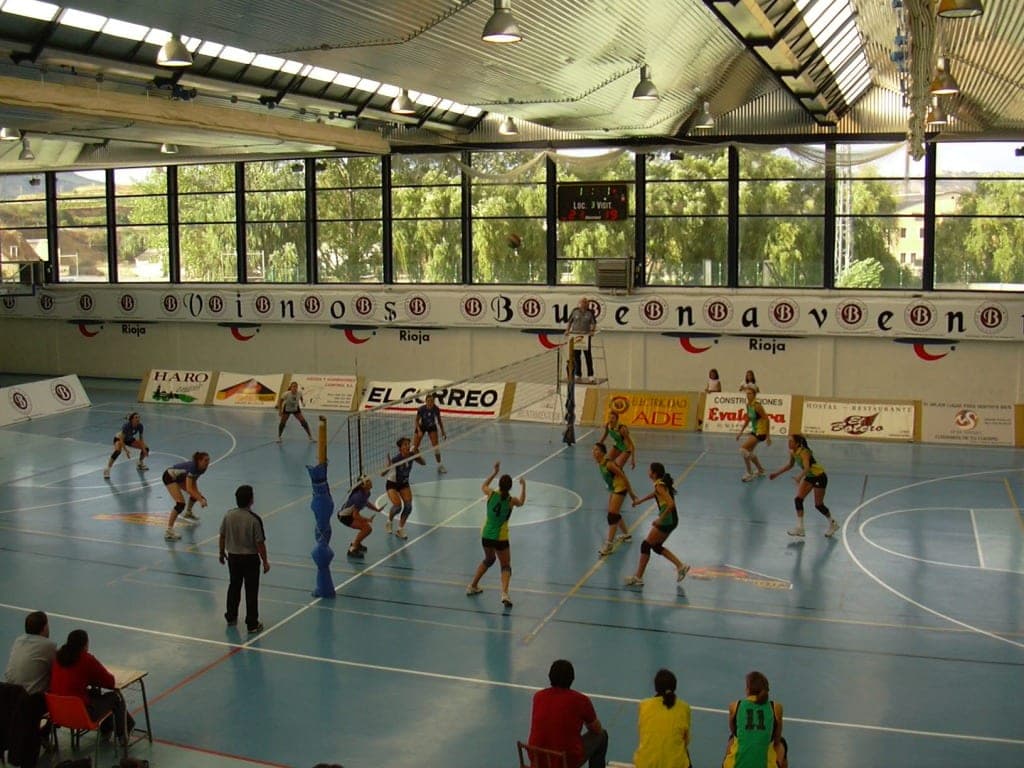
Volleyball
A non-contact team sport of rallies, jumps and teamwork — indoors or on the beach.
Frequently asked questions
How can communication stay clear under pressure?
It tends to help to keep messages short, specific and calm, and to lean on words and roles a team has already agreed, so no one has to think much to be understood. An experienced voice steadying the group can help too, and what works varies by sport and situation. This is a communication habit, not a form of mental-health support.
Explore across the knowledge base
Follow the threads that connect Communication under pressure to the rest of SocialSportHub.
Decision making
- Situational awarenessHolding an overall picture of what is happening around you — teammates, opponents, ball, space and the state of the game — and keeping it updated as play unfolds.
- Time-pressure decisionsChoosing what to do when there is very little time between reading a situation and having to act.
Knowledge Atlas
How this page is maintained
- Content type
- Communication concept
- Provenance
- Tier A — evergreen educational
- Verified external sources
- 0
- Content updated
- 2026-07-12
Evergreen, first-party explanation — it makes no claim that needs an external source. How we handle sources and reviews.