
Muscular endurance
The ability of a muscle group to keep working for many repetitions without tiring.
Overview
Muscular endurance is how long a muscle or group of muscles can keep contracting before fatigue sets in — think repeated strokes when rowing, or holding good form late in a long effort.
It complements cardiovascular endurance: one keeps the whole body going, the other keeps specific muscles going.
Why it matters
- Helps you hold technique together late in a session
- Valuable in rowing, swimming, climbing and bodyweight training
- Supports posture and resistance to everyday muscular fatigue
How to train it
- Use lighter resistance for higher, sustainable repetitions
- Build up the number of reps or the time under effort gradually
- Bodyweight circuits are an accessible way to start
The three energy systems
From brief bursts to sustained effort
- 1
Phosphagen (ATP-PC)
Powers brief, maximal efforts — the most immediate and powerful, but very short-lived.
- 2
Glycolytic
Fuels short, hard efforts and takes over as maximal efforts extend.
- 3
Aerobic
Uses oxygen to sustain prolonged, lower-intensity activity and drives recovery.
Training-intensity zones
A common heart-rate-zone model
- Recovery50–60 % of max HRVery easy; aids recovery and builds an aerobic base.
- Endurance60–70 % of max HRComfortable, conversational aerobic training.
- Tempo70–80 % of max HRModerately hard, sustainable aerobic effort.
- Threshold80–90 % of max HRHard; around the limit you can hold for longer efforts.
- Maximal90–100 % of max HRVery hard, short intervals near maximum.
Sports that build muscular endurance
These sports are especially good for developing this quality.
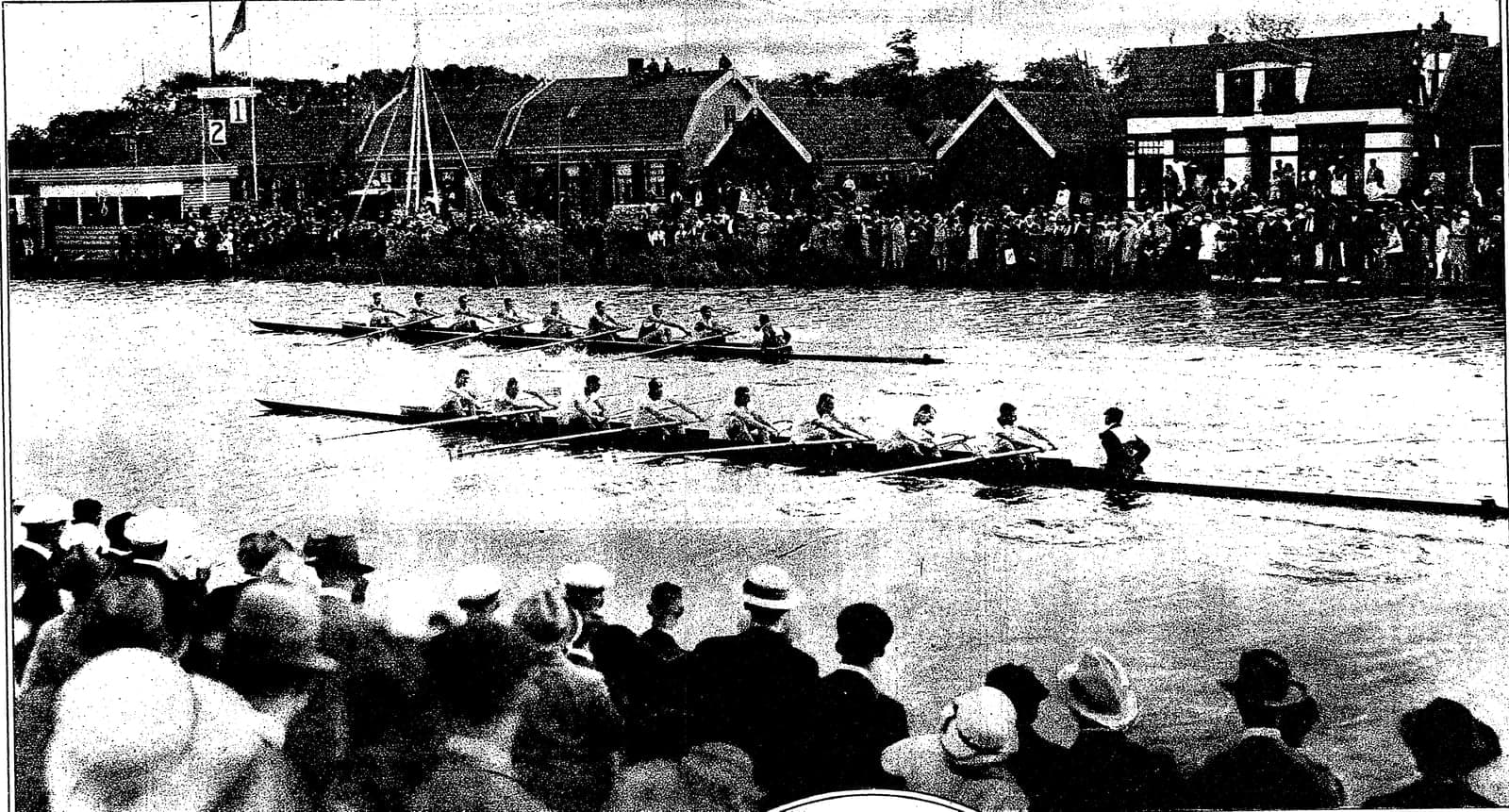
Rowing
A rhythmic, full-body endurance sport on the water or on an indoor machine.
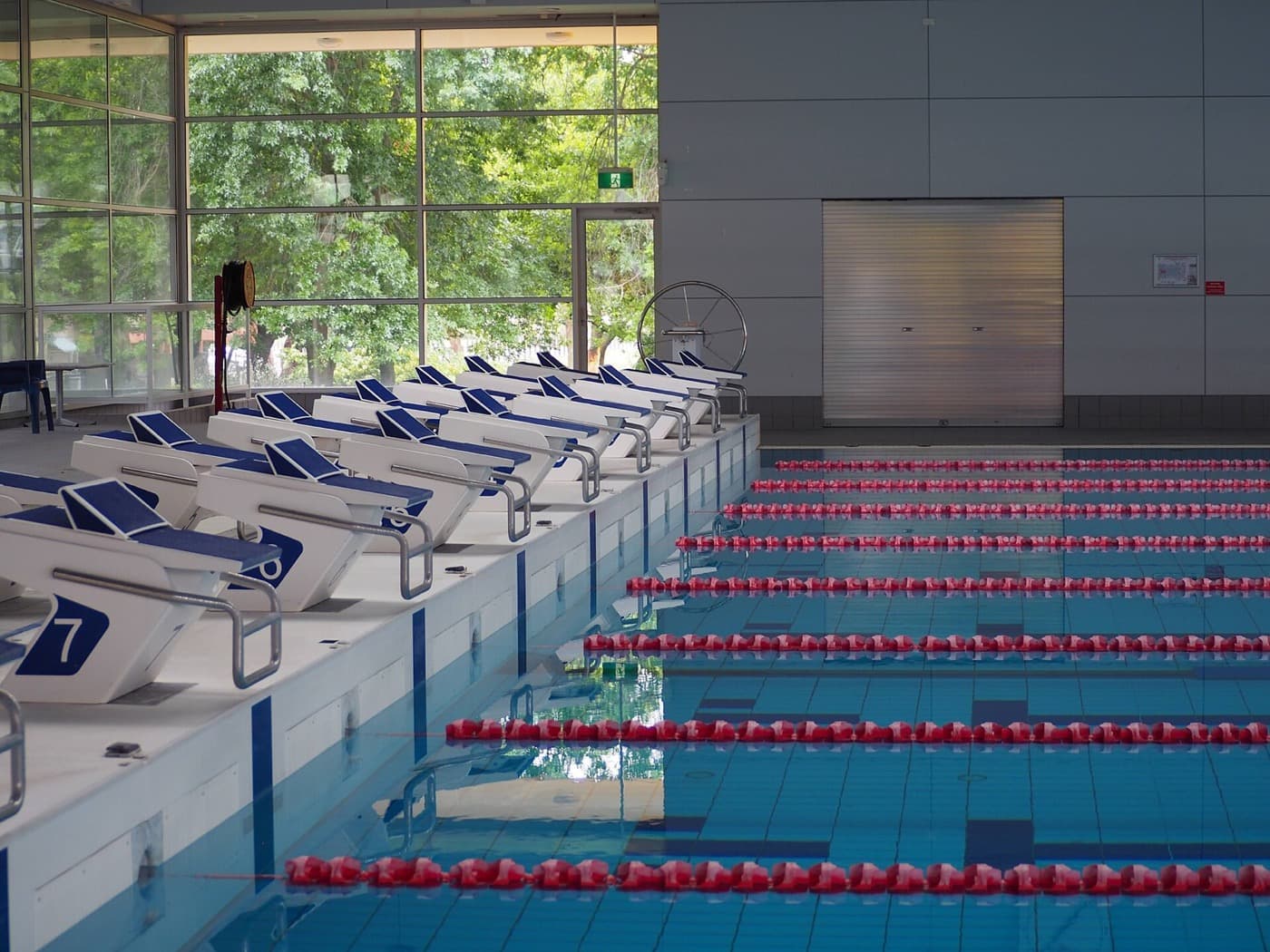
Swimming
A full-body, low-impact endurance sport suitable for almost every age and ability.
Calisthenics
Bodyweight strength training — push-ups, pull-ups, dips and progressions you can do almost anywhere.
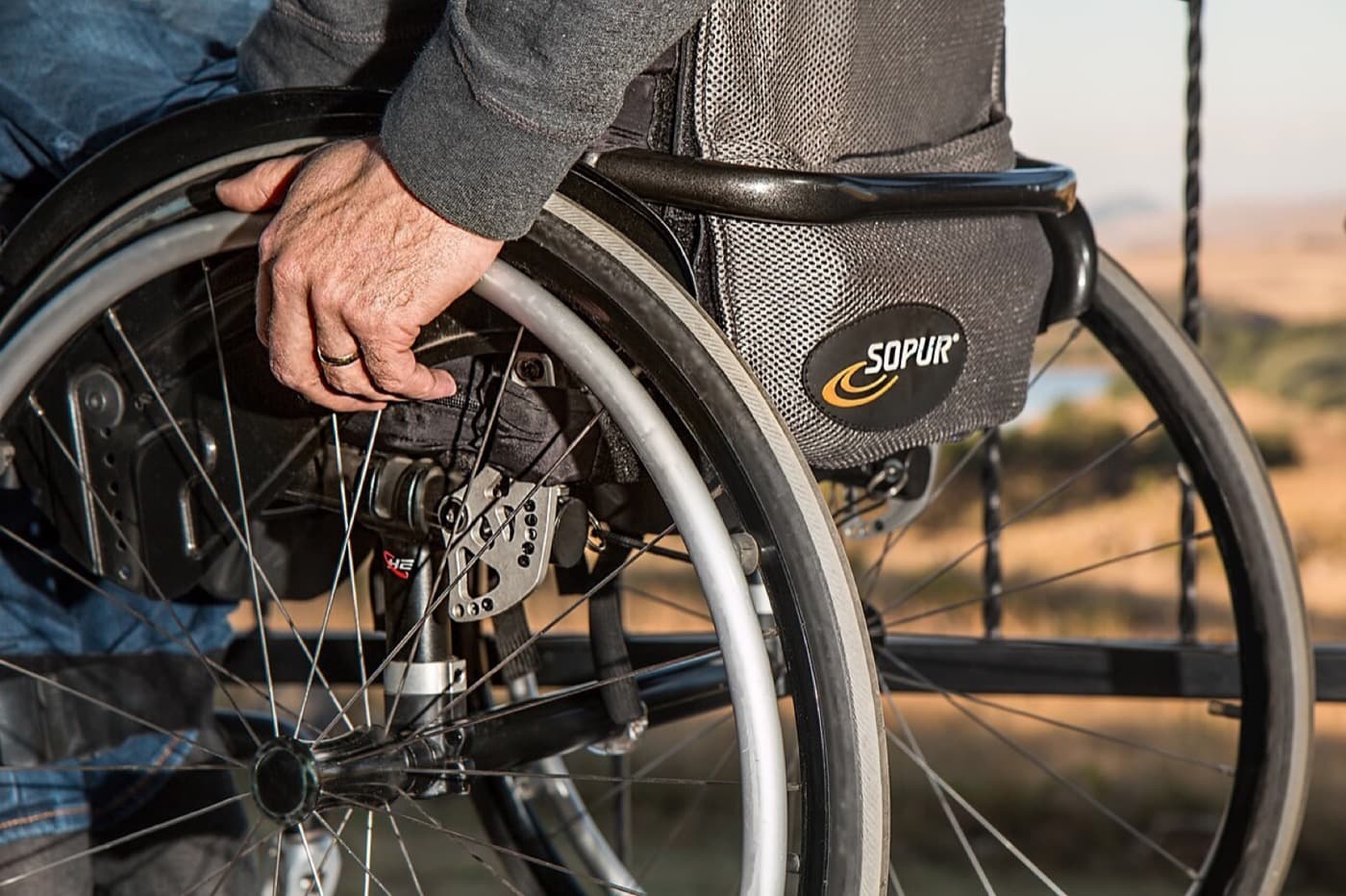
Cycling
A low-impact endurance sport that doubles as transport, exercise and adventure.
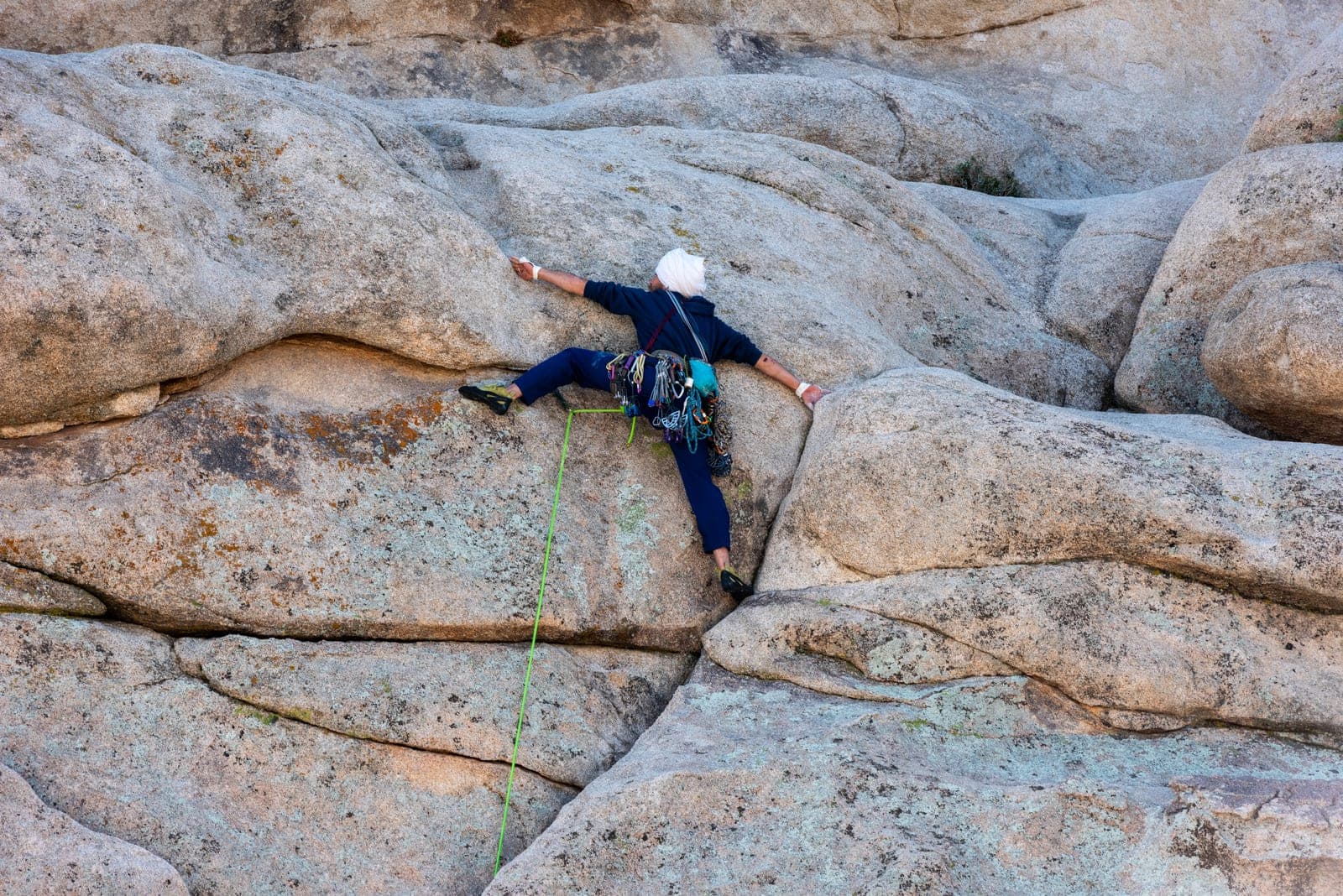
Rock Climbing
A rope-based climbing sport that pairs full-body strength with focus and careful technique, indoors or on rock.
Train it: exercises & methods
Ways to develop muscular endurance — educational, not a prescription.
Wall sit
A holding exercise where you sit against a wall with no chair, holding a squat position still.
Mountain climber
A dynamic exercise where you drive your knees toward your chest one at a time from a plank.
Burpee
A full-body exercise combining a squat, a plank, and a jump in one flowing movement.
Jumping jack
A rhythmic cardio move where you jump the feet out and swing the arms overhead, then back in.
High knees
A running-in-place cardio drill where you lift the knees high with a quick rhythm.
Jump rope
A cardio exercise where you swing a rope under your feet and jump over it in a steady rhythm.
Explore across the knowledge base
Follow the threads that connect Muscular endurance to the rest of SocialSportHub.
Goals
- Lose weightCombine regular, enjoyable movement with balanced habits to work toward a healthier weight in a way that lasts.
- Improve fitnessBuild well-rounded fitness — stamina, strength and more — through regular, varied activity you can keep up.
- Become more activeAdd regular, gentle movement to your everyday life and build up from a sedentary start at your own pace.
- Build an active lifestyleMake movement a natural, lasting part of daily life through activities and habits you genuinely enjoy.
- Improve cardiovascular healthRegular activity is widely linked with supporting heart and circulatory health as part of a balanced routine.
Disciplines
- FreestyleFreestyle is the fastest swimming stroke, swum face-down with an alternating arm pull and flutter kick — the stroke most people picture when they think of swimming.
- Individual medleyThe individual medley (IM) combines all four strokes in a set order — butterfly, backstroke, breaststroke, then freestyle — testing all-round swimming across a single event.
- DistanceDistance racing covers longer courses over laps or point-to-point routes, testing sustained endurance in classic or skate technique.
- Road CyclingRoad cycling covers riding and racing on paved roads, from mass-start races and time trials to multi-day stage events.
- Gravel CyclingGravel cycling is riding and racing on unpaved roads and mixed surfaces on a drop-bar bike, often over long distances and self-supported.
Sports science
- Movement efficiencyHow economically the body performs a movement — achieving the goal with the least wasted effort.
- Energy systemsHow the body supplies energy for movement — the different pathways that power everything from an explosive jump to a long, steady run.
- Aerobic and anaerobic energyThe difference between energy the body produces with oxygen and energy it produces without it — a core idea behind why different efforts feel and last so differently.
- SupercompensationA widely taught model of how the body, after a bout of training and enough recovery, can rebuild to a slightly higher level than before.
- Recovery and adaptationThe idea that the body adapts during recovery, not during the effort itself — which is why rest is treated as part of training rather than a break from it.
People
- StudentsHow sport can fit around study, a tight budget and a changing timetable to support focus, energy and social life.
- Busy professionalsHow time-efficient sport can fit a packed schedule to protect fitness, energy and stress relief.
- Weekend athletesHow to enjoy recreational sport on weekends while staying comfortable and consistent through the week.
- TravelersHow to stay active on the move with minimal-equipment sport that works almost anywhere.
- ParentsHow busy parents can fit sport around family life with flexible, home-friendly and time-efficient options.
Lifestyle
- OutdoorsSport and activity in the fresh air — running, cycling, hiking and more, using parks, trails and open space.
- On vacationKeeping active while travelling — pool swims, walks, hikes and water sports that fit a holiday, not a routine.
- In summerWarm-weather sport — water activities, early-morning sessions and outdoor games that make the most of long days.
- 20 minutesTwenty minutes is enough for a solid, focused workout — a proper run, an interval session or a full-body circuit.
- 30 minutesA half-hour is enough for a proper, well-rounded session across many sports and workouts.
Barriers
- An unpredictable scheduleWhen no two weeks look the same, sport needs to be flexible and portable rather than tied to a fixed class time.
- Always travellingWhen you are often away from home, sport has to travel with you — bodyweight options, hotel-room routines and activity that needs no local club.
- Nothing nearbyWhen there is no local club or facility, self-directed and home-based activity — plus a wider search — keeps sport within reach.
- Worried about costWhen money is tight, free and low-cost activity — walking, running, bodyweight training — proves that sport does not have to be expensive.
Go deeper with Muscular endurance
Everywhere else on the platform that covers Muscular endurance — assembled from what actually references it, so nothing here is a dead end.
Compare it
Head-to-head studies against the entities people actually weigh it against.
Take it away
Open data and the whole-platform view of this subject.
How this page is maintained
- Content type
- Physical quality
- Provenance
- Tier A — evergreen educational
- Verified external sources
- 0
- Content updated
- 2026-09-01
Evergreen, first-party explanation — it makes no claim that needs an external source. How we handle sources and reviews.