
Agility
Changing direction quickly and under control while staying balanced — decelerating, reorienting and re-accelerating without losing your feet.
Overview
Agility is the ability to start, stop and change direction rapidly without losing balance or control. It blends speed, coordination, balance and quick decision-making.
It is central to sports where you react to a ball, an opponent or the play unfolding around you.
Why it matters
- Essential in racquet sports, team sports and combat sports
- Helps you react and reposition quickly
- Supports balance and coordination in everyday movement
How to train it
- Practise controlled changes of direction, building up speed gradually
- Footwork drills and reactive games sharpen it naturally
- Strong legs and a stable core make sharp changes safer
Changing direction
The phases behind agility
- 1
Read
Pick up the cue that a change is needed — in a game, this is the part that is genuinely hard.
- 2
Decelerate
Absorb and control existing speed. You can only redirect momentum you have taken charge of.
- 3
Plant
Place a foot outside the line of travel and lower the centre of mass to push against.
- 4
Reorient
Turn the hips, trunk and eyes toward the new direction.
- 5
Re-accelerate
Drive out along the new line. Exit speed is what the whole sequence was for.
Sports that build agility
These sports are especially good for developing this quality.
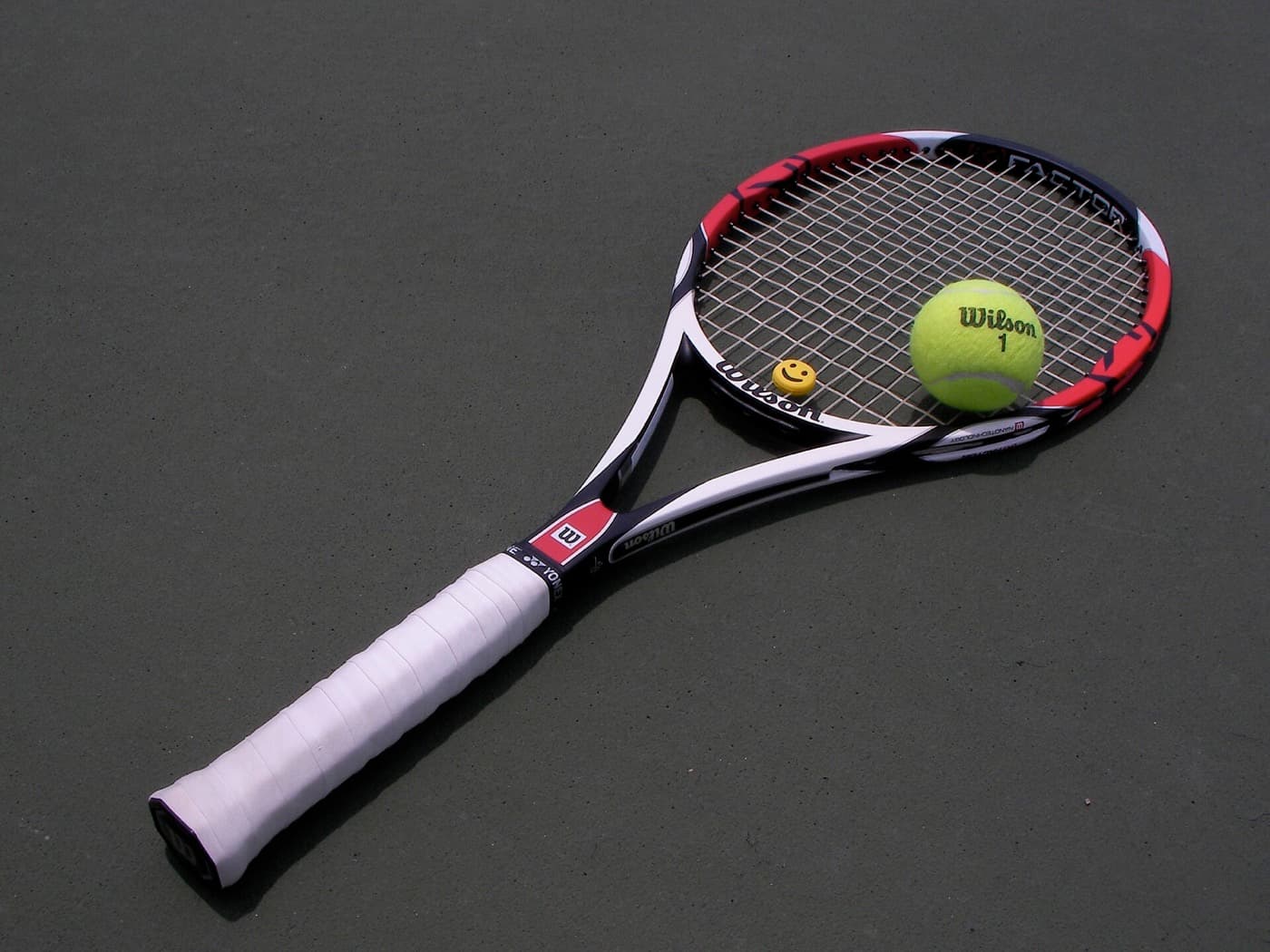
Tennis
A singles or doubles racquet sport that blends agility, strategy and stamina on court.
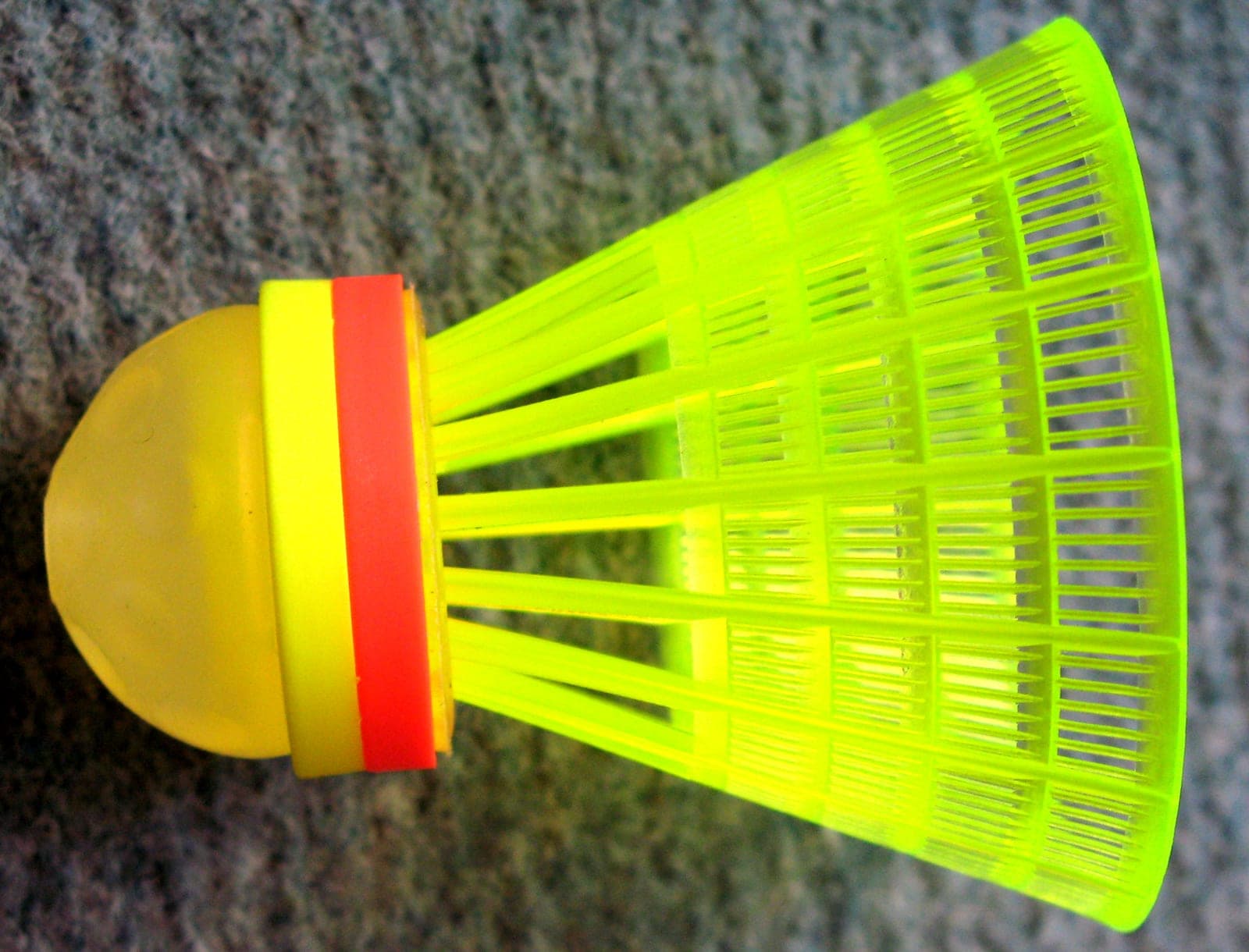
Badminton
A fast indoor racquet sport played with a shuttlecock that rewards agility and touch.
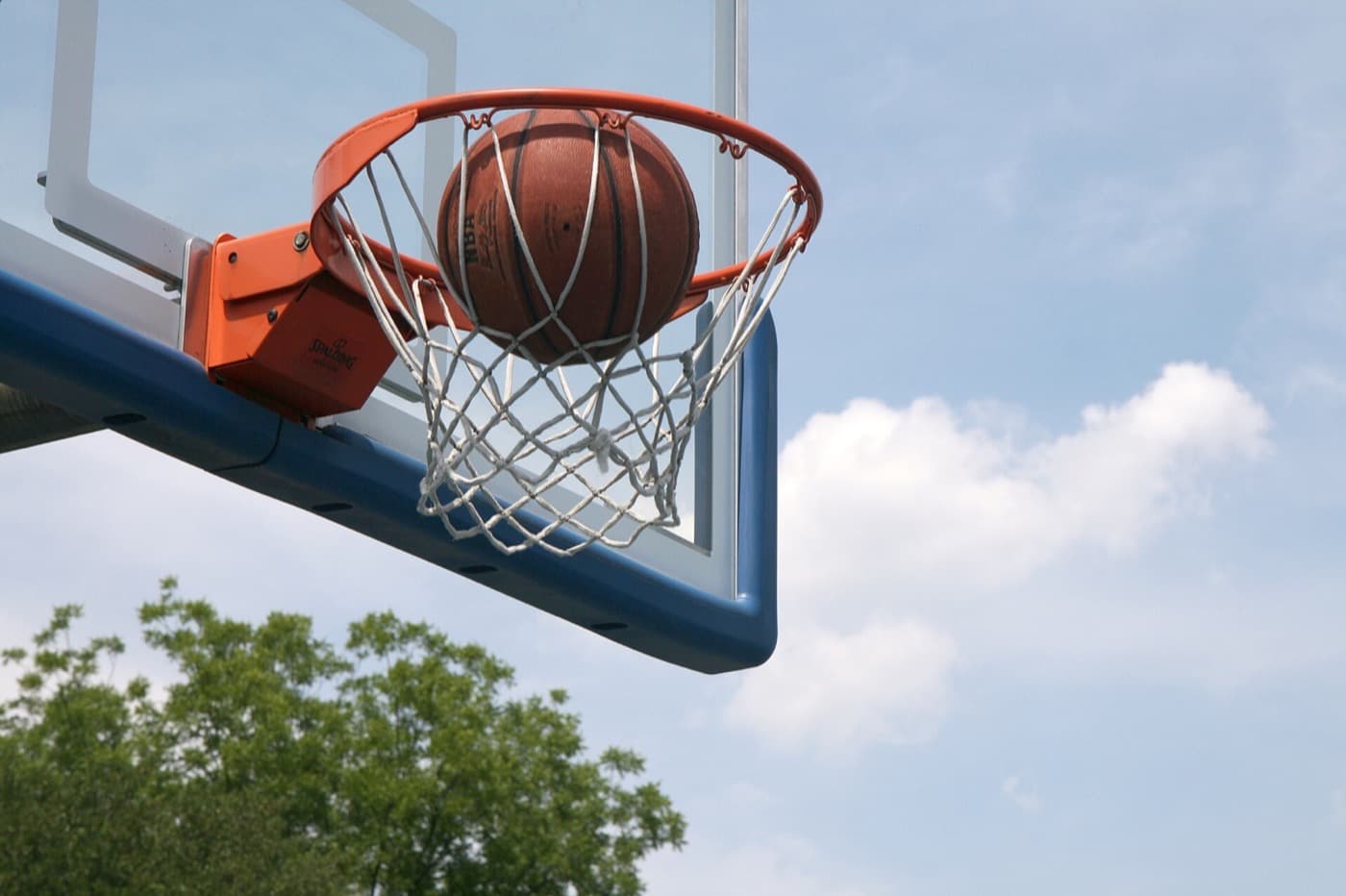
Basketball
A fast, dynamic team sport of running, jumping and quick decisions on court.
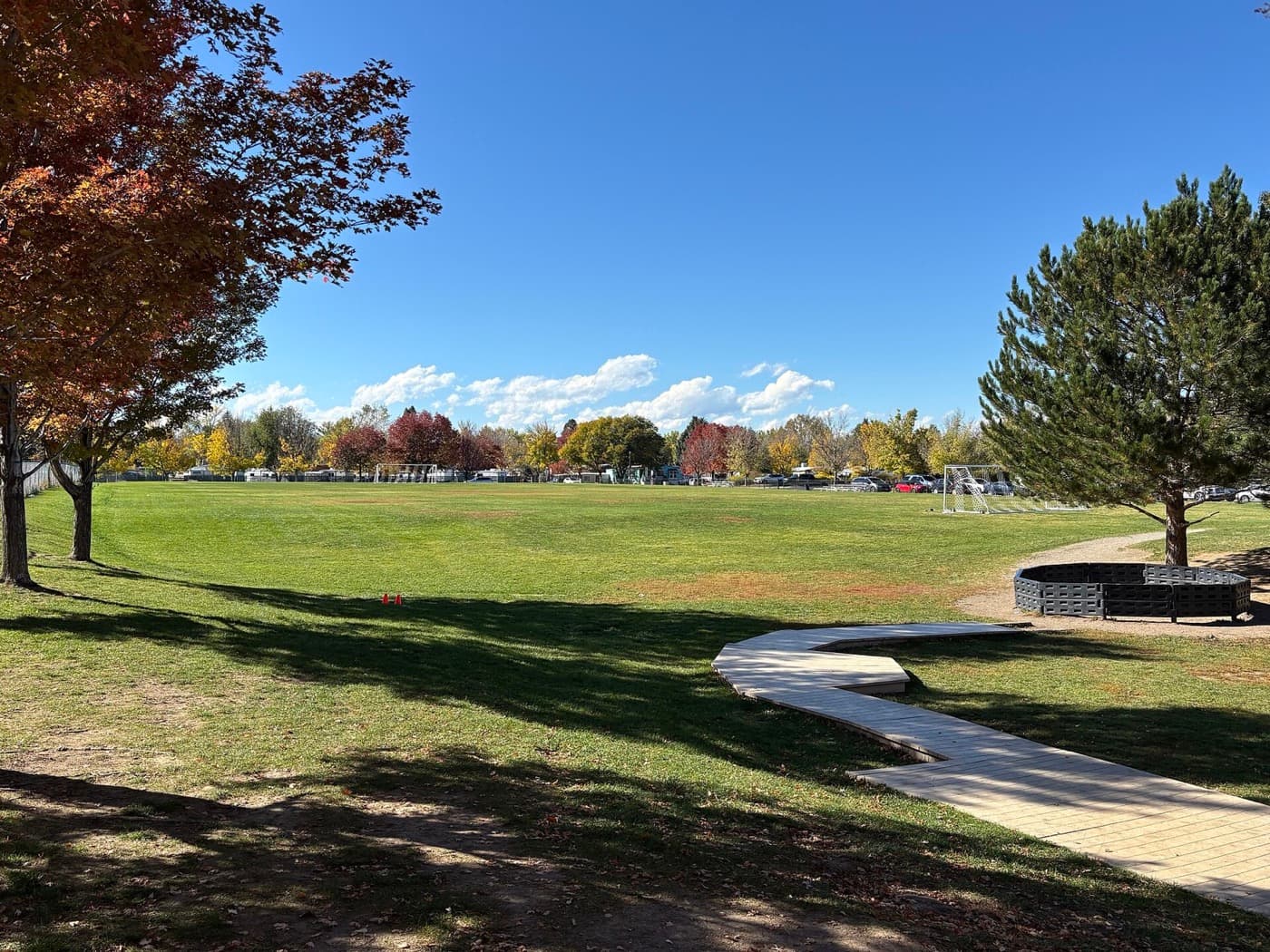
Football
The world’s most popular team sport — endless running, teamwork and community in one game.
Squash
A fast, high-intensity indoor racquet sport played inside an enclosed court where the walls stay in play.
Train it: exercises & methods
Ways to develop agility — educational, not a prescription.
How it connects
The meaning-bearing relationships that place Agility in the wider knowledge graph — each one with the reason it exists.
Frequently learned together
Taught side by side in the same stage of a learning path.
- CoordinationBoth are taught in the “Train your body for it” stage of the Tennis learning path.
- Reaction timeBoth are taught in the “Train your body for it” stage of the Badminton learning path.
- PlyometricsBoth are taught in the “Train your body for it” stage of the Football learning path.
- How to warm upBoth are taught in the “Train your body for it” stage of the Football learning path.
- Cardiovascular enduranceBoth are taught in the “Train your body for it” stage of the Football learning path.
Explore across the knowledge base
Follow the threads that connect Agility to the rest of SocialSportHub.
Goals
- Improve coordinationSharpen how smoothly your body works together — like tracking and hitting a ball — through skill practice.
- Improve agilityChange direction quickly and under control — the quality behind stopping, turning and accelerating again without losing balance.
- Improve reaction speedRespond faster to what you see, hear and feel by training with fast, unpredictable activities and drills.
- Sports for childrenAge-appropriate, fun ways for children to be active, with guidance and supervision where sensible.
- Sports for teenagersSports and activities that suit teenagers, from team games to individual pursuits.
Disciplines
- KumiteKumite is the sparring discipline of karate, in which two athletes exchange controlled strikes and kicks under judged rules.
- Freestyle WrestlingAn Olympic wrestling style where wrestlers may attack the legs and use holds below the waist to take down and pin their opponent.
- FoilFoil is a fencing weapon in which touches are scored only with the point on the opponent's torso, governed by right-of-way rules.
- ÉpéeÉpée is a fencing weapon with point-only touches valid anywhere on the body and no right-of-way, so both fencers can score at once.
- SabreSabre is a fencing weapon scored with the edge and the point on targets above the waist, governed by right-of-way and known for its speed.
Movement patterns
- AccelerationThe athletic pattern of building speed from a standing or slow start by driving large horizontal forces into the ground to project the body forward.
- BackpedalControlled backward locomotion performed while facing forward, staying low and pushing off the balls of the feet in short strides to stay reactive and keep play in view.
- BoundAn exaggerated, horizontal springing stride that transfers from one leg to the opposite leg with a long flight phase, amplifying the mechanics of running.
- CatchReceiving a moving object and securing it under control, absorbing its momentum by yielding along its path so kinetic energy is dissipated rather than rebounded away.
- Change of DirectionA planned redirection of the body from one movement vector to another, requiring an athlete to decelerate existing momentum and reaccelerate along a new line between two known points.
Sports science
- Motor learningThe process by which practice and experience produce lasting improvements in how well a movement skill can be performed.
- Reaction timeThe short delay between a signal and the start of the movement made in response to it.
- The learning curveThe typical pattern in which a new skill improves quickly at first and then more slowly as it develops.
People
- ChildrenHow sport can fit into a child’s life through play, variety and supported, age-appropriate movement.
- TeenagersHow sport can fit into a teenager’s life for fitness, friendship, confidence and healthy routines, with supervision.
- StudentsHow sport can fit around study, a tight budget and a changing timetable to support focus, energy and social life.
- Weekend athletesHow to enjoy recreational sport on weekends while staying comfortable and consistent through the week.
- FamiliesHow families can be active together with inclusive, all-ages sports that make movement social and fun.
Lifestyle
- OutdoorsSport and activity in the fresh air — running, cycling, hiking and more, using parks, trails and open space.
- In summerWarm-weather sport — water activities, early-morning sessions and outdoor games that make the most of long days.
- In winterCold-weather sport — snow activities, indoor training and warm-up-first sessions for short, chilly days.
- On a rainy dayIndoor options for wet weather — pool sessions, indoor courts, home routines and gym work when going out is off.
- 1 hourA full hour opens up almost any sport, from a proper game to a longer ride, run or gym session.
Go deeper with Agility
Everywhere else on the platform that covers Agility — assembled from what actually references it, so nothing here is a dead end.
Learn it
Structured courses and paths on the platform that cover this directly.
Compare it
Head-to-head studies against the entities people actually weigh it against.
Take it away
Open data and the whole-platform view of this subject.
How this page is maintained
- Content type
- Physical quality
- Provenance
- Tier A — evergreen educational
- Verified external sources
- 0
- Content updated
- 2026-09-01
Evergreen, first-party explanation — it makes no claim that needs an external source. How we handle sources and reviews.