
Biomechanics
The scientific study of the mechanical principles, such as forces, motion and structure, that govern how living bodies move.
Definition
Biomechanics applies the laws of physics and mechanics to living organisms, analysing how muscles, bones and joints produce and resist forces to create movement. In sport it explains why a particular technique is efficient, how forces travel through the kinetic chain, and how factors such as centre of gravity and leverage affect performance.
Practitioners use tools such as high-speed video, force plates and motion capture to measure movement objectively, informing coaching and technique refinement. As a field it sits at the intersection of anatomy, physics and engineering, and it underlies many of the other concepts in this glossary.
Where you’ll hear “biomechanics”
Sports that use this term:
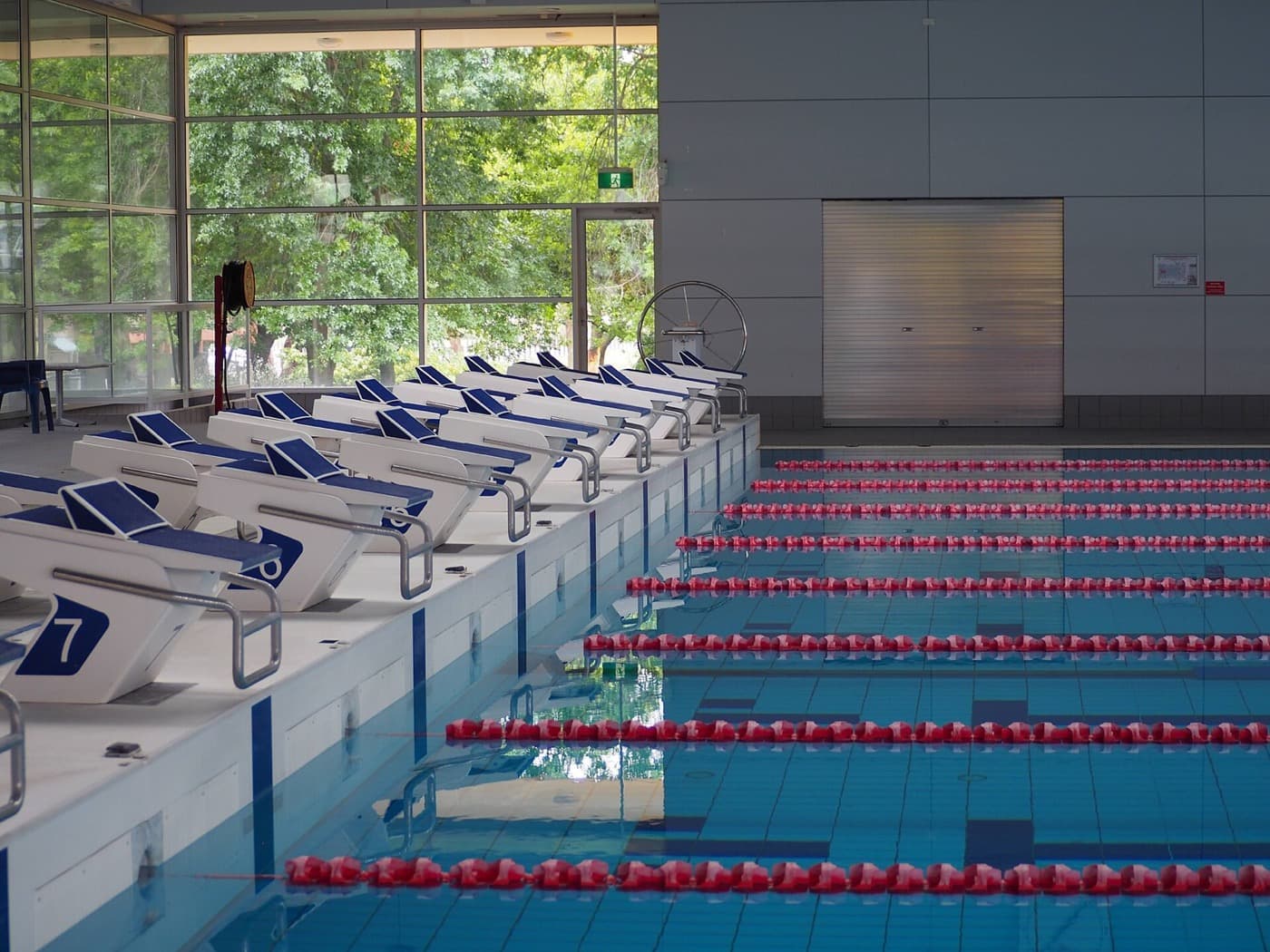
Swimming
A full-body, low-impact endurance sport suitable for almost every age and ability.
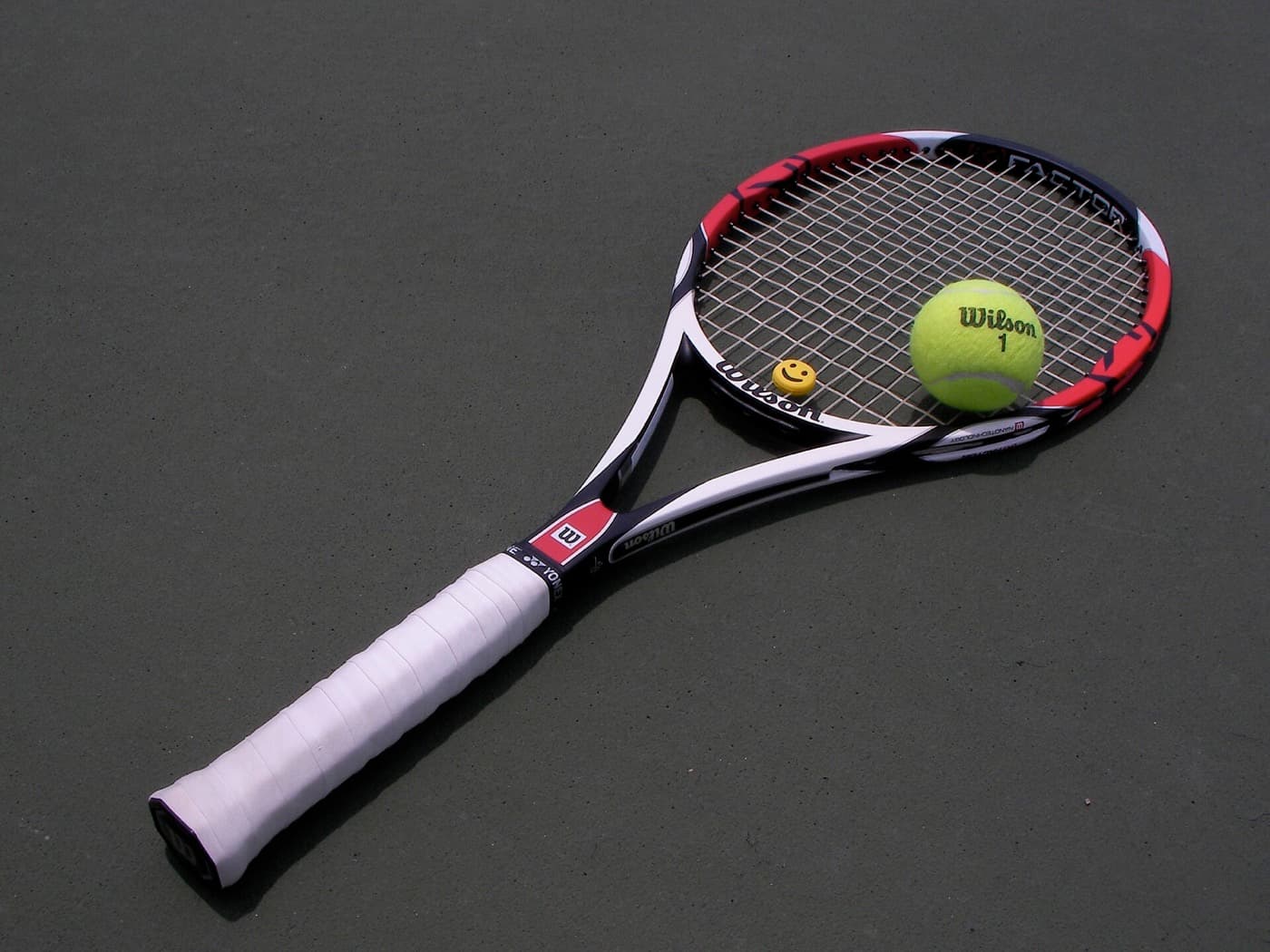
Tennis
A singles or doubles racquet sport that blends agility, strategy and stamina on court.
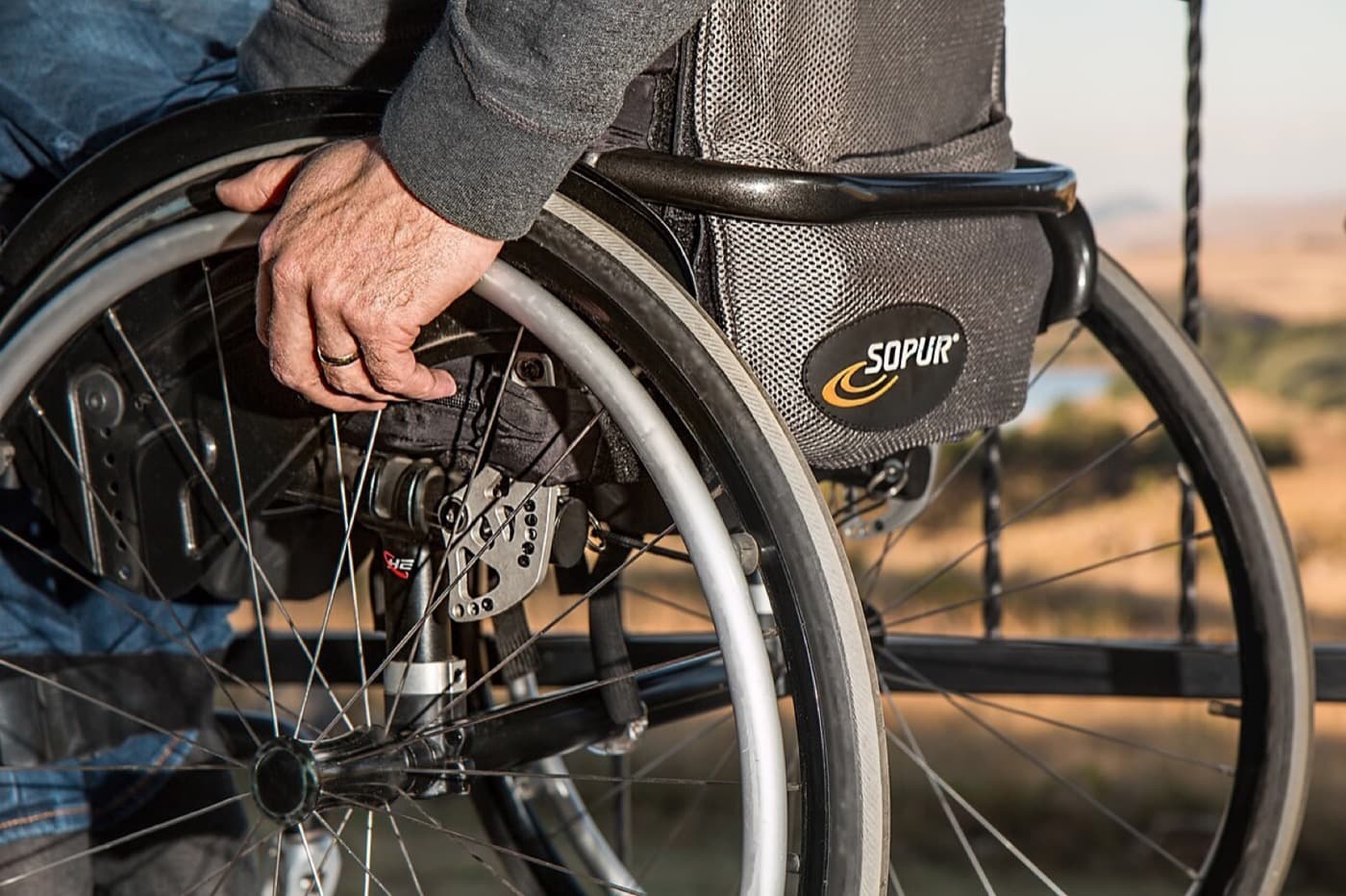
Cycling
A low-impact endurance sport that doubles as transport, exercise and adventure.

Fitness
Strength and general fitness training — the foundation that supports every other sport.
Explore across the knowledge base
Follow the threads that connect Biomechanics to the rest of SocialSportHub.
Sports science
Knowledge Atlas
Movement comparisons
- Landing vs SquatLanding vs Squat: how these two movements differ, what they share, and how to tell them apart — from mechanics to the sports that use them.
- Glide vs SlideGlide vs Slide: how these two movements differ, what they share, and how to tell them apart — from mechanics to the sports that use them.
- Lunge vs ReachLunge vs Reach: how these two movements differ, what they share, and how to tell them apart — from mechanics to the sports that use them.
- Kick vs LungeKick vs Lunge: how these two movements differ, what they share, and how to tell them apart — from mechanics to the sports that use them.
- Jump vs LandingJump vs Landing: how these two movements differ, what they share, and how to tell them apart — from mechanics to the sports that use them.
Movement patterns
- AccelerationThe athletic pattern of building speed from a standing or slow start by driving large horizontal forces into the ground to project the body forward.
- SlideA slide is a controlled, low-friction skid of the body or foot along a surface, used to brake, extend reach, or hold a line, where managed friction and a lowered centre of gravity govern the movement.
- DecelerationThe athletic pattern of actively braking and absorbing momentum to slow or stop under control, producing eccentric forces that oppose the direction of travel.
Go deeper with Biomechanics
Everywhere else on the platform that covers Biomechanics — assembled from what actually references it, so nothing here is a dead end.
Take it away
Open data and the whole-platform view of this subject.
How this page is maintained
- Content type
- Term
- Provenance
- Tier A — evergreen educational
- Verified external sources
- 0
- Content updated
- 2026-09-01
Evergreen, first-party explanation — it makes no claim that needs an external source. How we handle sources and reviews.