
Kinetic Chain
The concept that the body's segments act as a linked chain, transferring force from one joint to the next during movement.
Definition
The kinetic chain describes how bones, joints and muscles connect so that motion or force at one segment influences the others. In a tennis serve, energy generated in the legs and hips is passed up through the trunk and out through the arm; in a football kick the same energy passes through the trunk and out through the swinging leg and foot. In each case the links add to the final speed in a sequence often called the summation of forces.
Coaches distinguish open-chain movements, where the end segment such as the hand or foot moves freely, from closed-chain movements, where it is fixed against a surface as in a squat or push-up. Understanding the chain helps explain why efficient technique relies on coordinated timing across the whole body rather than isolated strength.
Where you’ll hear “kinetic chain”
Sports that use this term:

Tennis
A singles or doubles racquet sport that blends agility, strategy and stamina on court.
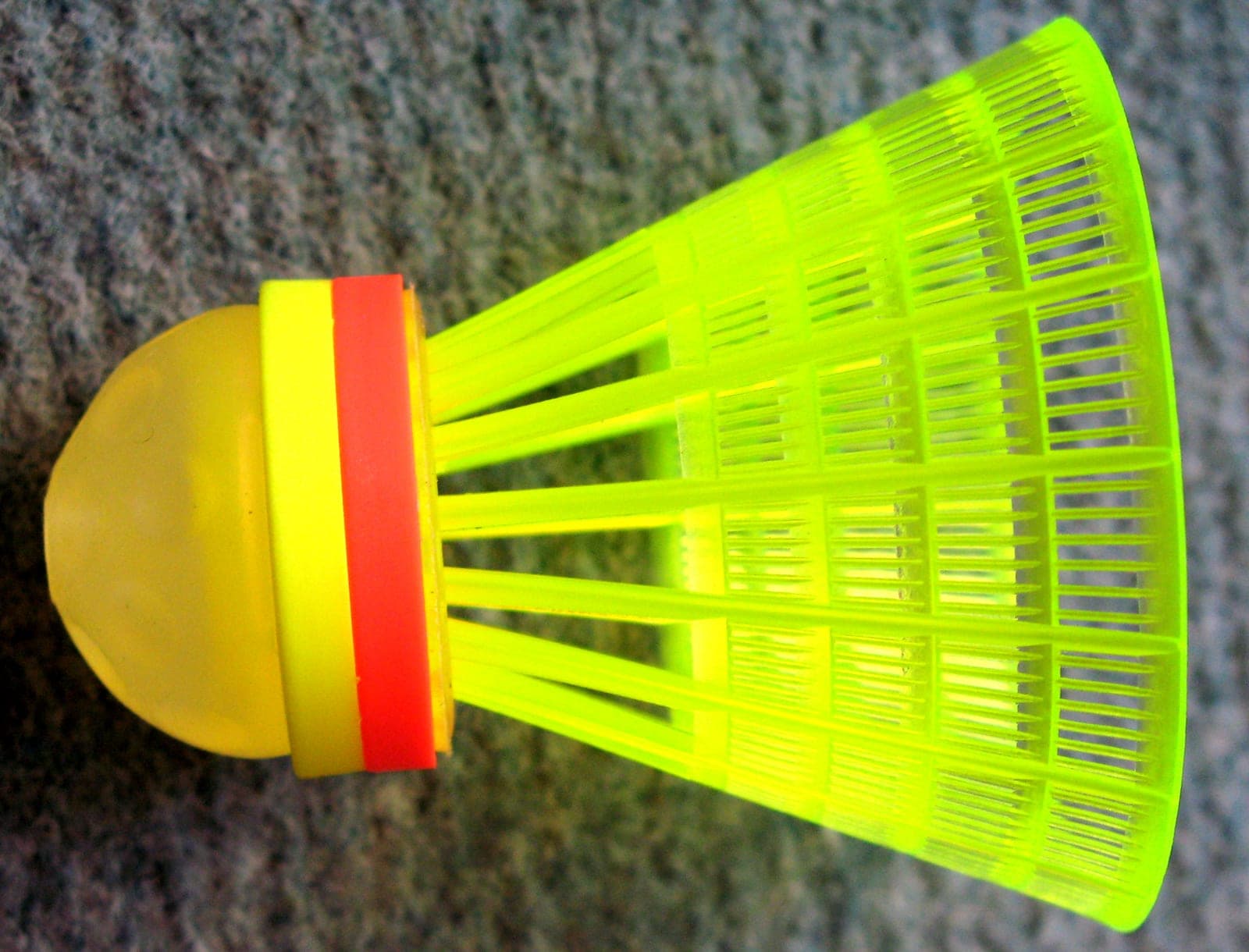
Badminton
A fast indoor racquet sport played with a shuttlecock that rewards agility and touch.

Swimming
A full-body, low-impact endurance sport suitable for almost every age and ability.

Football
The world’s most popular team sport — endless running, teamwork and community in one game.

Volleyball
A non-contact team sport of rallies, jumps and teamwork — indoors or on the beach.
Explore across the knowledge base
Follow the threads that connect Kinetic Chain to the rest of SocialSportHub.
Go deeper with Kinetic Chain
Everywhere else on the platform that covers Kinetic Chain — assembled from what actually references it, so nothing here is a dead end.
Take it away
Open data and the whole-platform view of this subject.
How this page is maintained
- Content type
- Term
- Provenance
- Tier A — evergreen educational
- Verified external sources
- 0
- Content updated
- 2026-09-01
Evergreen, first-party explanation — it makes no claim that needs an external source. How we handle sources and reviews.