
Range of motion
How far a joint can travel through its movement — the arc available at a joint, and the foundation of flexibility and mobility.
Overview
Range of motion, often shortened to ROM, is how far a joint can travel through its natural movement — the arc available at the hip, shoulder or ankle, for example. It is shaped by the structure of the joint itself and by the surrounding muscles and connective tissue, so it varies from joint to joint and from person to person.
Range of motion is the foundation beneath flexibility and mobility, but the words are not interchangeable: flexibility usually refers to how far tissues can lengthen, while mobility describes range that can be actively used and controlled. How much range is useful depends on the sport and the individual, and anything to do with a specific joint or discomfort is best discussed with a qualified professional.
The science
- Range of motion is the arc a joint can move through.
- It is influenced by joint structure and the surrounding muscles and tissues.
- Flexibility usually refers to tissue length; mobility to usable, controlled range.
- Range that can be actively controlled tends to matter more in sport than passive range alone.
- How much range is useful is specific to the person and the task.
The RAMP warm-up
A structured way to prepare for activity
- 1
Raise
Gently raise heart rate, breathing, blood flow and muscle temperature.
- 2
Activate
Switch on the key muscles you will rely on.
- 3
Mobilise
Move the joints through the ranges the activity demands.
- 4
Potentiate
Build up to activity-specific, higher-intensity movement.
Why it matters
- Many techniques rely on reaching and controlling particular positions.
- It connects the flexibility and mobility qualities to real movement.
- It helps explain why warm-ups and mobility work prepare the joints for a session.
Educational only
Where it shows up
Sports where this concept is especially visible — each with a clear guide.
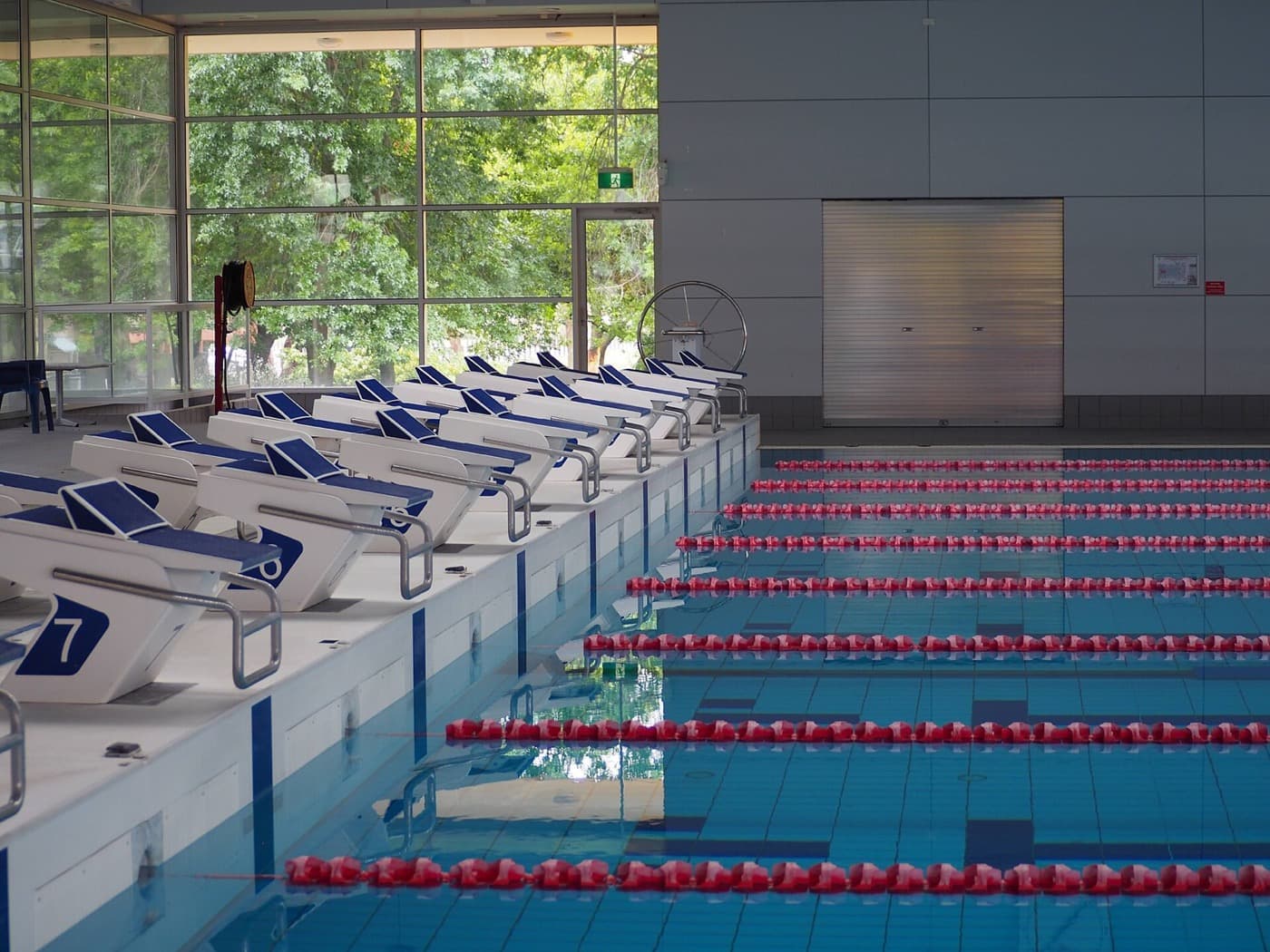
Swimming
A full-body, low-impact endurance sport suitable for almost every age and ability.
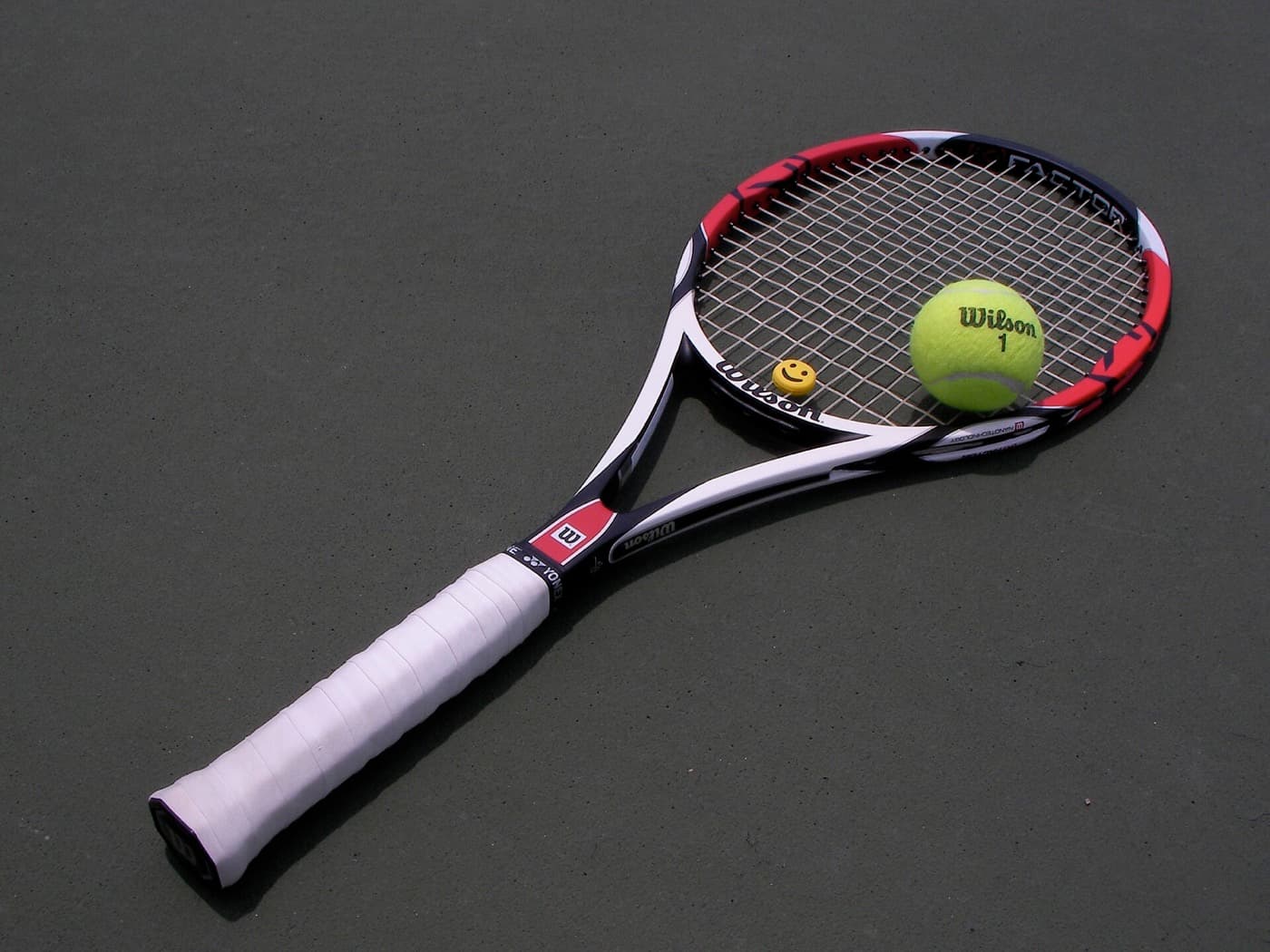
Tennis
A singles or doubles racquet sport that blends agility, strategy and stamina on court.
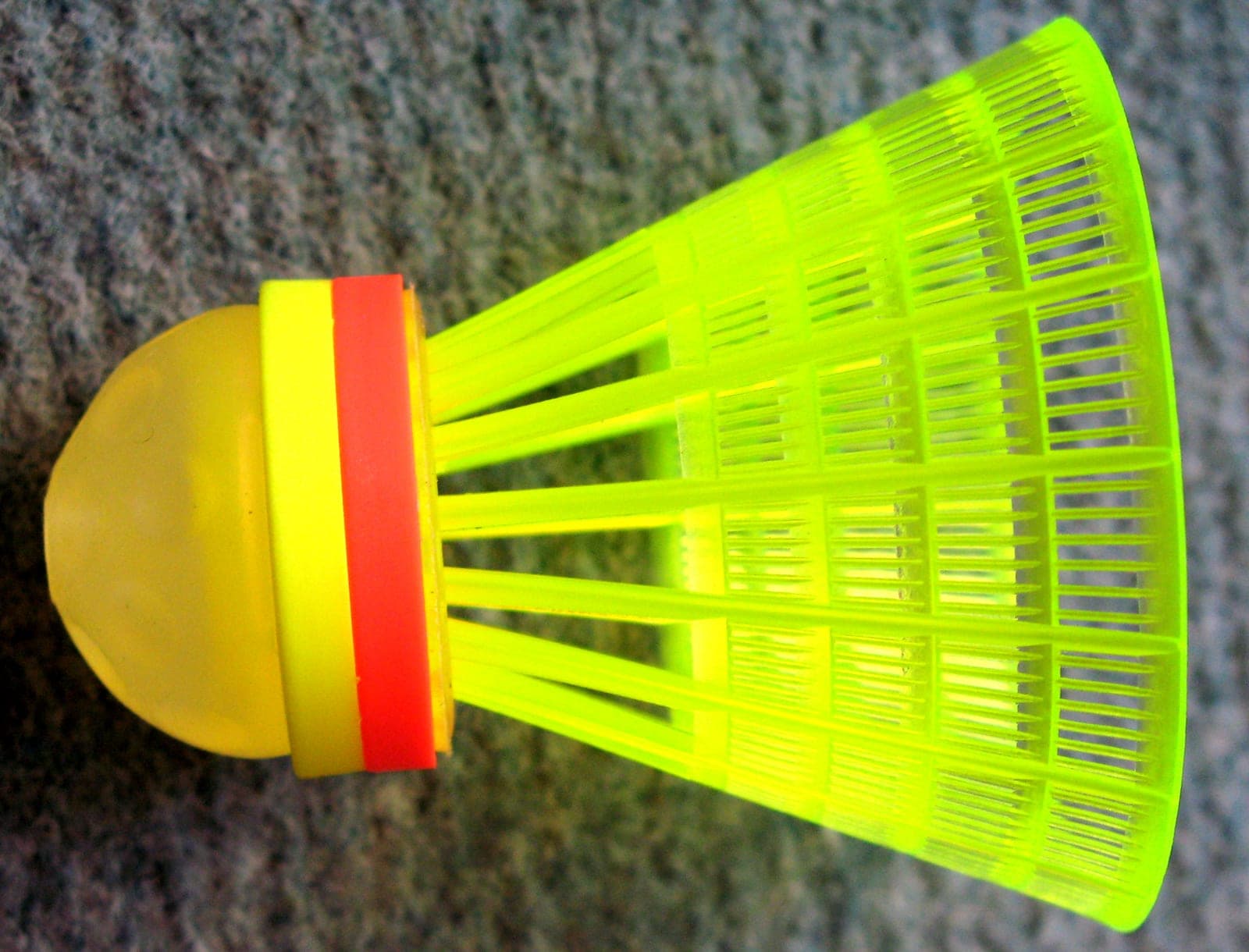
Badminton
A fast indoor racquet sport played with a shuttlecock that rewards agility and touch.

Fitness
Strength and general fitness training — the foundation that supports every other sport.
Frequently asked questions
What is the difference between range of motion, flexibility and mobility?
Range of motion is the arc a joint can move through, flexibility usually refers to how far the surrounding tissues can lengthen, and mobility describes range that can be actively used and controlled. The terms overlap but are not the same, and anything involving a specific joint or discomfort is best discussed with a qualified professional.
How it connects
The meaning-bearing relationships that place Range of motion in the wider knowledge graph — each one with the reason it exists.
Explains
Covers the underlying "why" for these.
- SwimmingRange of motion is one of the sports-science concepts that covers Swimming.
- TennisRange of motion is one of the sports-science concepts that covers Tennis.
- BadmintonRange of motion is one of the sports-science concepts that covers Badminton.
- FitnessRange of motion is one of the sports-science concepts that covers Fitness.
Explore across the knowledge base
Follow the threads that connect Range of motion to the rest of SocialSportHub.
Movement patterns
- Crossover StepA lateral or diagonal travelling step in which one leg crosses over the other with accompanying hip and trunk rotation, trading a stable base for greater reach and speed.
- KickA ballistic single-support leg swing that whips force from the plant foot through the hip and knee to strike or propel a ball or target with the foot, distinct from the weight-bearing steps of locomotion.
- ReachExtending a limb toward a distant point or object, often at full stretch, by projecting a distal segment beyond the body's resting envelope while a stabilised base preserves balance and control.
- SquatA knee-dominant pattern: bending the hips, knees and ankles to lower and rise while keeping the torso upright — the foundation of lower-body strength.
- LungeA split-stance, single-leg-emphasis pattern: stepping or dropping into a staggered stance and pushing back up to build single-leg strength, balance and stability.
Training methods
- Mobility TrainingMobility training works on moving your joints actively through their full range, combining control and flexibility so movement feels free and easy.
- Flexibility TrainingFlexibility training uses stretching to gradually improve how far your muscles and joints can comfortably lengthen and move.
Goals
Knowledge Atlas
Go deeper with Range of motion
Everywhere else on the platform that covers Range of motion — assembled from what actually references it, so nothing here is a dead end.
Question it
Research topics that name this entity among their connections.
Take it away
Open data and the whole-platform view of this subject.
How this page is maintained
- Content type
- Sports science concept
- Provenance
- Tier A — evergreen educational
- Verified external sources
- 0
- Content updated
- 2026-07-09
Evergreen, first-party explanation — it makes no claim that needs an external source. How we handle sources and reviews.