
Build muscle
Challenge your muscles with regular resistance training and steady recovery to build strength over time.
How sport helps
Building muscle comes down to challenging your muscles regularly through resistance training and giving them time to recover. Progress is usually gradual, and steady, consistent effort tends to matter more than any single workout or programme.
You don't need a gym full of equipment to start — bodyweight exercises, resistance bands and free weights can all work. Good technique and sensible progression generally matter more than lifting as heavy as possible, especially early on.
- Strength-focused sports and resistance training challenge your muscles, which is the main driver of building strength and size over time.
- Gradually increasing the challenge — through more repetitions, more resistance or better technique — helps muscles adapt.
- Recovery matters: muscles generally develop during rest between sessions, so spacing training and sleeping well can help.
- Learning proper form, ideally with guidance from a qualified coach, helps you train effectively and reduce injury risk.
Getting started
- 1Start with manageable weights or bodyweight movements and focus on good technique before adding load.
- 2Train the major muscle groups across the week and allow rest days for recovery.
- 3Progress gradually rather than rushing — small, steady increases tend to be more sustainable.
- 4Consider a session with a qualified coach to learn safe form, especially if you're new to resistance training.
Good sports for this goal
Great places to start — each with a clear, beginner-friendly guide.
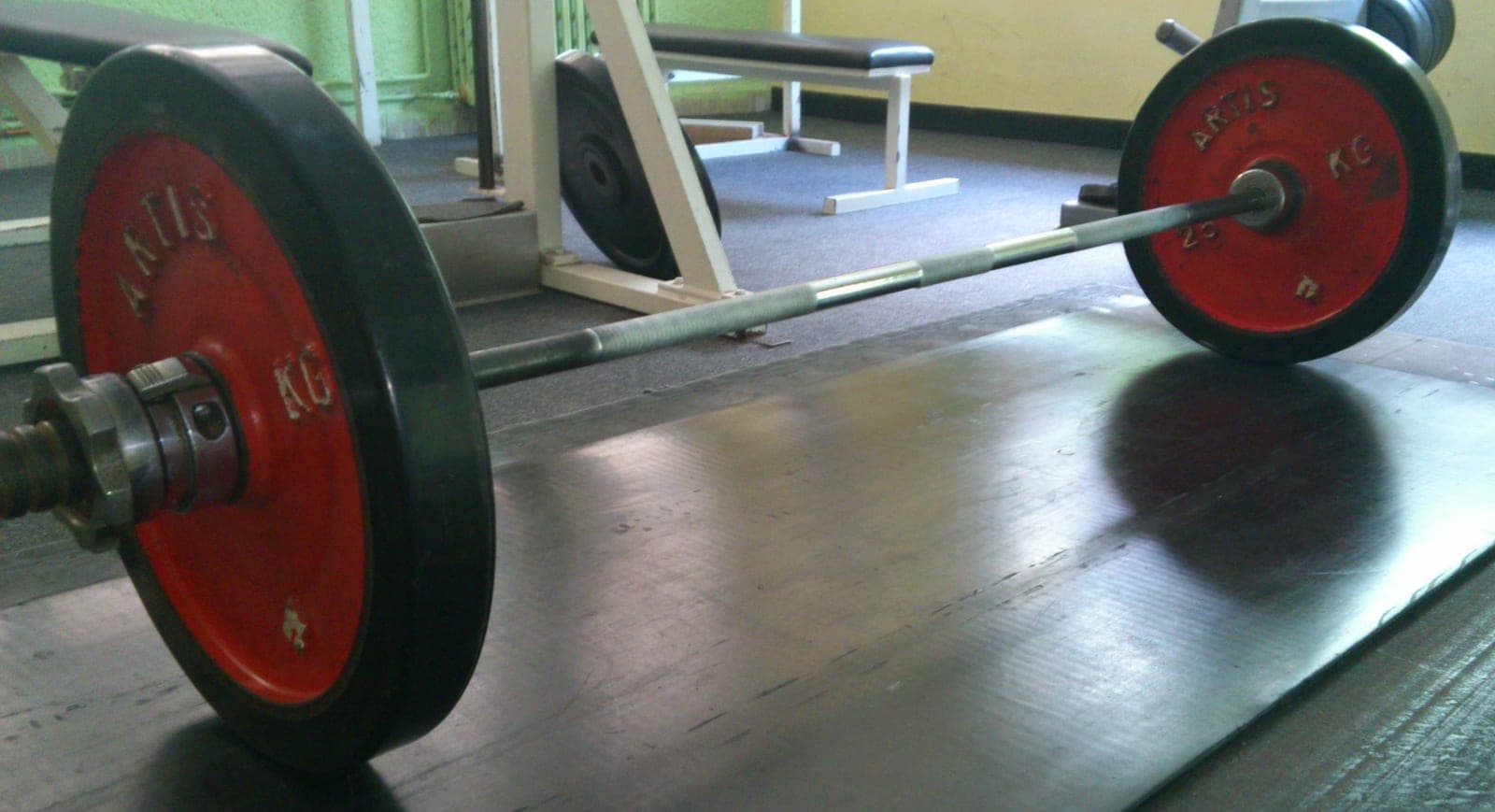
Weightlifting
A technical strength sport built around lifting a loaded barbell overhead with speed and control.
Calisthenics
Bodyweight strength training — push-ups, pull-ups, dips and progressions you can do almost anywhere.
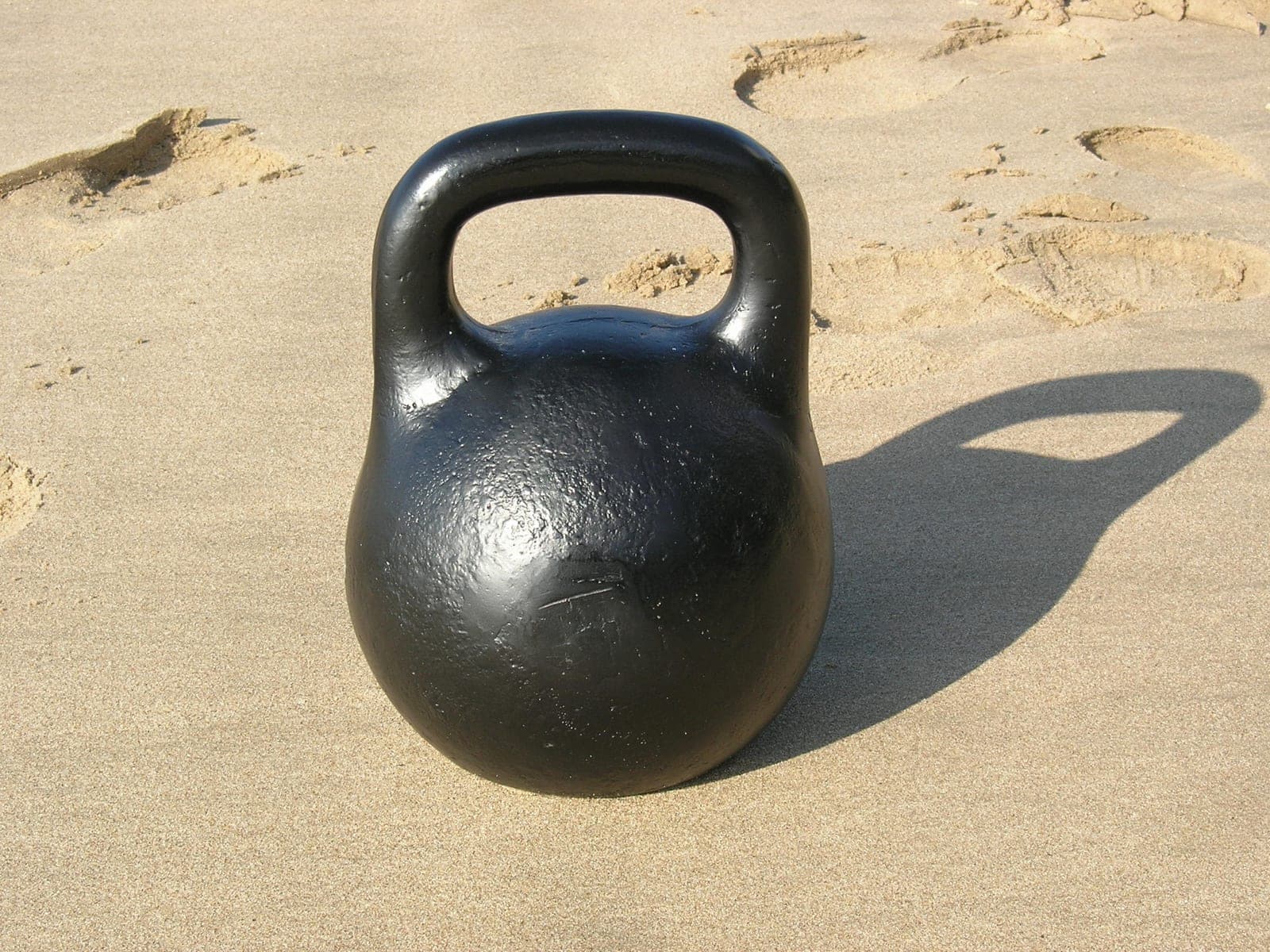
Functional Fitness
Varied, whole-body training built around everyday movement patterns like squatting, lifting and carrying.
Bodybuilding
Resistance training focused on building muscle size, symmetry and definition through consistent effort.
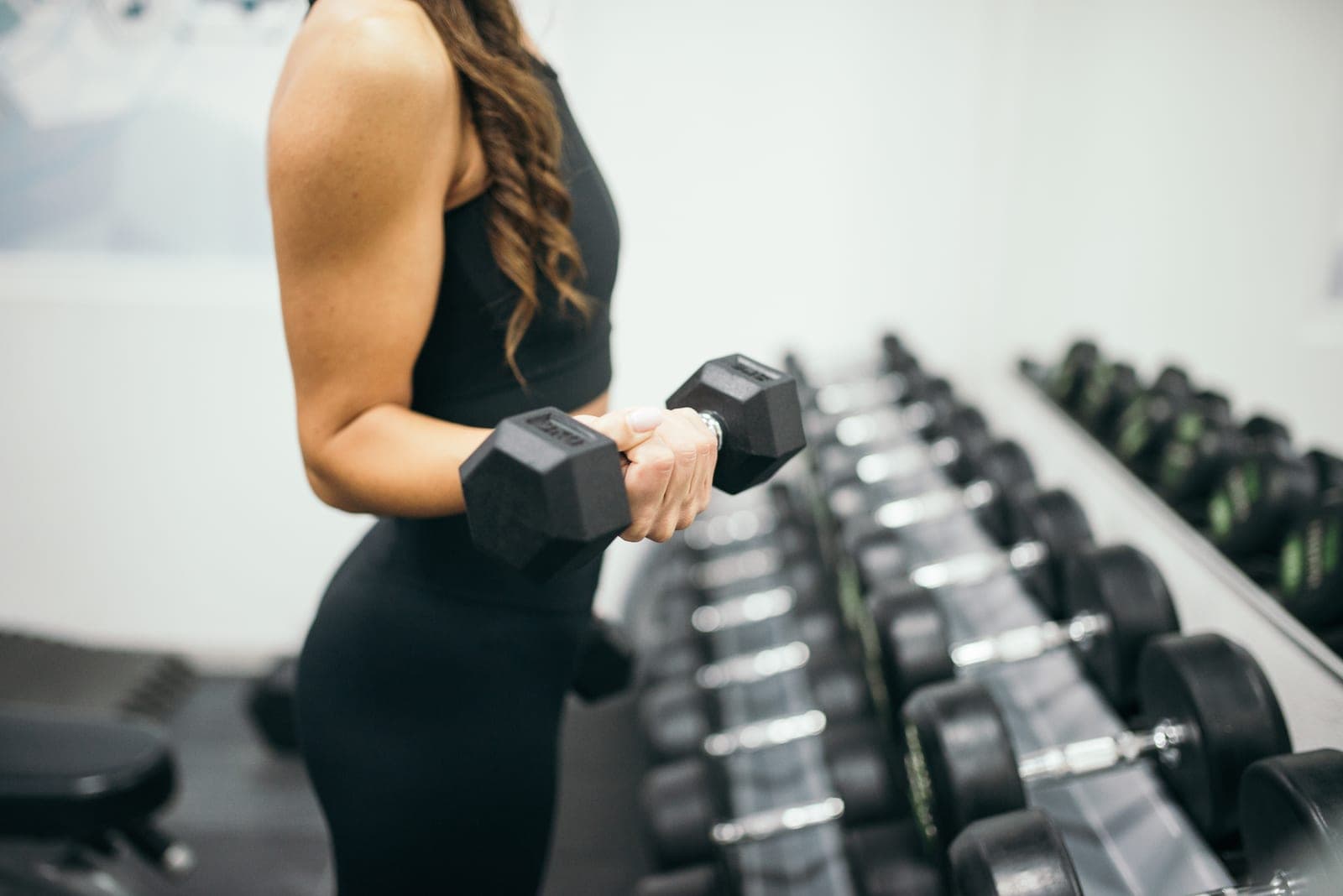
Fitness
Strength and general fitness training — the foundation that supports every other sport.
Also fits this goal
Sports beyond the shortlist above that genuinely serve this goal, each with the reason it does and what it costs you. These are editorial judgements about how a sport is typically played, not source-verified facts.
- Strong fitAmerican Football
Blocking, driving and tackling are force production against a resisting opponent, and squad training is organised around building for it.
What it costs you: The full-contact game needs a club, a full kit and proper supervision. Flag football is the non-contact route in, and trains very differently.
- Strong fitPowerlifting
The squat, bench and deadlift are the heaviest compound lifts there are, and training for them is built on progressive load.
What it costs you: Technique under heavy load is where injuries happen, so early coaching matters more here than in most gym training.
- Strong fitRugby
Scrummaging, carrying and tackling are whole-body force production, and club training is built around supporting them.
What it costs you: It is a full-contact sport played on a fixed fixture schedule — a club, a side and a season, not a gym membership.
Train for it
Exercises and methods that build what this goal needs — educational, not a prescription.
Squat
A foundational lower-body movement where you bend at the hips and knees to lower down and stand back up.
Goblet squat
A squat variation where you hold a single weight close to your chest for balance and control.
Wall sit
A holding exercise where you sit against a wall with no chair, holding a squat position still.
Lunge
A single-leg movement where you step forward and bend both knees to lower your body.
Bulgarian split squat
A single-leg squat where the back foot is raised on a bench behind you.
Step-up
A movement where you step up onto a raised platform one leg at a time and step back down.
Frequently asked questions
How often should I train to build muscle?
Many people train each major muscle group a couple of times a week with rest in between, but the right amount varies by person, experience and recovery. The key is consistent, progressive effort over time rather than a single fixed number.
Can I build muscle without a gym?
Yes — bodyweight exercises like push-ups and squats, resistance bands and calisthenics can all build strength. Equipment can help you progress, but it is not essential to get started.
Do I need supplements or a special diet?
Generally balanced eating with enough protein supports muscle building for most people, and supplements are not required. For personalised nutrition guidance a doctor or registered dietitian is the right person to ask — this is educational information, not a nutrition plan.
Related goals
Improve fitness
Build well-rounded fitness — stamina, strength and more — through regular, varied activity you can keep up.
Build healthy habits
Using sport and routine to make regular activity a lasting part of everyday life.
Build an active lifestyle
Make movement a natural, lasting part of daily life through activities and habits you genuinely enjoy.
Who & where this fits
This goal fits all kinds of people and lifestyles.
How it connects
The meaning-bearing relationships that place Build muscle in the wider knowledge graph — each one with the reason it exists.
Achieved through
Routes people take towards this goal.
- WeightliftingWeightlifting is one of the sports listed under the “Build muscle” goal.
- CalisthenicsCalisthenics is one of the sports listed under the “Build muscle” goal.
- Functional FitnessFunctional Fitness is one of the sports listed under the “Build muscle” goal.
- BodybuildingBodybuilding is one of the sports listed under the “Build muscle” goal.
- FitnessFitness is one of the sports listed under the “Build muscle” goal.
Explore across the knowledge base
Follow the threads that connect Build muscle to the rest of SocialSportHub.
Healthy living
- Recovery SleepThe role rest plays in helping your body recover, adapt and feel ready after training and active days.
- Recovery MealsThe general idea of eating after activity to help your body refuel and recover — simple, not scientific.
- Sports Nutrition BasicsA gentle introduction to fuelling an active body — the general ideas behind eating for energy, performance and recovery.
- Sleep RoutineA steady rhythm of consistent timing and a calming wind-down that helps your body know when it is time to rest.
Knowledge Atlas
Movement patterns
- PullDrawing a load or your own body toward the torso — horizontal rows and vertical pull-ups — building the lats, mid-back and biceps and balancing the push.
- SquatA knee-dominant pattern: bending the hips, knees and ankles to lower and rise while keeping the torso upright — the foundation of lower-body strength.
- PushPressing a load or the body away from the torso — horizontally or overhead — by extending the shoulders and elbows, developing the chest, shoulders and triceps.
- LungeA split-stance, single-leg-emphasis pattern: stepping or dropping into a staggered stance and pushing back up to build single-leg strength, balance and stability.
- CarryHolding and transporting a load while keeping the trunk braced and stable — an anti-movement pattern that builds grip, core stability and full-body strength.
Training methods
- Strength TrainingStrength training uses resistance — bodyweight, bands or weights — to challenge your muscles so they gradually adapt and get stronger over time.
- Hypertrophy TrainingHypertrophy training is resistance work structured to encourage muscle growth, typically using moderate repetitions and a steady, controlled tempo.
How this page is maintained
- Content type
- Life goal
- Provenance
- Tier A — evergreen educational
- Verified external sources
- 0
- Content updated
- 2026-09-22
Evergreen, first-party explanation — it makes no claim that needs an external source. How we handle sources and reviews.