
Return to sport
Easing back into activity after time away, a long break or a period off through injury.
How sport helps
Coming back to sport after a break — whether from a busy period, illness, injury or simply falling out of the habit — works best when you meet your body where it is now rather than where it was before. Starting below your old level and rebuilding gradually is a widely recommended approach.
Patience pays off. Progress may feel slower than you remember, and that is normal; giving yourself time and rebuilding steadily helps activity feel enjoyable again rather than discouraging.
- Easing back in gradually can help rebuild fitness and confidence after time away.
- Low-impact activities are a common way to reintroduce movement gently.
- Cross-training can spread the load while you get back into a routine.
- Warming up, cooling down and allowing recovery are widely regarded as sensible when returning.
A note on health information
Getting started
- 1Start well below your previous level and build back up gradually rather than all at once.
- 2Choose lower-impact activities at first and increase intensity as it feels comfortable.
- 3Prioritise warm-ups, cool-downs and recovery days.
- 4If you are returning after an injury, illness or surgery, speak to a doctor or physiotherapist before restarting.
Good sports for this goal
Great places to start — each with a clear, beginner-friendly guide.
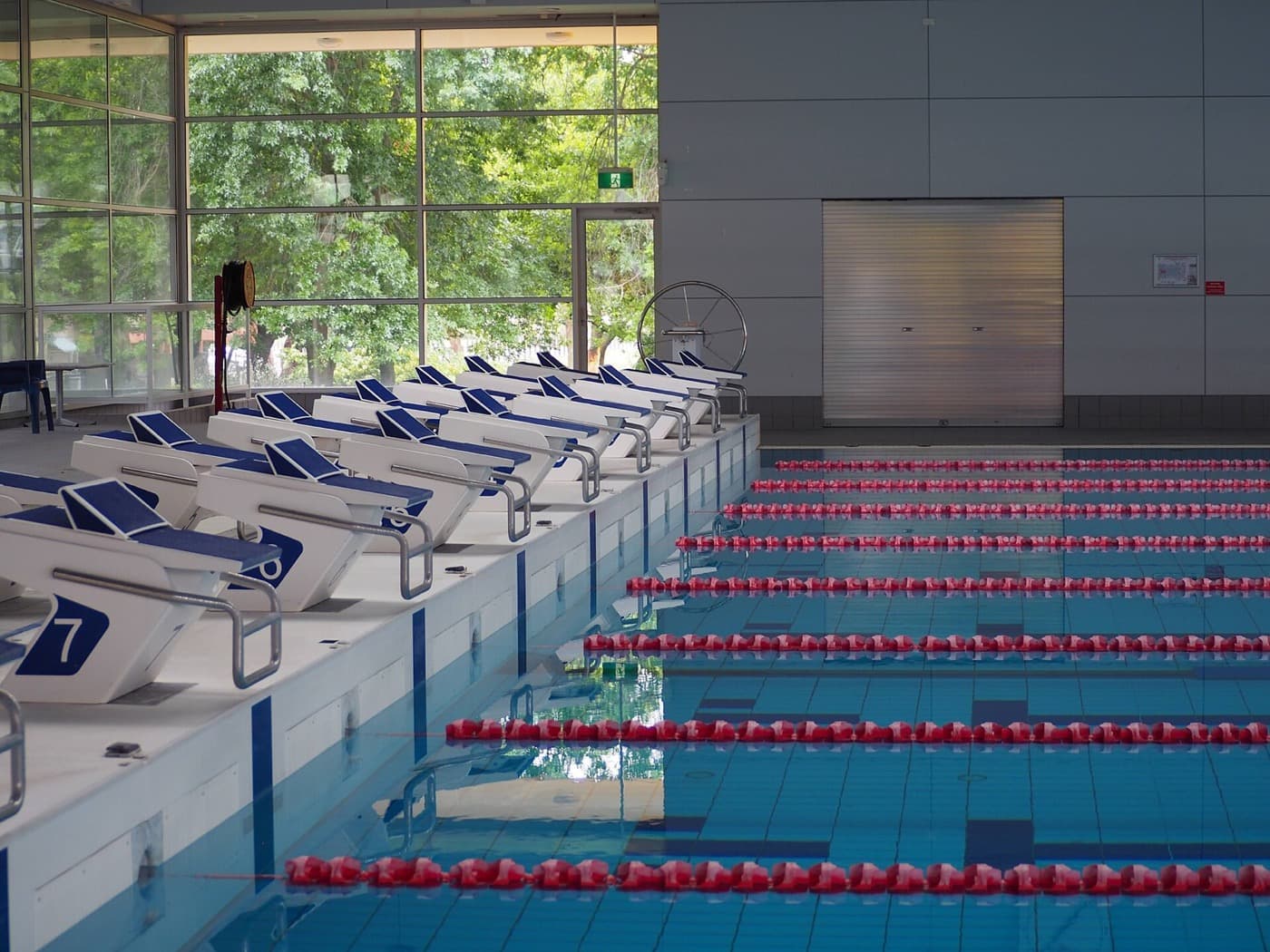
Swimming
A full-body, low-impact endurance sport suitable for almost every age and ability.
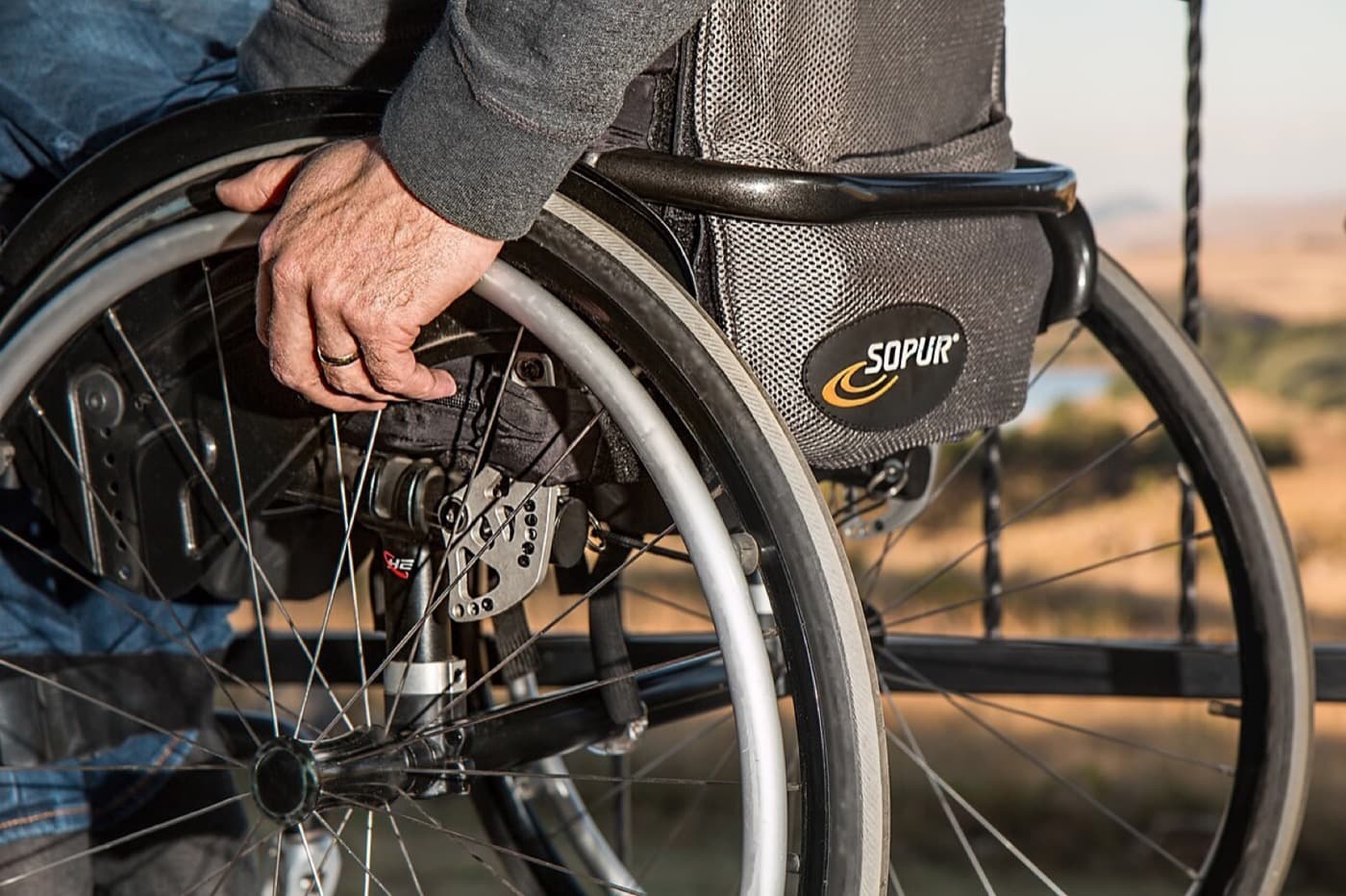
Cycling
A low-impact endurance sport that doubles as transport, exercise and adventure.
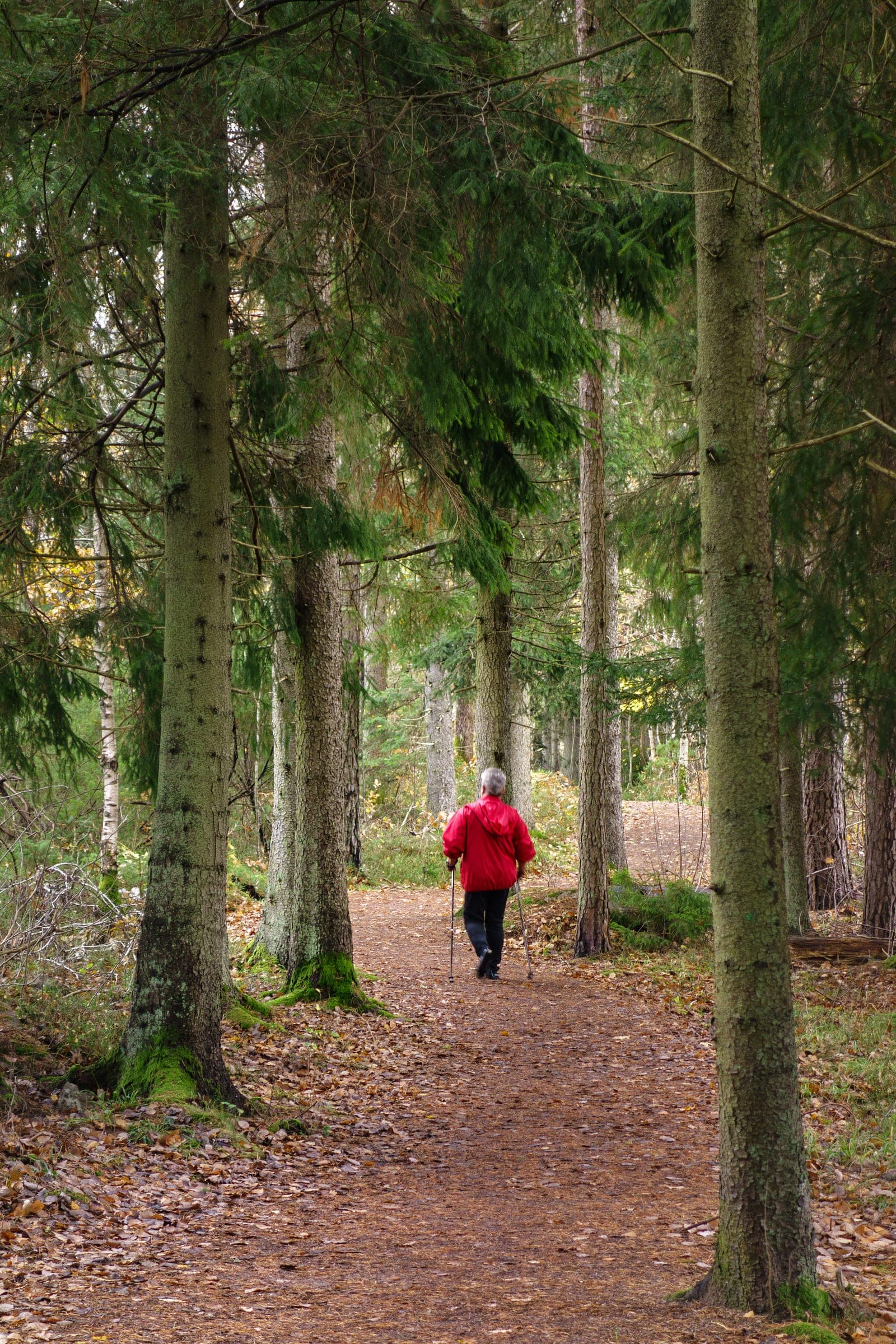
Nordic Walking
A gentle, accessible endurance activity that adds poles to bring the upper body into every walk.
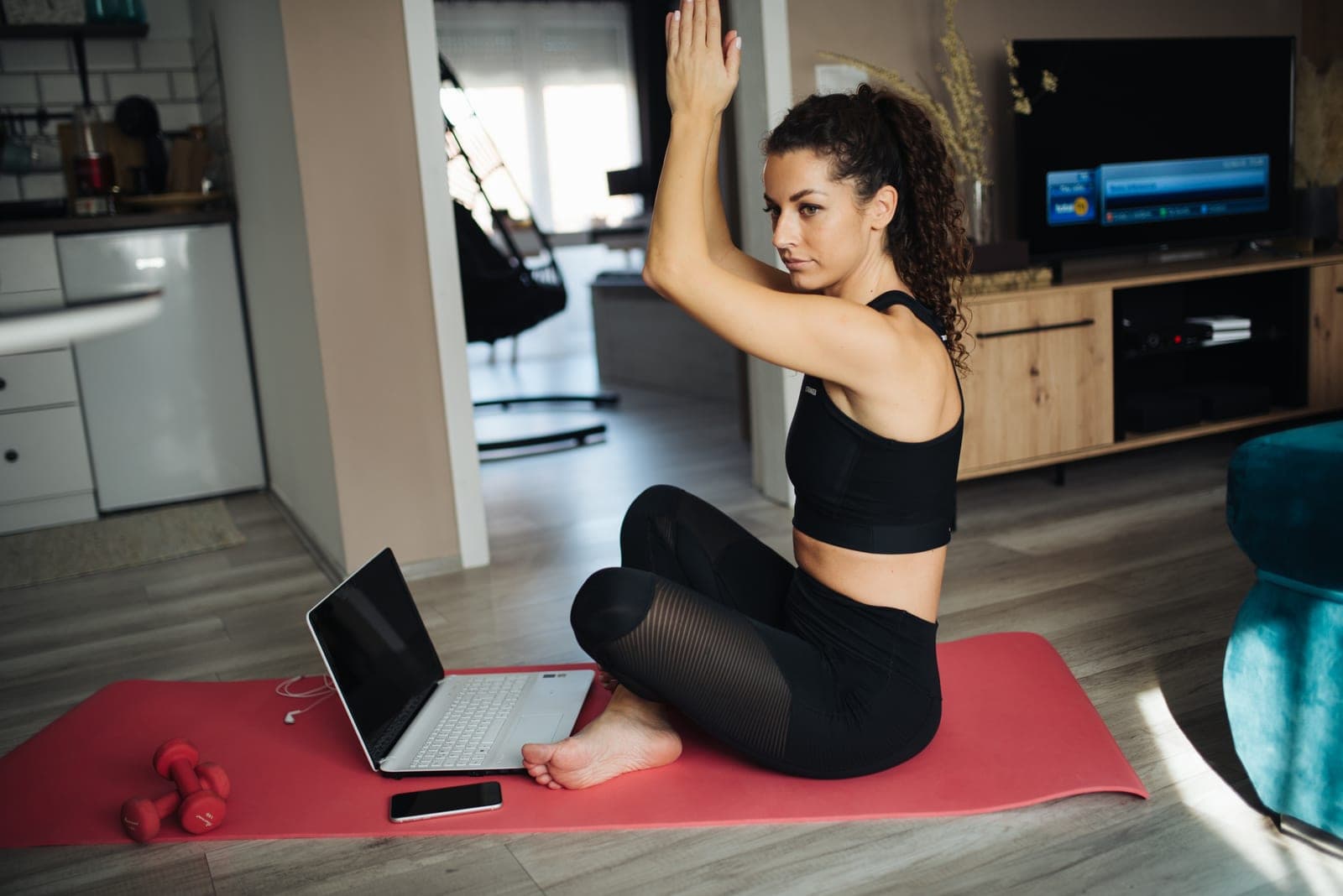
Yoga
A mind-body practice that links postures, breathing and focus to build flexibility, strength and calm.
Pilates
A low-impact mind-body method that builds core strength, control and posture through precise, controlled movement.
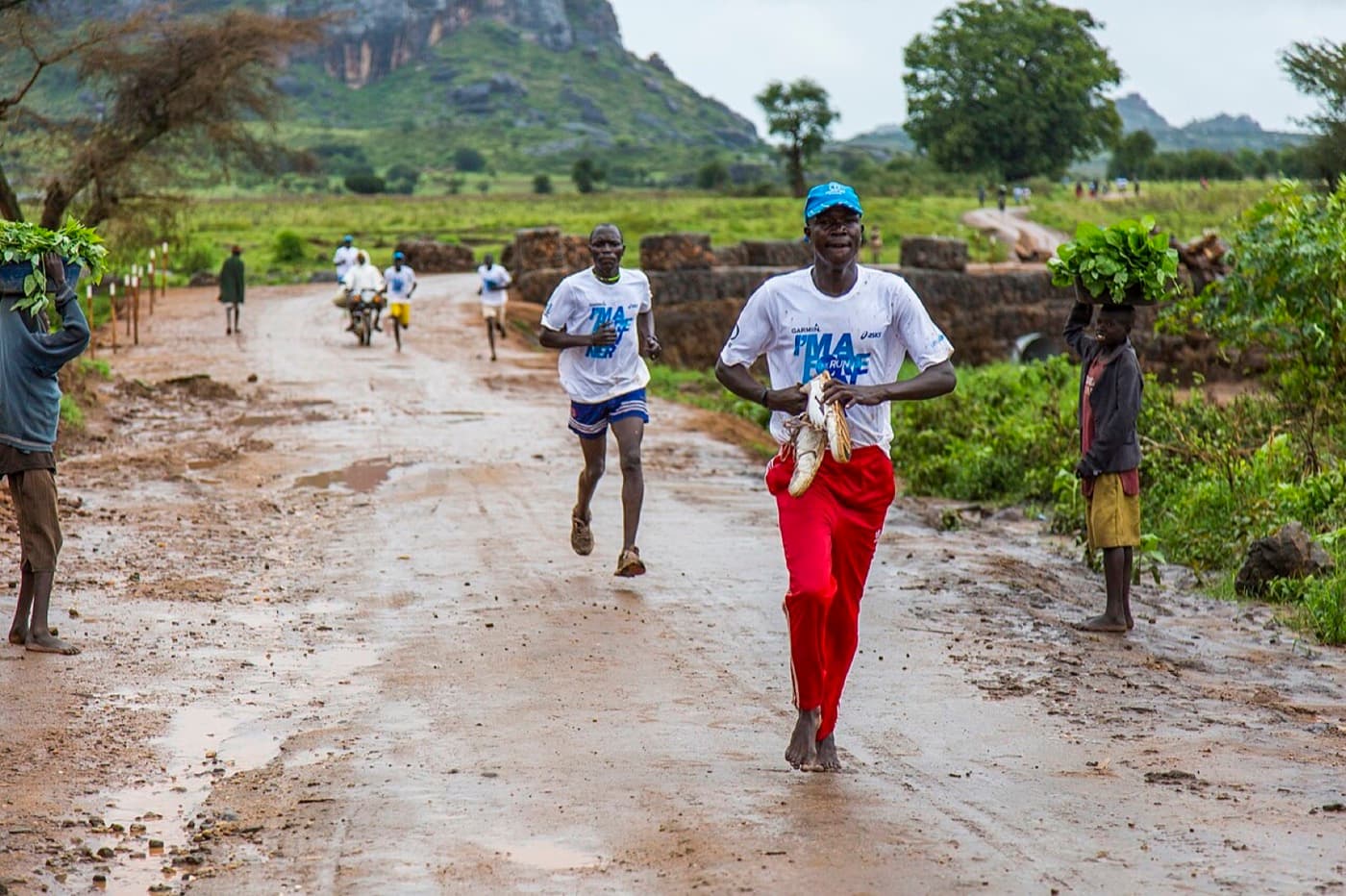
Running
The most accessible endurance sport — no venue, just shoes and the open road or trail.
Train for it
Exercises and methods that build what this goal needs — educational, not a prescription.
Squat
A foundational lower-body movement where you bend at the hips and knees to lower down and stand back up.
Romanian deadlift
A hinge variation focused on the back of the legs, lowering the weight without returning it to the floor.
Hip hinge
The foundational bending-at-the-hips pattern that underpins deadlifts, swings and picking things up.
Band pull-apart
A simple pulling exercise where you stretch a resistance band across your chest to work the upper back.
Mobility Training
Mobility training works on moving your joints actively through their full range, combining control and flexibility so movement feels free and easy.
Flexibility Training
Flexibility training uses stretching to gradually improve how far your muscles and joints can comfortably lengthen and move.
Frequently asked questions
How do I get back into sport after a long break?
A common approach is to start well below your previous level and rebuild gradually, choosing lower-impact activities at first and increasing as it feels comfortable. Consistency and patience tend to matter more than trying to pick up exactly where you left off.
Is it normal to feel less fit when returning?
Yes — fitness naturally declines during time away, so feeling below your old level is expected and not a reason to be discouraged. With a steady, gradual return, many people find their fitness rebuilds over time.
Should I see a professional before returning after injury?
If you are coming back after an injury, illness or surgery, it is sensible to check with a doctor or physiotherapist before restarting, as they can offer guidance suited to your situation. This page is general educational information, not medical advice.
Related goals
Become more active
Add regular, gentle movement to your everyday life and build up from a sedentary start at your own pace.
Improve fitness
Build well-rounded fitness — stamina, strength and more — through regular, varied activity you can keep up.
Build healthy habits
Using sport and routine to make regular activity a lasting part of everyday life.
Healthy aging
Stay active, steady and independent as you get older with a sustainable mix of gentle cardio, strength and balance work.
Improve mobility
Move your joints more freely and comfortably through their natural range with regular, gentle practice.
Who & where this fits
This goal fits all kinds of people and lifestyles.
How it connects
The meaning-bearing relationships that place Return to sport in the wider knowledge graph — each one with the reason it exists.
Achieved through
Routes people take towards this goal.
- SwimmingSwimming is one of the sports listed under the “Return to sport” goal.
- CyclingCycling is one of the sports listed under the “Return to sport” goal.
- Nordic WalkingNordic Walking is one of the sports listed under the “Return to sport” goal.
- YogaYoga is one of the sports listed under the “Return to sport” goal.
- PilatesPilates is one of the sports listed under the “Return to sport” goal.
Explore across the knowledge base
Follow the threads that connect Return to sport to the rest of SocialSportHub.
Experience levels
Coaching concepts
- ProgressionBuilding skill and training load in gradual, manageable steps so each stage prepares the next, moving from simple to complex and easy to hard.
- Transfer of TrainingWhether practice carries over to real performance — and why game-like, varied practice tends to transfer better than isolated, repetitive drills.
- Feedback and CueingFeedback from your senses, a coach, or video plus short instructional cues guide skill learning — including internal vs external focus of attention.
- Skill acquisitionHow a movement or sports skill is learned — progressing from conscious, effortful control to smooth, largely automatic execution through practice and feedback.
- Goal-Setting for PracticeSetting clear practice goals directs effort and makes progress visible — separating results-based outcome goals from controllable process goals.
How this page is maintained
- Content type
- Life goal
- Provenance
- Tier A — evergreen educational
- Verified external sources
- 0
- Content updated
- 2026-09-22
Evergreen, first-party explanation — it makes no claim that needs an external source. How we handle sources and reviews.