
Proprioception
The body's internal sense of the position, movement and effort of its joints and limbs without relying on sight.
Definition
Proprioception is sometimes called the body's sixth sense: a continuous stream of information from receptors in muscles, tendons and joints that tells the brain where the body's parts are in space and how much force they are exerting. It lets an athlete touch a racket to a ball, land from a jump, or hold posture with the eyes closed.
Because it underpins coordination and balance, proprioception is a common focus of movement preparation and skill practice, for example single-leg tasks, unstable-surface work, or drills performed with reduced visual feedback. Sharper proprioception helps athletes control their joints through a full range and make fine adjustments mid-movement. It is described here for education only.
Where you’ll hear “proprioception”
Sports that use this term:
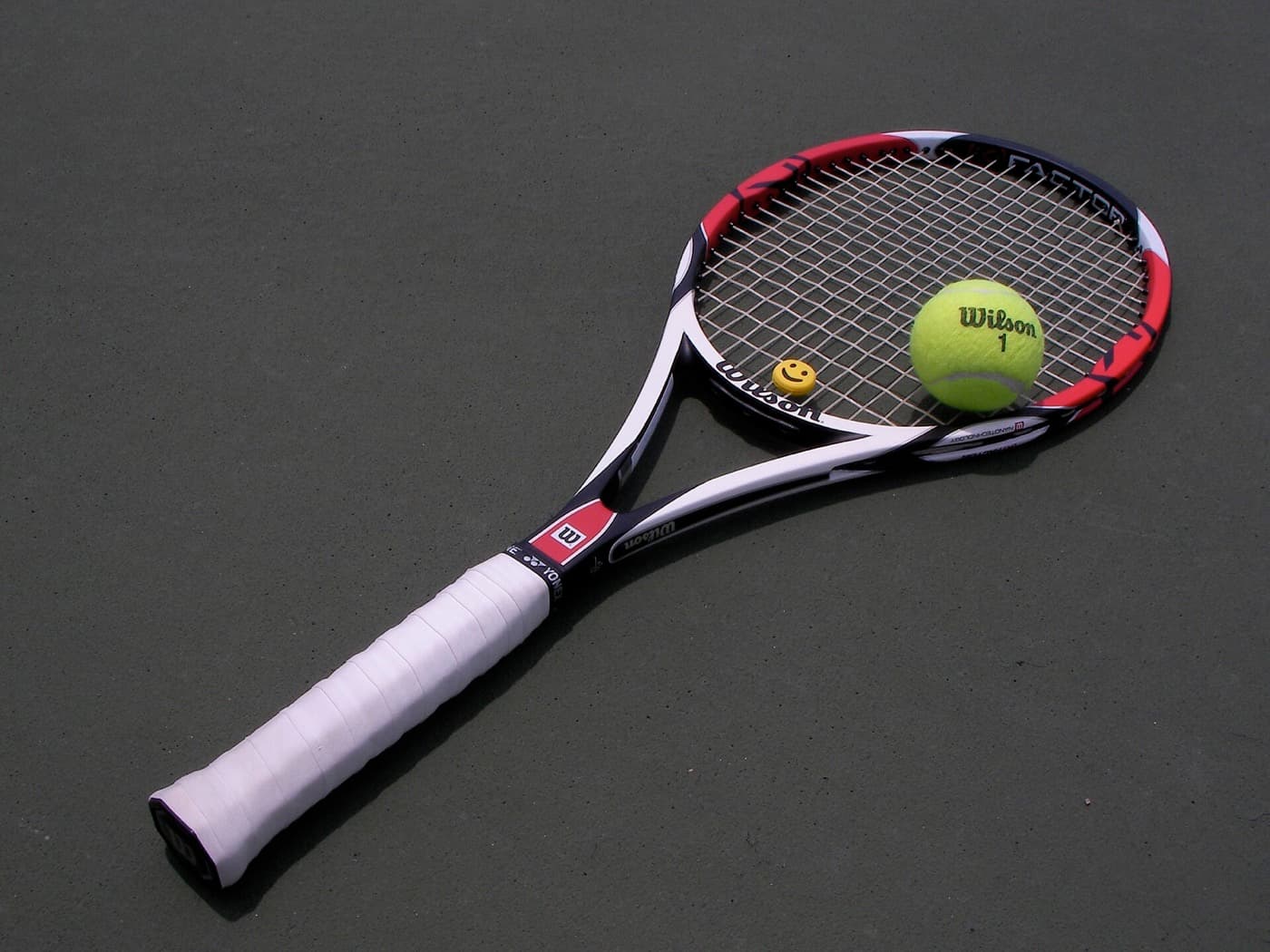
Tennis
A singles or doubles racquet sport that blends agility, strategy and stamina on court.

Football
The world’s most popular team sport — endless running, teamwork and community in one game.

Swimming
A full-body, low-impact endurance sport suitable for almost every age and ability.
Explore across the knowledge base
Follow the threads that connect Proprioception to the rest of SocialSportHub.
Movement patterns
- CatchReceiving a moving object and securing it under control, absorbing its momentum by yielding along its path so kinetic energy is dissipated rather than rebounded away.
- GlideGlide is continuous, low-resistance locomotion in which the body holds a streamlined shape so that momentum generated by a preceding propulsive action carries it smoothly across a surface or through a medium.
- ReachExtending a limb toward a distant point or object, often at full stretch, by projecting a distal segment beyond the body's resting envelope while a stabilised base preserves balance and control.
Go deeper with Proprioception
Everywhere else on the platform that covers Proprioception — assembled from what actually references it, so nothing here is a dead end.
Take it away
Open data and the whole-platform view of this subject.
How this page is maintained
- Content type
- Term
- Provenance
- Tier A — evergreen educational
- Verified external sources
- 0
- Content updated
- 2026-09-01
Evergreen, first-party explanation — it makes no claim that needs an external source. How we handle sources and reviews.