
Overview
A pivot is a rotational movement organised around a single fixed foot that serves as the axis. The forefoot or ball of the pivot foot maintains ground contact while the rest of the body turns around that point; the free (non-pivot) leg drives the rotation by pushing against the ground, and torque is generated and controlled through the hips, trunk and oblique musculature. Because the pivot foot stays put, the centre of mass rotates largely over the base of support with little or no net translation — the body reorients rather than relocates. Balance over the narrow base and control of angular momentum are central: the athlete regulates how far and how fast the turn travels and arrests it at the intended orientation. Pivots can be organised as a forward pivot, turning the body toward the free leg's push, or a reverse pivot, turning the opposite way, and the depth of knee and hip flexion shapes how stable and how powerful the rotation is.
How a pivot is used varies markedly across sports, and it is not one identical action everywhere. In basketball it is codified in the rules: a player who has stopped dribbling may rotate on an established pivot foot to shield the ball, open a passing lane or create a shot; to pass or shoot the player may lift that foot, but the ball must leave the hand before it returns to the floor, whereas to begin a dribble the ball must leave the hand before the pivot foot is lifted, or it is a travelling violation — so the mechanics are constrained by regulation as much as by the body. In netball, whose footwork rule forbids travelling, pivoting on the landing foot is fundamental to repositioning and passing. In striking and grappling sports such as boxing, karate and judo, a pivot of the rear foot and hips is a means of generating and directing rotational power into a punch or throw rather than a way to reposition. In golf and throwing events the hips and trunk pivot to build a rotational sequence for the swing or release. The same in-place rotation therefore ranges from a ball-protection reposition to a power-generating engine, depending on what the sport asks the turn to accomplish.
What defines it
- Fixed pivot foot as axis: the forefoot maintains ground contact and the body rotates around that single point.
- Rotation in place: the centre of mass turns over the base of support with little or no net translation, reorienting the body rather than moving it.
- Torque from the free leg and trunk: the non-pivot leg drives against the ground while the hips, trunk and obliques generate and control the rotation.
- Balance and angular-momentum control over a narrow base determine how far the turn travels and where it stops.
- Forward and reverse variants exist, and in sports such as basketball and netball the pivot is governed by footwork rules that constrain how the axis foot may be used.
How it differs from nearby movements
Movements that look similar but are not the same thing.
- Not the same as a spin or turn that travels
- A pivot keeps its axis foot planted and rotates in place. A spin or turn steps around and translates the body to a new location, giving up the fixed-foot constraint that defines a pivot.
- Not the same as change-of-direction
- A change of direction redirects travelling momentum between two points. A pivot reorients the body without going anywhere, changing facing rather than location.
- Not the same as cut
- A cut plants a foot and drives momentum out into travel along a new line. A pivot rotates around the planted foot with no drive-off, staying in place.
A note on this information
Exercises that train the pivot
Movements built on this pattern — educational examples, not a prescription.
Russian twist
A rotational core exercise where you twist your torso from side to side while seated and leaning back.
Side plank
A core hold on one forearm and the side of the foot that targets the muscles along your side.
Lunge
A single-leg movement where you step forward and bend both knees to lower your body.
Bird dog
A core exercise on hands and knees where you extend opposite arm and leg while staying steady.
Plank
A core-holding exercise where you keep your body in a straight line supported on forearms and toes.
Sports skills that express it
The learnable skills of a sport that this movement underlies.
Footwork
The skill of moving efficiently around the playing area to be in position for each shot or action.
Passing
The skill of moving the ball to a teammate accurately to keep possession and create chances.
Ball control
The skill of receiving and settling the ball quickly so it is ready to use.
Balance
The skill of keeping the body stable and controlled while still or moving.
Core stability
The skill of engaging the trunk muscles to keep the body strong and controlled through movement.
Sports techniques that use it
How the movement shows up in the specific techniques of a sport.
Chest Pass
A two-handed pass thrown directly from chest height in a straight line to a teammate, the most basic pass in basketball and netball.
Jump Shot
A basketball shot released at the top of a vertical jump, letting the shooter get the ball over a defender with a soft, arcing release.
Crossover Dribble
A basketball dribbling move that switches the ball quickly from one hand to the other to change direction and get past a defender.
The science and how it’s learned
The concepts that explain this movement and help in learning it.
Sports that rely on it
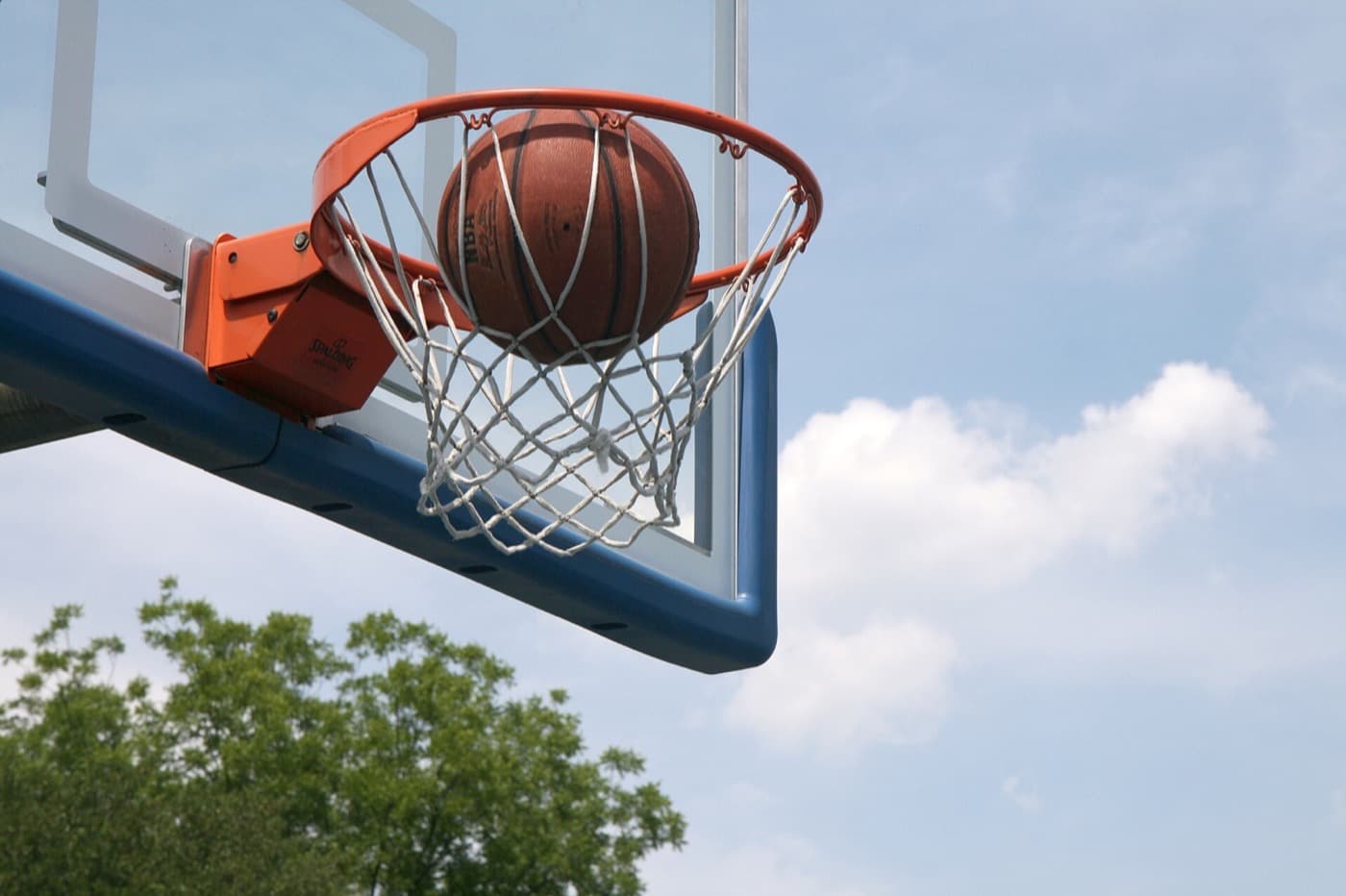
Basketball
A fast, dynamic team sport of running, jumping and quick decisions on court.
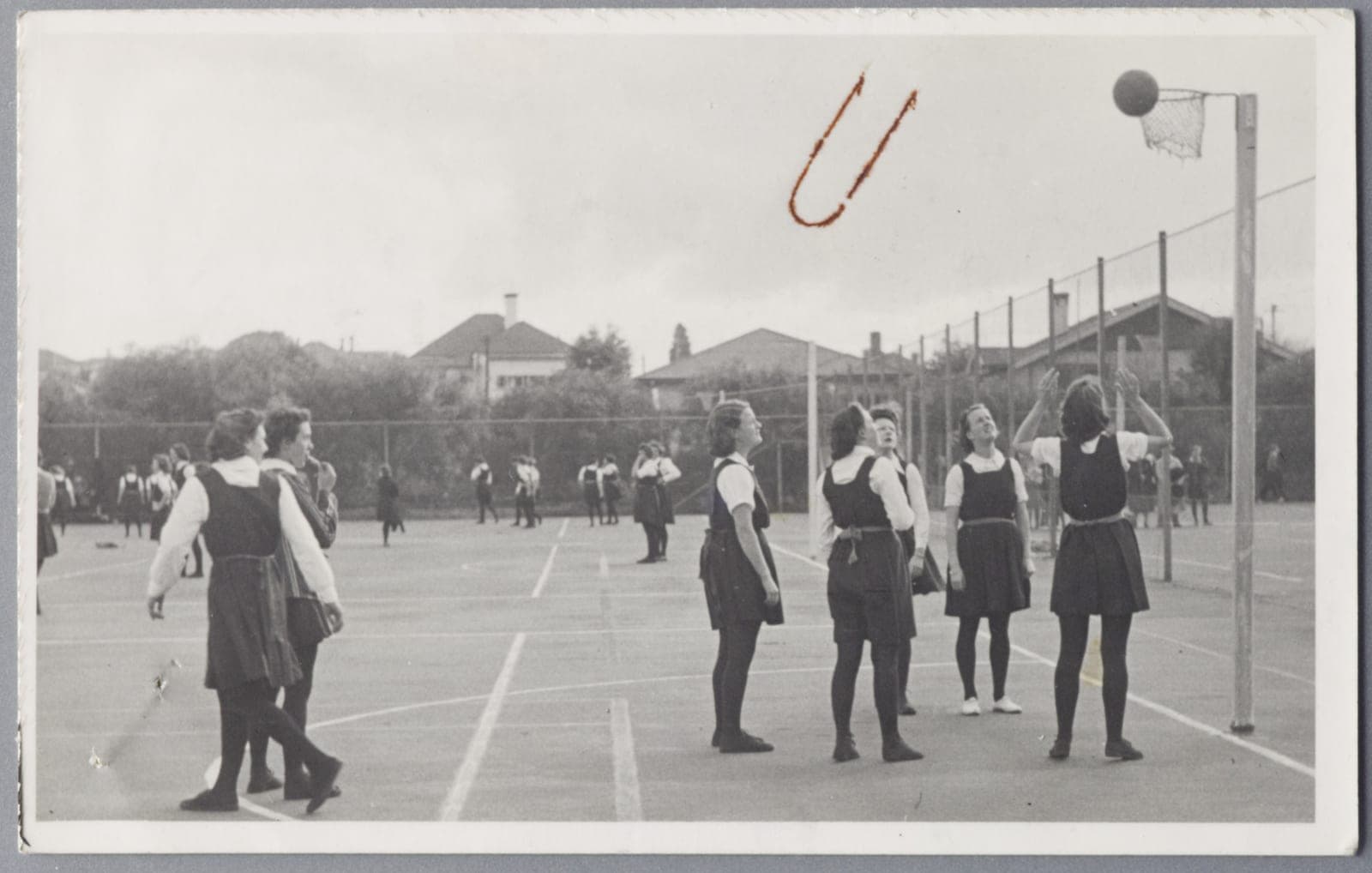
Netball
A non-contact, position-based team sport of quick passing and accurate shooting.
Football
The world’s most popular team sport — endless running, teamwork and community in one game.
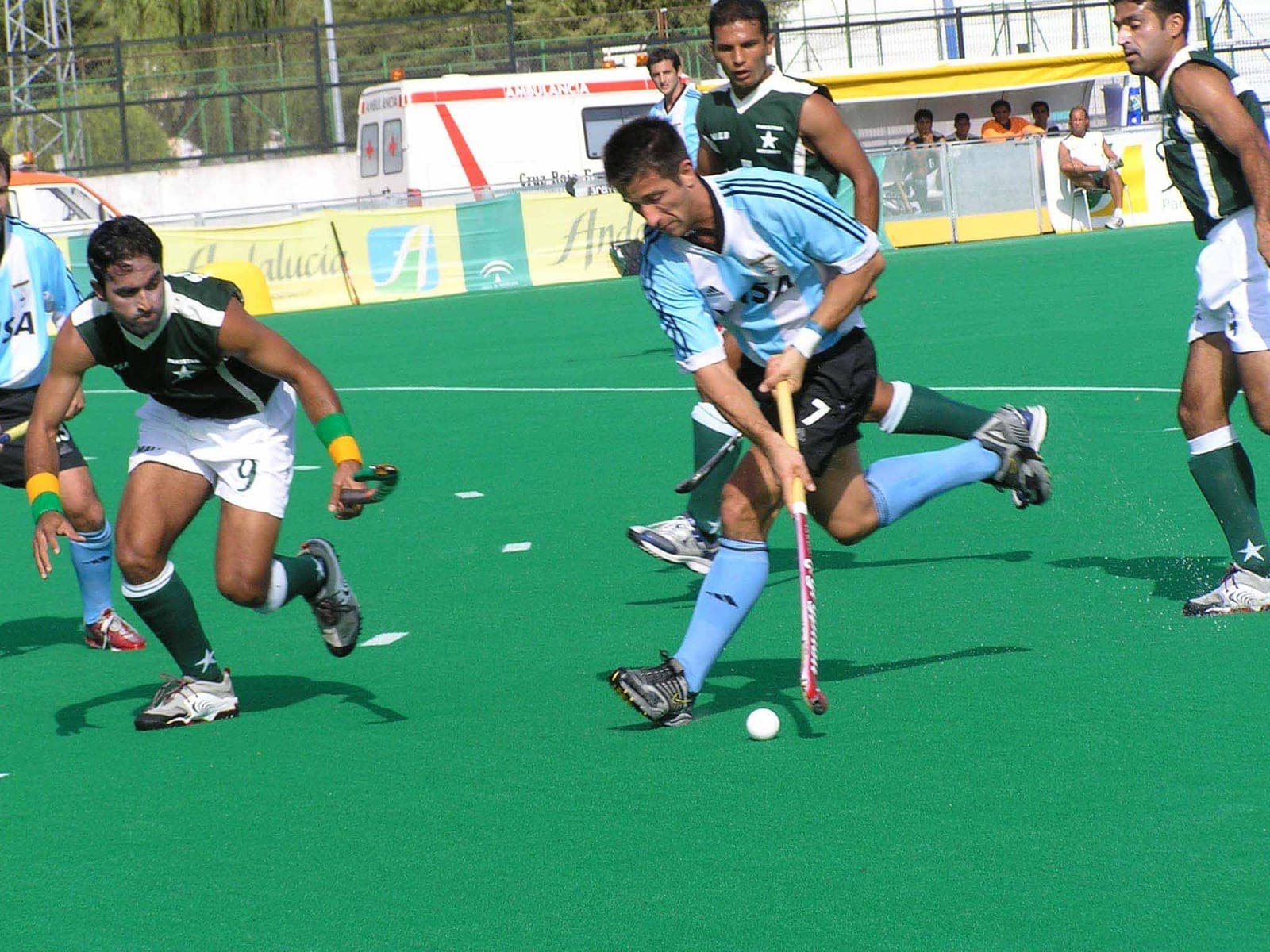
Field Hockey
An outdoor team sport that uses curved sticks to move a ball, built on agility and teamwork.
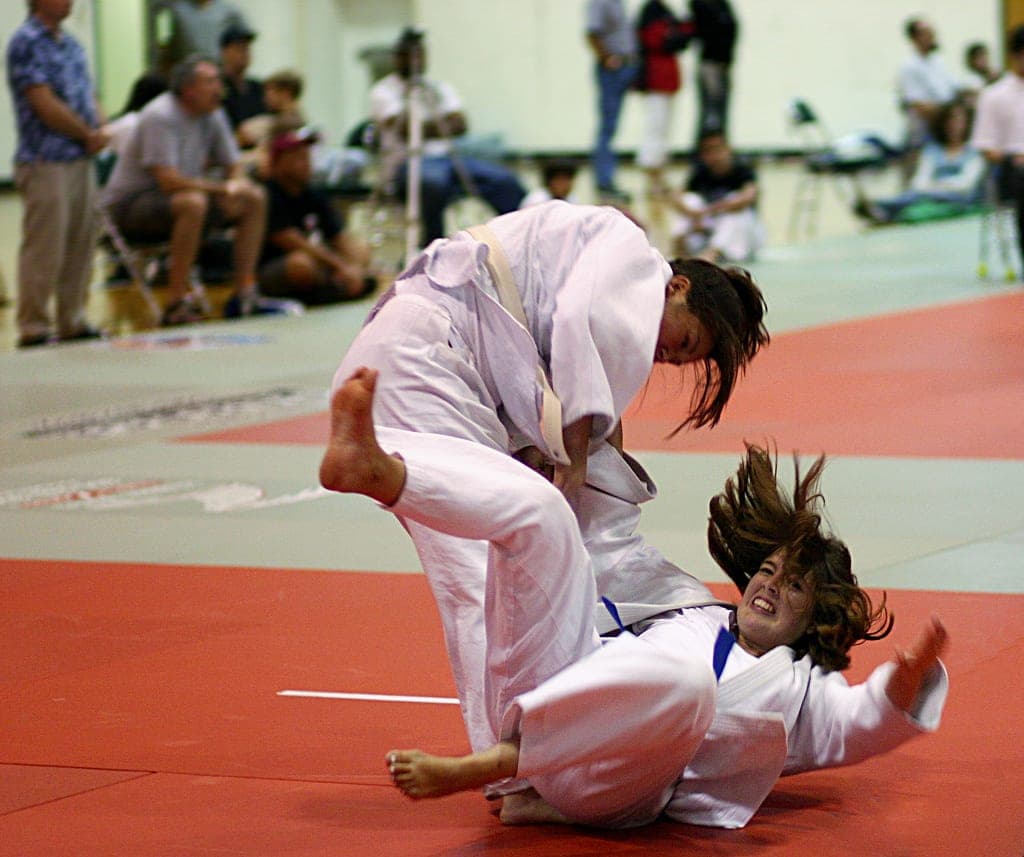
Judo
A grappling martial art based on throws, holds and control, practised on mats with a partner.
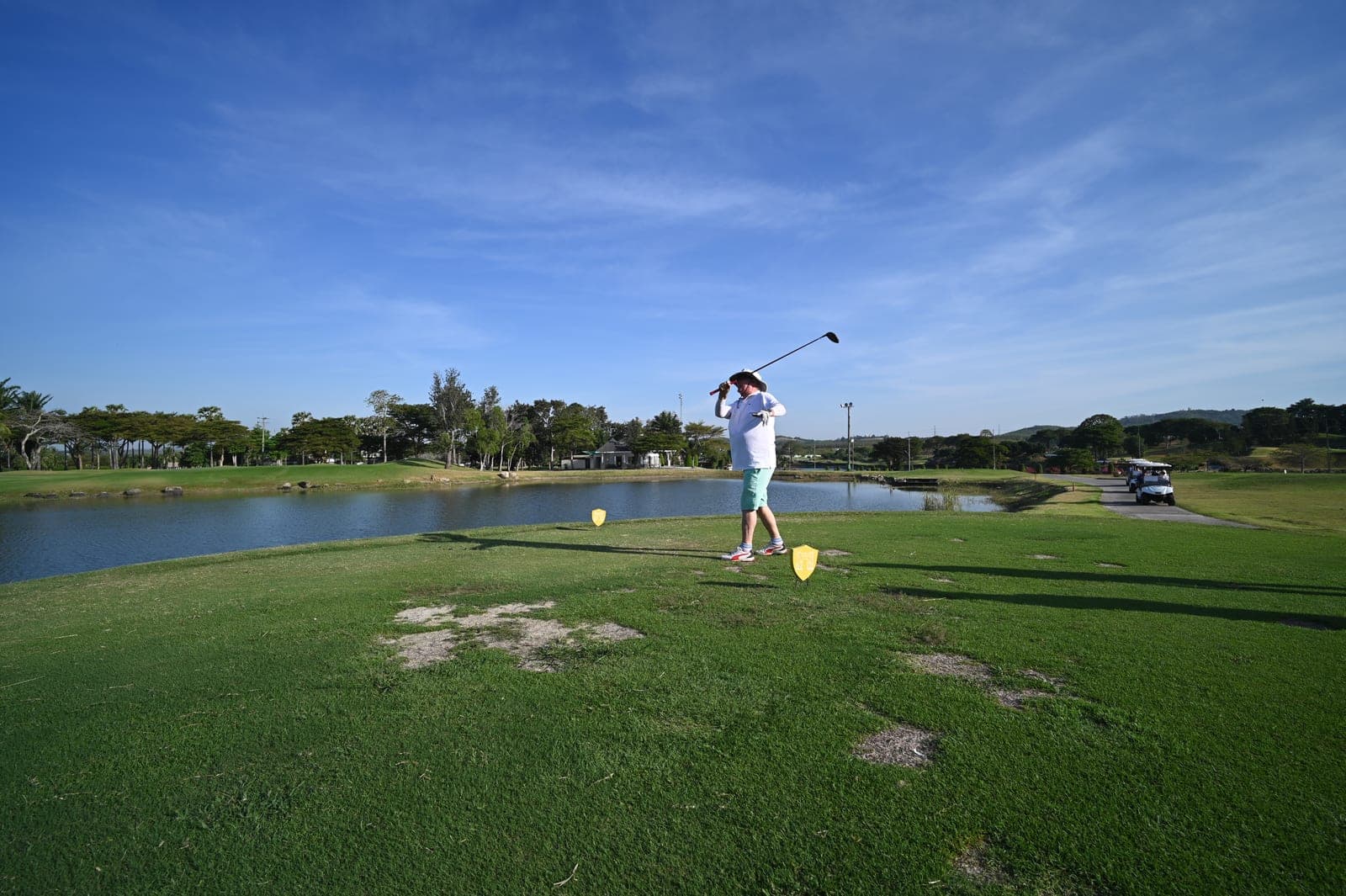
Golf
A precision target sport played across an outdoor course, blending skill, strategy and a long walk in the open air.
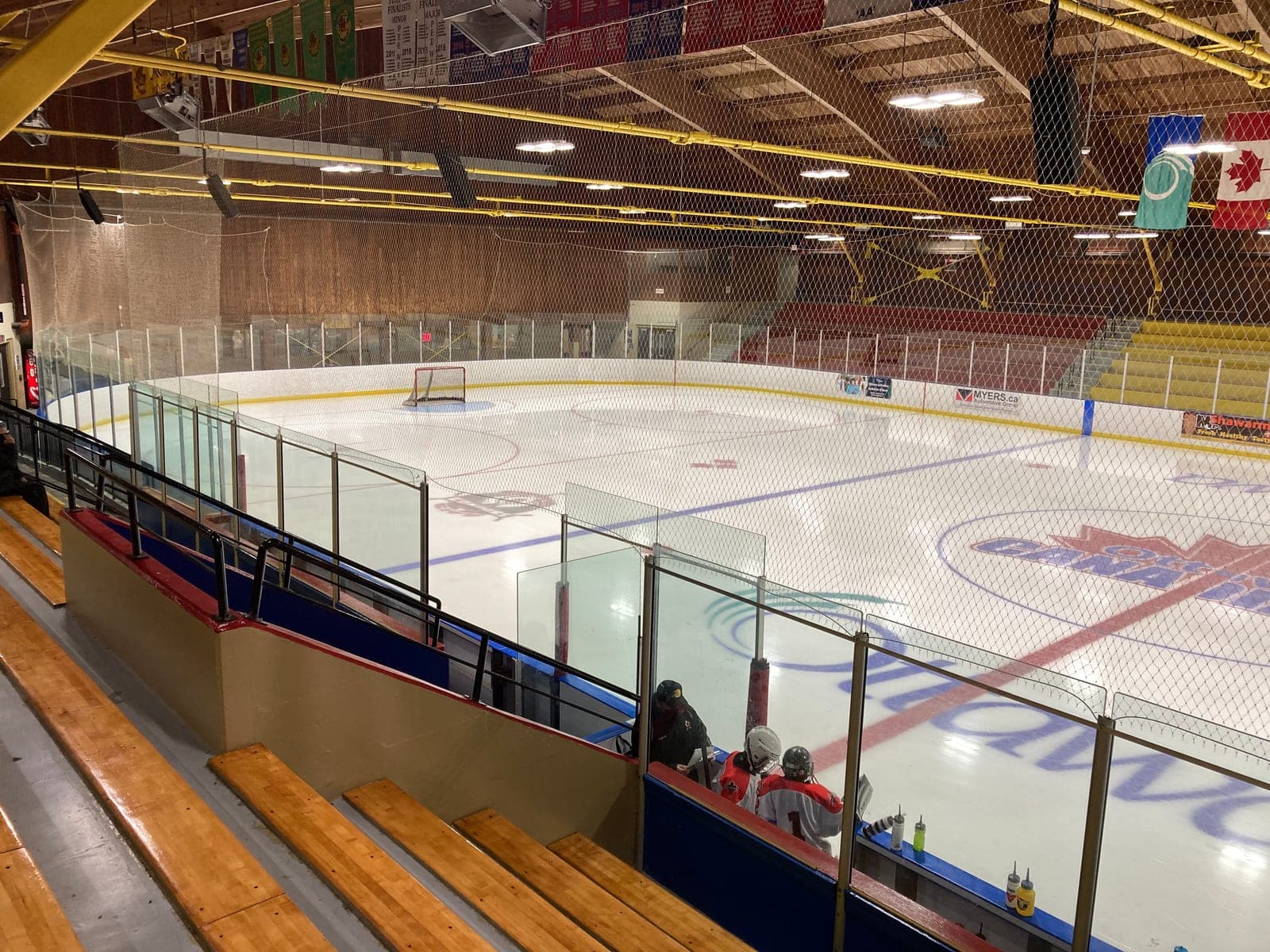
Figure Skating
An artistic ice sport combining glides, spins, jumps and footwork into flowing routines.
Compare pivot with…
Movements it is often confused with — see exactly how they differ.
How it connects
The meaning-bearing relationships that place Pivot in the wider knowledge graph — each one with the reason it exists.
Builds on
Understanding these first makes this one make sense.
Commonly confused with
Close enough to be mixed up — the distinction is worth knowing.
Explore across the knowledge base
Follow the threads that connect Pivot to the rest of SocialSportHub.
Movement comparisons
- Change of Direction vs PivotChange of Direction vs Pivot: how these two movements differ, what they share, and how to tell them apart — from mechanics to the sports that use them.
- Cut vs PivotCut vs Pivot: how these two movements differ, what they share, and how to tell them apart — from mechanics to the sports that use them.
Skills
- FootworkThe skill of moving efficiently around the playing area to be in position for each shot or action.
- PassingThe skill of moving the ball to a teammate accurately to keep possession and create chances.
- Ball controlThe skill of receiving and settling the ball quickly so it is ready to use.
- BalanceThe skill of keeping the body stable and controlled while still or moving.
- Core stabilityThe skill of engaging the trunk muscles to keep the body strong and controlled through movement.
Sports science
- BiomechanicsThe study of how the body produces and controls movement — the mechanics behind every technique in sport.
- The kinetic chainThe idea that the body’s segments work as a linked chain, passing force from the ground up through the hips, trunk and limbs.
- ProprioceptionThe body’s internal sense of where its parts are and how they are moving — the awareness behind balance and coordinated movement.
- Motor controlHow the brain and nervous system organise the muscles to produce coordinated, controlled movement.
- Force and powerThe difference between how much force the body can produce and how quickly it can produce it — the mechanics behind strength and explosiveness.
Training methods
- Strength TrainingStrength training uses resistance — bodyweight, bands or weights — to challenge your muscles so they gradually adapt and get stronger over time.
- Mobility TrainingMobility training works on moving your joints actively through their full range, combining control and flexibility so movement feels free and easy.
Coaching concepts
- Deliberate PracticeFocused, effortful practice that targets a specific weakness with full attention and immediate feedback — not just repeating what you already do well.
- Repetition QualityThe attention and intent behind each repetition matter more than raw volume — focused, well-executed reps build skill faster than mindless numbers.
- ProgressionBuilding skill and training load in gradual, manageable steps so each stage prepares the next, moving from simple to complex and easy to hard.
- Feedback and CueingFeedback from your senses, a coach, or video plus short instructional cues guide skill learning — including internal vs external focus of attention.
Go deeper with Pivot
Everywhere else on the platform that covers Pivot — assembled from what actually references it, so nothing here is a dead end.
Take it away
Open data and the whole-platform view of this subject.
How this page is maintained
- Content type
- Movement pattern
- Provenance
- Tier A — evergreen educational
- Verified external sources
- 0
- Content updated
- 2026-07-13
Evergreen, first-party explanation — it makes no claim that needs an external source. How we handle sources and reviews.