
Rating of Perceived Exertion
RPE is a subjective scale on which athletes rate how hard an effort feels, used to gauge and prescribe training intensity.
RPE stands for rating of perceived exertion.
Definition
Rating of perceived exertion, or RPE — also commonly, if less precisely, called 'rate of perceived exertion' — is a method of quantifying how hard exercise feels to the person doing it. The original Borg scale runs from 6 to 20, while a simpler 0-to-10 category-ratio scale is common in strength and conditioning, where a rating can reflect how many repetitions were left in reserve. It captures the athlete's integrated sense of effort, combining breathing, muscle fatigue, and strain into a single number.
Coaches use RPE to prescribe and monitor intensity without relying solely on fixed paces or loads, which lets training flex with fatigue, illness, and conditions on the day. It complements objective markers such as heart rate, power, or percentage of one-rep max. Because it is subjective, its value grows as an athlete becomes practised at rating effort consistently.
Where you’ll hear “rating of perceived exertion”
Sports that use this term:
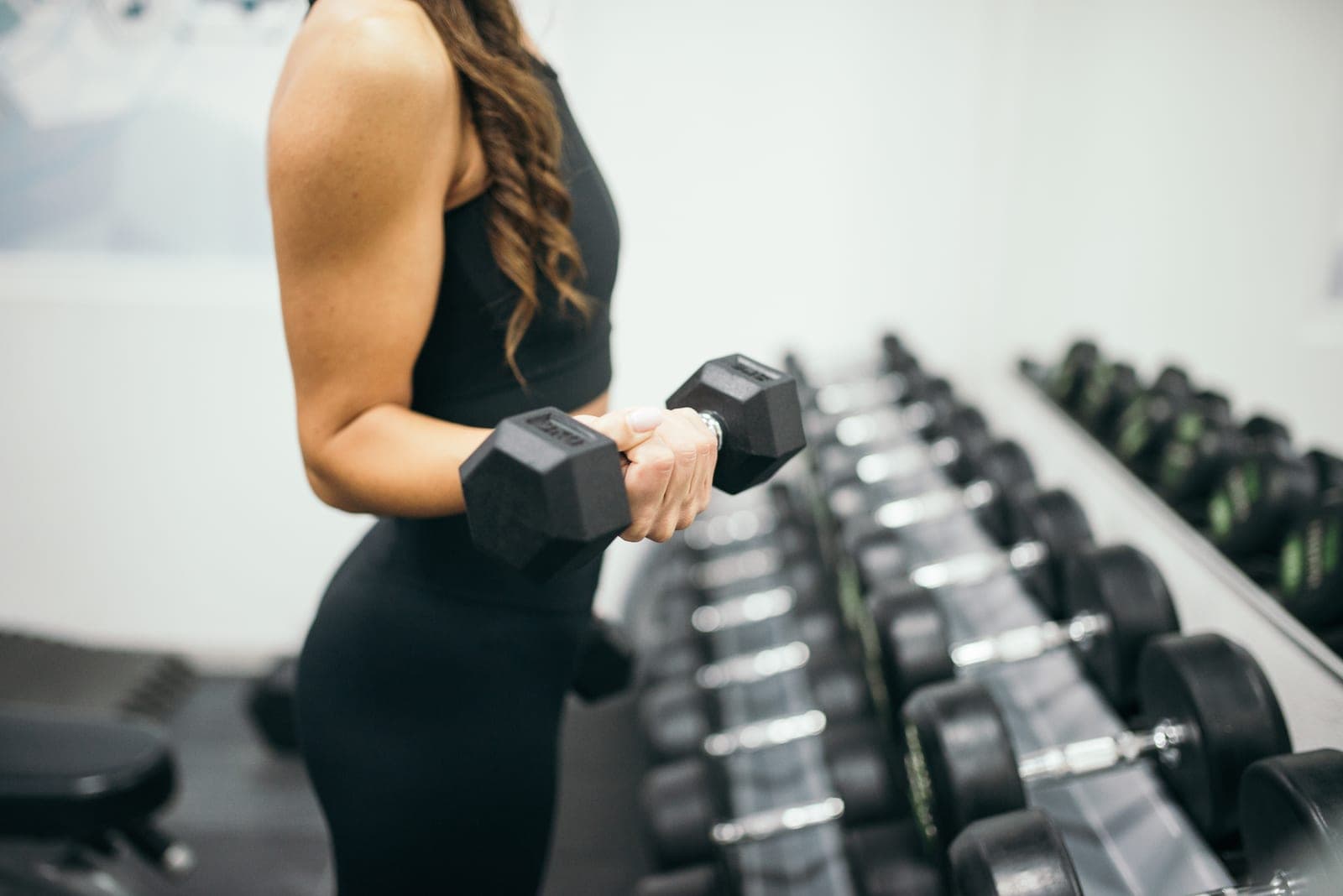
Fitness
Strength and general fitness training — the foundation that supports every other sport.
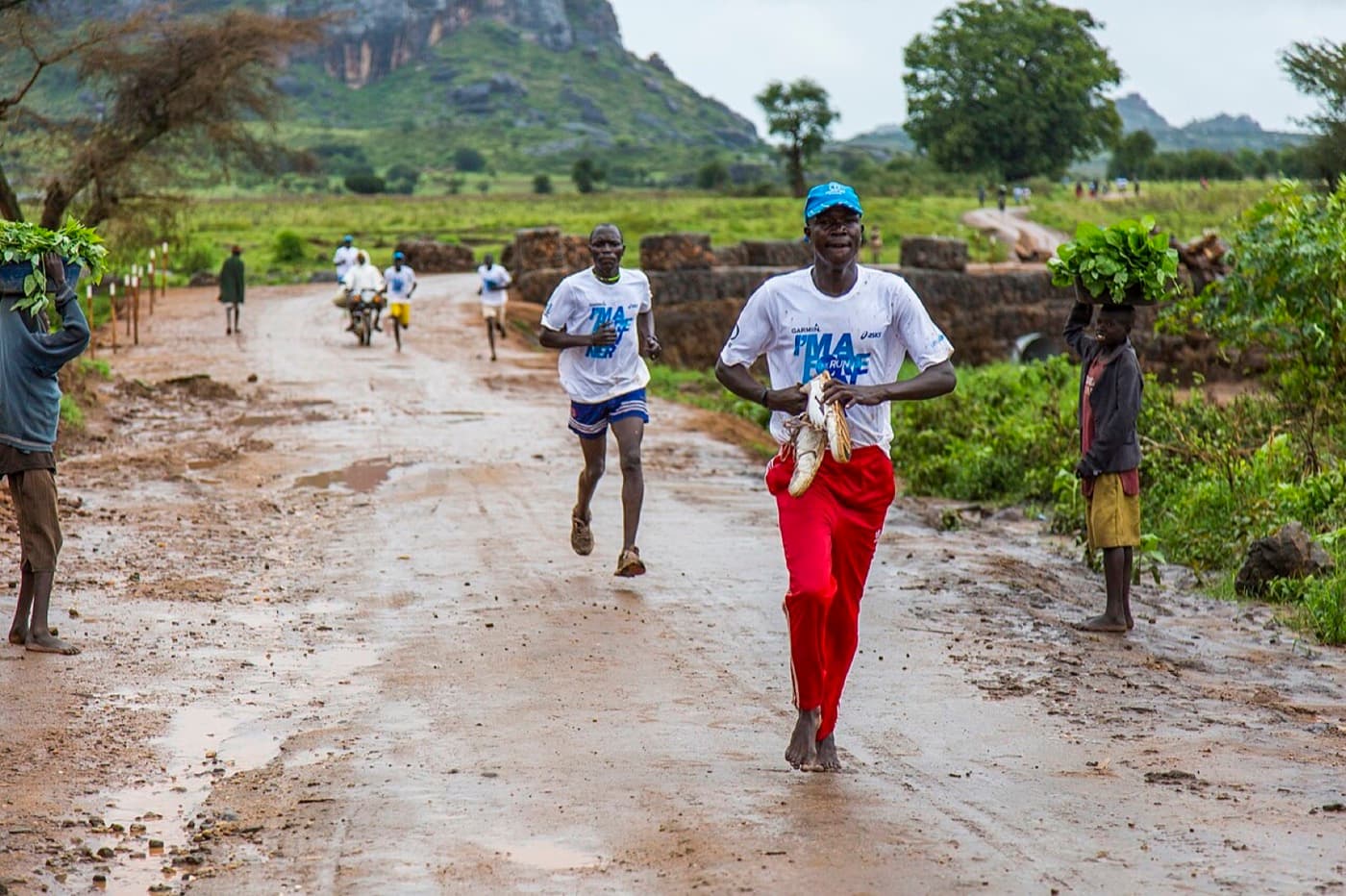
Running
The most accessible endurance sport — no venue, just shoes and the open road or trail.
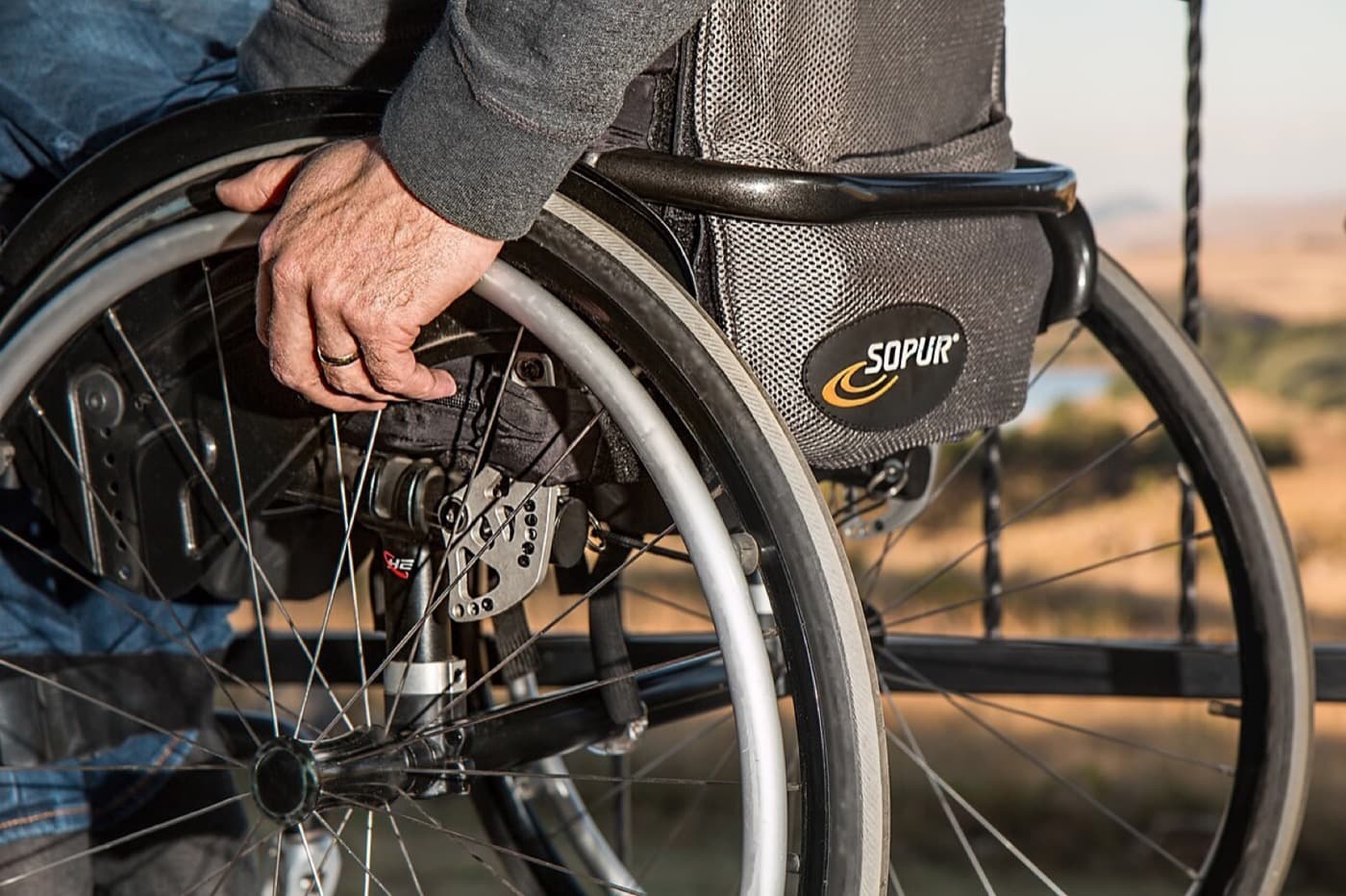
Cycling
A low-impact endurance sport that doubles as transport, exercise and adventure.
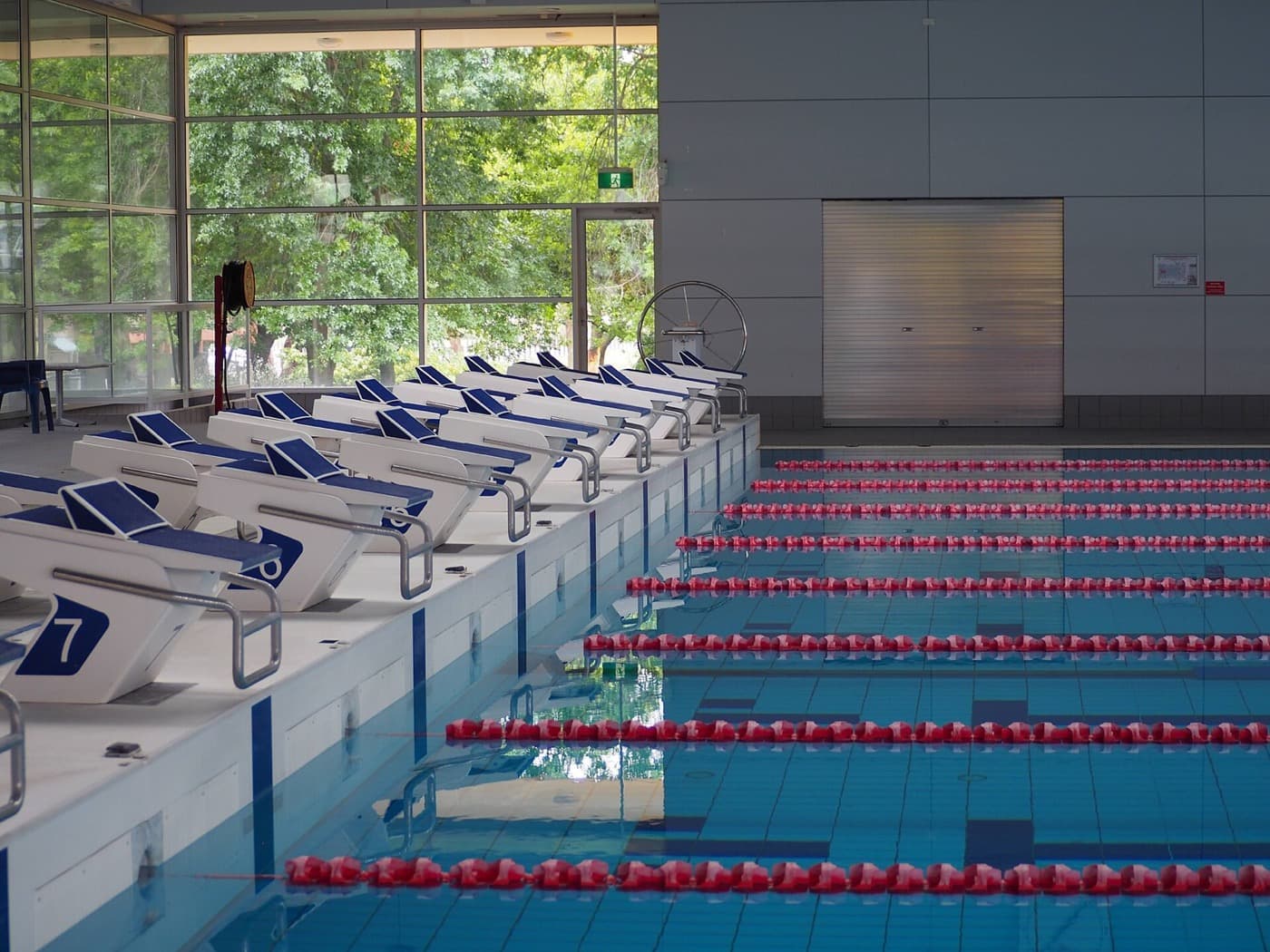
Swimming
A full-body, low-impact endurance sport suitable for almost every age and ability.
Explore across the knowledge base
Follow the threads that connect Rating of Perceived Exertion to the rest of SocialSportHub.
Training guides
- Choosing the right intensityChoosing the right intensity is about matching how hard a session feels to its purpose, so most training stays comfortable and sustainable.
- How to progress gentlyProgressing gently means increasing your training in small, gradual steps so your body has time to adapt.
- How to build a weekly routineBuilding a weekly routine means loosely planning your training across the week so effort and rest are spread out in a way you can sustain.
- How to track progress simplyTracking progress simply means keeping a light, low-effort record of your training so you can see how far you have come.
Recovery
- Easy daysEasy days are deliberately gentle training days that keep the effort low so harder sessions can stay hard.
- SleepRegular, good-quality sleep is the foundation of everyday recovery for anyone who trains or plays sport.
- Active recoveryActive recovery means very easy, gentle movement on lighter days to keep the body moving without adding hard training stress.
Training methods
- Tempo TrainingTempo training holds a firm, controlled 'comfortably hard' pace for a sustained stretch, teaching the body to sustain effort without tipping into a sprint.
- High-Intensity Interval Training (HIIT)High-intensity interval training, or HIIT, packs short, hard efforts against brief recoveries into a compact session, making it a time-efficient way to train.
- Mobility TrainingMobility training works on moving your joints actively through their full range, combining control and flexibility so movement feels free and easy.
- Cross-TrainingCross-training mixes different activities into your routine so you build all-round fitness and give repeatedly-used muscles a change of stimulus.
- Active Recovery SessionsActive recovery sessions are deliberately easy bouts of gentle movement — an easy walk, spin or swim — used on lighter days to keep moving without adding hard work.
Sports science
- Recovery and adaptationThe idea that the body adapts during recovery, not during the effort itself — which is why rest is treated as part of training rather than a break from it.
- The overload principleThe idea that the body adapts to demands greater than it is used to — the foundation of why training works.
- Training adaptationThe process by which the body changes in response to repeated training — the underlying reason exercise makes you fitter, stronger or more skilful over time.
- Managing fatigue and loadThe educational idea of balancing how much training you do against how well you recover, so effort turns into progress rather than into excess fatigue.
Equipment
- DumbbellA short handheld weight used for strength and fitness training.
- Padel racketA solid, stringless perforated racket used to play padel.
- BasketballA large, inflated ball with a dimpled surface used to play basketball.
- Badminton racketA lightweight strung racket used to hit the shuttlecock in badminton.
- Football (soccer ball)A round, inflated ball used to play association football and futsal.