
Split-step
A small preparatory hop that lands a player balanced on the balls of both feet just as an opponent strikes, priming an explosive first move.
Definition
The split-step is a timing skill: as the opponent is about to hit or serve, the player makes a tiny hop and lands lightly, knees flexed, weight forward on the balls of both feet. Landing at that instant loads the legs and shortens reaction time, so the player can push off instantly in whichever direction the ball goes. It is central to tennis, badminton, squash, and volleyball defence.
The key is timing rather than height — landing too early wastes the loaded position, too late and the player is flat-footed as the ball arrives. From the balanced landing the first step is usually a push off the outside foot toward the ball. The split-step turns a static stance into dynamic readiness and is a core component of good footwork.
Where you’ll hear “split-step”
Sports that use this term:
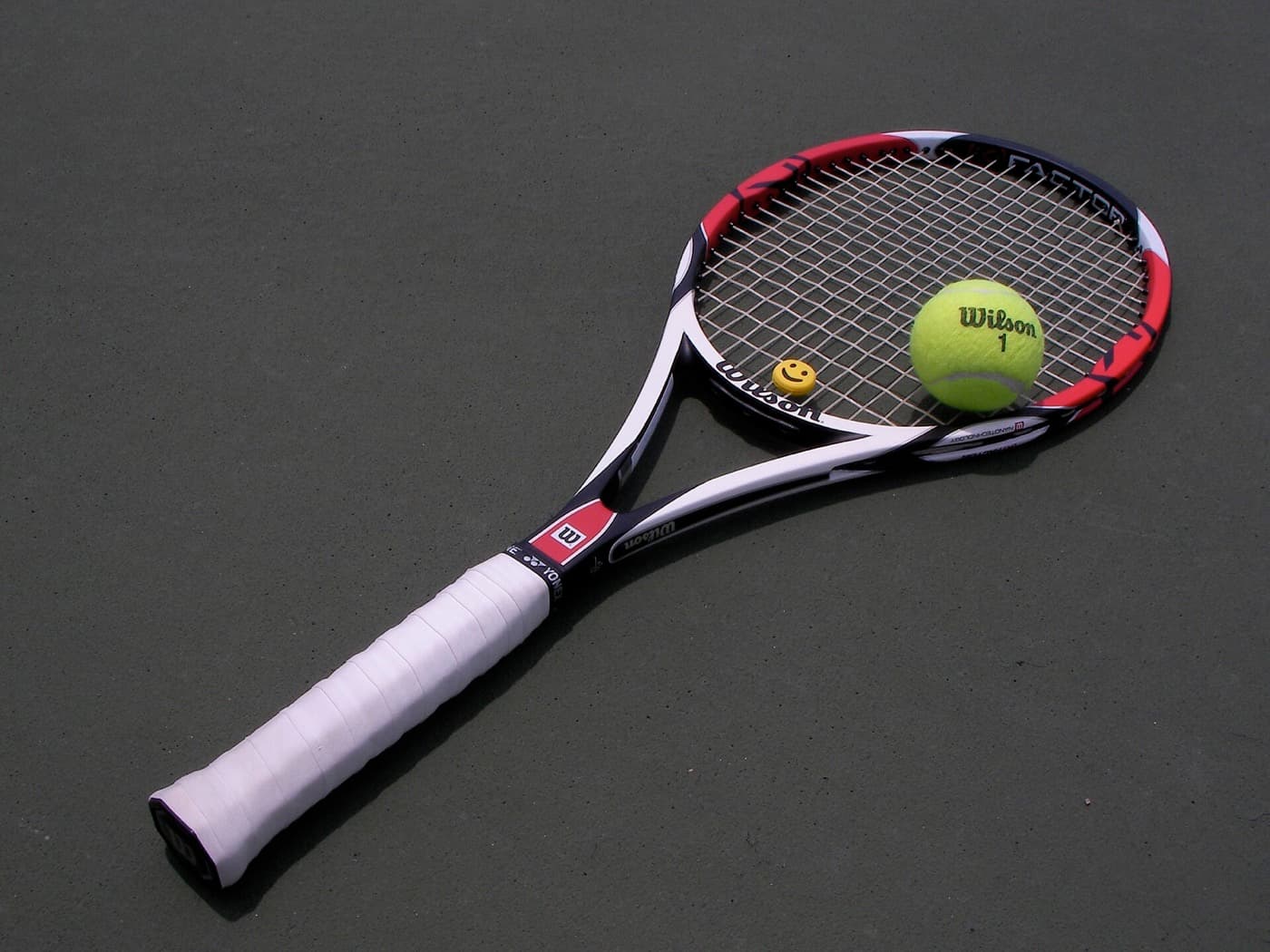
Tennis
A singles or doubles racquet sport that blends agility, strategy and stamina on court.
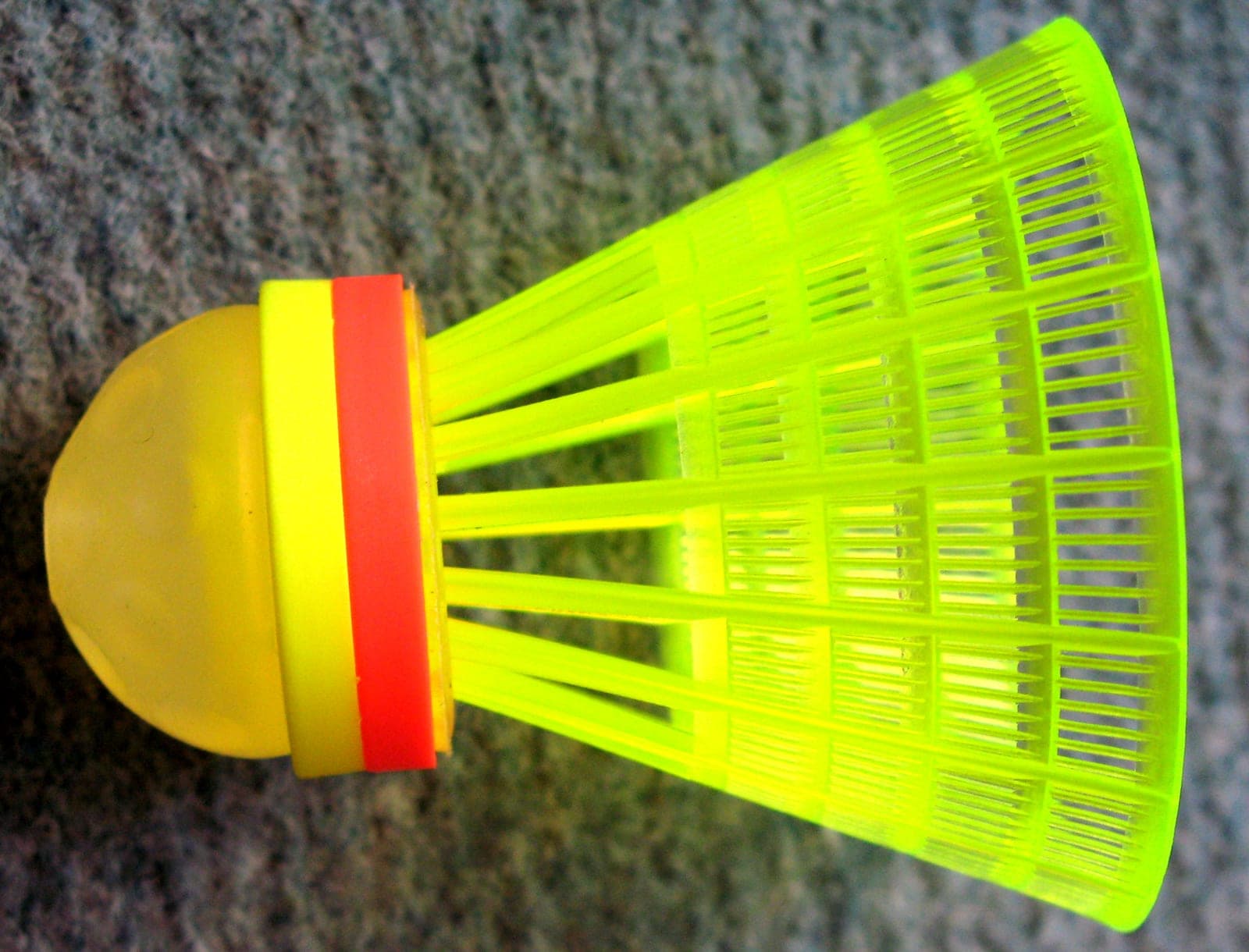
Badminton
A fast indoor racquet sport played with a shuttlecock that rewards agility and touch.
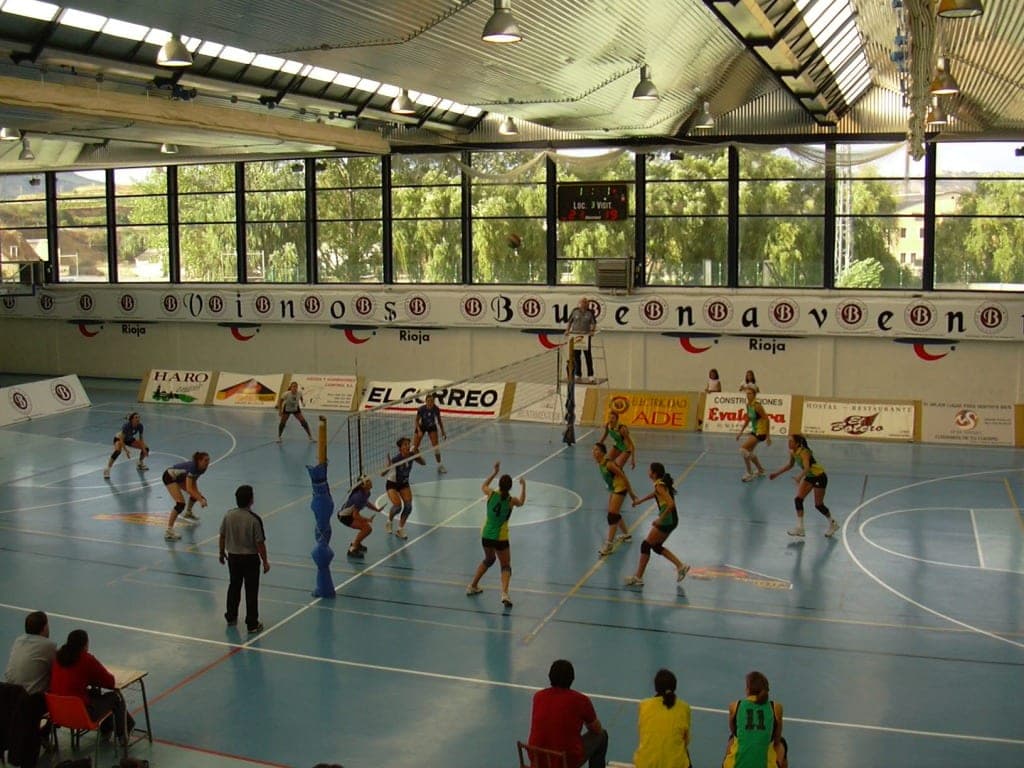
Volleyball
A non-contact team sport of rallies, jumps and teamwork — indoors or on the beach.

Padel
A sociable, doubles-first racquet sport played in an enclosed court where the walls stay in play.
Explore across the knowledge base
Follow the threads that connect Split-step to the rest of SocialSportHub.
Techniques
- Movement and recovery in tennisWhy tennis footwork is mostly about getting back rather than getting there — the split step, the recovery position that is not the centre of the court, and sliding on clay.
- The return of serveTennis's most under-coached shot — where to stand against a first and second serve, why blocking beats swinging, and what the Rules allow a returner to do.
- StickhandlingHow a hockey player carries and protects the puck at speed — why the hands work independently of the feet, the role of soft hands, and how body position beats stick skill.
- Sprint StartThe explosive start of a sprint from a set, crouched position, driving forward low before gradually rising to full stride.
Sports communication
Exercises
Movement patterns
- HopA single-leg spring that takes off from and lands on the same leg, using the stretch-shortening cycle to project the body vertically or horizontally.
- Shuffle (Lateral Shuffle)A low, athletic side-to-side stepping pattern in which the feet never cross, used to reposition and stay balanced and reactive while keeping the shoulders square to a target.
- BackpedalControlled backward locomotion performed while facing forward, staying low and pushing off the balls of the feet in short strides to stay reactive and keep play in view.
Go deeper with Split-step
Everywhere else on the platform that covers Split-step — assembled from what actually references it, so nothing here is a dead end.
Take it away
Open data and the whole-platform view of this subject.
How this page is maintained
- Content type
- Term
- Provenance
- Tier A — evergreen educational
- Verified external sources
- 0
- Content updated
- 2026-09-01
Evergreen, first-party explanation — it makes no claim that needs an external source. How we handle sources and reviews.