
Calf raise
A movement where you press up onto the balls of your feet to work the calves.
Overview
The calf raise is a lower-body movement that targets the calves — the muscles at the back of the lower leg. Standing tall, you press through the balls of your feet to lift your heels as high as comfortable, then lower them back down under control. It is essentially a push through the feet against the floor.
It can be done anywhere with bodyweight, and standing on a step allows a larger range by letting the heels drop below the platform. Holding a dumbbell adds load once the bodyweight version feels easy.
The movement
- 1Stand tall with your feet about hip-width apart.
- 2Press through the balls of your feet to lift your heels.
- 3Rise as high as is comfortable and pause briefly.
- 4Lower your heels back down with control.
Beginner notes
- Standing on a step lets the heels drop for a larger range.
- A wall or rail alongside can steady your balance.
- A slow lower makes the calves work through the whole range.
A note on training information
Where it’s used
Sports this relates to:
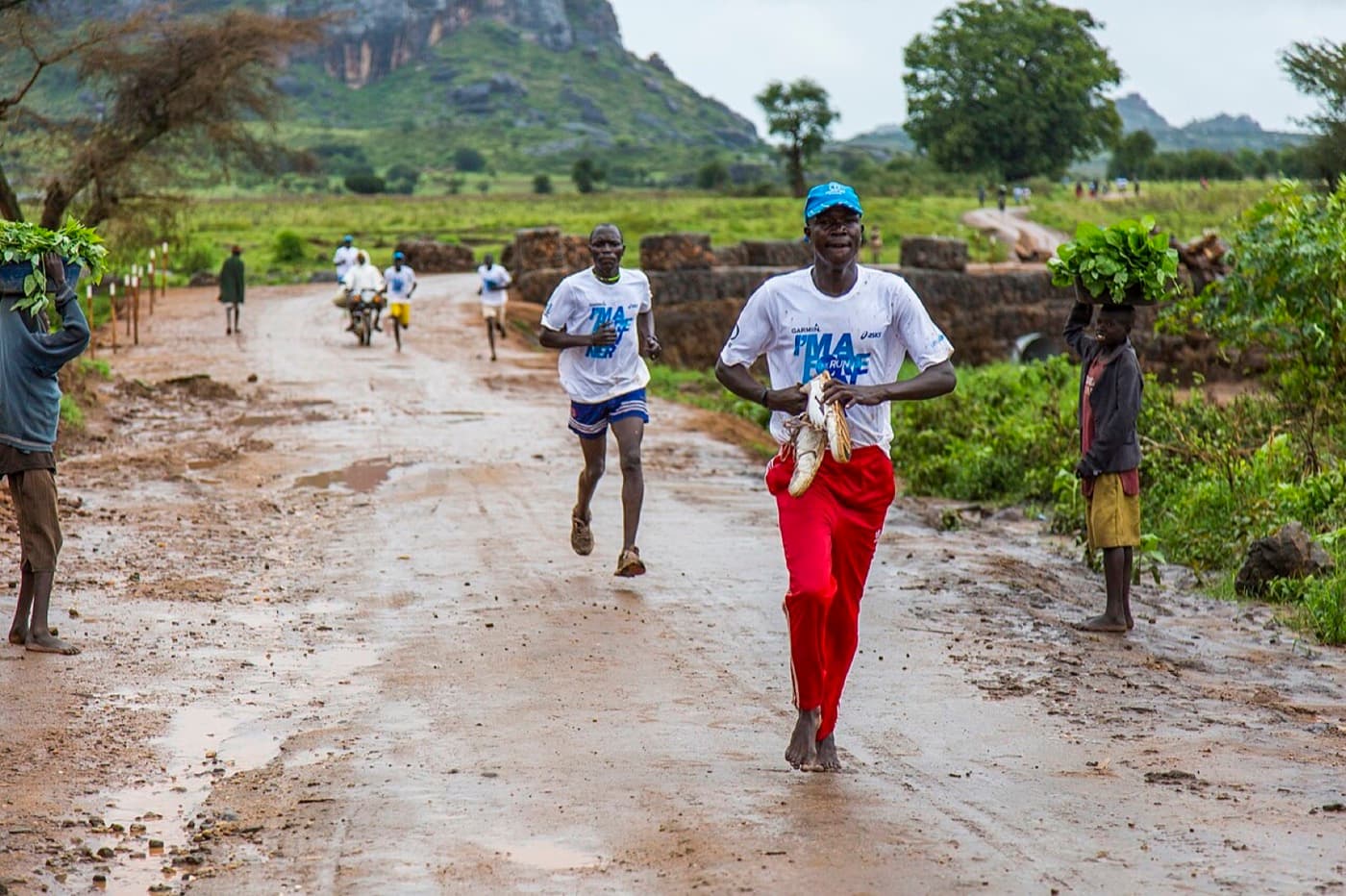
Running
The most accessible endurance sport — no venue, just shoes and the open road or trail.
Basketball
A fast, dynamic team sport of running, jumping and quick decisions on court.
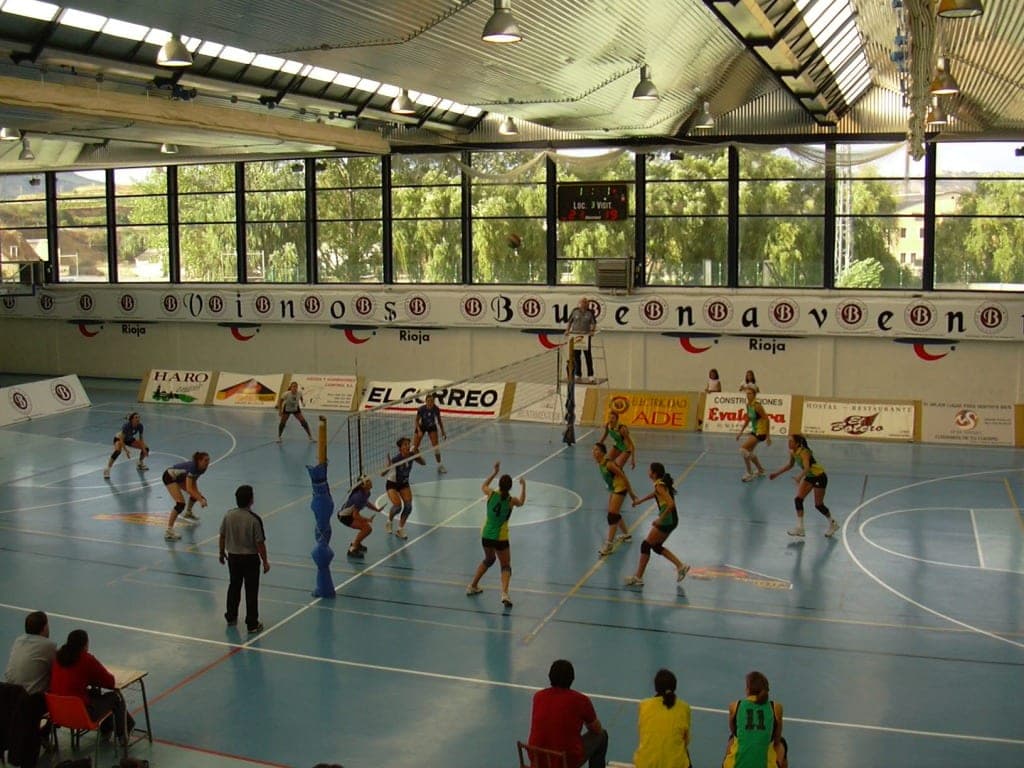
Volleyball
A non-contact team sport of rallies, jumps and teamwork — indoors or on the beach.
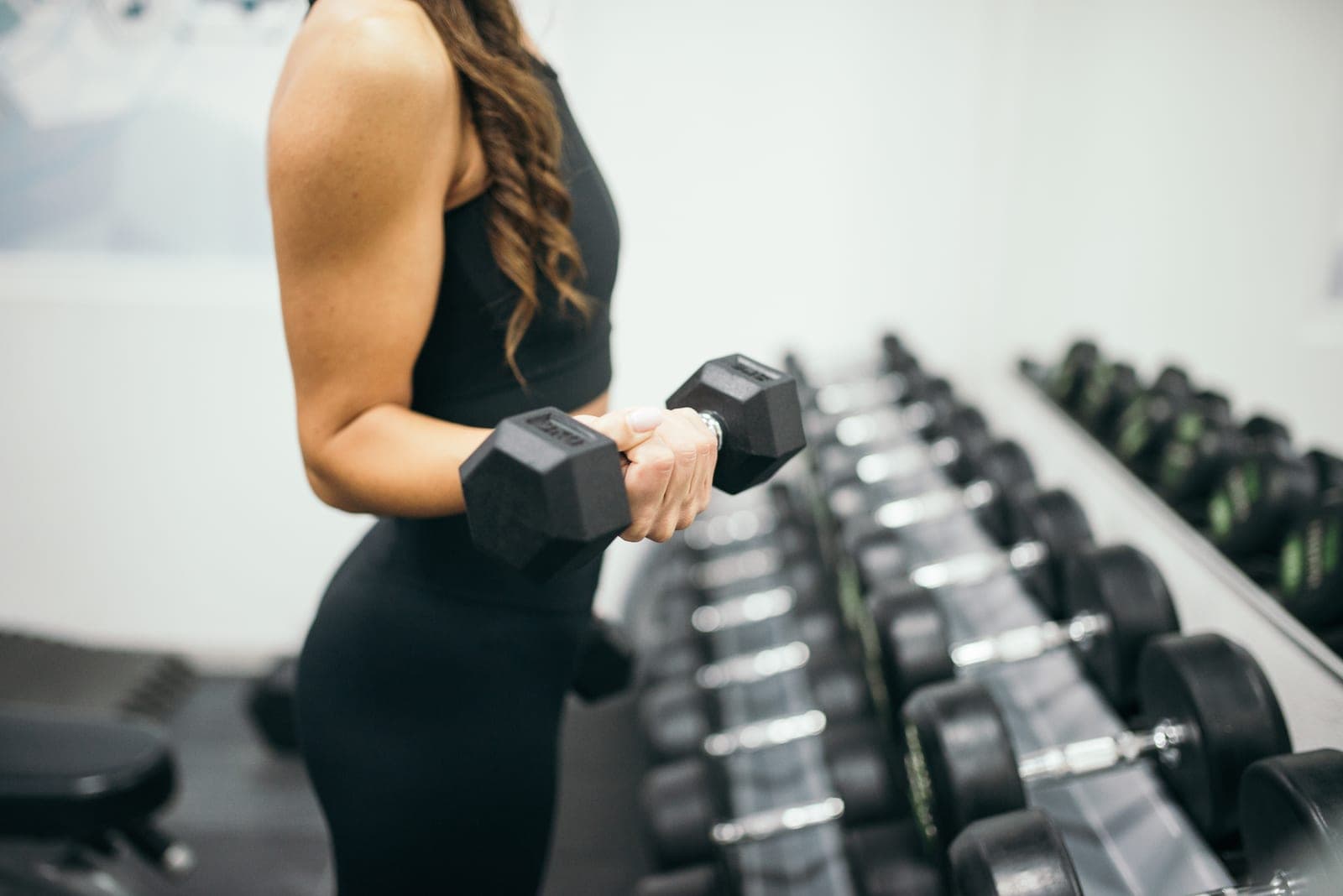
Fitness
Strength and general fitness training — the foundation that supports every other sport.
Related exercises
Squat
A foundational lower-body movement where you bend at the hips and knees to lower down and stand back up.
Goblet squat
A squat variation where you hold a single weight close to your chest for balance and control.
Jump squat
An explosive squat variation where you spring off the floor at the top of the movement.
Explore across the knowledge base
Follow the threads that connect Calf raise to the rest of SocialSportHub.
Movement patterns
- GaitThe cyclic, alternating single-leg pattern of walking and running that carries the body across the ground — the base of most field and endurance sport.
- BackpedalControlled backward locomotion performed while facing forward, staying low and pushing off the balls of the feet in short strides to stay reactive and keep play in view.
- HopA single-leg spring that takes off from and lands on the same leg, using the stretch-shortening cycle to project the body vertically or horizontally.
- LandingThe controlled absorption of force at ground contact that ends an airborne phase, dissipating impact through eccentric triple flexion of the ankle, knee and hip.
- Shuffle (Lateral Shuffle)A low, athletic side-to-side stepping pattern in which the feet never cross, used to reposition and stay balanced and reactive while keeping the shoulders square to a target.
Tactics
Techniques
- Push-UpA bodyweight exercise that lowers and raises the body by bending and straightening the arms while holding a rigid plank line.
- StickhandlingHow a hockey player carries and protects the puck at speed — why the hands work independently of the feet, the role of soft hands, and how body position beats stick skill.
Go deeper with Calf raise
Everywhere else on the platform that covers Calf raise — assembled from what actually references it, so nothing here is a dead end.
Take it away
Open data and the whole-platform view of this subject.
How this page is maintained
- Content type
- Exercise
- Provenance
- Tier A — evergreen educational
- Verified external sources
- 0
- Content updated
- 2026-07-06
Evergreen, first-party explanation — it makes no claim that needs an external source. How we handle sources and reviews.