
Reading an opponent
Picking up an opponent's cues — stance, weight, positioning and habits — to sense what they are likely to do and decide how to respond.
Overview
Reading an opponent is the habit of noticing what their body and behaviour give away — how they are balanced, where their weight is, how they hold a racket or shape their run, and the tendencies they have shown earlier in the game. From these cues a player forms an expectation of what the opponent might do next, and that expectation helps shape their own response.
It is a reading of likelihoods rather than certainties: cues suggest what is probable, not what is guaranteed, and skilled opponents deliberately disguise them. Which cues are reliable varies by sport, by opponent and by moment, so this is something learned by playing against many different people rather than from a fixed checklist.
How it works
- It is picking up an opponent's observable cues — body position, weight, hands, habits — to form an expectation.
- The reading is probabilistic, not certain: cues point to likelihoods, and good opponents disguise them.
- It draws on both in-the-moment cues and remembered tendencies from earlier in the same game.
- What counts as a reliable cue varies by sport and player, so it is learned through wide experience.
- It informs the response but does not dictate it — you still choose what to do with what you read.
In play
- In tennis or badminton, it might be reading a server's toss or an opponent's grip and stance to sense likely direction.
- In football or basketball, it can be watching a defender's hips or an attacker's body shape to judge which way they will go.
- A feint or disguise works precisely by feeding a false cue, so reading an opponent is never a guarantee.
Educational — and it varies
Where it shows up
Sports where this decision is especially visible — each with a clear guide.
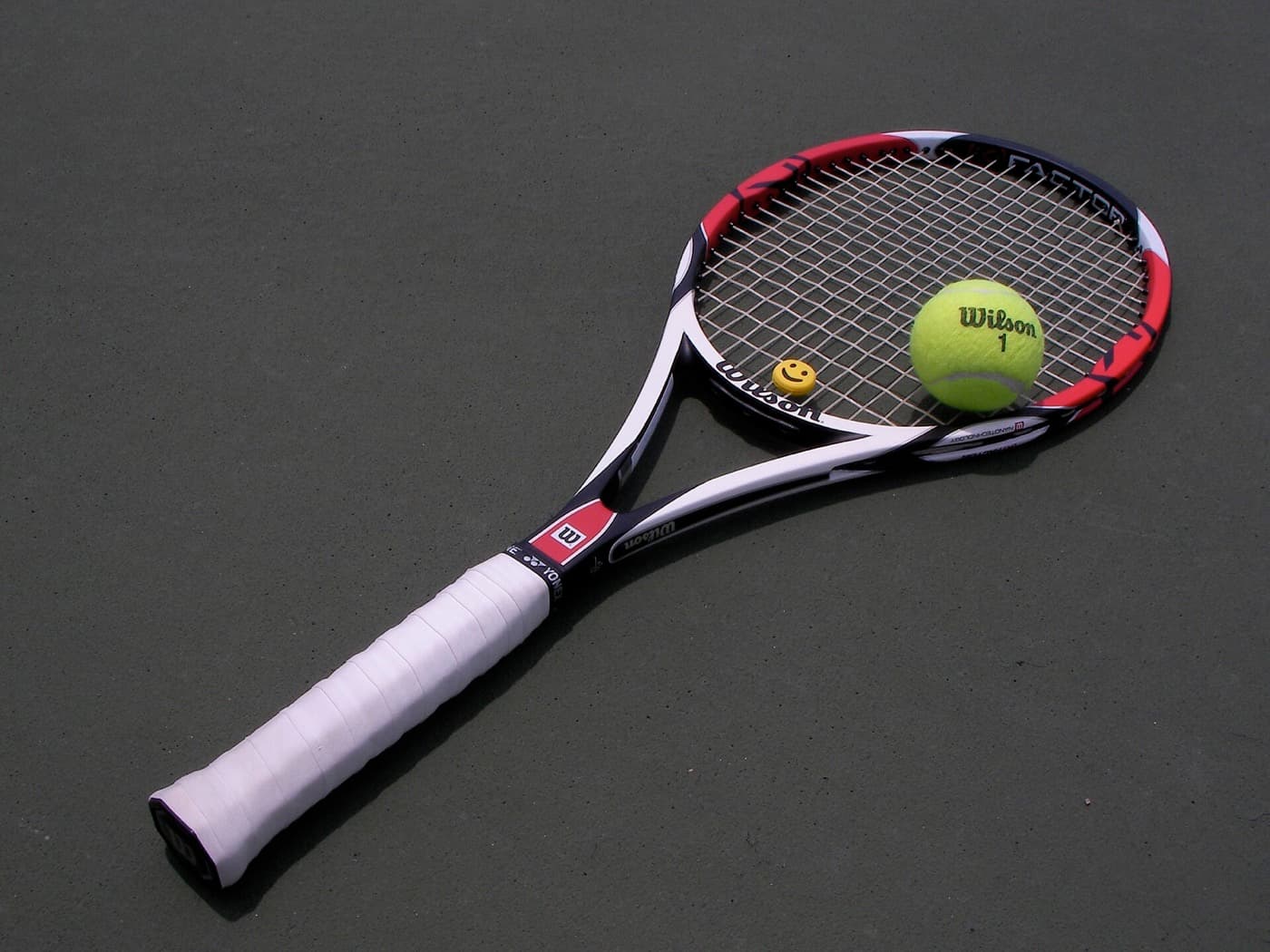
Tennis
A singles or doubles racquet sport that blends agility, strategy and stamina on court.
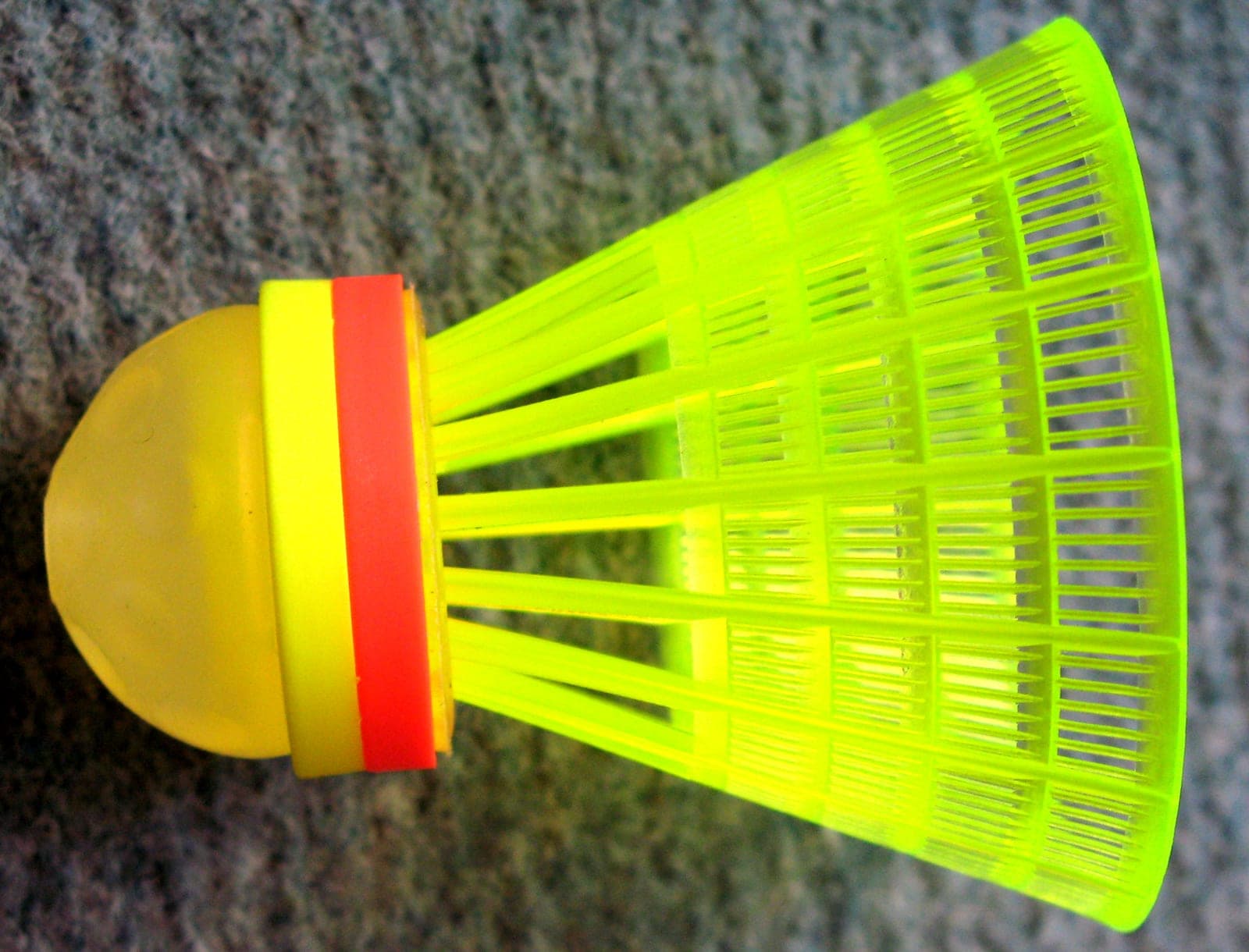
Badminton
A fast indoor racquet sport played with a shuttlecock that rewards agility and touch.

Football
The world’s most popular team sport — endless running, teamwork and community in one game.
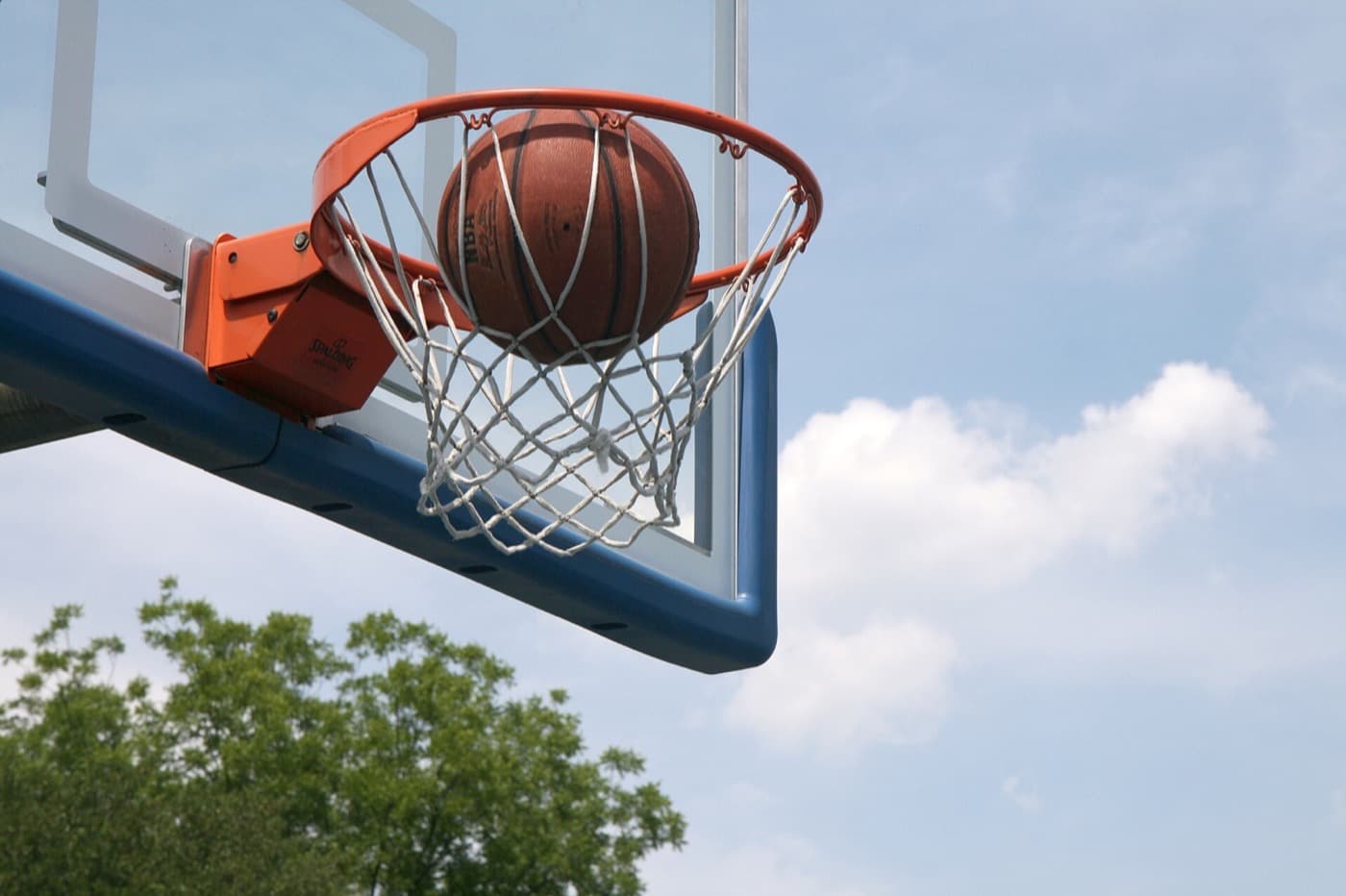
Basketball
A fast, dynamic team sport of running, jumping and quick decisions on court.
Frequently asked questions
How do players read an opponent?
They tend to pick up observable cues — stance, balance, weight, hand or racket position and habits shown earlier — and use them to sense what is likely to come next. It is a reading of probabilities rather than certainty, which is exactly why feints and disguise can work, and the useful cues differ from sport to sport.
Explore across the knowledge base
Follow the threads that connect Reading an opponent to the rest of SocialSportHub.
Tactics
- Man-to-man markingA defensive tactic where each defender is assigned a specific opponent to track and contain.
- Doubles formationHow a pair positions itself on court — one up, one back, or both at the net — to control space in doubles.
- Serve +1 and return +1The two-shot patterns that decide short points — how a serve's direction determines where the reply comes from, and how a returner uses the same idea against the server.
Skills
- MarkingThe defensive skill of staying close to an opponent to limit their space and options.
- Returning serveThe skill of reading and playing back an opponent’s serve to stay in the rally.
- ReboundingThe basketball skill of gaining the ball after a missed shot — positioning and timing decide it far more often than pure jumping height.
Sports science
- Reaction timeThe short delay between a signal and the start of the movement made in response to it.
- ProprioceptionThe body’s internal sense of where its parts are and how they are moving — the awareness behind balance and coordinated movement.
- BiomechanicsThe study of how the body produces and controls movement — the mechanics behind every technique in sport.
Knowledge Atlas
- Explore by PsychologyThe mental side of sport. It connects to existing decision-making and coaching concepts today; dedicated content is coming.
- Explore by Decision MakingThe perception-and-choice layer — reading the game, choosing, and coping under pressure.
- Explore by GoalStart from the outcome you care about — each goal opens into the sports, qualities and habits that serve it.
Practice & sessions
Healthy living
- Active Daily ChoicesThe many small choices in a day that quietly add movement — taking the stairs, standing more, and picking the more active option when you can.
- Sleep HygieneThe everyday habits and surroundings that make good sleep more likely — a calmer room, steadier timing and gentler evenings.
- Hydration habitsSimple cues and routines that make drinking enough feel automatic, rather than something to keep remembering.
How this page is maintained
- Content type
- Decision-making concept
- Provenance
- Tier A — evergreen educational
- Verified external sources
- 0
- Content updated
- 2026-07-12
Evergreen, first-party explanation — it makes no claim that needs an external source. How we handle sources and reviews.