
Improve cardiovascular health
Regular activity is widely linked with supporting heart and circulatory health as part of a balanced routine.
How sport helps
Cardiovascular health refers to how well your heart and blood vessels work. Regular physical activity is widely linked to supporting heart and circulatory health, and many people find that a consistent, active routine is one part of looking after themselves.
This is general educational information, not medical advice. Everyone’s situation is different, so a doctor is the right person to talk to about your own heart health, especially if you have any existing conditions or symptoms.
- Regular aerobic activity, such as brisk walking, cycling or swimming, is widely associated with supporting heart and circulatory health.
- Activities that gently raise your heart rate on a regular basis can help build stamina over time.
- Many people find that a consistent, enjoyable routine is easier to maintain than occasional intense efforts.
- Combining activity with other healthy habits, like not smoking and balanced eating, is commonly encouraged for overall wellbeing.
A note on health information
Getting started
- 1Start with gentle aerobic activity you enjoy and build up gradually, warming up beforehand.
- 2Aim for regular sessions across the week rather than occasional hard workouts.
- 3Listen to your body and ease off if something doesn't feel right.
- 4Speak to a doctor before starting or increasing activity, particularly if you have a heart condition, symptoms, or haven't exercised in a while.
Good sports for this goal
Great places to start — each with a clear, beginner-friendly guide.

Running
The most accessible endurance sport — no venue, just shoes and the open road or trail.
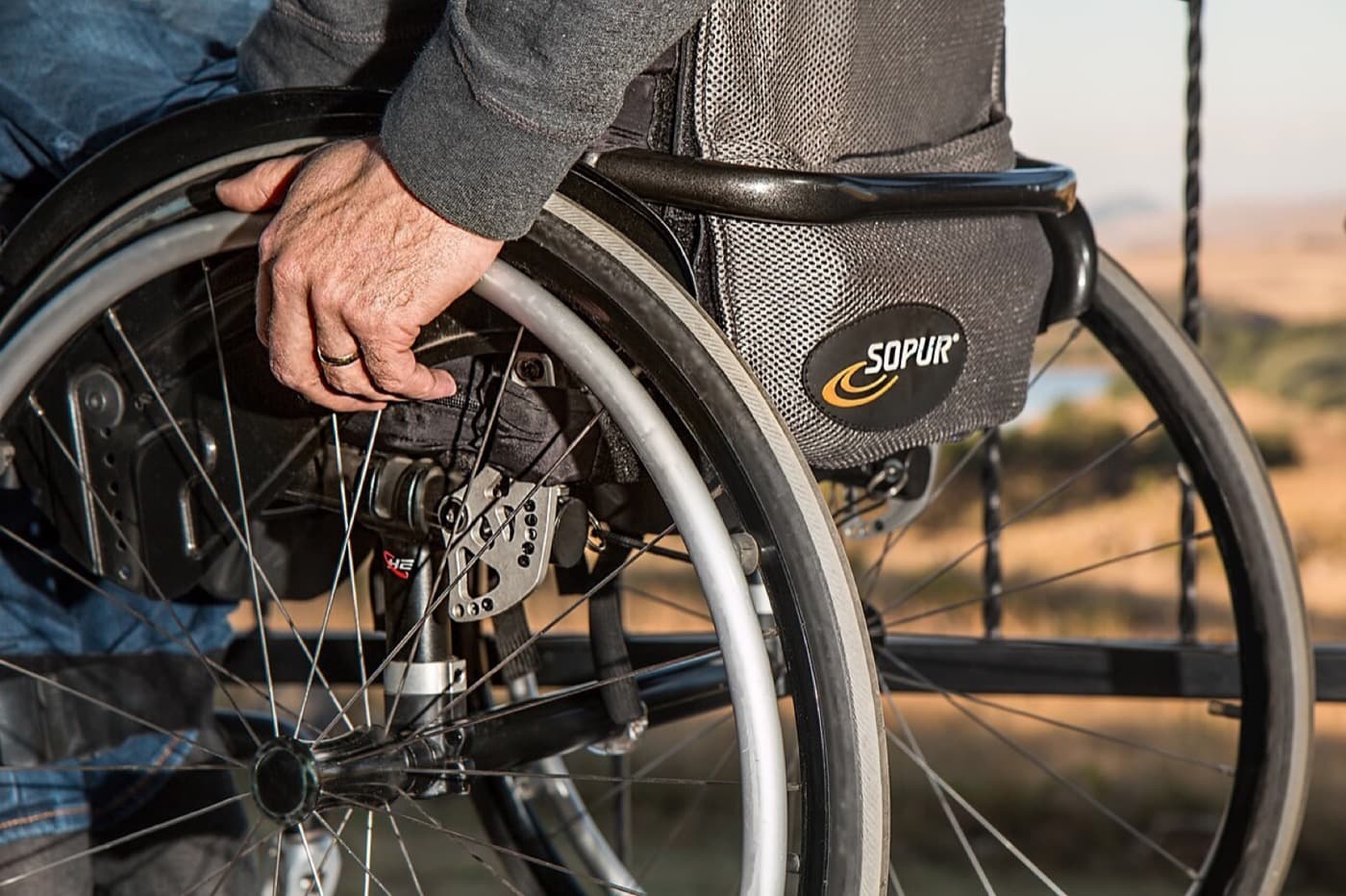
Cycling
A low-impact endurance sport that doubles as transport, exercise and adventure.

Swimming
A full-body, low-impact endurance sport suitable for almost every age and ability.
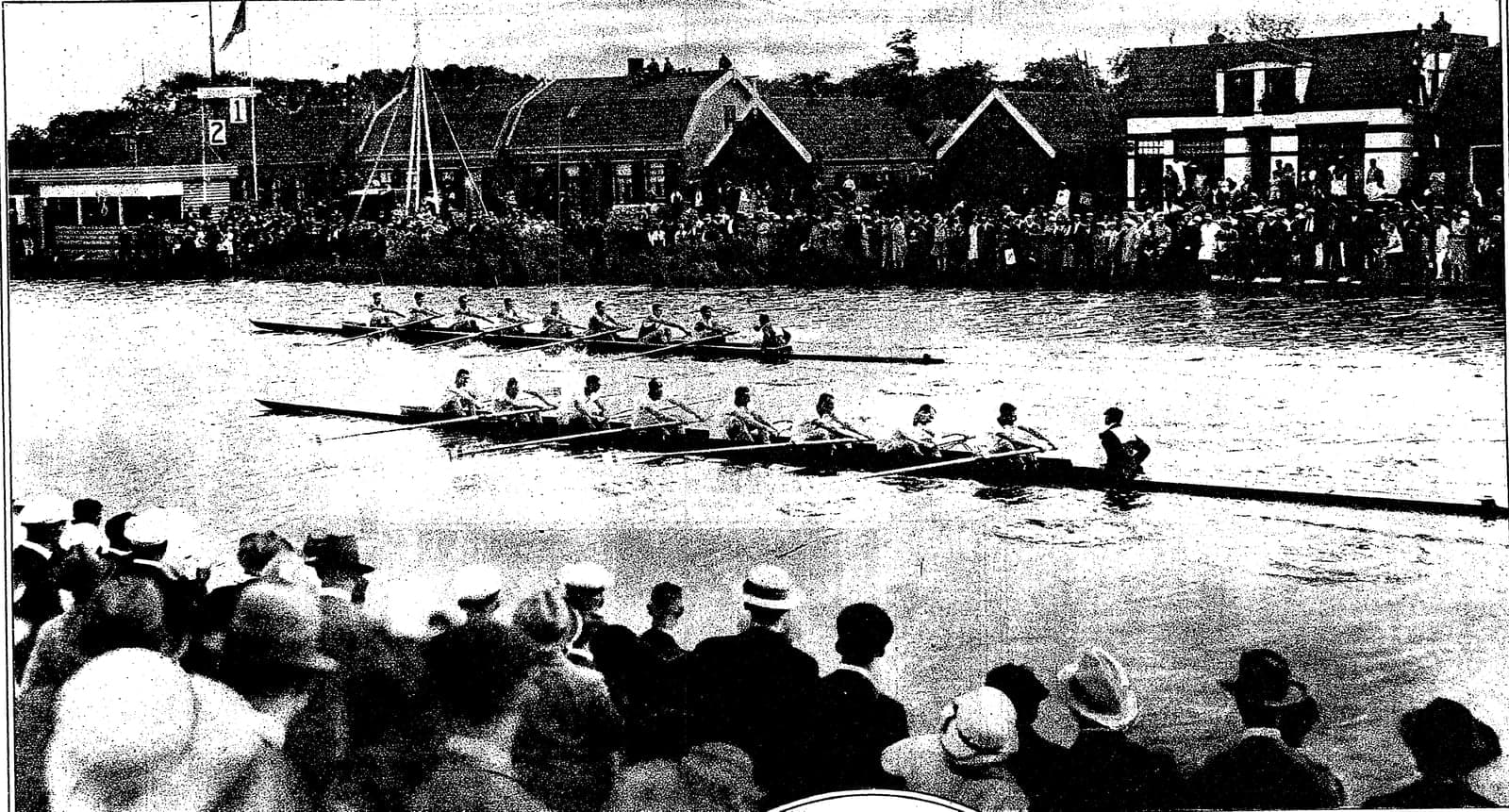
Rowing
A rhythmic, full-body endurance sport on the water or on an indoor machine.
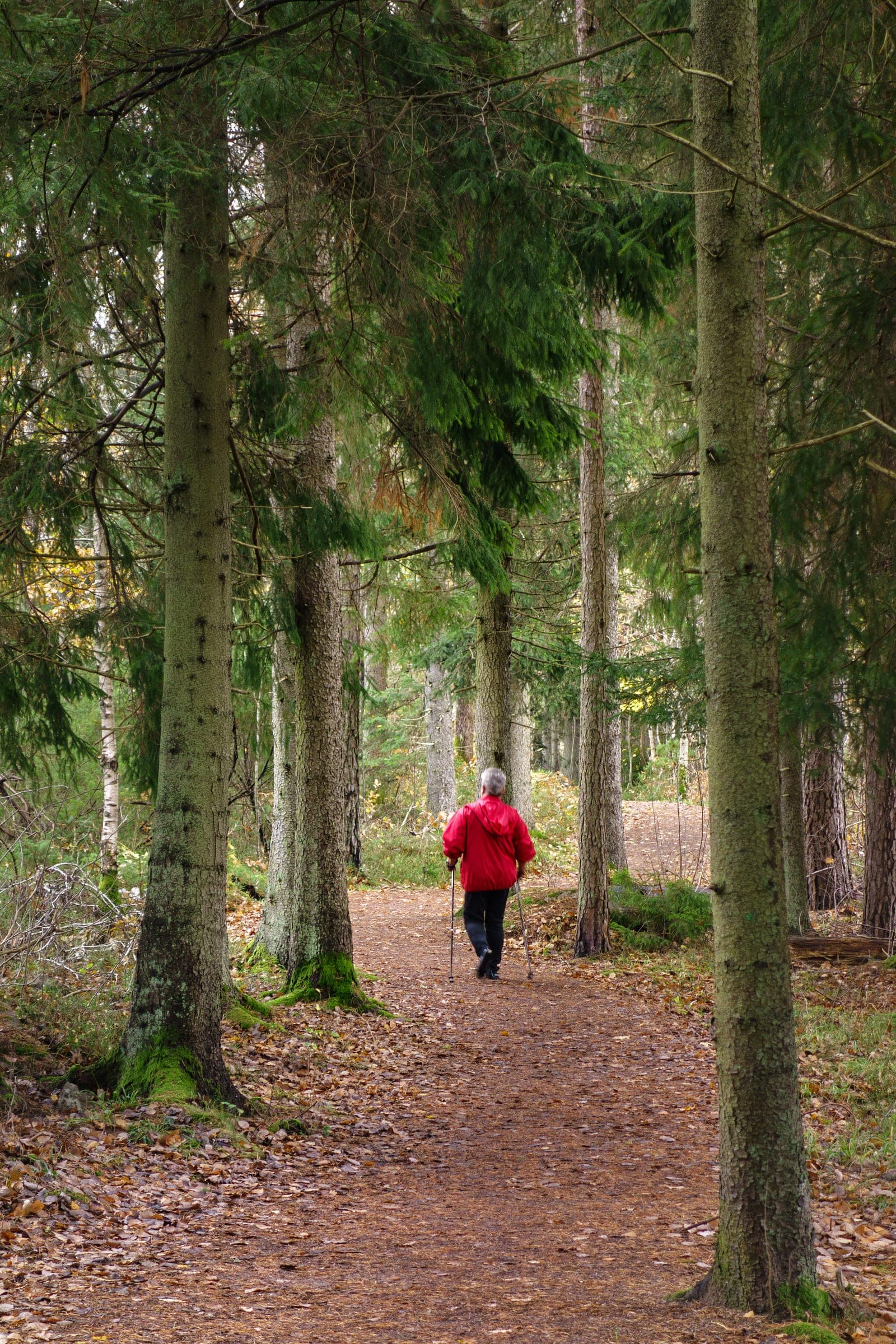
Nordic Walking
A gentle, accessible endurance activity that adds poles to bring the upper body into every walk.

HIIT
High-intensity interval training that alternates short bursts of hard effort with brief recovery.
Also fits this goal
Sports beyond the shortlist above that genuinely serve this goal, each with the reason it does and what it costs you. These are editorial judgements about how a sport is typically played, not source-verified facts.
- Strong fitCross-Country Skiing
It is continuous whole-body aerobic work, using the arms as much as the legs, with no descent to coast down.
What it costs you: It needs snow and prepared tracks, so it is seasonal and geographic before it is anything else.
- Strong fitIndoor Cycling
Sustained aerobic effort with the resistance under your own control, so the intensity is adjustable within a single session.
What it costs you: It is a fixed position for the whole class, which some people find hard on the back, neck or hands.
- Strong fitMountain Biking
Climbing is sustained hard effort and the descents are the recovery, so a ride is naturally interval-shaped.
What it costs you: The bike is a real outlay and the trails have to be reachable — this is the most access-dependent sport of its kind.
- Strong fitOpen-Water Swimming
It is continuous aerobic effort with no wall to push off and no rest at the end of a length.
What it costs you: Cold water and open conditions are a different proposition from a pool; go with others and to a supervised venue.
- Strong fitOrienteering
A course is run, not walked, over rough ground — sustained aerobic effort with route-finding on top.
What it costs you: Rough terrain is harder on ankles than a path, and the pace is yours to misjudge.
- Strong fitRacquetball
Points are long and the court is small, so there is very little standing still in a game.
What it costs you: The intensity arrives immediately rather than building, which is worth knowing before a first session.
- Strong fitTriathlon
Swimming, cycling and running are all sustained aerobic activity, and rotating them spreads the load across different movements.
What it costs you: The volume that triathlon training implies is a lot to take on at once; most people build one discipline at a time first.
Train for it
Exercises and methods that build what this goal needs — educational, not a prescription.
Wall sit
A holding exercise where you sit against a wall with no chair, holding a squat position still.
Step-up
A movement where you step up onto a raised platform one leg at a time and step back down.
Kettlebell swing
A dynamic hinge where you swing a kettlebell to shoulder height using a snap of the hips.
Push-up
A classic upper-body pushing exercise where you lower and press your body up from the floor.
Tricep dip
A pushing exercise where you lower and raise your body using your arms on parallel bars or a bench.
Pull-up
A vertical pulling exercise where you hang from a bar and pull your chin above it.
Frequently asked questions
Can exercise improve heart health?
Regular physical activity is widely linked with supporting cardiovascular health, and it's commonly recommended as part of a healthy lifestyle. Individual results vary, though, and a doctor can give guidance tailored to your situation.
What type of activity is good for the heart?
Aerobic activities that raise your heart rate steadily — such as walking, cycling, swimming and jogging — are often highlighted for heart health. The best choice is one you can do regularly and enjoy.
Should I check with a doctor before starting?
It's a sensible idea, especially if you have an existing heart condition, experience symptoms like chest pain or breathlessness, or have been inactive for a long time. This page is educational and not a substitute for professional medical advice.
Related goals
Improve fitness
Build well-rounded fitness — stamina, strength and more — through regular, varied activity you can keep up.
Become more active
Add regular, gentle movement to your everyday life and build up from a sedentary start at your own pace.
Build an active lifestyle
Make movement a natural, lasting part of daily life through activities and habits you genuinely enjoy.
Healthy aging
Stay active, steady and independent as you get older with a sustainable mix of gentle cardio, strength and balance work.
Who & where this fits
This goal fits all kinds of people and lifestyles.
Outdoors
Sport and activity in the fresh air — running, cycling, hiking and more, using parks, trails and open space.
30 minutes
A half-hour is enough for a proper, well-rounded session across many sports and workouts.
1 hour
A full hour opens up almost any sport, from a proper game to a longer ride, run or gym session.
How it connects
The meaning-bearing relationships that place Improve cardiovascular health in the wider knowledge graph — each one with the reason it exists.
Achieved through
Routes people take towards this goal.
- RunningRunning is one of the sports listed under the “Improve cardiovascular health” goal.
- CyclingCycling is one of the sports listed under the “Improve cardiovascular health” goal.
- SwimmingSwimming is one of the sports listed under the “Improve cardiovascular health” goal.
- RowingRowing is one of the sports listed under the “Improve cardiovascular health” goal.
- Nordic WalkingNordic Walking is one of the sports listed under the “Improve cardiovascular health” goal.
Explore across the knowledge base
Follow the threads that connect Improve cardiovascular health to the rest of SocialSportHub.
Healthy living
- WalkingThe most accessible activity there is — free, low-impact, and one of the easiest ways to add movement to any day.
- Taking the StairsChoosing stairs over the lift as a simple, no-cost way to add a little more effort to an ordinary day.
- Hydration and exerciseSensible fluid habits before, during and after activity — so you feel good and recover well without overthinking it.
- Active CommutingBuilding movement into the journey to work or school — walking or cycling all or part of the way, so travel time doubles as active time.
- Movement for Stress ReliefHow gentle, regular movement is widely associated with feeling calmer — a simple, accessible way to support everyday stress management.
Knowledge Atlas
Sport categories
How this page is maintained
- Content type
- Life goal
- Provenance
- Tier A — evergreen educational
- Verified external sources
- 0
- Content updated
- 2026-09-22
Evergreen, first-party explanation — it makes no claim that needs an external source. How we handle sources and reviews.