
Improve mobility
Move your joints more freely and comfortably through their natural range with regular, gentle practice.
How sport helps
Mobility is your ability to move your joints freely and comfortably through their natural range of motion. Good mobility helps everyday movements — reaching, bending, twisting — feel easier, and it supports many sports and activities.
Mobility tends to respond well to regular, gentle practice. Moving your joints through their full range often, rather than forcing big changes quickly, is generally a sustainable way to maintain and improve how you move.
- Activities like yoga, pilates and tai chi guide your joints through their range of motion, which can help maintain and improve mobility.
- Regular, varied movement keeps joints accustomed to moving freely.
- Gentle, controlled practice is generally more effective and safer than forcing a stretch or range.
- Combining mobility work with your other activities can help you move more comfortably in sport and daily life.
Getting started
- 1Include some gentle joint movements as part of your warm-up and cool-down.
- 2Practise controlled movements through a comfortable range rather than pushing into pain.
- 3Be consistent — a little mobility work often is usually better than occasional long sessions.
- 4If you have joint pain, an injury or a medical condition, consider guidance from a doctor or qualified physiotherapist.
Good sports for this goal
Great places to start — each with a clear, beginner-friendly guide.
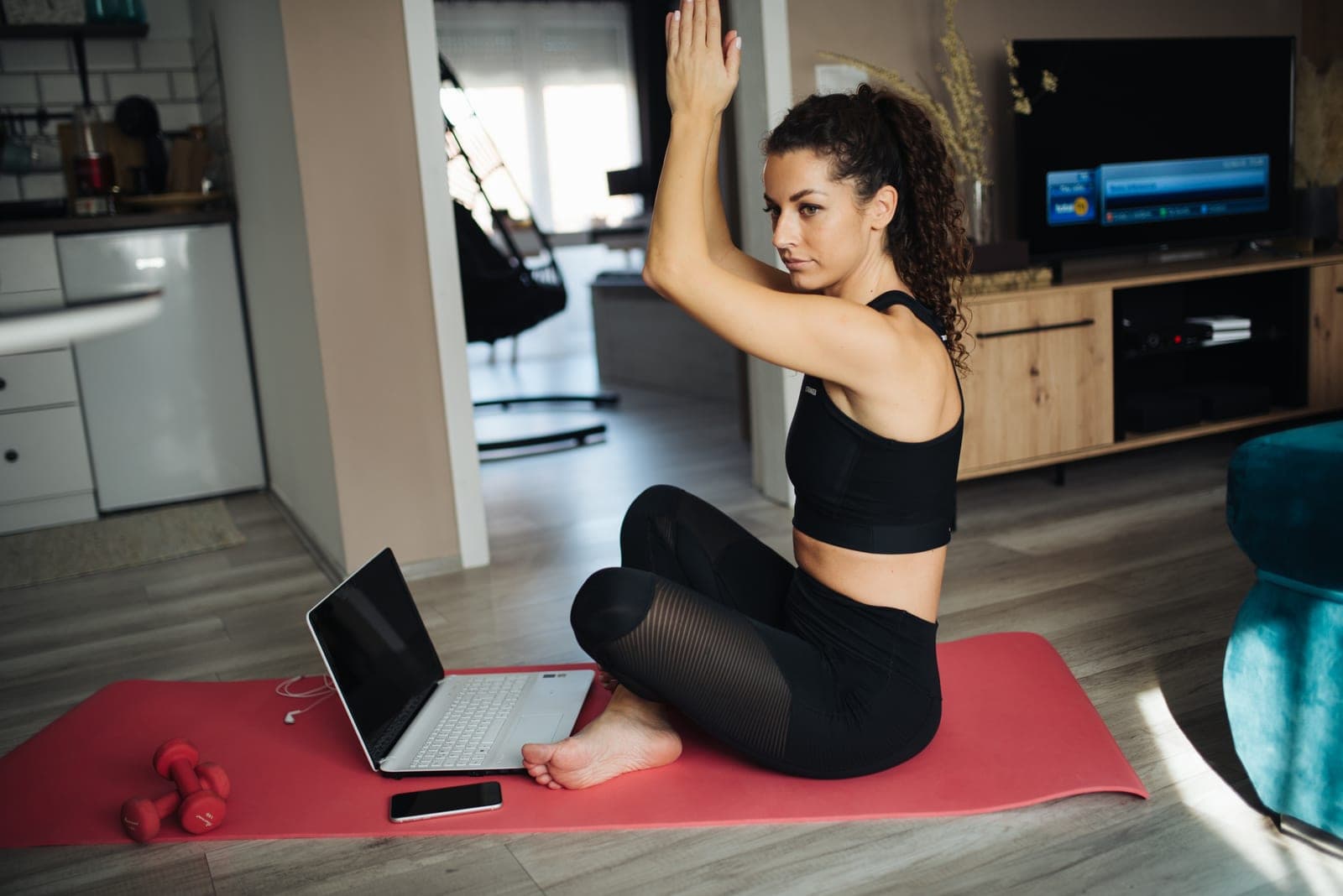
Yoga
A mind-body practice that links postures, breathing and focus to build flexibility, strength and calm.
Pilates
A low-impact mind-body method that builds core strength, control and posture through precise, controlled movement.
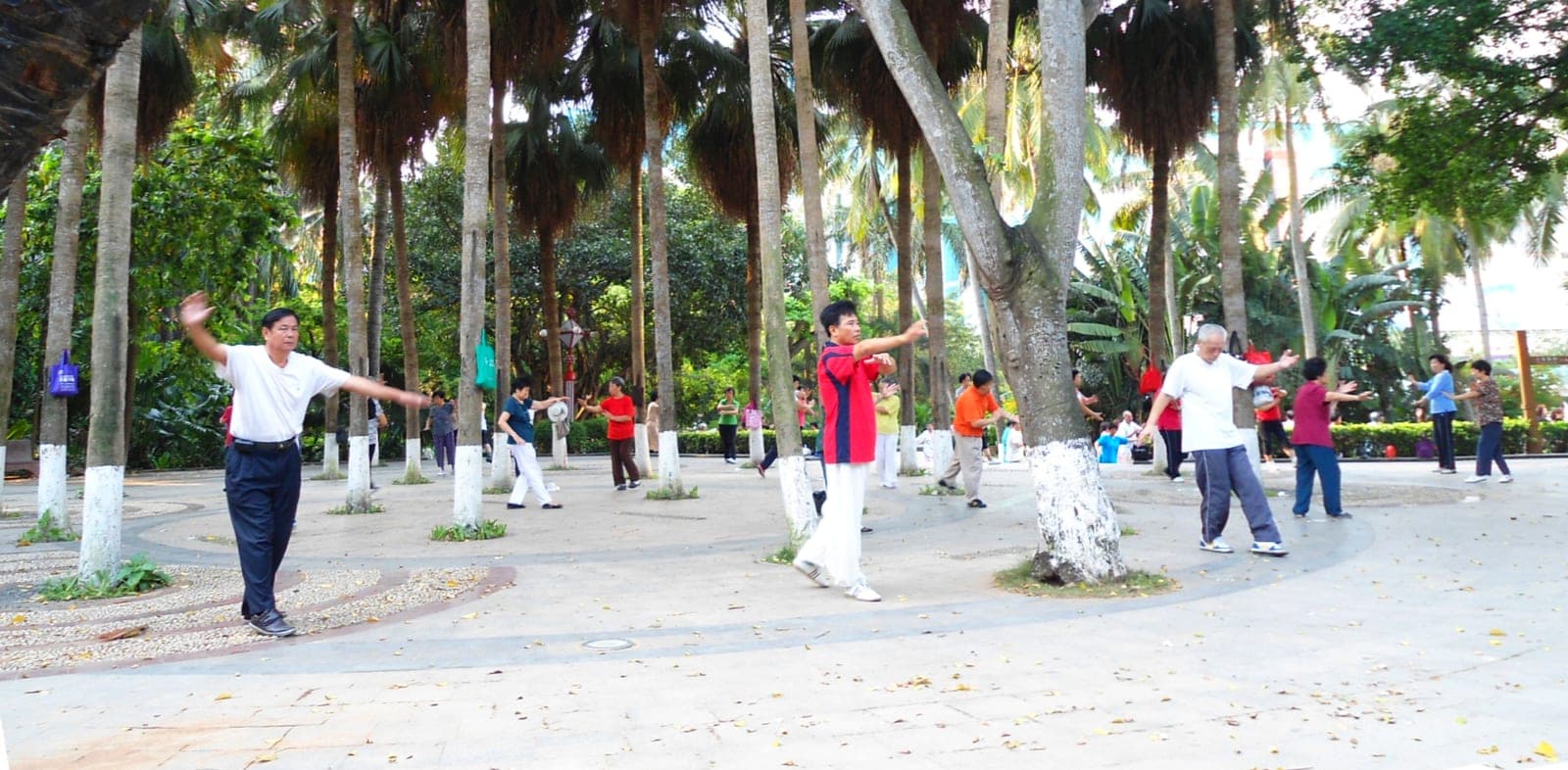
Tai Chi
A gentle mind-body practice of slow, flowing movements that builds balance, mobility and calm.
Qigong
A gentle mind-body practice that pairs simple, flowing movements with slow, focused breathing.

Swimming
A full-body, low-impact endurance sport suitable for almost every age and ability.
Also fits this goal
Sports beyond the shortlist above that genuinely serve this goal, each with the reason it does and what it costs you. These are editorial judgements about how a sport is typically played, not source-verified facts.
- Strong fitBarre
Sessions work through controlled range at the hip, ankle and spine rather than loading them, which is mobility work by construction.
What it costs you: It is a studio class at a set time with a recurring cost, so it depends on one running near you.
Train for it
Exercises and methods that build what this goal needs — educational, not a prescription.
Squat
A foundational lower-body movement where you bend at the hips and knees to lower down and stand back up.
Romanian deadlift
A hinge variation focused on the back of the legs, lowering the weight without returning it to the floor.
Hip hinge
The foundational bending-at-the-hips pattern that underpins deadlifts, swings and picking things up.
Band pull-apart
A simple pulling exercise where you stretch a resistance band across your chest to work the upper back.
Mobility Training
Mobility training works on moving your joints actively through their full range, combining control and flexibility so movement feels free and easy.
Flexibility Training
Flexibility training uses stretching to gradually improve how far your muscles and joints can comfortably lengthen and move.
Frequently asked questions
What's the difference between mobility and flexibility?
Flexibility usually refers to how far a muscle can lengthen, while mobility is about how well you can actively move a joint through its range with control. They are related, and improving one often helps the other.
How can I improve my mobility?
Regular, gentle movement that takes your joints through their range — such as mobility drills, yoga or pilates — is a common approach. Consistency over time tends to matter more than intensity.
Is stretching the same as mobility work?
Not exactly. Stretching mainly targets muscle length, while mobility work emphasises controlled movement of the joint itself. Many routines include both.
Related goals
Improve flexibility
Lengthen your muscles and widen your range of motion through regular, gentle stretching over time.
Improve balance
Train steadiness and control at any age with simple, progressive balance practice done safely.
Healthy aging
Stay active, steady and independent as you get older with a sustainable mix of gentle cardio, strength and balance work.
Become more active
Add regular, gentle movement to your everyday life and build up from a sedentary start at your own pace.
Who & where this fits
This goal fits all kinds of people and lifestyles.
Seniors
How gentle, supported sport can help older adults stay active, mobile and connected, with a professional check first.
Office workers
How sport can offset long hours of sitting and screen time to support mobility, energy and stress relief.
Returning to sport
How to ease back into sport after a break, rebuilding gradually and listening to your body.
Remote workers
How sport can fit a work-from-home life — replacing the movement a commute used to provide and breaking up long spells at a home desk.
Retirees
How sport can fit newly free time in retirement — an opportunity to be active, social and purposeful, at a comfortable and well-guided pace.
At the office
Ways to stay active around a desk job — walking, mobility breaks and stretching that fit into a working day.
How it connects
The meaning-bearing relationships that place Improve mobility in the wider knowledge graph — each one with the reason it exists.
Achieved through
Routes people take towards this goal.
- YogaYoga is one of the sports listed under the “Improve mobility” goal.
- PilatesPilates is one of the sports listed under the “Improve mobility” goal.
- Tai ChiTai Chi is one of the sports listed under the “Improve mobility” goal.
- QigongQigong is one of the sports listed under the “Improve mobility” goal.
- SwimmingSwimming is one of the sports listed under the “Improve mobility” goal.
Explore across the knowledge base
Follow the threads that connect Improve mobility to the rest of SocialSportHub.
Recommendations
- Recommended for “Improve mobility”Sports, qualities, a learning path and first steps for “Improve mobility” — every suggestion a real graph link, shown with its reason.
- Recommended for “Improve balance”Sports, qualities, a learning path and first steps for “Improve balance” — every suggestion a real graph link, shown with its reason.
- Recommended for “Improve flexibility”Sports, qualities, a learning path and first steps for “Improve flexibility” — every suggestion a real graph link, shown with its reason.
- Recommended for “Improve coordination”Sports, qualities, a learning path and first steps for “Improve coordination” — every suggestion a real graph link, shown with its reason.
Barriers
Healthy living
- Active BreaksShort bursts of movement woven through the working or study day to break up long stretches of sitting.
- Reducing SittingBreaking up long, unbroken stretches of sitting with small, regular movement through the day.
- Active recoveryGentle, easy movement on your off days — a relaxed way to keep the body moving while it recovers, instead of doing nothing.
- Stretching for recoveryUsing gentle, unhurried stretching to feel loosened and relaxed after activity — an easy, calming way to wind down.
Adaptive sports
- Accessibility in sportHow sport removes barriers — physical, sensory, social and informational — so that disabled people can take part on equal terms.
- Adaptive equipmentPurpose-built or adjusted gear — from sport wheelchairs to sound-adapted balls — that helps make a sport accessible to play.
- Adaptive techniquesThe adjusted skills and movement patterns — a different grip, stroke or stance — that let people play a sport in the way that works for them.
- Inclusive facilitiesSports venues designed or adapted so that disabled and non-disabled people can arrive, take part and feel welcome on equal terms.
How this page is maintained
- Content type
- Life goal
- Provenance
- Tier A — evergreen educational
- Verified external sources
- 0
- Content updated
- 2026-09-22
Evergreen, first-party explanation — it makes no claim that needs an external source. How we handle sources and reviews.