
Adaptive techniques
The adjusted skills and movement patterns — a different grip, stroke or stance — that let people play a sport in the way that works for them.
Overview
Adaptive techniques are the adjusted ways of performing a skill so that a sport works for a particular person. Where equipment changes the kit and adapted rules change the game, technique changes the movement itself — a different grip on a racket, a one-handed catch, a stroke suited to a seated position, or a way of steering a wheelchair while controlling a ball. The skill stays the same in purpose; how it is executed is tailored to the athlete.
Technique is deeply personal, and there is rarely a single 'correct' way — a good adaptation is one that is effective, comfortable and repeatable for the individual. Athletes and coaches develop these approaches together over time through practice and small refinements. This is general educational information; for technique suited to a specific person or disability, a qualified coach or professional and the sport's governing body are the right sources.
What to know
- Adjusted ways of performing a skill so a sport works for a particular person.
- Technique changes the movement itself — grip, stroke, stance, catch or chair control — not the equipment or rules.
- There is rarely one 'correct' way; a good adaptation is effective, comfortable and repeatable for the individual.
- Athletes and coaches usually develop techniques together through practice and refinement.
- The purpose of the skill stays the same; only the way it is executed is tailored.
In practice
- What works is highly individual, so copying someone else's technique may not transfer directly.
- Small changes — a grip, a stance, a timing cue — often make a big difference.
- Progress tends to come from patient practice rather than a single fix.
- For technique suited to a specific person, ask a qualified coach or professional and the sport's governing body.
Educational & inclusive
Related sports
Sports that connect to this topic — each with a clear, beginner-friendly guide.
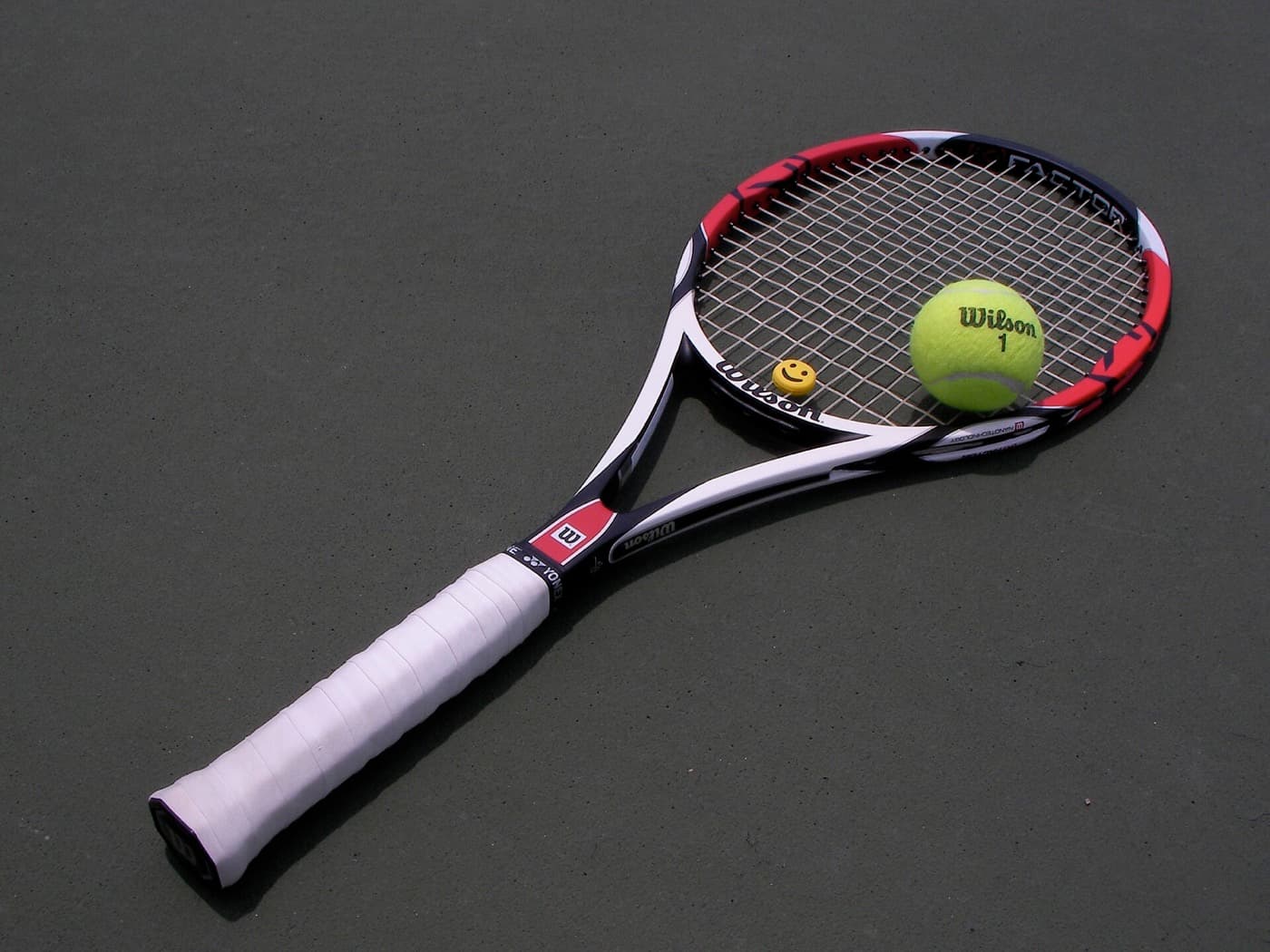
Tennis
A singles or doubles racquet sport that blends agility, strategy and stamina on court.
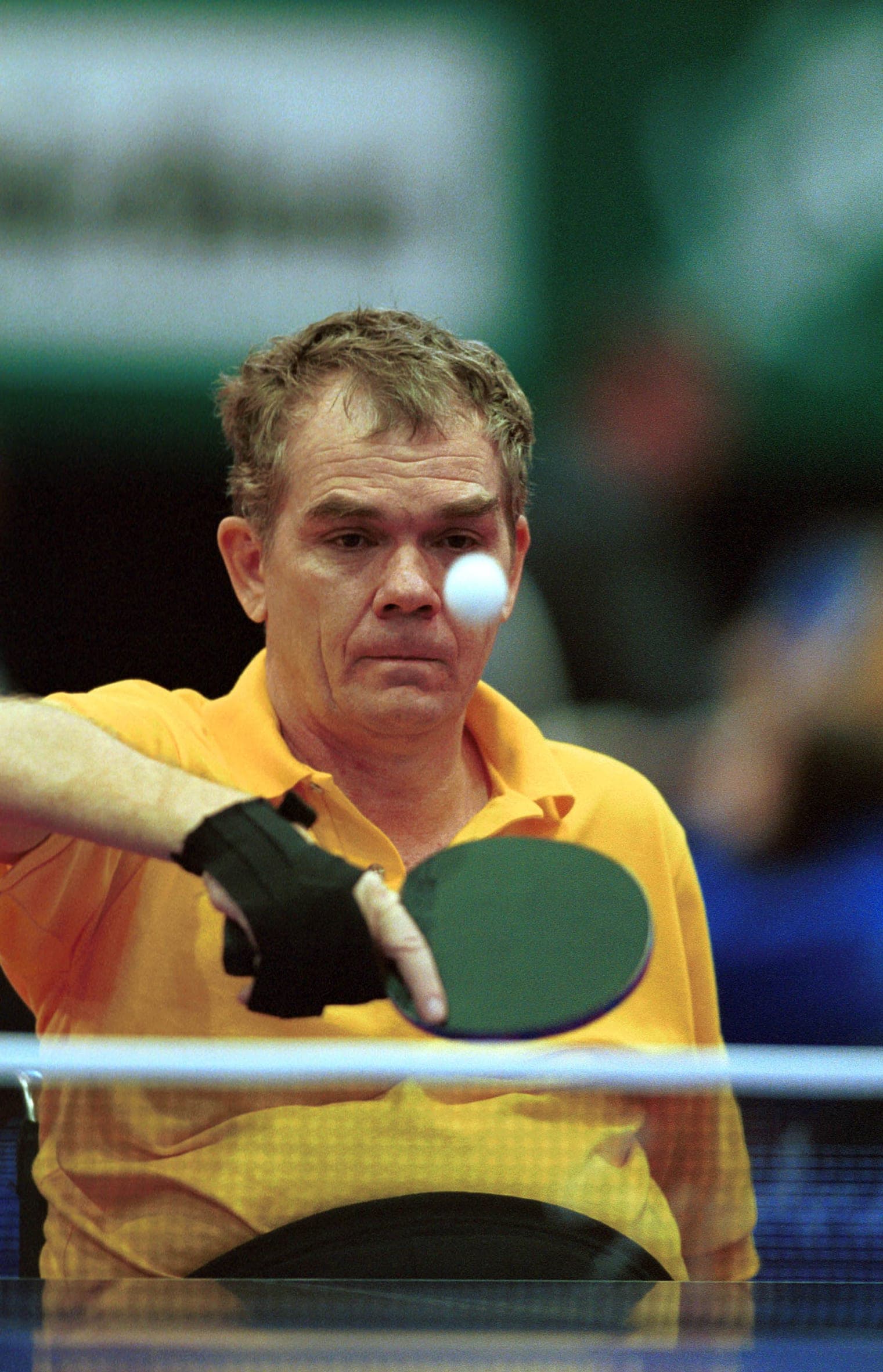
Table Tennis
A fast, low-impact indoor racquet sport that sharpens reflexes and is easy to start.
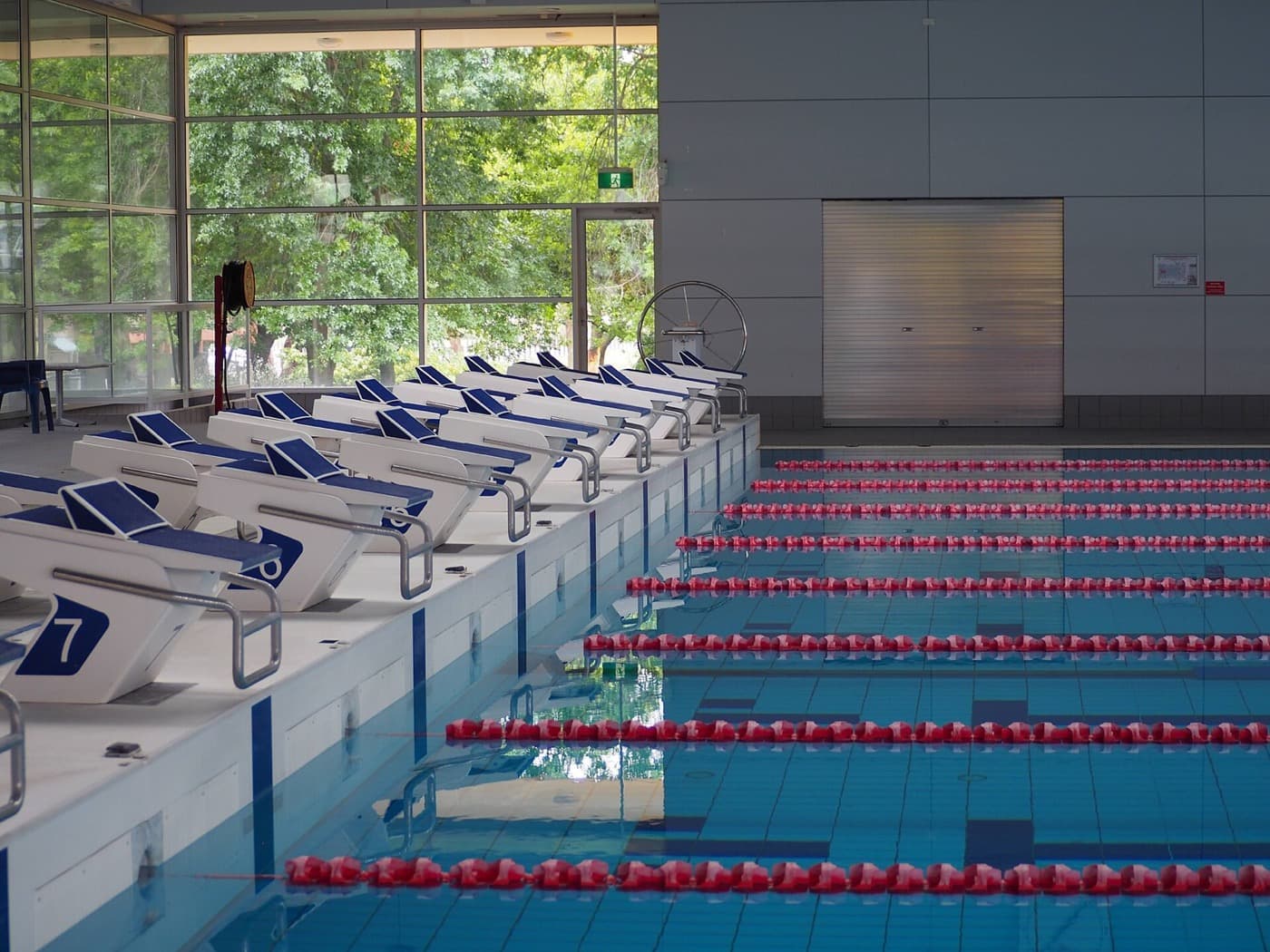
Swimming
A full-body, low-impact endurance sport suitable for almost every age and ability.
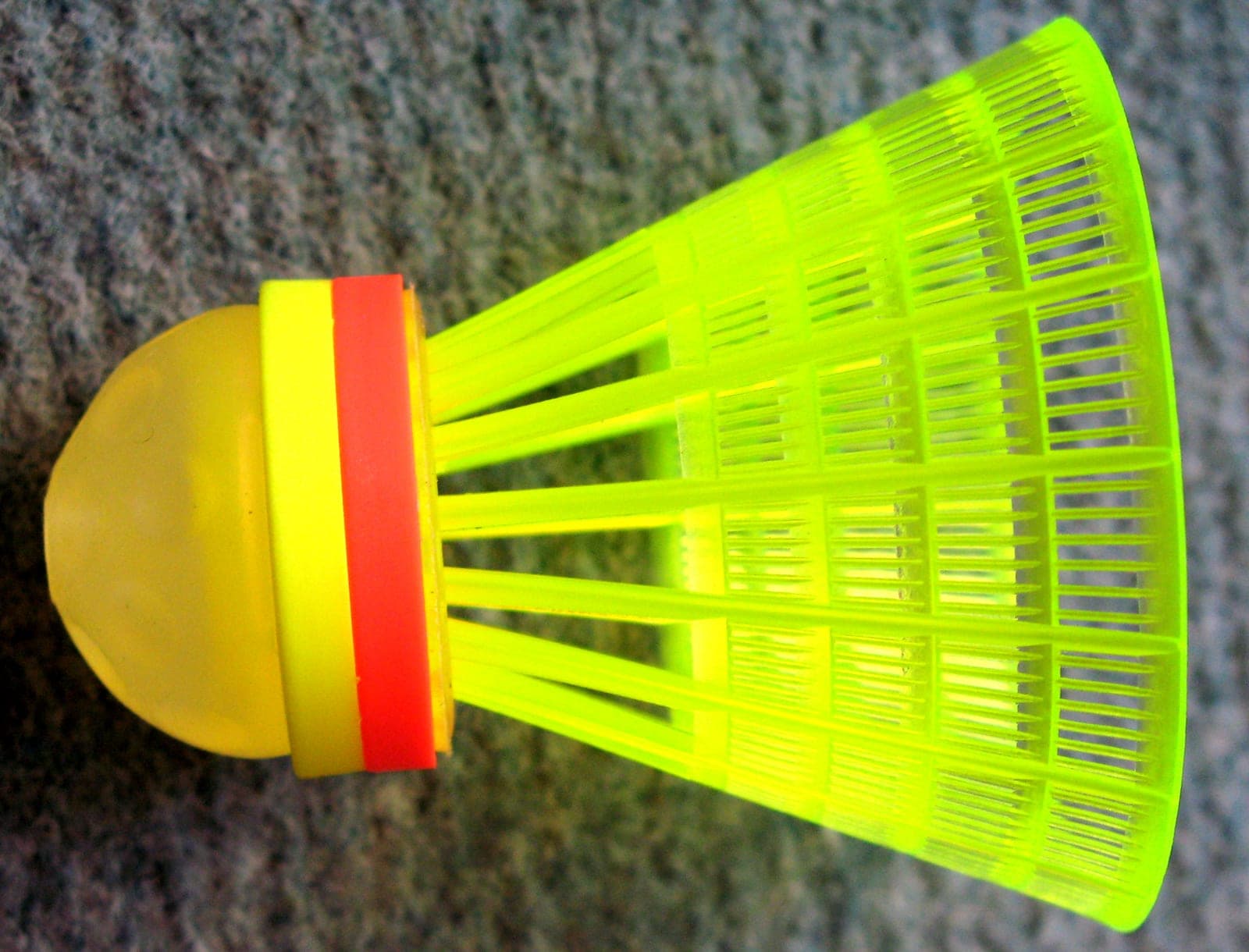
Badminton
A fast indoor racquet sport played with a shuttlecock that rewards agility and touch.
Goals it supports
Improve balance
Train steadiness and control at any age with simple, progressive balance practice done safely.
Improve mobility
Move your joints more freely and comfortably through their natural range with regular, gentle practice.
Build confidence
Use sport and steady progress to feel more capable, comfortable and self-assured over time.
Become more active
Add regular, gentle movement to your everyday life and build up from a sedentary start at your own pace.
Frequently asked questions
What are adaptive techniques in sport?
They are adjusted ways of performing a skill — a different grip, stroke, stance or way of moving — so that a sport works for a particular person. The purpose of the skill stays the same; only how it is executed changes. Because what works is highly individual, a qualified coach and the sport's governing body are the right sources for technique suited to a specific person.
Explore across the knowledge base
Follow the threads that connect Adaptive techniques to the rest of SocialSportHub.
People
Knowledge Atlas
- Explore by TechniqueThe specific, named ways skills are executed in each sport — linked to the skills, movements and sports behind them.
- Explore by Adaptive SportInclusive and adaptive sport — understanding, forms, adaptation and getting involved.
- Explore by MovementThe fundamental patterns and cross-sport athletic movements the body is built on.
- Explore by SkillThe learnable actions of a sport — grouped into families and linked to the techniques and sports that use them.
Techniques
- Cricket batting grip and stanceThe starting position every cricket stroke is built from — how the hands sit on the handle, how the feet and head are set, and what the setup decides before the ball is even bowled.
- The slice in tennisThe underspin stroke that changes a rally's height and pace — how slice keeps the ball low, when it is defensive and when it is an attack, and what it does on different surfaces.
- Seam bowlingMovement off the pitch rather than through the air — how landing the ball on its seam deviates it at the bounce, and why seam and swing are different skills that look alike.
- The loop and the blockTable tennis's primary attacking stroke and its primary counter — how a loop lifts backspin into topspin, and why a block uses the attacker's own pace against them.
- One-Handed BackhandA backhand groundstroke struck with a single hand on the grip, driving through the ball with a full extension of the hitting arm.
Learning paths
- Learn TennisA structured, educational learning path for tennis — from the rules to skills, techniques, tactics and training.
- Learn FootballA structured, educational learning path for football — from the rules to skills, techniques, tactics and training.
- Learn RunningA structured, educational learning path for running — from the rules to skills, techniques, tactics and training.
- Learn BasketballA structured, educational learning path for basketball — from the rules to skills, techniques, tactics and training.
- Learn SwimmingA structured, educational learning path for swimming — from the rules to skills, techniques, tactics and training.
How this page is maintained
- Content type
- Adaptive sports topic
- Provenance
- Tier A — evergreen educational
- Verified external sources
- 0
- Content updated
- 2026-07-09
Evergreen, first-party explanation — it makes no claim that needs an external source. How we handle sources and reviews.