
Accessibility in sport
How sport removes barriers — physical, sensory, social and informational — so that disabled people can take part on equal terms.
Overview
Accessibility in sport is about removing the barriers that can stop disabled people from taking part — from step-free venues and accessible changing rooms to clear information, approachable staff and flexible sessions.
It covers far more than buildings: it includes how activities are communicated, how coaching is delivered and how welcome people feel on arrival. Good accessibility tends to benefit many people, not only disabled participants.
What to know
- The practice of removing barriers so disabled people can take part in sport on equal terms.
- Barriers can be physical (venues, equipment), sensory, social or informational.
- Accessible facilities may include step-free access, accessible parking, changing places and clear signage.
- Communication matters — readable information and welcoming staff help people join in.
- Better accessibility widens participation and benefits the whole community.
In practice
- Access needs vary widely, so asking people what would help is usually better than assuming.
- Contacting a venue or club in advance to check facilities can make a first visit far smoother.
- For specific access requirements or venue standards, consult the venue, the sport's governing body and a qualified professional.
Educational & inclusive
Related sports
Sports that connect to this topic — each with a clear, beginner-friendly guide.
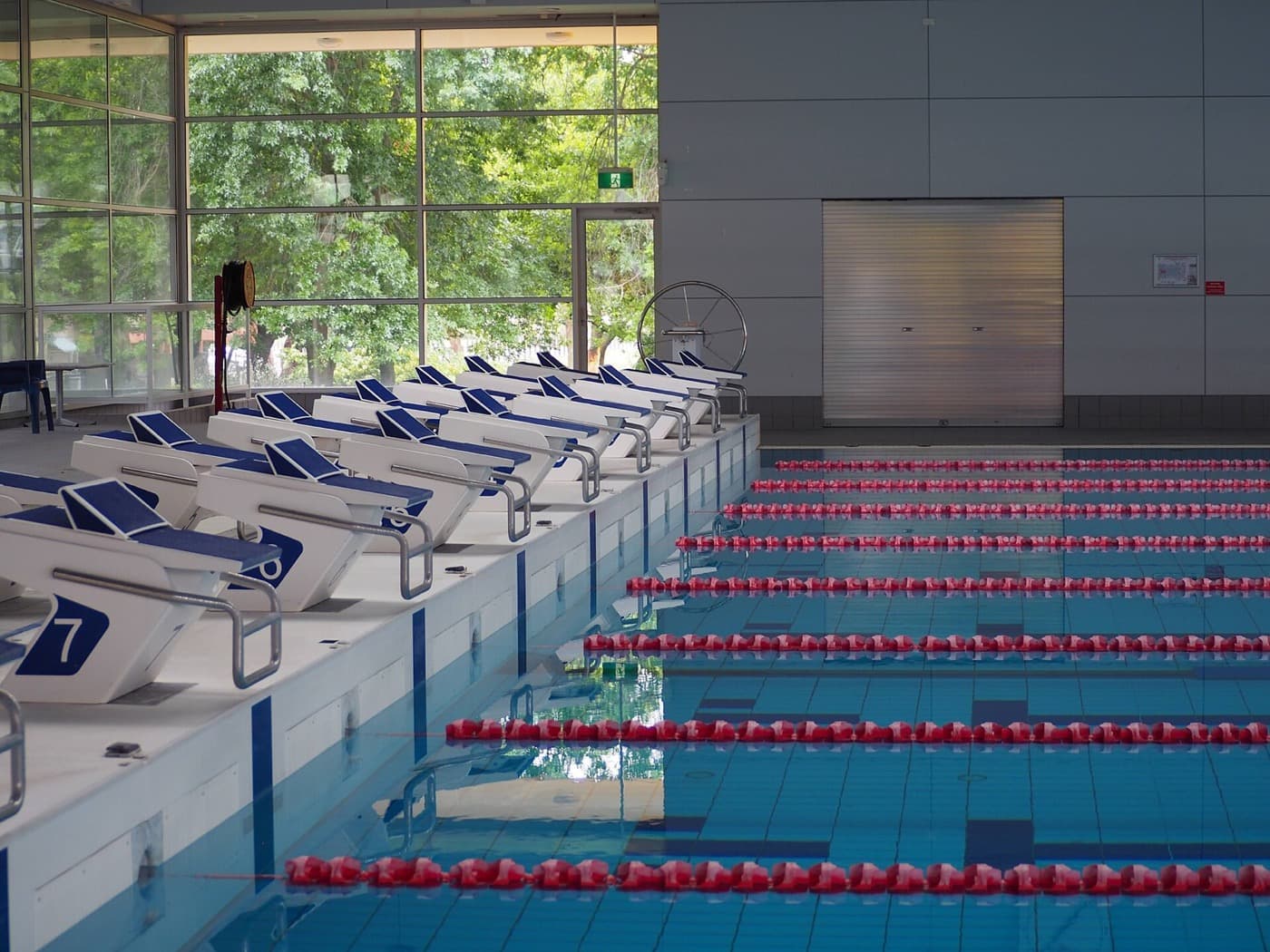
Swimming
A full-body, low-impact endurance sport suitable for almost every age and ability.
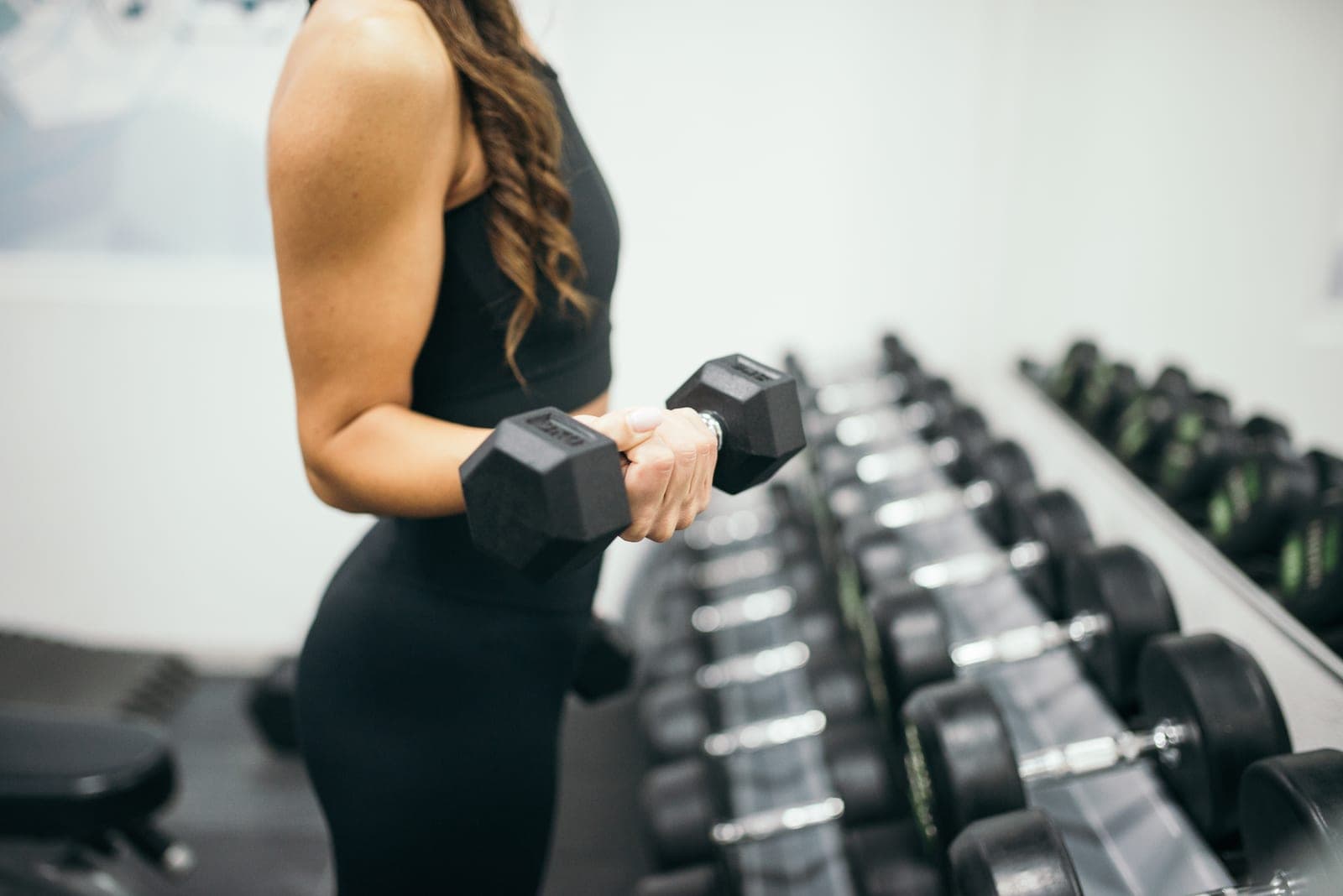
Fitness
Strength and general fitness training — the foundation that supports every other sport.
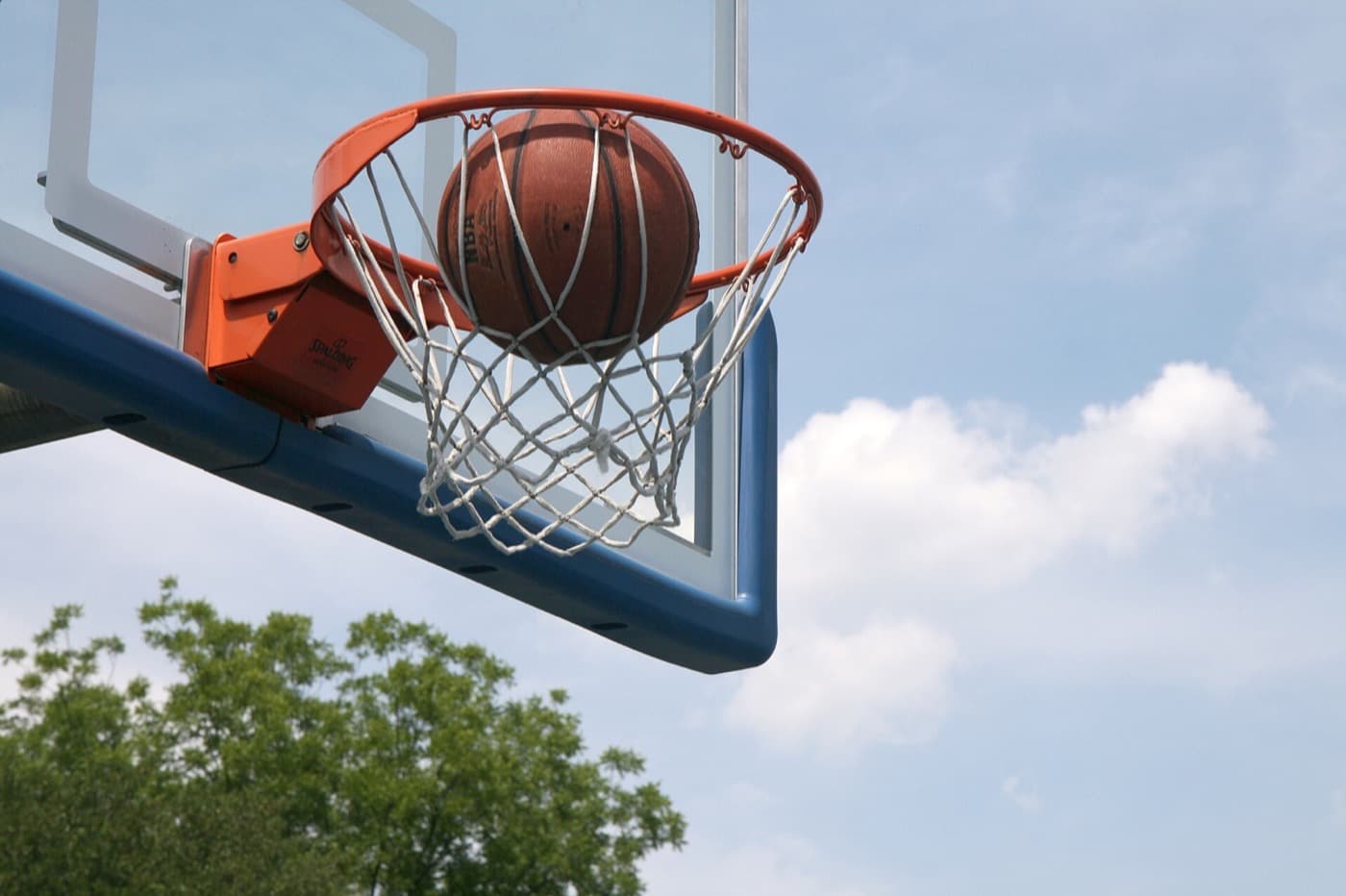
Basketball
A fast, dynamic team sport of running, jumping and quick decisions on court.
Goals it supports
Become more active
Add regular, gentle movement to your everyday life and build up from a sedentary start at your own pace.
Build an active lifestyle
Make movement a natural, lasting part of daily life through activities and habits you genuinely enjoy.
Build confidence
Use sport and steady progress to feel more capable, comfortable and self-assured over time.
Improve mobility
Move your joints more freely and comfortably through their natural range with regular, gentle practice.
Frequently asked questions
What does accessibility in sport mean?
It means removing the barriers — physical, sensory, social and informational — that can prevent disabled people from taking part in sport on equal terms. That covers everything from step-free venues to clear information and welcoming coaching. Specific standards and requirements are best confirmed with the individual venue or governing body.
How can I check whether a venue is accessible?
Contacting the venue or club before your visit is usually the most reliable approach, as facilities vary from place to place. Many will happily describe their access, changing and parking arrangements so you know what to expect.
Explore across the knowledge base
Follow the threads that connect Accessibility in sport to the rest of SocialSportHub.
Facilities
People
- Complete beginnersHow to start sport from scratch with accessible, low-pressure activities and a gentle, gradual approach.
- SeniorsHow gentle, supported sport can help older adults stay active, mobile and connected, with a professional check first.
- FamiliesHow families can be active together with inclusive, all-ages sports that make movement social and fun.
Knowledge Atlas
How this page is maintained
- Content type
- Adaptive sports topic
- Provenance
- Tier A — evergreen educational
- Verified external sources
- 0
- Content updated
- 2026-07-09
Evergreen, first-party explanation — it makes no claim that needs an external source. How we handle sources and reviews.