
Retirees
How sport can fit newly free time in retirement — an opportunity to be active, social and purposeful, at a comfortable and well-guided pace.
Overview
Retirement often brings something rare: time. For many people it is a chance to be active in ways that work never allowed — to take up something new, be outdoors, and build a social life around shared activity. Staying active in retirement is widely encouraged as part of a full, independent life, and the freer schedule makes a regular routine much easier to keep.
The sensible approach is to start at a comfortable level and build gently, choosing activities that are enjoyable and sociable as much as physical. Because individual health varies, it is wise to get guidance from a qualified professional about what is right for you, especially when trying something new or more demanding.
What works
- Retirement frees up time to build a genuine, regular activity habit.
- Sociable, enjoyable activities add connection as well as fitness.
- Starting comfortably and building gently keeps it sustainable.
- Personal guidance from a professional helps when trying something new.
A note on this guidance
Getting started
- 1Use the freer schedule to build a regular, enjoyable routine.
- 2Choose activities that are sociable as well as active.
- 3Start at a comfortable level and progress gently.
- 4Check with a qualified professional about what suits you.
Sports that fit
Great places to start — each with a clear, beginner-friendly guide.
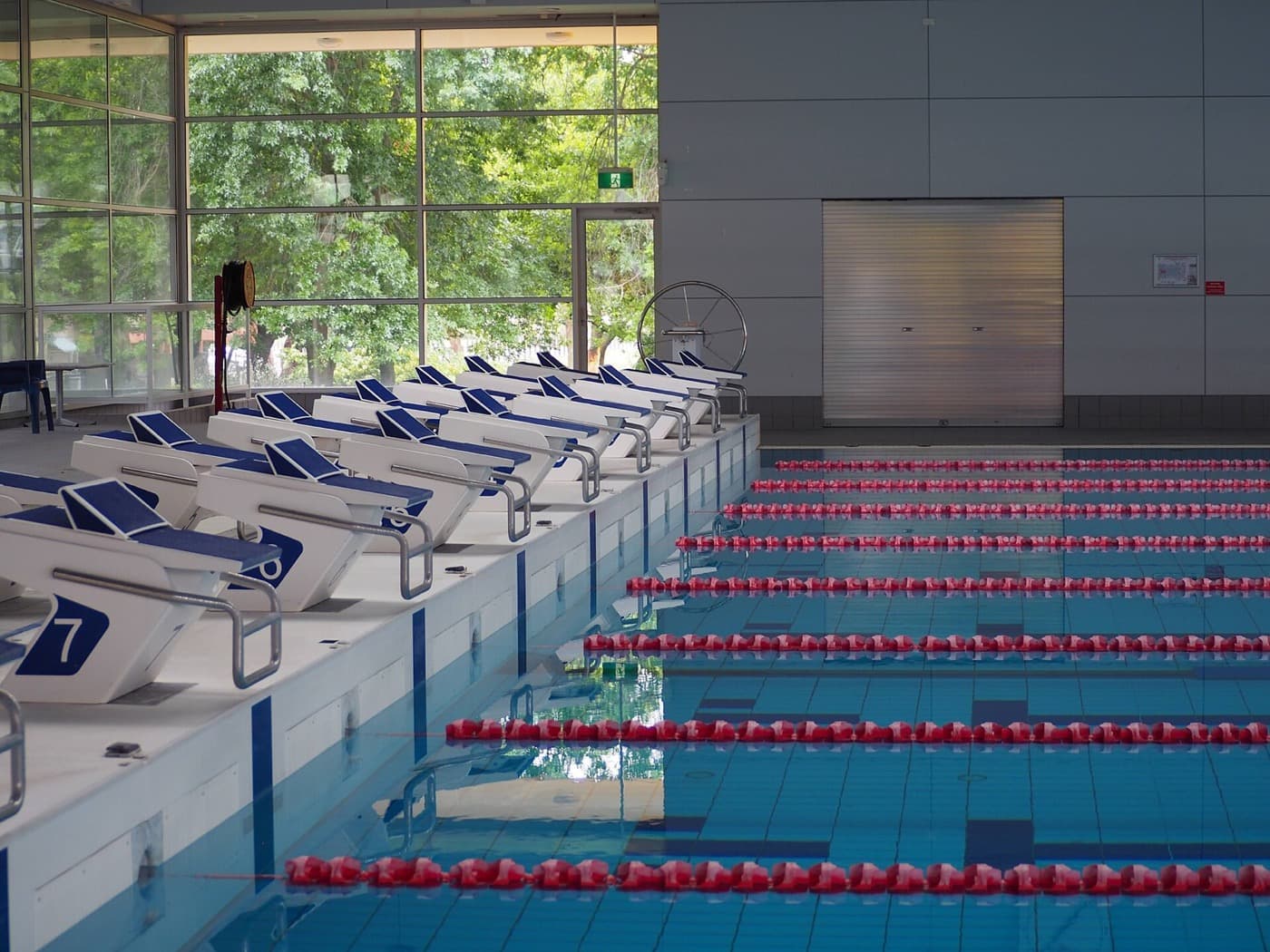
Swimming
A full-body, low-impact endurance sport suitable for almost every age and ability.
Cycling
A low-impact endurance sport that doubles as transport, exercise and adventure.
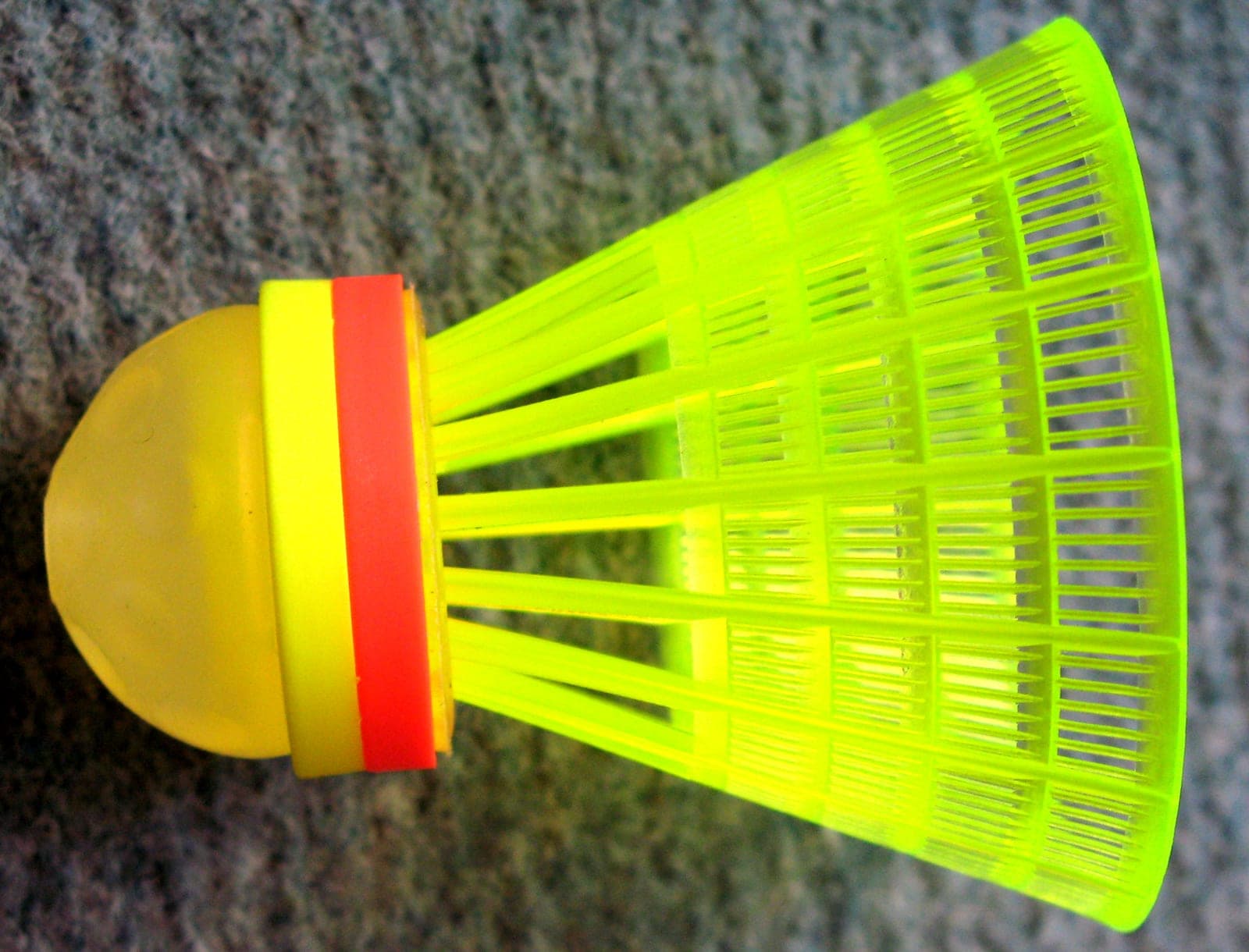
Badminton
A fast indoor racquet sport played with a shuttlecock that rewards agility and touch.
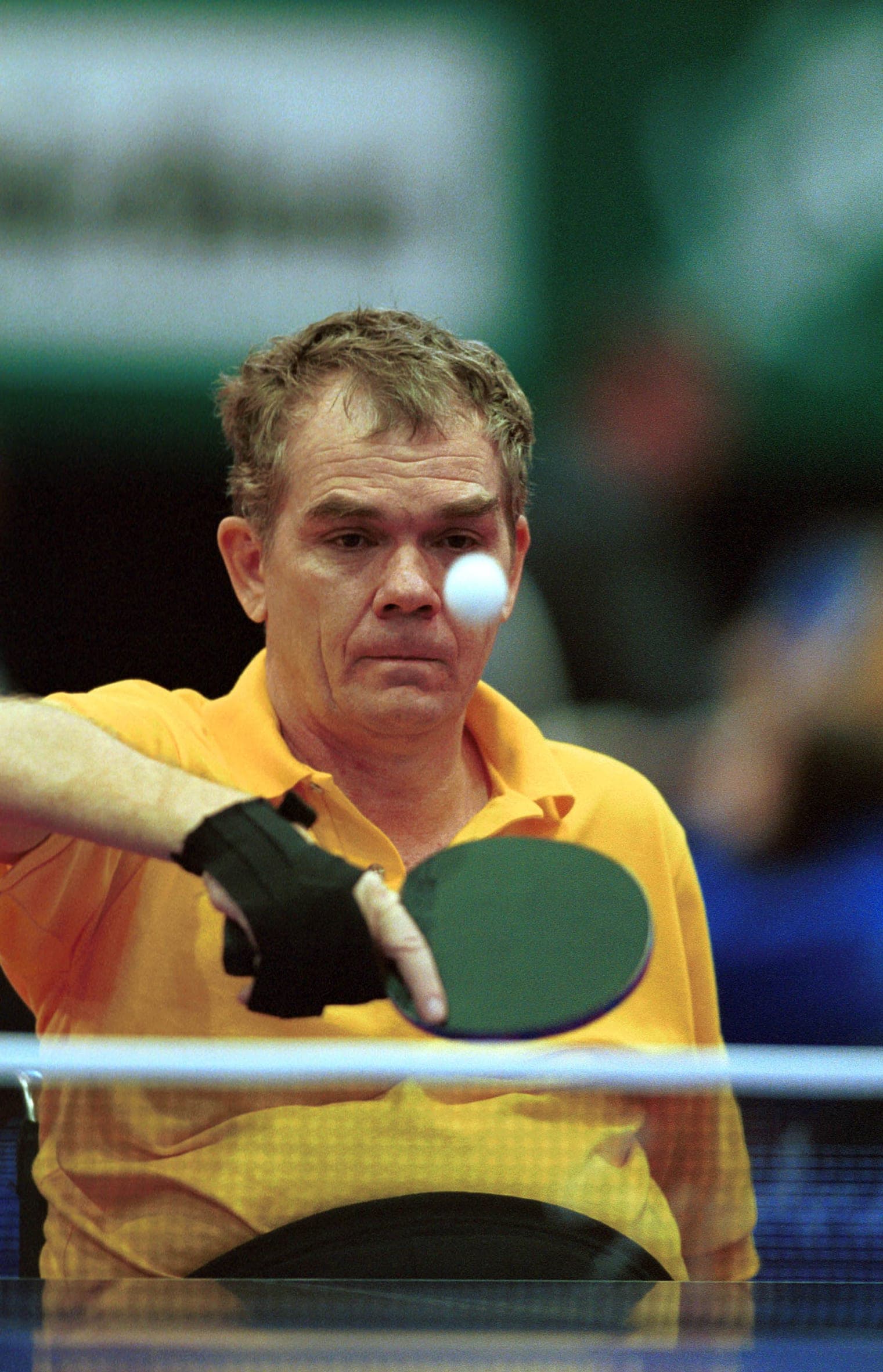
Table Tennis
A fast, low-impact indoor racquet sport that sharpens reflexes and is easy to start.

Running
The most accessible endurance sport — no venue, just shoes and the open road or trail.
Goals that fit
Healthy aging
Stay active, steady and independent as you get older with a sustainable mix of gentle cardio, strength and balance work.
Build an active lifestyle
Make movement a natural, lasting part of daily life through activities and habits you genuinely enjoy.
Social activities
Use sport as a way to meet people, make friends and stay connected while staying active.
Improve mobility
Move your joints more freely and comfortably through their natural range with regular, gentle practice.
Improve balance
Train steadiness and control at any age with simple, progressive balance practice done safely.
Ways to train
Exercises and methods that fit — educational, not a prescription.
Squat
A foundational lower-body movement where you bend at the hips and knees to lower down and stand back up.
Romanian deadlift
A hinge variation focused on the back of the legs, lowering the weight without returning it to the floor.
Hip hinge
The foundational bending-at-the-hips pattern that underpins deadlifts, swings and picking things up.
Band pull-apart
A simple pulling exercise where you stretch a resistance band across your chest to work the upper back.
Mobility Training
Mobility training works on moving your joints actively through their full range, combining control and flexibility so movement feels free and easy.
Flexibility Training
Flexibility training uses stretching to gradually improve how far your muscles and joints can comfortably lengthen and move.
Frequently asked questions
What are good ways to stay active in retirement?
Retirement is a great time to build a regular routine around enjoyable, sociable activities such as swimming, cycling and racquet sports. Starting at a comfortable level and building gently works well, and it is wise to check with a qualified professional about what is right for you.
Explore across the knowledge base
Follow the threads that connect Retirees to the rest of SocialSportHub.
Lifestyle
- OutdoorsSport and activity in the fresh air — running, cycling, hiking and more, using parks, trails and open space.
- WeekendMaking the most of weekend free time for longer, more social or outdoor activities.
- EveningUsing the evening to be active after work, whether to unwind or fit in a proper session.
- Low budgetWays to be active without spending much, from free activities to low-cost options.
- 15 minutesShort, focused bursts of movement you can fit into a spare 15 minutes, with no long session required.
Motivations
- To stay healthyWhen health is the driver, regular, sustainable activity across fitness, strength and mobility supports an active life for the long term.
- To meet peopleWhen connection is the draw, team sports, clubs and group activities turn getting fit into a way to build a social circle.
- To have funWhen enjoyment is the point, playful, varied and social sports keep you coming back — because the best activity is the one you look forward to.
Healthy living
- Exercise and SleepThe two-way link between staying active and sleeping well — how movement can help rest, and how rest fuels movement.
- Hydration and exerciseSensible fluid habits before, during and after activity — so you feel good and recover well without overthinking it.
- Meal TimingHow the rhythm of when you eat can fit around your day and your activity — without rigid rules or clock-watching.
- WalkingThe most accessible activity there is — free, low-impact, and one of the easiest ways to add movement to any day.
Recovery
Training plans
- Gentle Return to ActivityA relaxed example of easing back into a routine after time away, restarting well below where you left off and rebuilding gradually.
- Mobility Routine WeekA gentle example week of short mobility sessions that move the main joints through easy, comfortable ranges to help you feel loose and move well.
How this page is maintained
- Content type
- For people like you
- Provenance
- Tier A — evergreen educational
- Verified external sources
- 0
- Content updated
- 2026-07-09
Evergreen, first-party explanation — it makes no claim that needs an external source. How we handle sources and reviews.