
Learn self-defence
Train a martial art or combat sport under supervision — what the practice actually involves, and what it honestly can and cannot give you.
How sport helps
Many people come to martial arts and combat sports wanting to feel more capable if something went wrong. That is a genuine reason to start, and it is worth being clear about what training is: a structured, supervised practice with rules, a coach, graded progression and a partner who is also learning. It is a sport and a discipline first.
What regular training tends to give is technique, timing, composure under pressure and a great deal of fitness. What no class can give is a guarantee — a real confrontation is unpredictable, and every reputable coach will tell you that awareness, distance and simply leaving are worth more than any technique. Treat a club that promises otherwise as a warning sign.
- Supervised practice teaches technique gradually, with a coach correcting form and a partner working at an agreed intensity rather than a real one.
- Training is physically demanding in a way that builds general fitness, coordination and timing, whatever else you take from it.
- Working through grades or levels gives a long, structured path, which many people find keeps them training for years rather than weeks.
- Practising under mild, controlled pressure is how people get used to staying composed when something is difficult — a benefit that is about the training itself, not a promise about anything outside it.
A note on health information
Getting started
- 1Visit two or three clubs and watch a session before signing anything. A good club will let you.
- 2Ask directly how beginners are taught, how sparring is introduced and supervised, and what protective equipment is required.
- 3Start with the style that suits what you want from it — striking, grappling or a traditional graded art — rather than the one with the loudest claims.
- 4Expect months of basics before anything resembles sparring, and be wary of any club that skips that.
Good sports for this goal
Great places to start — each with a clear, beginner-friendly guide.
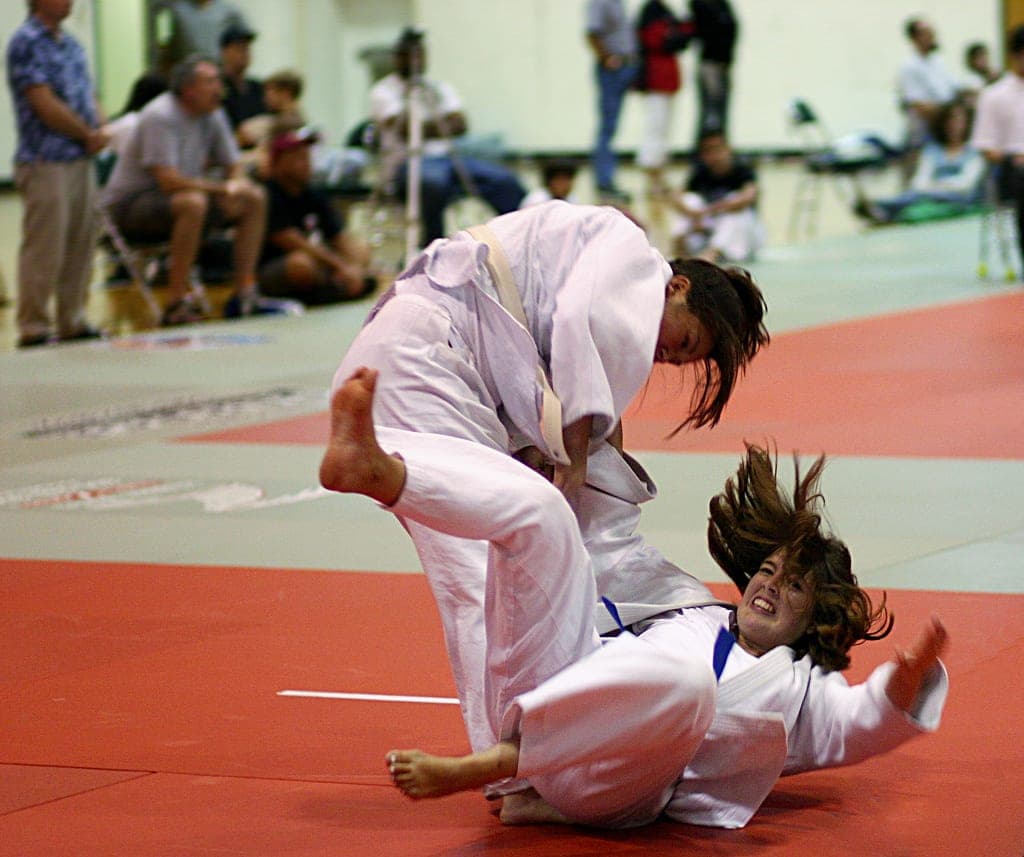
Judo
A grappling martial art based on throws, holds and control, practised on mats with a partner.
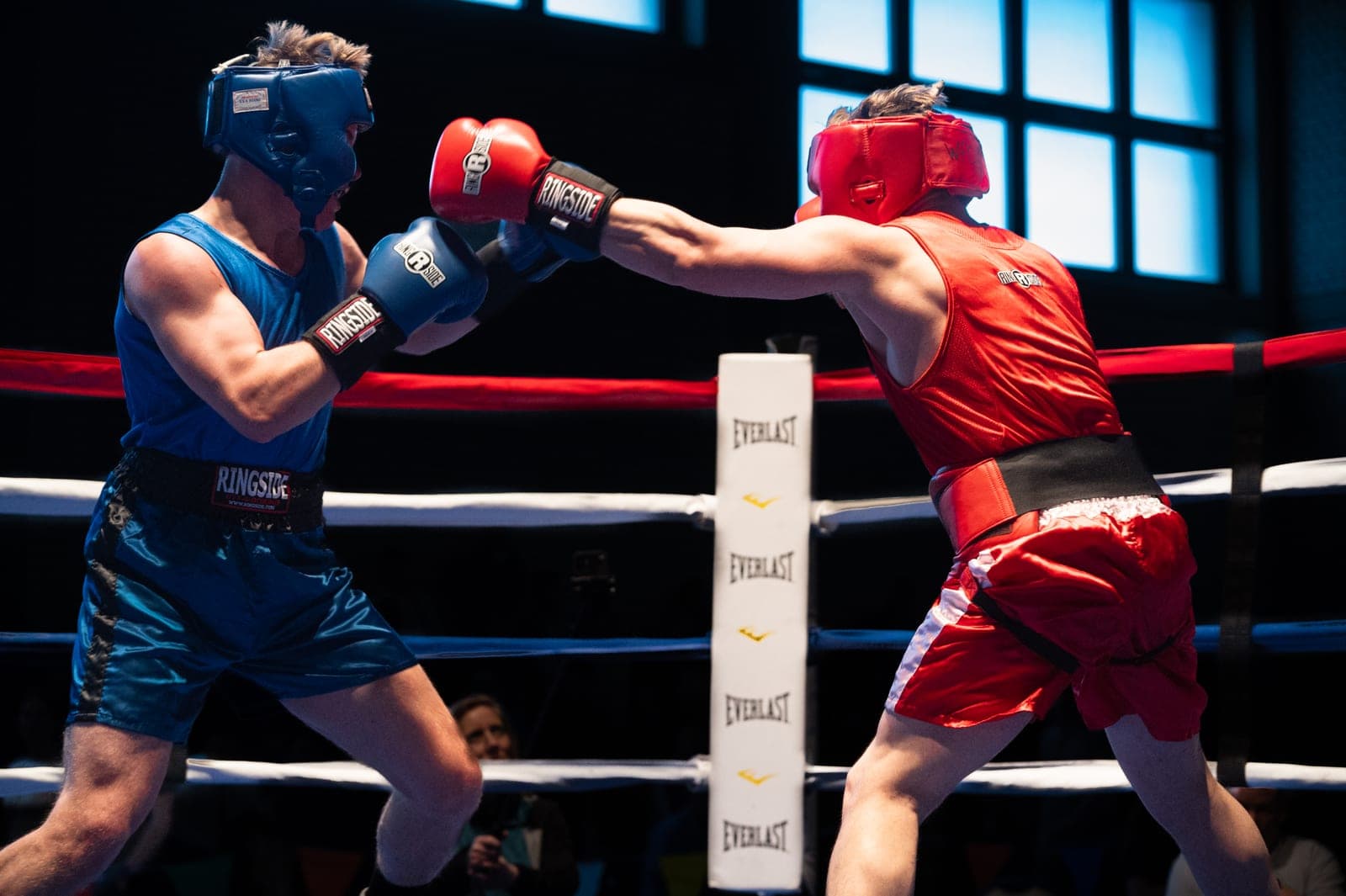
Boxing
A striking combat sport built on footwork, timing and conditioning, practised from fitness drills to controlled sparring.
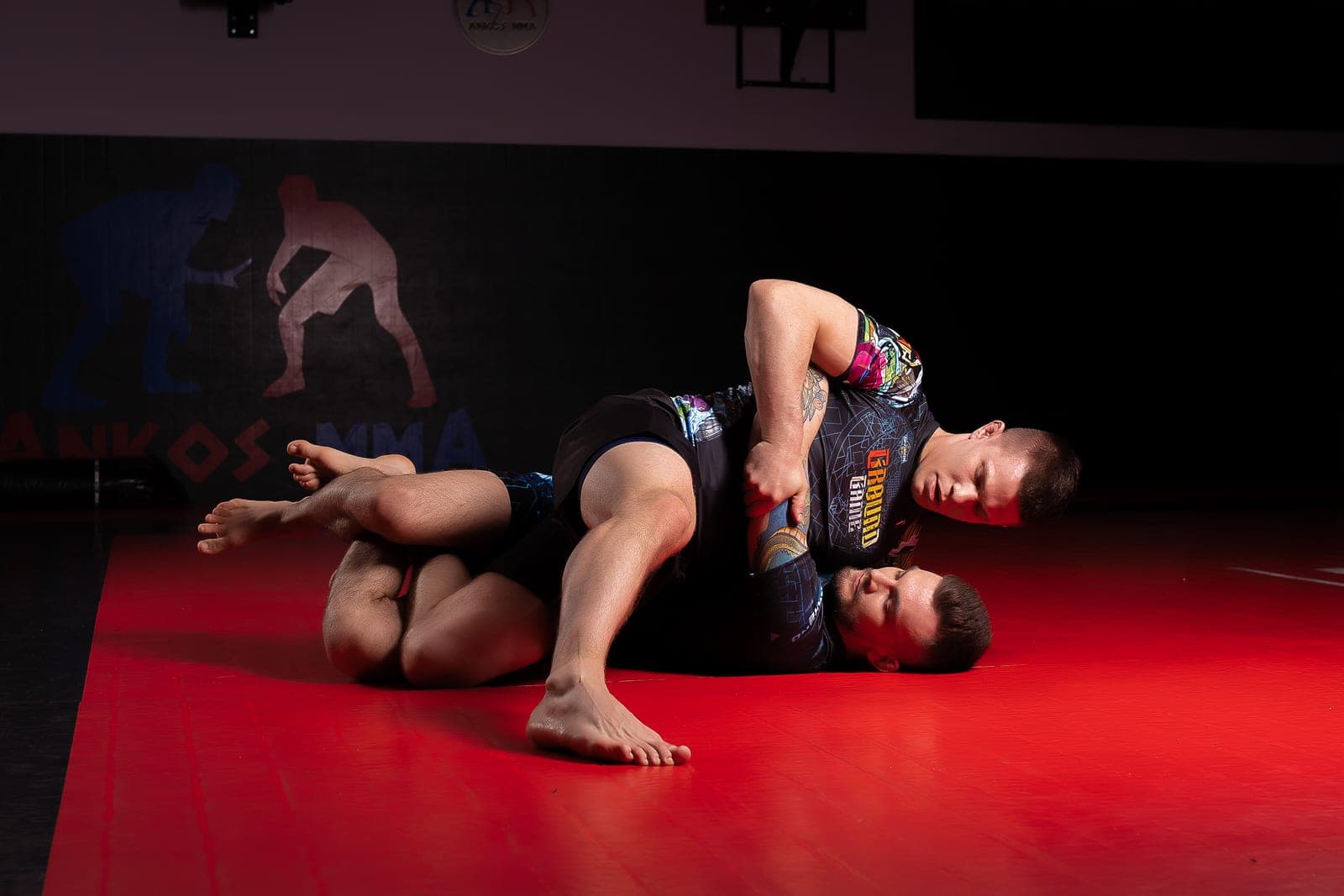
Brazilian Jiu-Jitsu
A ground-focused grappling art that uses leverage, position and technique to control a partner.
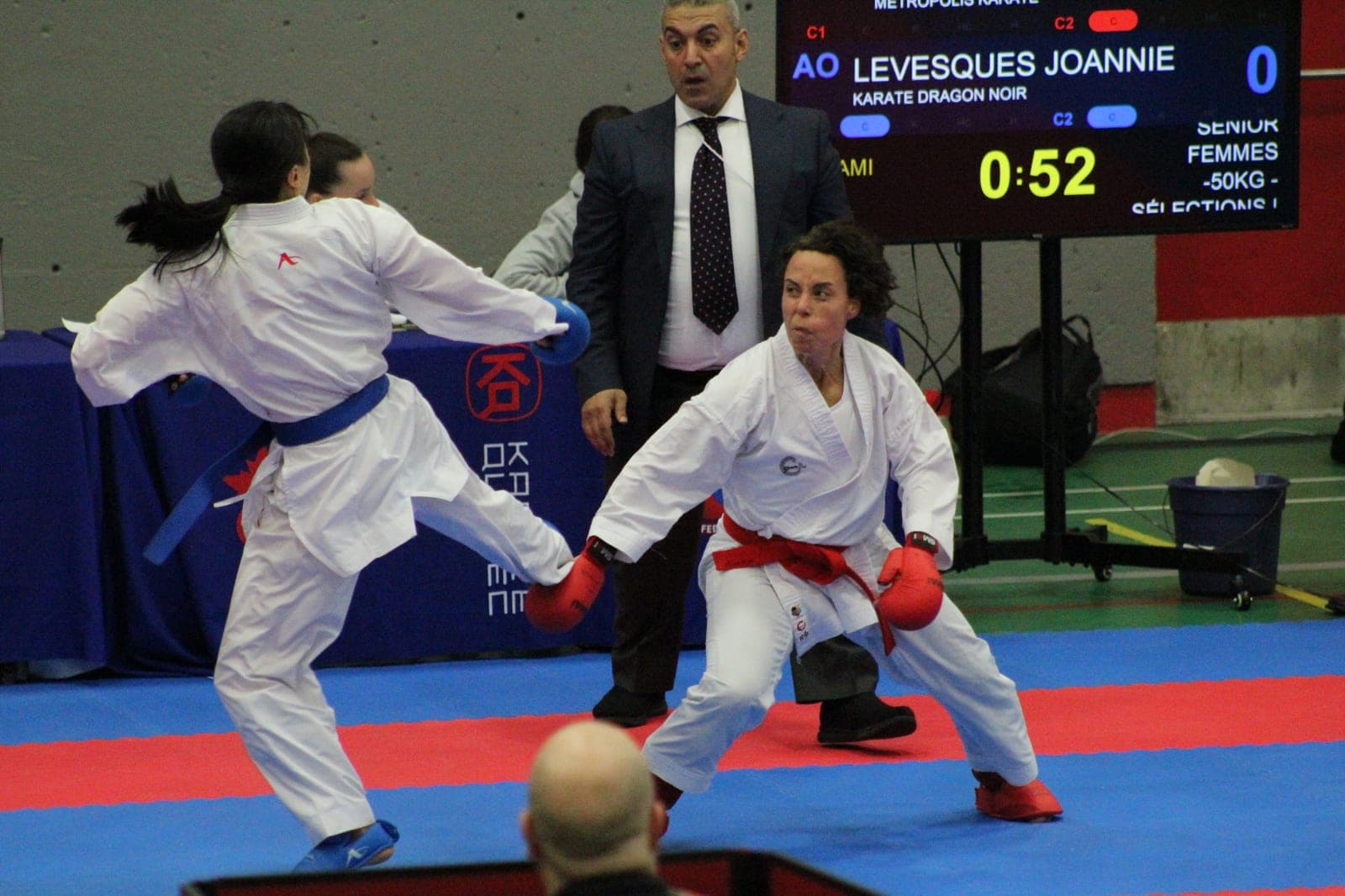
Karate
A striking martial art of punches, kicks and forms, structured around steady progression for all ages.
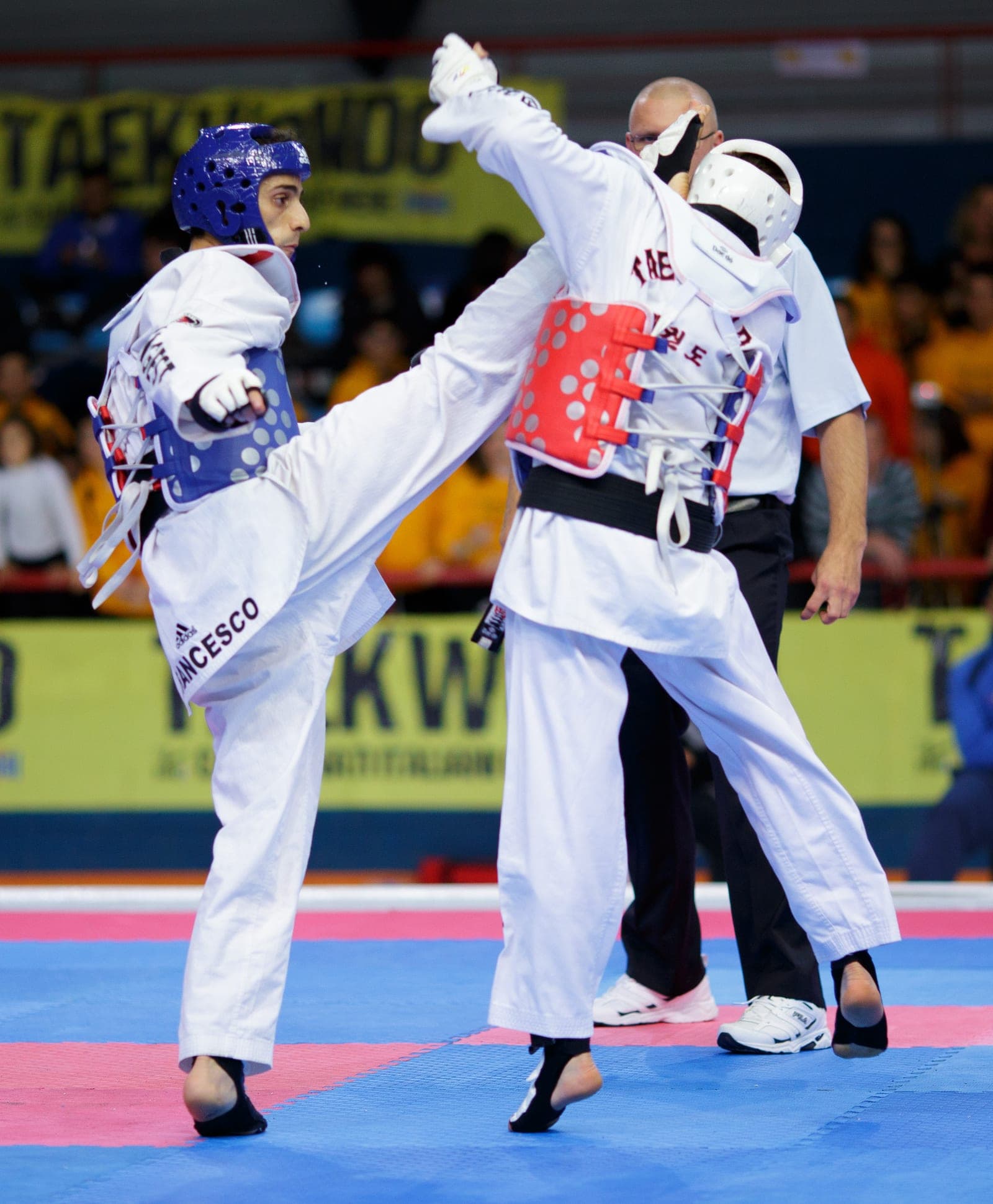
Taekwondo
A striking martial art known for its dynamic kicking techniques, agility and structured progression.

Muay Thai
A striking combat sport using fists, elbows, knees and shins, often trained for fitness and skill.
Also fits this goal
Sports beyond the shortlist above that genuinely serve this goal, each with the reason it does and what it costs you. These are editorial judgements about how a sport is typically played, not source-verified facts.
- Primary fitAikido
A graded art built on blending with and redirecting a partner’s movement rather than meeting it, practised cooperatively.
What it costs you: Practice is cooperative by design, which is what makes it accessible and also what makes it a poor test of anything — it is a discipline to be taken on its own terms.
- Primary fitCapoeira
An Afro-Brazilian martial art played as a game in a circle to live music, with kicks, sweeps and evasions exchanged rather than landed.
What it costs you: It is a game and an art form as much as a martial one, and makes no claim beyond that. The movements are athletic and take real conditioning.
- Primary fitKendo
A graded Japanese martial art of the sword, practised in armour against a partner with strictly defined targets and etiquette.
What it costs you: It is a traditional art rather than an applied one, the armour is a significant outlay, and clubs are uncommon.
- Primary fitKickboxing
A striking sport taught in graded, supervised classes, where pad work and technique come long before any contact with a partner.
What it costs you: Sparring involves being struck, which is why a club’s rules, supervision and protective equipment matter. No class makes anyone safe outside it.
- Primary fitMixed Martial Arts
Training covers striking, clinch and ground work rather than one range, which is why many people choose it.
What it costs you: It is the most demanding combat sport here to begin: it needs a well-run gym, careful supervision and a slow introduction to sparring. Nothing in training is a promise about a real situation.
- Primary fitWrestling
A grappling sport practised at full resistance under a referee, which is unusual — most training at real intensity happens without strikes and so can be done safely and often.
What it costs you: It is physically demanding and close-contact from early on, needs a club and a coach, and nothing about training promises an outcome outside the mat.
Train for it
Exercises and methods that build what this goal needs — educational, not a prescription.
Jump squat
An explosive squat variation where you spring off the floor at the top of the movement.
Lunge
A single-leg movement where you step forward and bend both knees to lower your body.
Bulgarian split squat
A single-leg squat where the back foot is raised on a bench behind you.
Hip hinge
The foundational bending-at-the-hips pattern that underpins deadlifts, swings and picking things up.
Kettlebell swing
A dynamic hinge where you swing a kettlebell to shoulder height using a snap of the hips.
Band pull-apart
A simple pulling exercise where you stretch a resistance band across your chest to work the upper back.
Frequently asked questions
Will a martial arts class make me able to defend myself?
No class can promise that. Training builds technique, fitness and composure through supervised practice, but a real confrontation is unpredictable and nothing removes that. Coaches consistently place awareness, distance and leaving a situation above any technique, and a club that guarantees results is one to be careful of.
Which style should a complete beginner choose?
The one you will keep turning up to. Grappling arts such as judo and Brazilian jiu-jitsu introduce full-resistance practice safely because there is no striking; boxing and Muay Thai are striking-based and introduce contact more gradually; traditional graded arts such as karate, taekwondo and aikido spend longer on form first. Visit several and see which room you want to come back to.
Is it safe?
Combat sports involve contact by definition, which is why supervision, rules, graded progression and protective equipment matter so much. Ask any club how it introduces sparring and what it requires beginners to wear. This site does not give safety or medical advice — talk to the coach, and to a clinician if you have any reason to.
Related goals
Discipline
Build consistency, focus and self-discipline through the routines that sport and training encourage.
Build confidence
Use sport and steady progress to feel more capable, comfortable and self-assured over time.
Improve reaction speed
Respond faster to what you see, hear and feel by training with fast, unpredictable activities and drills.
Improve fitness
Build well-rounded fitness — stamina, strength and more — through regular, varied activity you can keep up.
How it connects
The meaning-bearing relationships that place Learn self-defence in the wider knowledge graph — each one with the reason it exists.
Achieved through
Routes people take towards this goal.
- JudoJudo is one of the sports listed under the “Learn self-defence” goal.
- BoxingBoxing is one of the sports listed under the “Learn self-defence” goal.
- Brazilian Jiu-JitsuBrazilian Jiu-Jitsu is one of the sports listed under the “Learn self-defence” goal.
- KarateKarate is one of the sports listed under the “Learn self-defence” goal.
- TaekwondoTaekwondo is one of the sports listed under the “Learn self-defence” goal.
Explore across the knowledge base
Follow the threads that connect Learn self-defence to the rest of SocialSportHub.
How this page is maintained
- Content type
- Life goal
- Provenance
- Tier A — evergreen educational
- Verified external sources
- 0
- Content updated
- 2026-09-22
Evergreen, first-party explanation — it makes no claim that needs an external source. How we handle sources and reviews.