
Discipline
Build consistency, focus and self-discipline through the routines that sport and training encourage.
How sport helps
Discipline in sport is really about showing up regularly and following through, even when motivation dips. Structured training, clear routines and gradual goals give a framework that makes consistency easier to sustain.
Practised over time, these habits can become part of how you approach things generally. Many people find that the routine, patience and repetition that sport asks for help them stay consistent in other goals too.
- Training plans and regular sessions provide structure, which many people find makes it easier to keep going consistently.
- Progress in most sports comes from repetition and patience, giving steady practice in following through over time.
- Setting and working toward clear goals encourages planning, focus and delayed reward rather than quick fixes.
- The habits of turning up, warming up and sticking to a routine can carry over into other areas of life.
Getting started
- 1Choose a realistic, repeatable schedule you can actually keep, rather than an ambitious one you will abandon.
- 2Set clear, gradual goals and break them into small, regular steps you can tick off.
- 3Build a simple routine around each session so it becomes automatic and needs less willpower.
- 4Expect off days, and focus on getting back to the routine rather than being perfect every time.
Good sports for this goal
Great places to start — each with a clear, beginner-friendly guide.
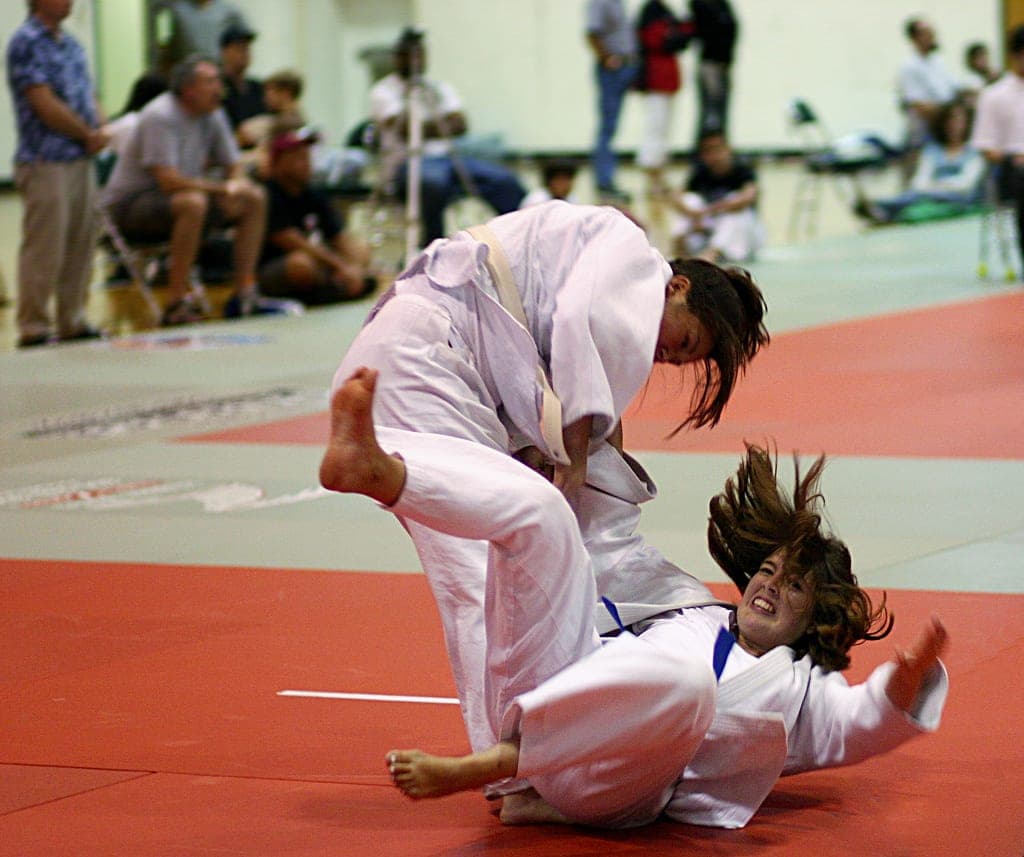
Judo
A grappling martial art based on throws, holds and control, practised on mats with a partner.
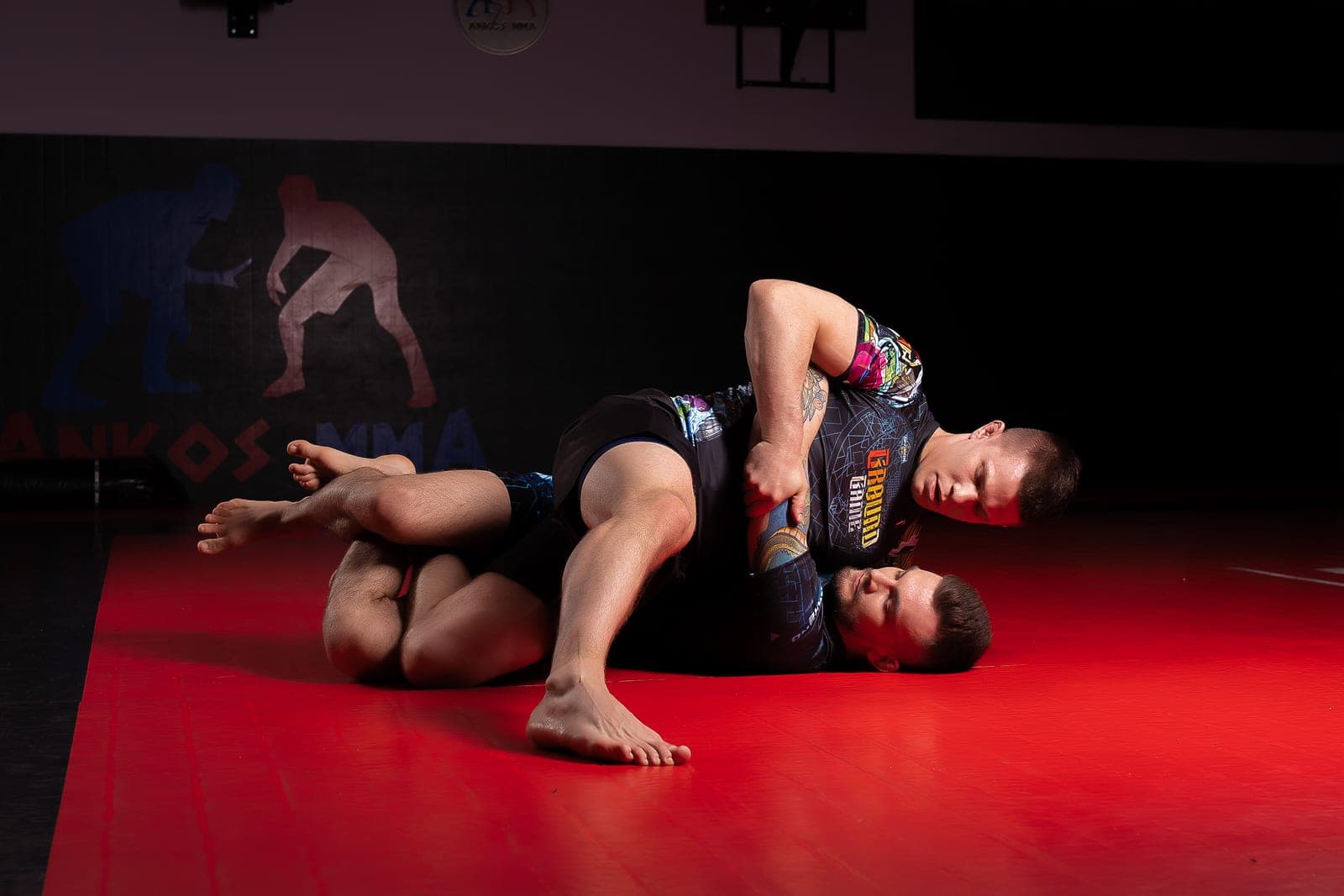
Brazilian Jiu-Jitsu
A ground-focused grappling art that uses leverage, position and technique to control a partner.
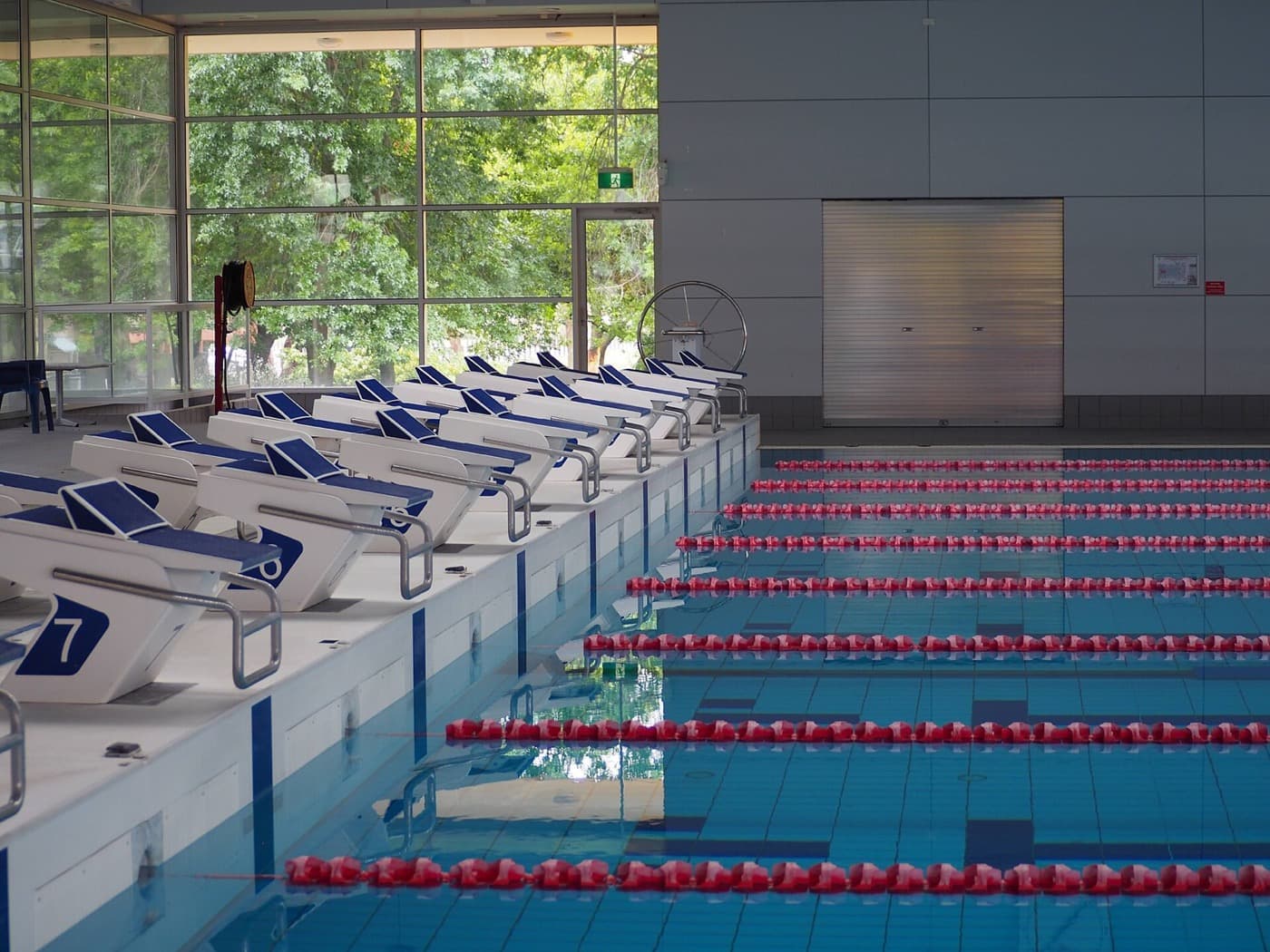
Swimming
A full-body, low-impact endurance sport suitable for almost every age and ability.

Running
The most accessible endurance sport — no venue, just shoes and the open road or trail.
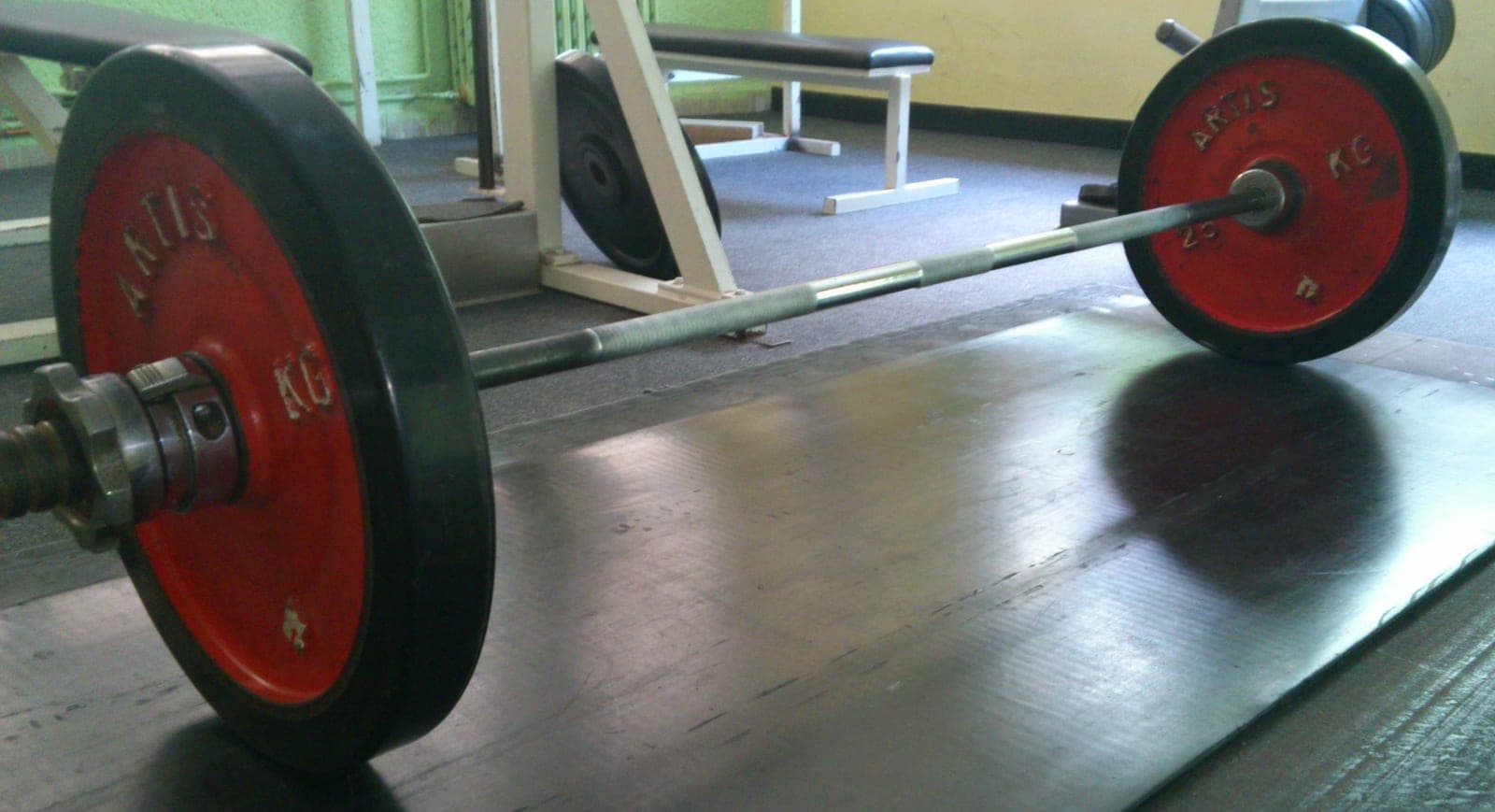
Weightlifting
A technical strength sport built around lifting a loaded barbell overhead with speed and control.
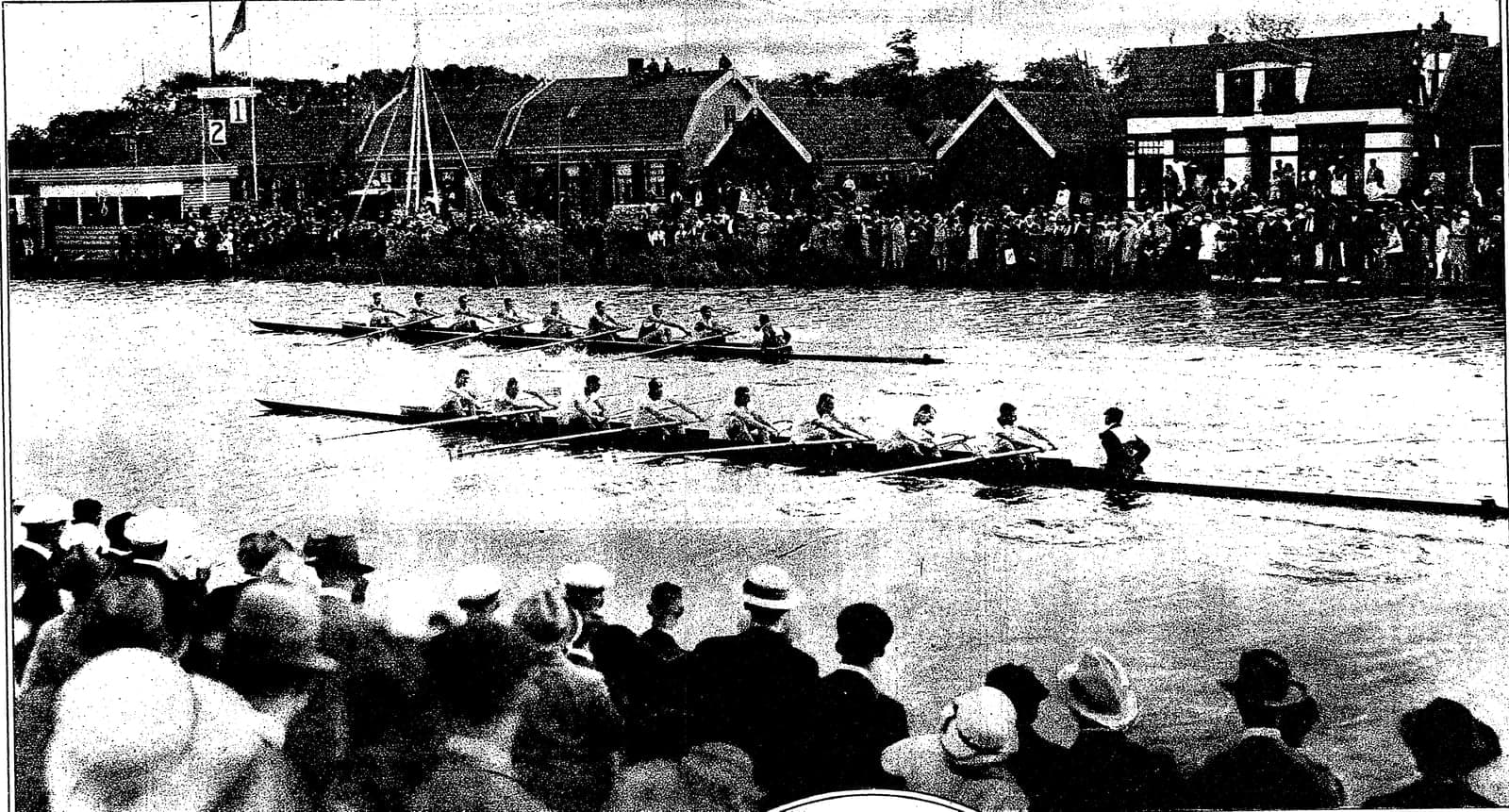
Rowing
A rhythmic, full-body endurance sport on the water or on an indoor machine.
Also fits this goal
Sports beyond the shortlist above that genuinely serve this goal, each with the reason it does and what it costs you. These are editorial judgements about how a sport is typically played, not source-verified facts.
- Strong fitBodybuilding
It runs on repeated, unglamorous sessions to a plan over long periods rather than on any single hard effort.
What it costs you: The culture around it is full of claims about supplements and shortcuts. This site makes none of them.
- Strong fitKarate
Grades are earned by demonstrating form in front of an examiner, so progress depends on repetition over months rather than on any single session.
What it costs you: That formality suits some people and not others, and clubs vary enormously in how strictly they hold to it.
- Strong fitMixed Martial Arts
Progress depends on turning up to skills that take years, which is a long commitment by any measure.
What it costs you: Training loads are high and recovery matters; a gym that lets beginners spar hard early is a gym to leave.
- Strong fitMuay Thai
Technique is drilled by repetition to a standard set by the coach, over years rather than weeks.
What it costs you: Training loads are high and recovery matters; a gym that lets beginners spar hard early is one to leave.
- Strong fitPowerlifting
Progress is measured in small increments over months, which makes turning up on the unexciting days the whole method.
What it costs you: That slowness is the point and also the difficulty; it rewards patience more than enthusiasm.
- Strong fitTaekwondo
A graded belt system with formal patterns means there is always a defined next thing to work on, assessed by somebody else.
What it costs you: Grading fees and club schedules are part of that structure, and it is contact practice — supervised, but contact.
Train for it
Exercises and methods that build what this goal needs — educational, not a prescription.
Squat
A foundational lower-body movement where you bend at the hips and knees to lower down and stand back up.
Goblet squat
A squat variation where you hold a single weight close to your chest for balance and control.
Wall sit
A holding exercise where you sit against a wall with no chair, holding a squat position still.
Lunge
A single-leg movement where you step forward and bend both knees to lower your body.
Bulgarian split squat
A single-leg squat where the back foot is raised on a bench behind you.
Step-up
A movement where you step up onto a raised platform one leg at a time and step back down.
Frequently asked questions
How does sport help build discipline?
Sport rewards consistency: progress comes from turning up and repeating the work over time. Structured training, routines and gradual goals give a framework that many people find makes it easier to stay disciplined.
Which sports are good for developing self-discipline?
Activities that reward steady, repeated practice tend to suit this goal — martial arts such as judo and Brazilian jiu-jitsu, plus swimming, running, weightlifting and rowing. All involve regular routines and gradual, measurable progress.
What if I keep losing motivation?
Motivation naturally rises and falls, so discipline is really about relying on routine rather than willpower. Keeping sessions realistic, building simple habits around them, and focusing on getting back on track after a missed day all help more than aiming for perfection.
Related goals
Build healthy habits
Using sport and routine to make regular activity a lasting part of everyday life.
Build confidence
Use sport and steady progress to feel more capable, comfortable and self-assured over time.
Build an active lifestyle
Make movement a natural, lasting part of daily life through activities and habits you genuinely enjoy.
Improve fitness
Build well-rounded fitness — stamina, strength and more — through regular, varied activity you can keep up.
Who & where this fits
This goal fits all kinds of people and lifestyles.
How it connects
The meaning-bearing relationships that place Discipline in the wider knowledge graph — each one with the reason it exists.
Achieved through
Routes people take towards this goal.
- JudoJudo is one of the sports listed under the “Discipline” goal.
- Brazilian Jiu-JitsuBrazilian Jiu-Jitsu is one of the sports listed under the “Discipline” goal.
- SwimmingSwimming is one of the sports listed under the “Discipline” goal.
- RunningRunning is one of the sports listed under the “Discipline” goal.
- WeightliftingWeightlifting is one of the sports listed under the “Discipline” goal.
Explore across the knowledge base
Follow the threads that connect Discipline to the rest of SocialSportHub.
Motivations
- To competeWhen the thrill of competition drives you, sports with clear contests, ladders and match play give you something to test yourself against.
- For a personal challengeWhen you play to set and reach goals, sports with visible progress and clear milestones give you something concrete to work towards.
- To get better at my sportWhen you already play and want to improve, structured practice, coaching concepts and targeted training turn effort into measurable progress.
Experience levels
- IntermediateThe basics are in place — now progress comes from more deliberate practice, filling gaps and adding structure to your training.
- AdvancedA high level of skill and fitness — progress becomes finer, more individual, and increasingly benefits from expert coaching.
- CompetitiveTraining and playing to compete — structured, goal-directed preparation built around events, with coaching and recovery central.
- EliteThe highest level of performance — a full, individualised, professionally supported pursuit far beyond what a general guide can direct.
Healthy living
- Morning MovementA little gentle activity early in the day to wake the body up and start on a positive note.
- Sleep RoutineA steady rhythm of consistent timing and a calming wind-down that helps your body know when it is time to rest.
- Hydration habitsSimple cues and routines that make drinking enough feel automatic, rather than something to keep remembering.
Coaching concepts
- Deliberate PracticeFocused, effortful practice that targets a specific weakness with full attention and immediate feedback — not just repeating what you already do well.
- Repetition QualityThe attention and intent behind each repetition matter more than raw volume — focused, well-executed reps build skill faster than mindless numbers.
- Goal-Setting for PracticeSetting clear practice goals directs effort and makes progress visible — separating results-based outcome goals from controllable process goals.
- Practice VariabilityVarying practice conditions — spacing, interleaving skills and changing situations — to build adaptable, durable skill, even when it feels harder day to day.
How this page is maintained
- Content type
- Life goal
- Provenance
- Tier A — evergreen educational
- Verified external sources
- 0
- Content updated
- 2026-09-22
Evergreen, first-party explanation — it makes no claim that needs an external source. How we handle sources and reviews.