
Lose weight
Combine regular, enjoyable movement with balanced habits to work toward a healthier weight in a way that lasts.
How sport helps
Losing weight in a way that lasts is less about quick fixes and more about building an active routine you can keep up. Regular movement you enjoy, combined with generally balanced eating and steady daily habits, is the approach most people find sustainable over time.
There is no single 'best' exercise for weight change — the activity you'll actually keep doing usually matters most. Progress tends to be gradual, and mixing different kinds of movement, some that raise your heart rate and some that builds strength, can help you stay active without burning out.
- Active sports use energy and help you build a routine of regular movement, which can support a sustainable approach to weight when paired with balanced eating.
- Mixing cardio-style activity with some strength work can help you stay strong while becoming more active.
- Choosing a sport you enjoy makes it much easier to stay consistent, and consistency tends to matter more than intensity.
- Playing with others or joining a group can add friendly accountability and make regular activity more enjoyable.
A note on health information
Getting started
- 1Pick one or two activities you genuinely enjoy and start at a comfortable, manageable level.
- 2Build up gradually — begin with shorter, easier sessions and add time or effort as things start to feel easier.
- 3Pair activity with generally balanced meals and good hydration rather than restrictive or crash diets.
- 4If you have a health condition or haven't exercised in a while, consider checking with a doctor before starting.
Good sports for this goal
Great places to start — each with a clear, beginner-friendly guide.

Swimming
A full-body, low-impact endurance sport suitable for almost every age and ability.
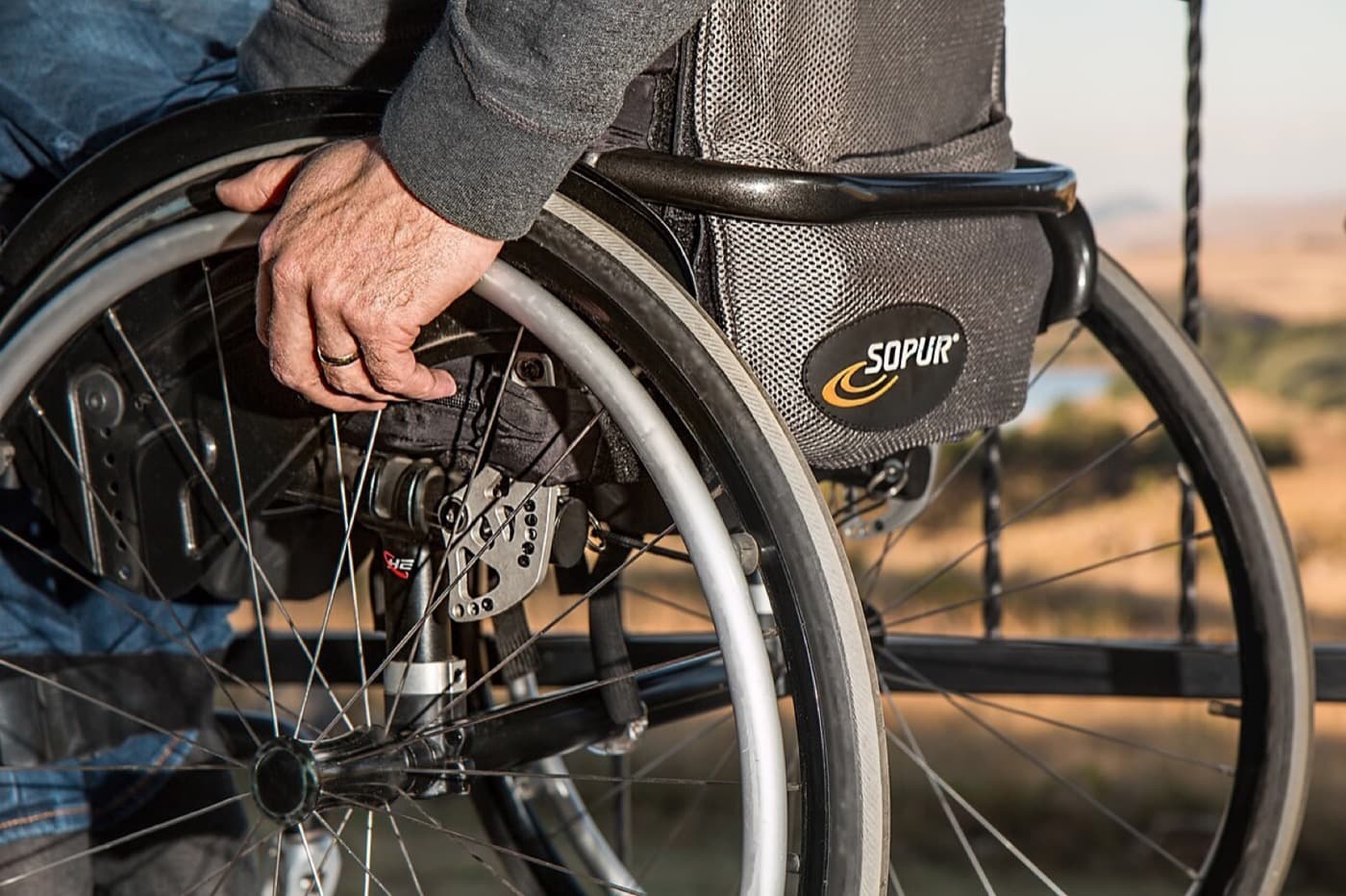
Cycling
A low-impact endurance sport that doubles as transport, exercise and adventure.

Running
The most accessible endurance sport — no venue, just shoes and the open road or trail.
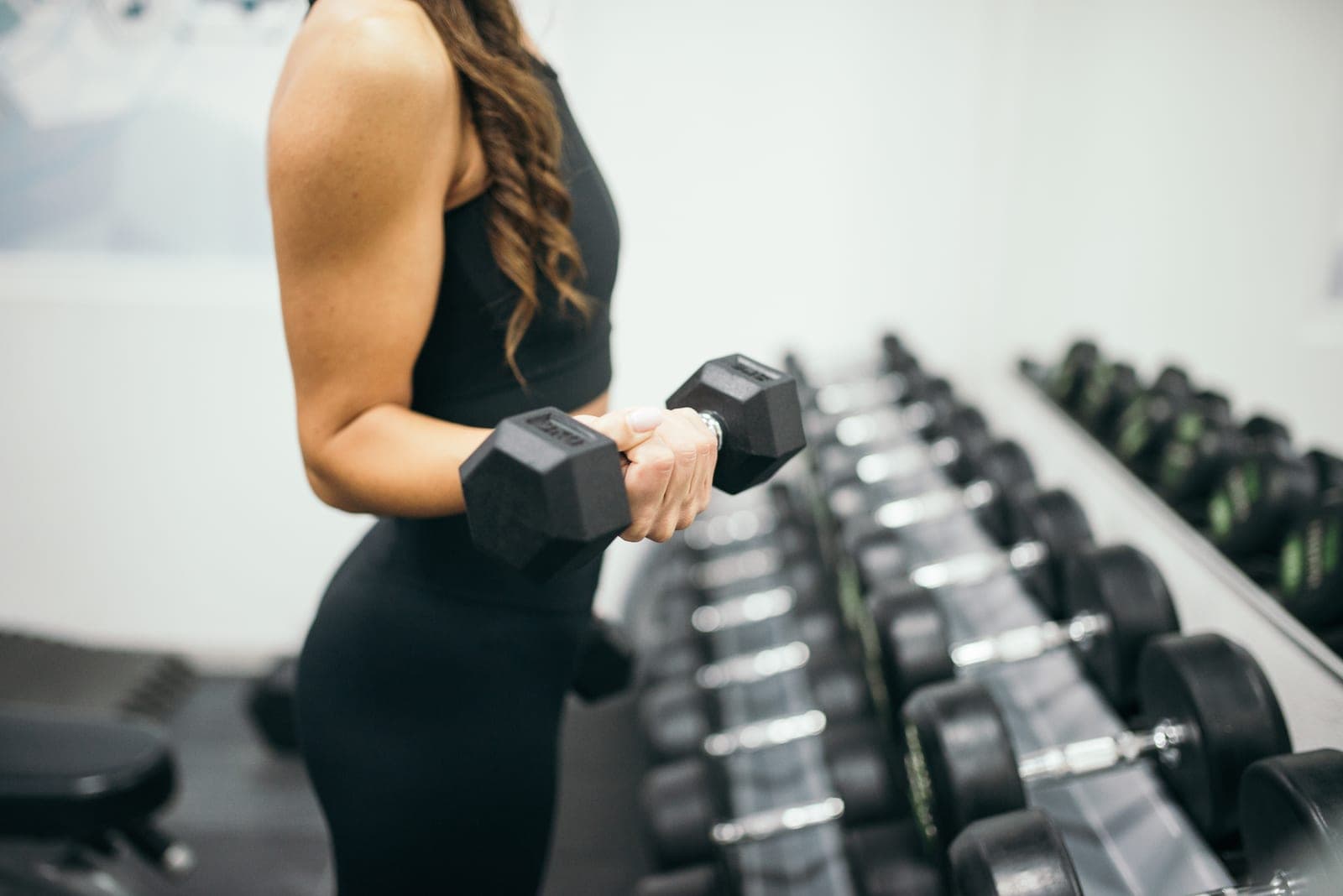
Fitness
Strength and general fitness training — the foundation that supports every other sport.
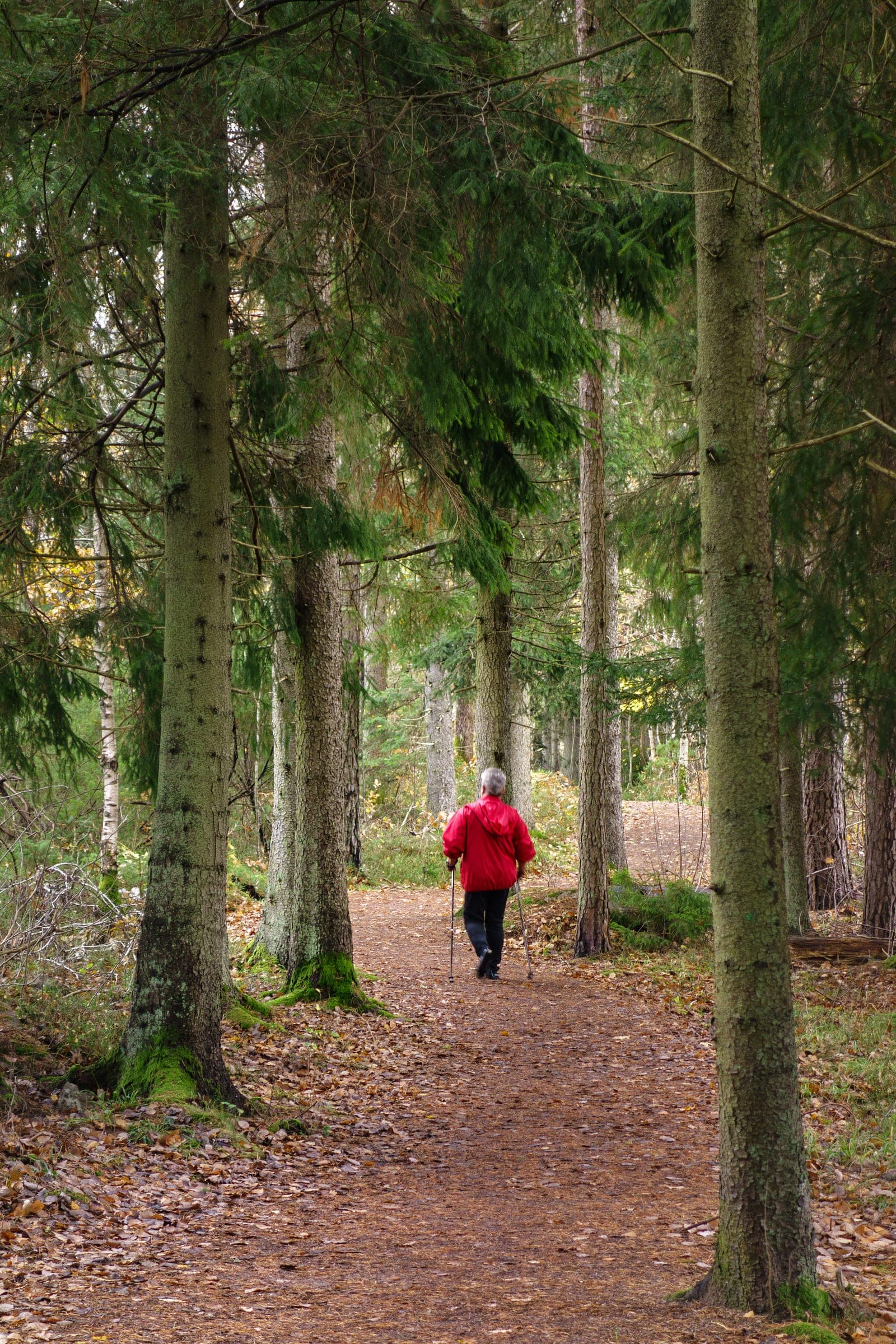
Nordic Walking
A gentle, accessible endurance activity that adds poles to bring the upper body into every walk.
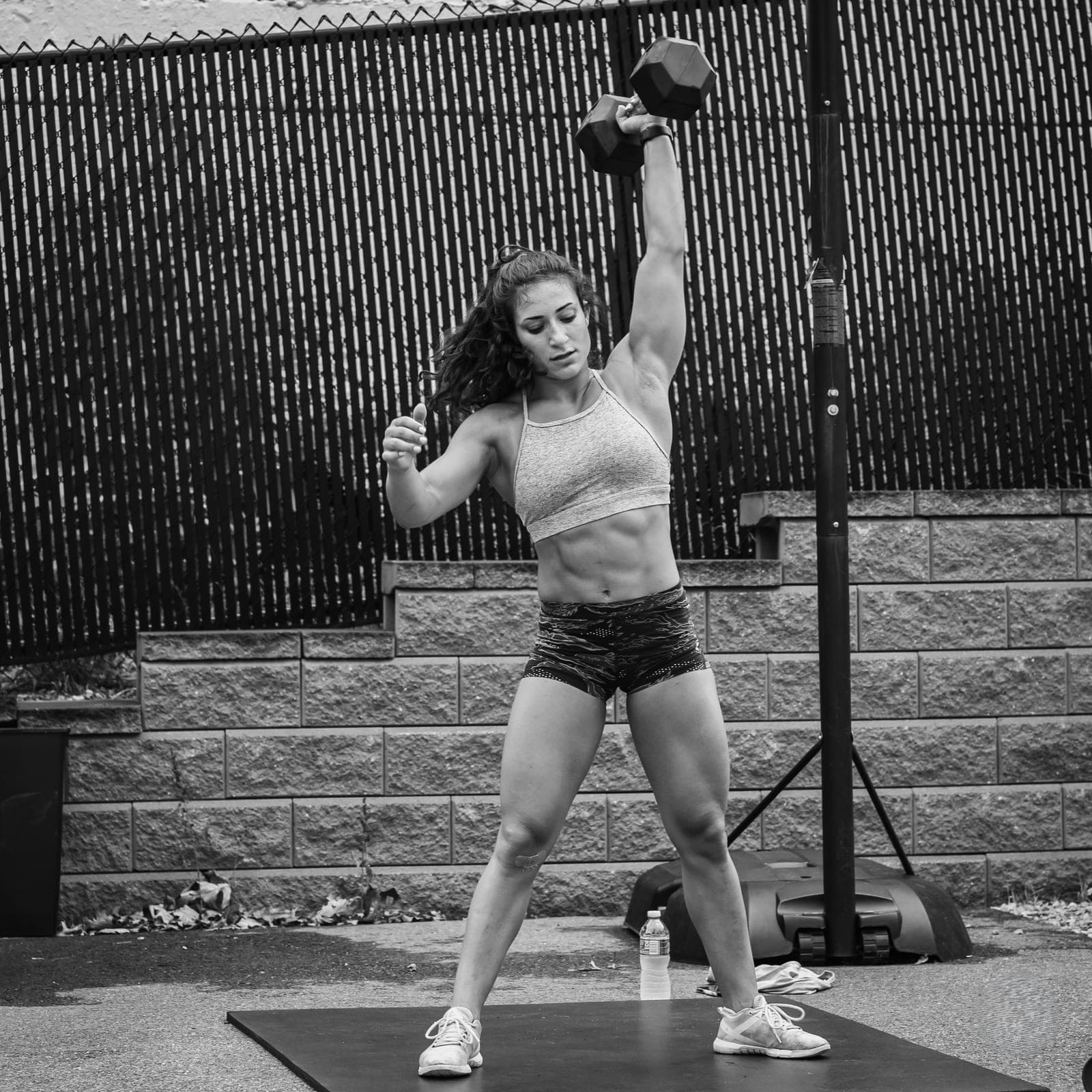
HIIT
High-intensity interval training that alternates short bursts of hard effort with brief recovery.
Also fits this goal
Sports beyond the shortlist above that genuinely serve this goal, each with the reason it does and what it costs you. These are editorial judgements about how a sport is typically played, not source-verified facts.
- Situational fitIndoor Cycling
Regular, repeatable sessions that the weather cannot cancel, which matters more for building a habit than any single session does.
What it costs you: Managing weight depends on far more than exercise, and no single activity decides it. Studio classes also carry a recurring cost.
Train for it
Exercises and methods that build what this goal needs — educational, not a prescription.
Wall sit
A holding exercise where you sit against a wall with no chair, holding a squat position still.
Step-up
A movement where you step up onto a raised platform one leg at a time and step back down.
Kettlebell swing
A dynamic hinge where you swing a kettlebell to shoulder height using a snap of the hips.
Push-up
A classic upper-body pushing exercise where you lower and press your body up from the floor.
Tricep dip
A pushing exercise where you lower and raise your body using your arms on parallel bars or a bench.
Pull-up
A vertical pulling exercise where you hang from a bar and pull your chin above it.
Frequently asked questions
What is the best sport for losing weight?
There isn't one single best sport. Activities that raise your heart rate and that you enjoy enough to keep doing regularly — such as swimming, cycling or running — tend to work well, because consistency over time usually matters more than any specific workout.
How quickly will I see results?
It varies a lot from person to person, and steady, gradual change is generally more sustainable than rapid loss. Focusing on building a consistent, active routine and balanced habits is usually more helpful than chasing fast results.
Do I need to diet as well as exercise?
Most people find that movement works best alongside generally balanced eating. This is educational information rather than a diet plan — for personalised guidance, a doctor or registered dietitian is the right person to ask.
Related goals
Improve fitness
Build well-rounded fitness — stamina, strength and more — through regular, varied activity you can keep up.
Become more active
Add regular, gentle movement to your everyday life and build up from a sedentary start at your own pace.
Build an active lifestyle
Make movement a natural, lasting part of daily life through activities and habits you genuinely enjoy.
Build healthy habits
Using sport and routine to make regular activity a lasting part of everyday life.
Improve cardiovascular health
Regular activity is widely linked with supporting heart and circulatory health as part of a balanced routine.
Who & where this fits
This goal fits all kinds of people and lifestyles.
How it connects
The meaning-bearing relationships that place Lose weight in the wider knowledge graph — each one with the reason it exists.
Achieved through
Routes people take towards this goal.
- SwimmingSwimming is one of the sports listed under the “Lose weight” goal.
- CyclingCycling is one of the sports listed under the “Lose weight” goal.
- RunningRunning is one of the sports listed under the “Lose weight” goal.
- FitnessFitness is one of the sports listed under the “Lose weight” goal.
- Nordic WalkingNordic Walking is one of the sports listed under the “Lose weight” goal.
Explore across the knowledge base
Follow the threads that connect Lose weight to the rest of SocialSportHub.
Knowledge Atlas
Healthy living
- Exercise and SleepThe two-way link between staying active and sleeping well — how movement can help rest, and how rest fuels movement.
- Active CommutingBuilding movement into the journey to work or school — walking or cycling all or part of the way, so travel time doubles as active time.
- Evening Wind-DownEasing gently from a busy day toward rest, with calm movement and habits that help the body settle.
- Movement for Stress ReliefHow gentle, regular movement is widely associated with feeling calmer — a simple, accessible way to support everyday stress management.
How this page is maintained
- Content type
- Life goal
- Provenance
- Tier A — evergreen educational
- Verified external sources
- 0
- Content updated
- 2026-09-22
Evergreen, first-party explanation — it makes no claim that needs an external source. How we handle sources and reviews.