
Mouthguard
A mouthguard is a soft protective insert worn over the teeth in contact sports to help cushion impacts to the mouth.
Definition
A mouthguard, also called a gum shield, is a moulded piece of pliable material that fits over the upper teeth. It is worn in contact and collision sports to help cushion blows and reduce the chance of damage to the teeth, lips and jaw during clashes, tackles or strikes.
Mouthguards range from ready-made stock versions to “boil-and-bite” types that are softened in hot water and shaped to the wearer’s teeth, through to custom-fitted guards made from an individual mould. A closer fit generally makes a mouthguard more comfortable and easier to keep in place while breathing and moving.
Where you’ll hear “mouthguard”
Sports that use this term:

Boxing
A striking combat sport built on footwork, timing and conditioning, practised from fitness drills to controlled sparring.
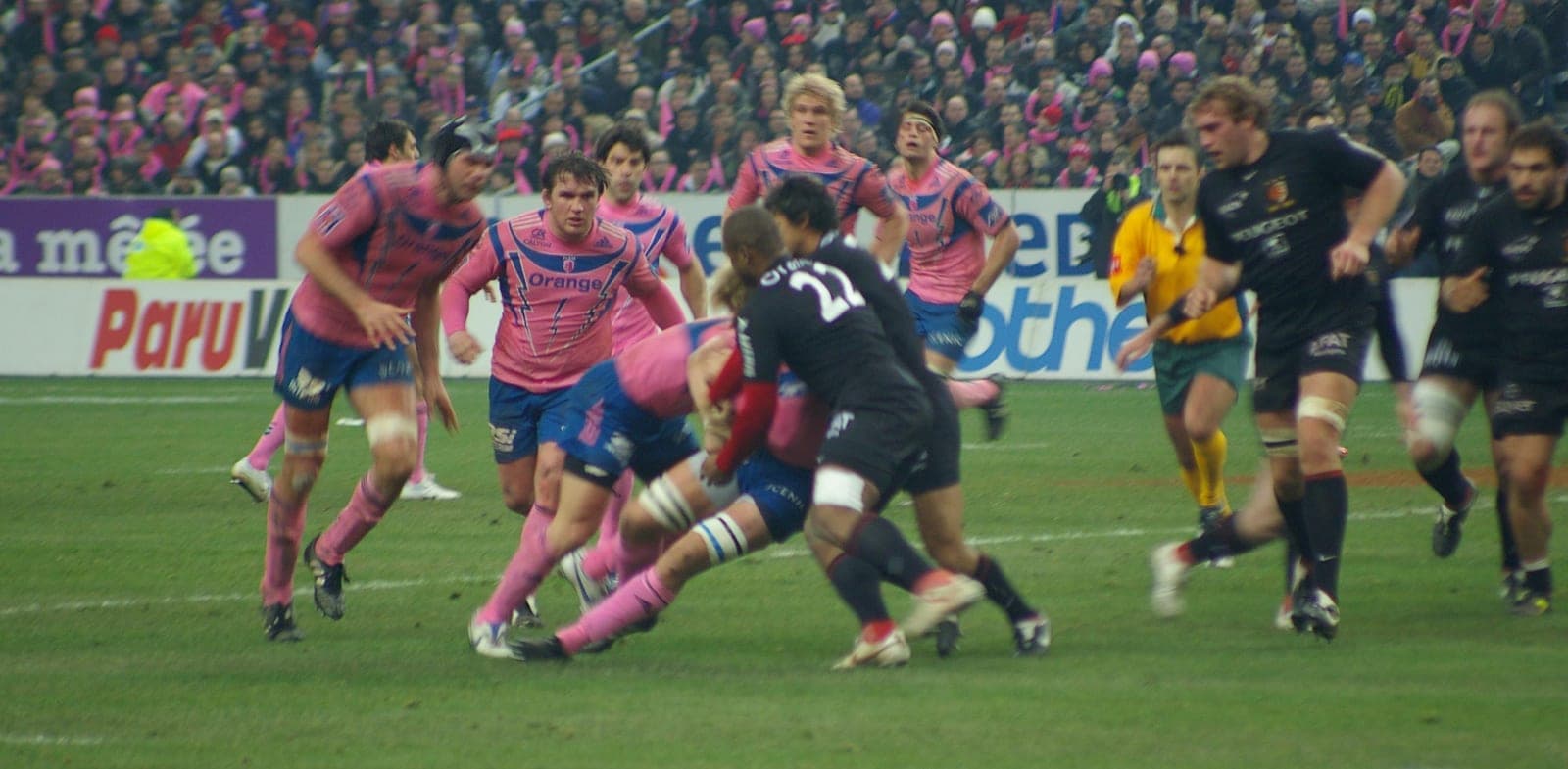
Rugby
A physical team sport of carrying, passing and kicking an oval ball toward the opposing line.
American Football
A strategic, position-based team sport of set plays, sprinting and coordinated teamwork on a marked field.

Mixed Martial Arts
A combat sport that blends striking and grappling from several disciplines into one all-round skill set.
Explore across the knowledge base
Follow the threads that connect Mouthguard to the rest of SocialSportHub.
Equipment
- MouthguardA moulded guard worn over the teeth in contact and combat sports, cushioning the teeth and jaw against impact. Fit is what makes it work.
- Boxing glovesPadded gloves worn to cover the hands when punching in boxing and striking sports.
- Gi (martial arts uniform)A durable jacket-and-trouser uniform worn in several grappling and striking martial arts.
- Shin guardsProtective pads worn over the shins in football and other field sports.
Go deeper with Mouthguard
Everywhere else on the platform that covers Mouthguard — assembled from what actually references it, so nothing here is a dead end.
Take it away
Open data and the whole-platform view of this subject.
How this page is maintained
- Content type
- Term
- Provenance
- Tier A — evergreen educational
- Verified external sources
- 0
- Content updated
- 2026-09-01
Evergreen, first-party explanation — it makes no claim that needs an external source. How we handle sources and reviews.