
Get into winter sports
Snow and ice sports, and what it realistically takes to start one — season, travel, hire and lessons included.
How sport helps
Winter sports cover everything from a first hour on a public ice rink to a week on a mountain. They share a few traits: most depend on a season or a specialist facility, most are learned fastest with an instructor, and most can be tried on hired equipment long before anyone needs to buy anything.
That dependence is the honest catch. A sport that needs snow, ice or a slope is not something you can pick up on a whim in the way running or a home workout is. Planning around a season, a rink timetable or a trip is part of the sport, and indoor centres and dry slopes are what make several of them possible year-round.
- Skating, skiing and snowboarding are balance-led, so progress comes from time on the ice or snow rather than from raw fitness.
- Cross-country skiing and snowshoeing are sustained, whole-body outdoor activity that many people find easier on the joints than running.
- Most winter sports are learned in lessons or groups, which gives structure and company from the first session.
- Hiring equipment makes it genuinely possible to try several before committing to any, which matters in sports where a full kit is a real outlay.
Getting started
- 1Start at a facility rather than a mountain: a public rink session or a dry-slope or indoor-snow lesson costs far less than a trip.
- 2Hire equipment for the first few sessions. Fit matters more than anything you could buy, and hire shops fit you.
- 3Book a beginner lesson — these are sports where an hour of instruction saves weeks of bad habits.
- 4Check the season and the timetable before you plan anything, and budget for travel and lift or rink passes as well as kit.
Good sports for this goal
Great places to start — each with a clear, beginner-friendly guide.
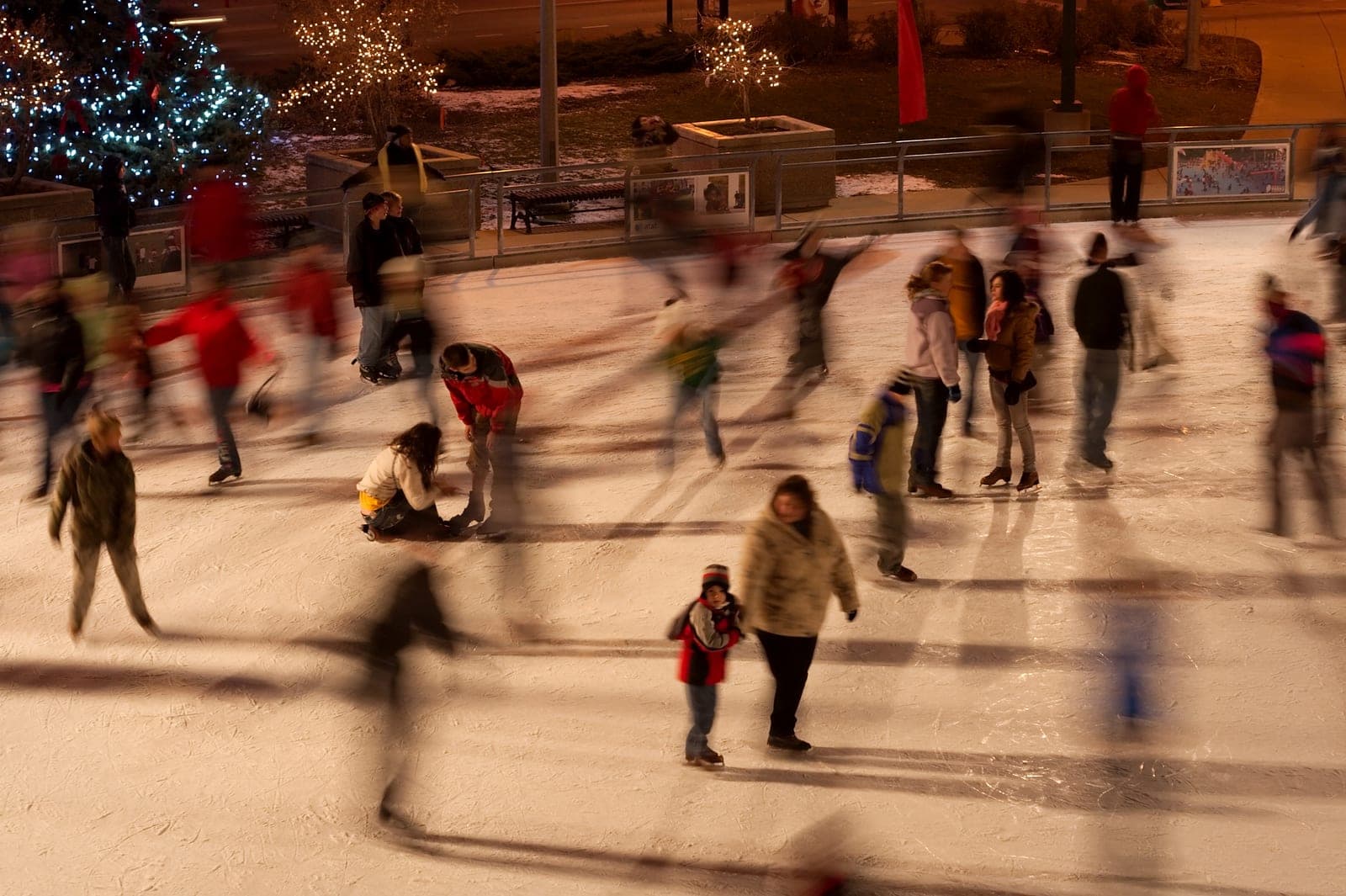
Ice Skating
A graceful winter activity of gliding across ice on skates, from casual laps to disciplined skating.
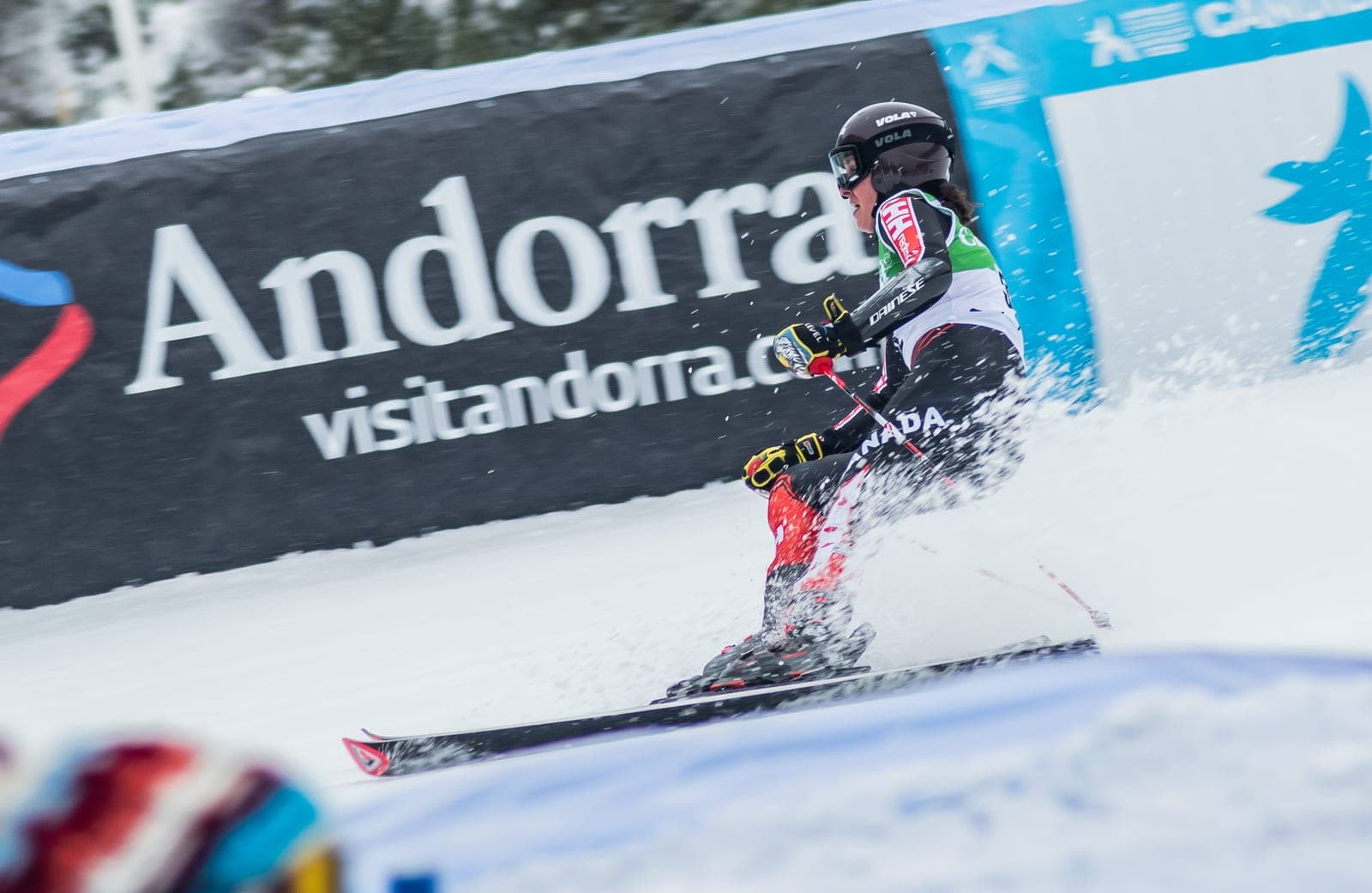
Alpine Skiing
A downhill snow sport where you glide and turn down groomed slopes on a pair of skis.
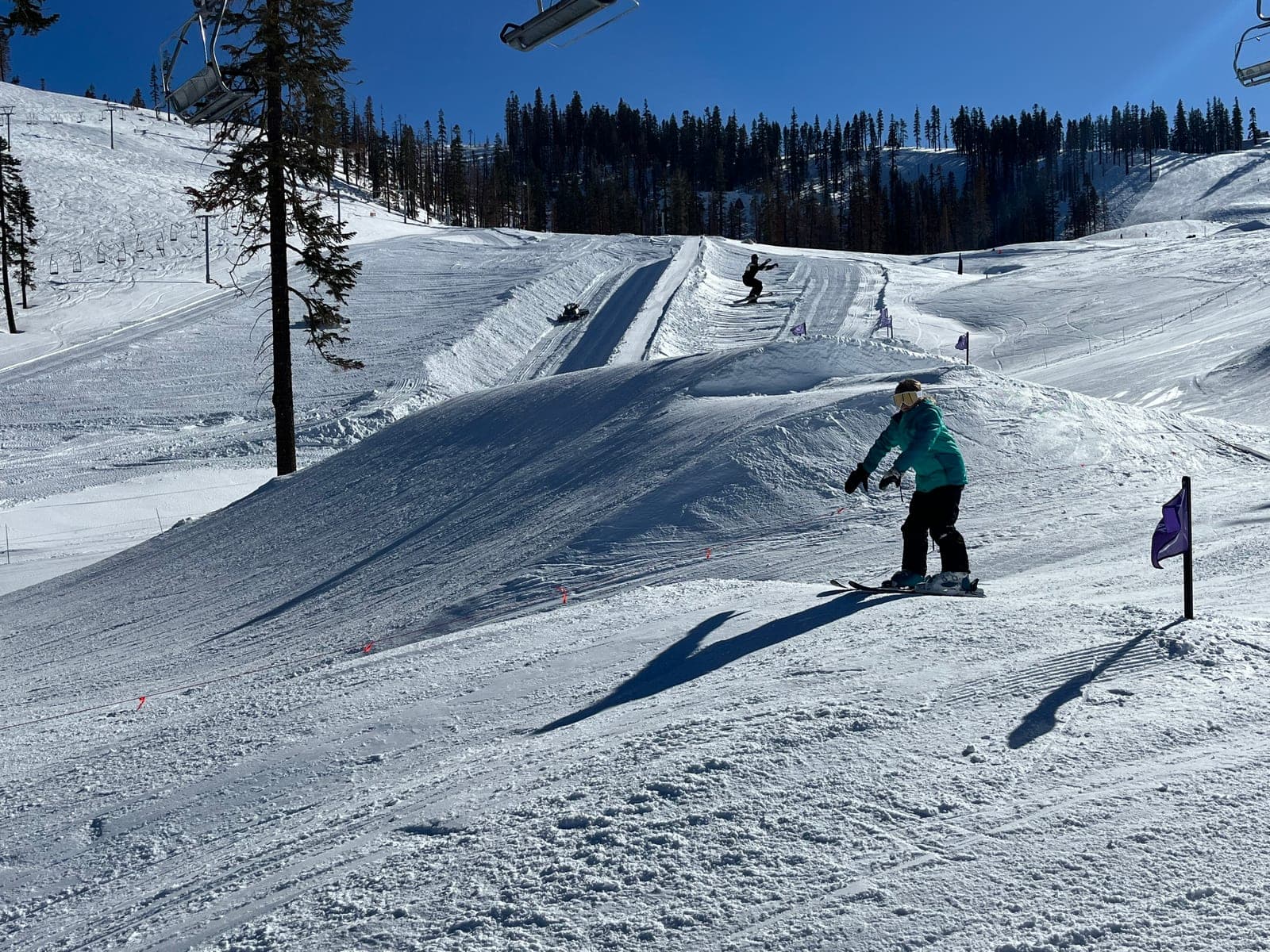
Snowboarding
A downhill snow sport where you ride a single board sideways down the mountain.
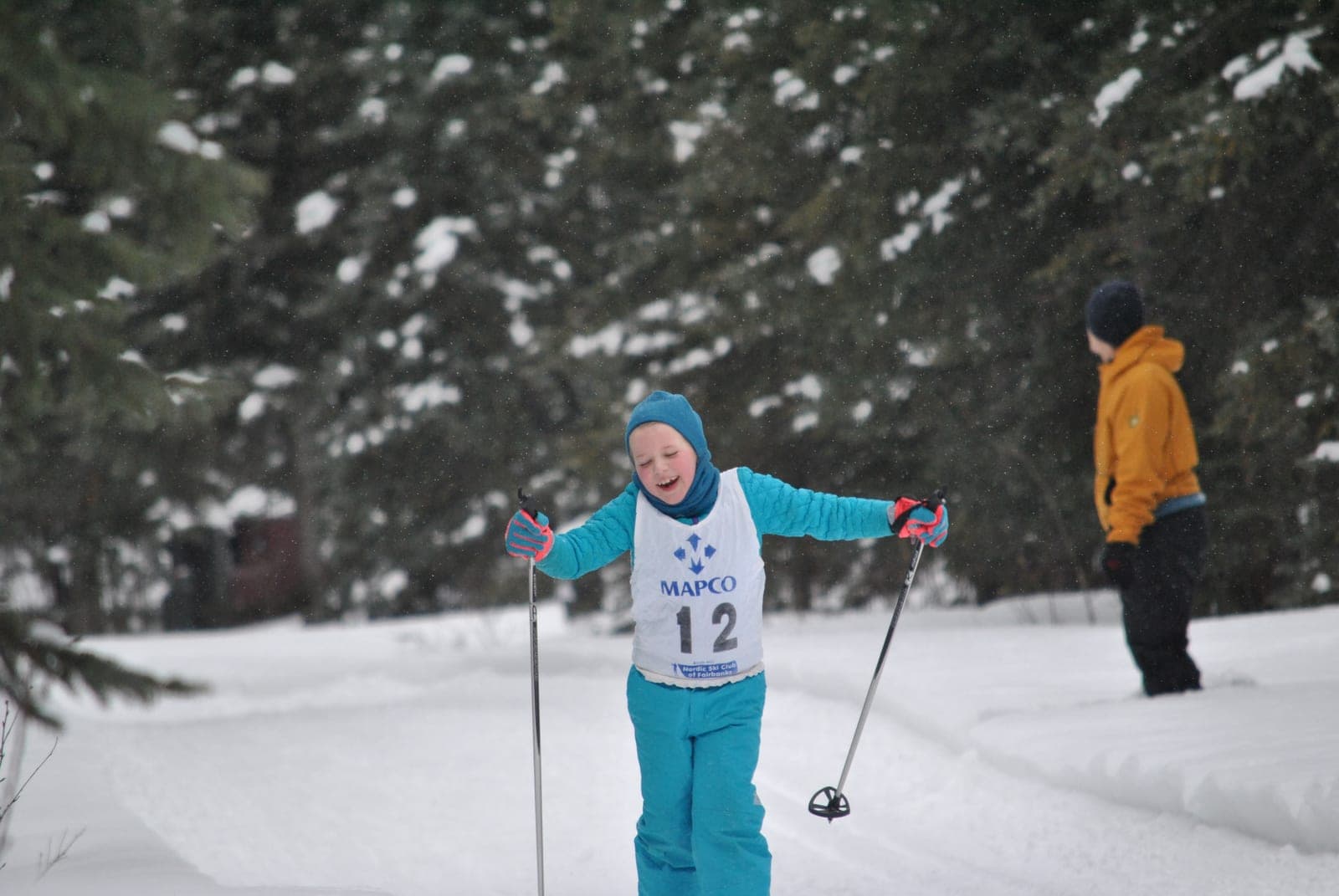
Cross-Country Skiing
A low-impact endurance snow sport where you propel yourself across flat and rolling terrain on skis.
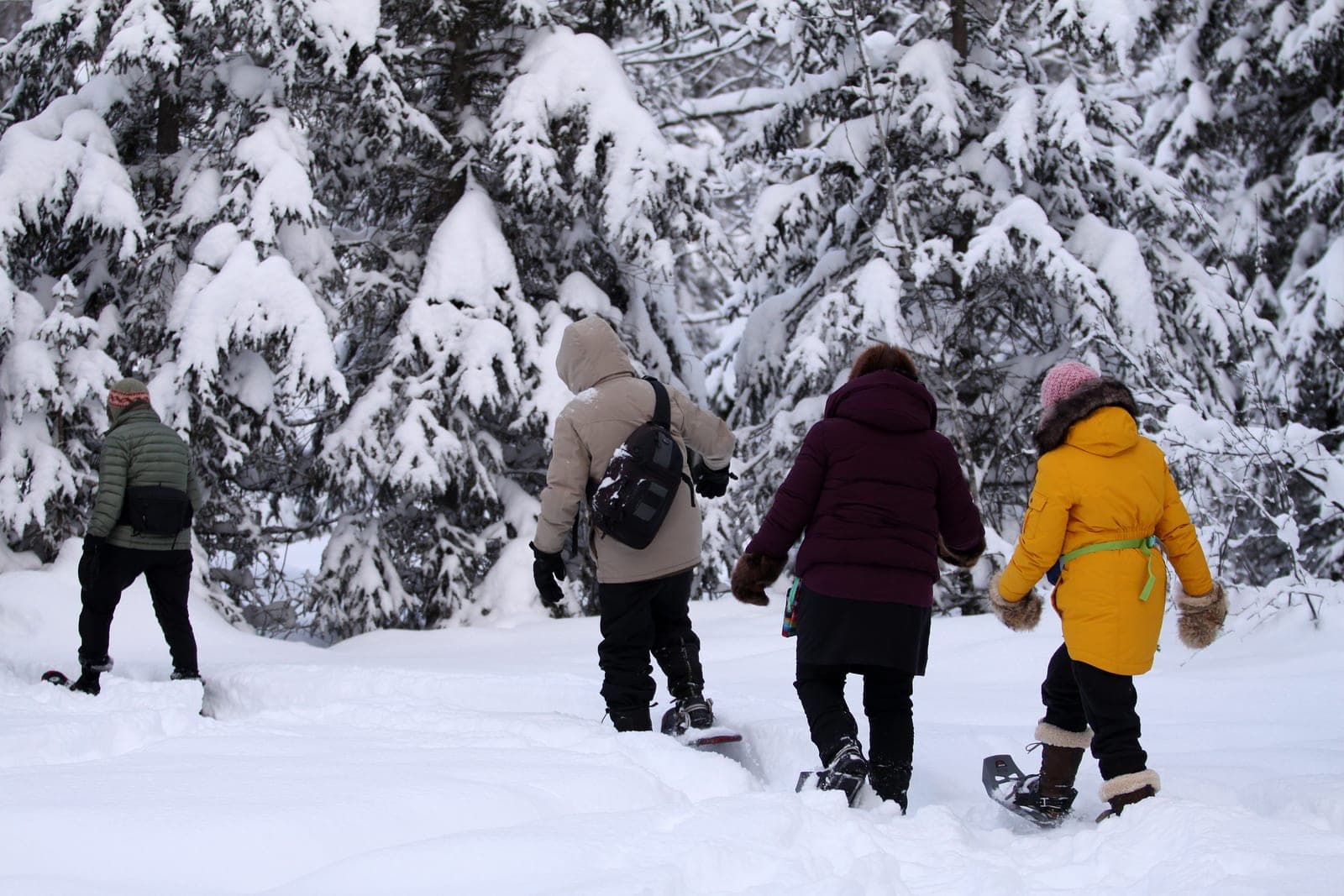
Snowshoeing
A simple, accessible winter activity — walking over deep snow on wide-framed shoes that keep you from sinking in.
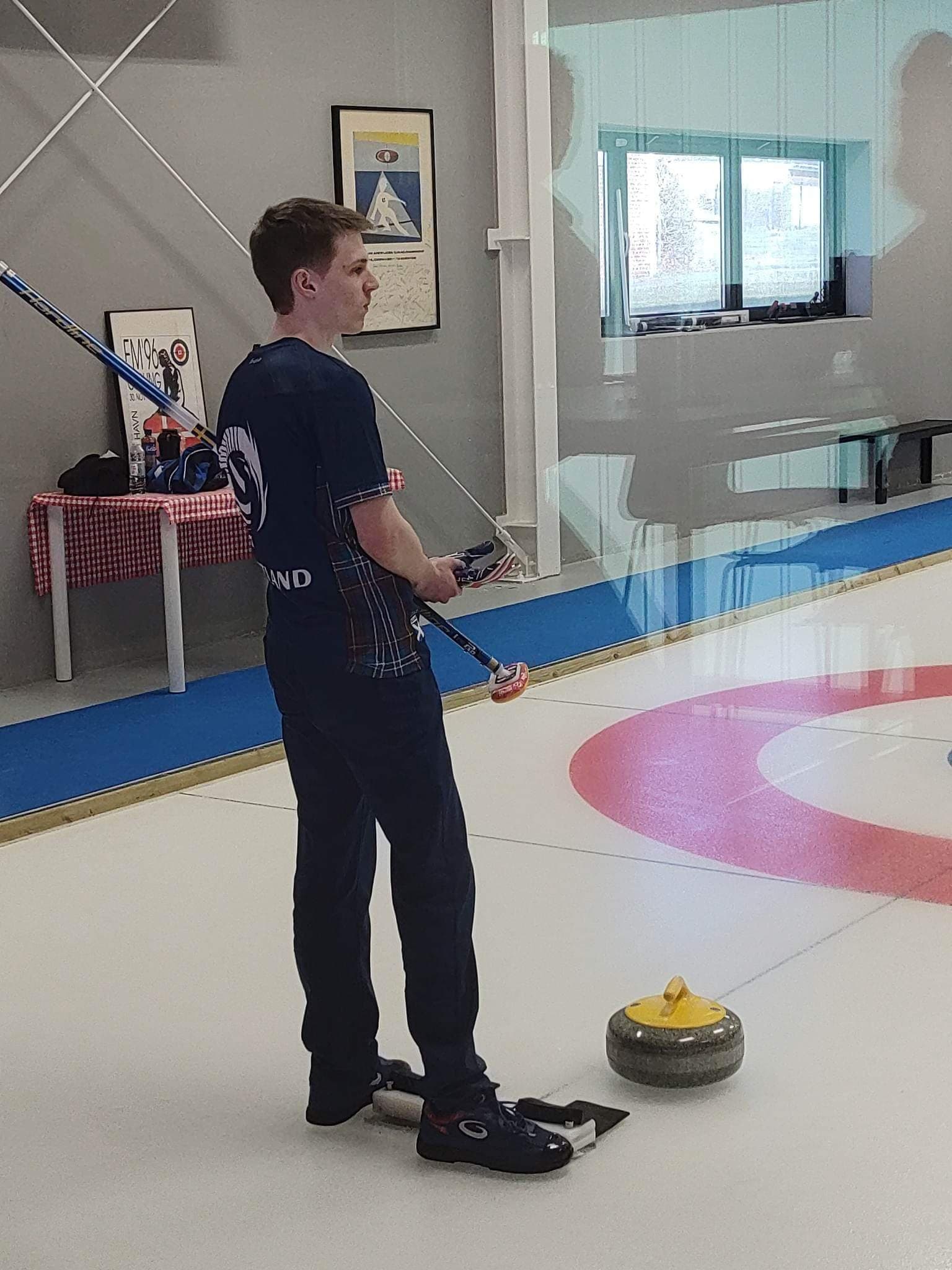
Curling
A tactical team sport of sliding polished stones down a sheet of ice toward a target, with teammates sweeping to guide them.
Also fits this goal
Sports beyond the shortlist above that genuinely serve this goal, each with the reason it does and what it costs you. These are editorial judgements about how a sport is typically played, not source-verified facts.
- Primary fitBiathlon
Cross-country skiing and rifle shooting in one event — a winter sport that exists nowhere else.
What it costs you: It needs snow, a range and a club, the equipment is specialised and costly, and firearm handling is strictly regulated and supervised. Access is the real barrier for almost everyone.
- Primary fitFigure Skating
An ice sport available all year at any public rink, taught in group lessons from the first hour on skates.
What it costs you: Rink time is booked and paid for, boots and blades are a real outlay once you move past hire skates, and progress is slow enough that lessons are effectively required.
- Strong fitIce Hockey
It is played on ice in a rink, so it is available all year in most cities rather than only in season.
What it costs you: Learning to skate comes first and takes real time, and the protective equipment is a substantial outlay even second-hand.
- Primary fitSledding
The one winter activity that needs no lesson, no club and no skill — a slope with snow on it and something to sit on.
What it costs you: It needs snow and a safe slope, so it is entirely dependent on the season and on where you are. Choose a run clear of roads, water, trees and fences, and supervise children.
- Primary fitSpeed Skating
Racing on ice, on long or short track, at rinks that run year-round in many cities.
What it costs you: It needs a rink with a speed-skating club, the blades are specialised, and the technique takes a long time before it is fast.
Train for it
Exercises and methods that build what this goal needs — educational, not a prescription.
Squat
A foundational lower-body movement where you bend at the hips and knees to lower down and stand back up.
Goblet squat
A squat variation where you hold a single weight close to your chest for balance and control.
Lunge
A single-leg movement where you step forward and bend both knees to lower your body.
Bulgarian split squat
A single-leg squat where the back foot is raised on a bench behind you.
Step-up
A movement where you step up onto a raised platform one leg at a time and step back down.
Hip hinge
The foundational bending-at-the-hips pattern that underpins deadlifts, swings and picking things up.
Frequently asked questions
Can I try winter sports without going on a skiing holiday?
Yes, and it is usually the sensible way in. Public ice rinks run beginner sessions all year, indoor snow centres and dry slopes teach skiing and snowboarding outside the season, and curling clubs run taster sessions. All of them hire out the equipment you need.
Do I need to buy equipment?
Not to start. Skis, boards, boots, skates and curling shoes are all commonly hired, and hire staff fit them to you — which matters more for a beginner than any specification. Buying makes sense once you know which sport you are staying with.
Which winter sport is easiest to begin?
Snowshoeing asks least: it is close to walking, and the technique is quickly learned. Ice skating and curling are accessible because rinks are local and sessions are short. Skiing and snowboarding take longer and are best begun with lessons.
Related goals
Outdoor activities
Spend more time being active outdoors, from walking and cycling to trails, water and hills.
Improve balance
Train steadiness and control at any age with simple, progressive balance practice done safely.
Family activities
Find sports and games that people of different ages can enjoy together, with something for everyone.
Build an active lifestyle
Make movement a natural, lasting part of daily life through activities and habits you genuinely enjoy.
How it connects
The meaning-bearing relationships that place Get into winter sports in the wider knowledge graph — each one with the reason it exists.
Achieved through
Routes people take towards this goal.
- Ice SkatingIce Skating is one of the sports listed under the “Get into winter sports” goal.
- Alpine SkiingAlpine Skiing is one of the sports listed under the “Get into winter sports” goal.
- SnowboardingSnowboarding is one of the sports listed under the “Get into winter sports” goal.
- Cross-Country SkiingCross-Country Skiing is one of the sports listed under the “Get into winter sports” goal.
- SnowshoeingSnowshoeing is one of the sports listed under the “Get into winter sports” goal.
Explore across the knowledge base
Follow the threads that connect Get into winter sports to the rest of SocialSportHub.
Sport categories
How this page is maintained
- Content type
- Life goal
- Provenance
- Tier A — evergreen educational
- Verified external sources
- 0
- Content updated
- 2026-09-22
Evergreen, first-party explanation — it makes no claim that needs an external source. How we handle sources and reviews.