
Family activities
Find sports and games that people of different ages can enjoy together, with something for everyone.
How sport helps
Family activities are about moving and playing together rather than chasing performance. The aim is shared time and shared fun, so the best choices are ones where a range of ages and abilities can all take part at the same time.
Because families mix young children, teenagers and adults, flexibility matters more than intensity. Many families find it works best to pick activities that scale easily, keep the pressure low, and let everyone join in at their own pace, with supervision for younger children where sensible.
- Shared activity can turn everyday time together into something active, which many families find easier to sustain than solo exercise plans.
- Games with simple rules let mixed ages play side by side, so younger and older members can take part without anyone being left out.
- Doing something active together can build shared routines and memories, and often makes regular movement feel like play rather than a chore.
- Rotating who chooses the activity can keep everyone involved and give each family member a turn to lead.
A note on health information
Getting started
- 1Pick one activity everyone can access, such as a walk, a bike ride or a game in a local park, and start small.
- 2Choose a regular, realistic slot — a weekend morning or after school — so it becomes a habit rather than a one-off.
- 3Keep gear and rules simple at first; borrow or share equipment before buying anything.
- 4Adjust the pace and difficulty so the youngest and least experienced can still enjoy it, and supervise young children near water, roads or heights.
Good sports for this goal
Great places to start — each with a clear, beginner-friendly guide.
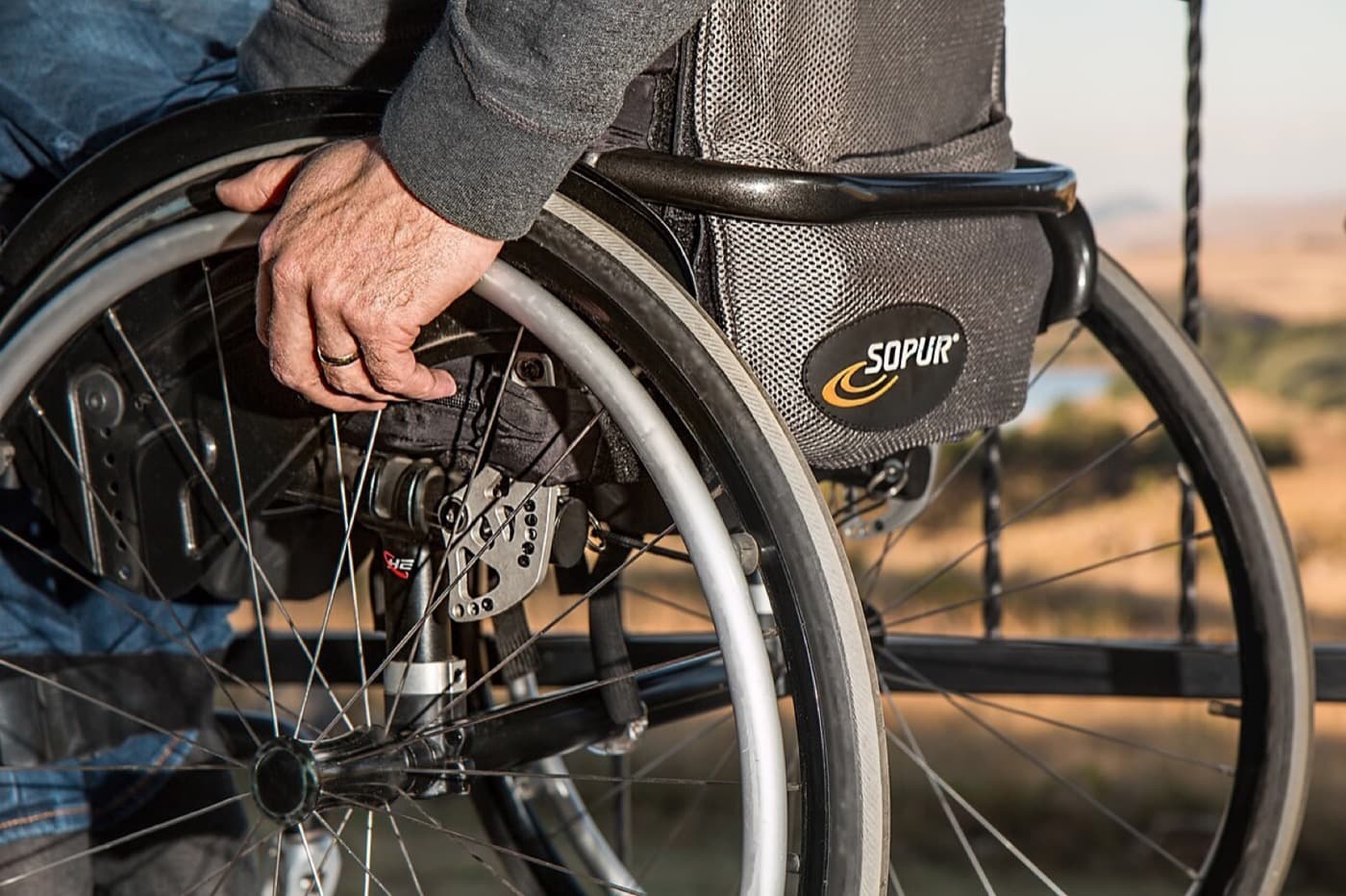
Cycling
A low-impact endurance sport that doubles as transport, exercise and adventure.
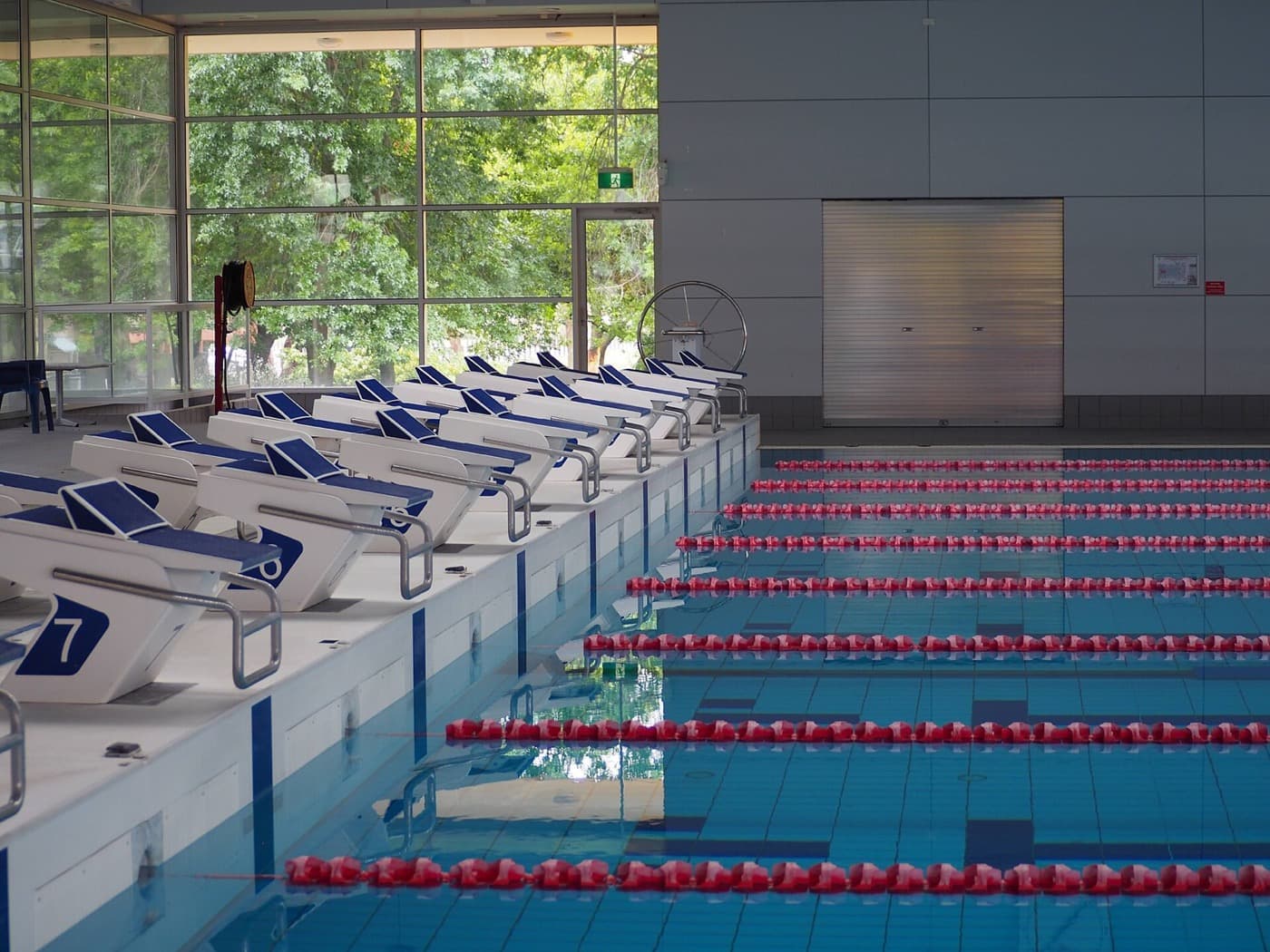
Swimming
A full-body, low-impact endurance sport suitable for almost every age and ability.
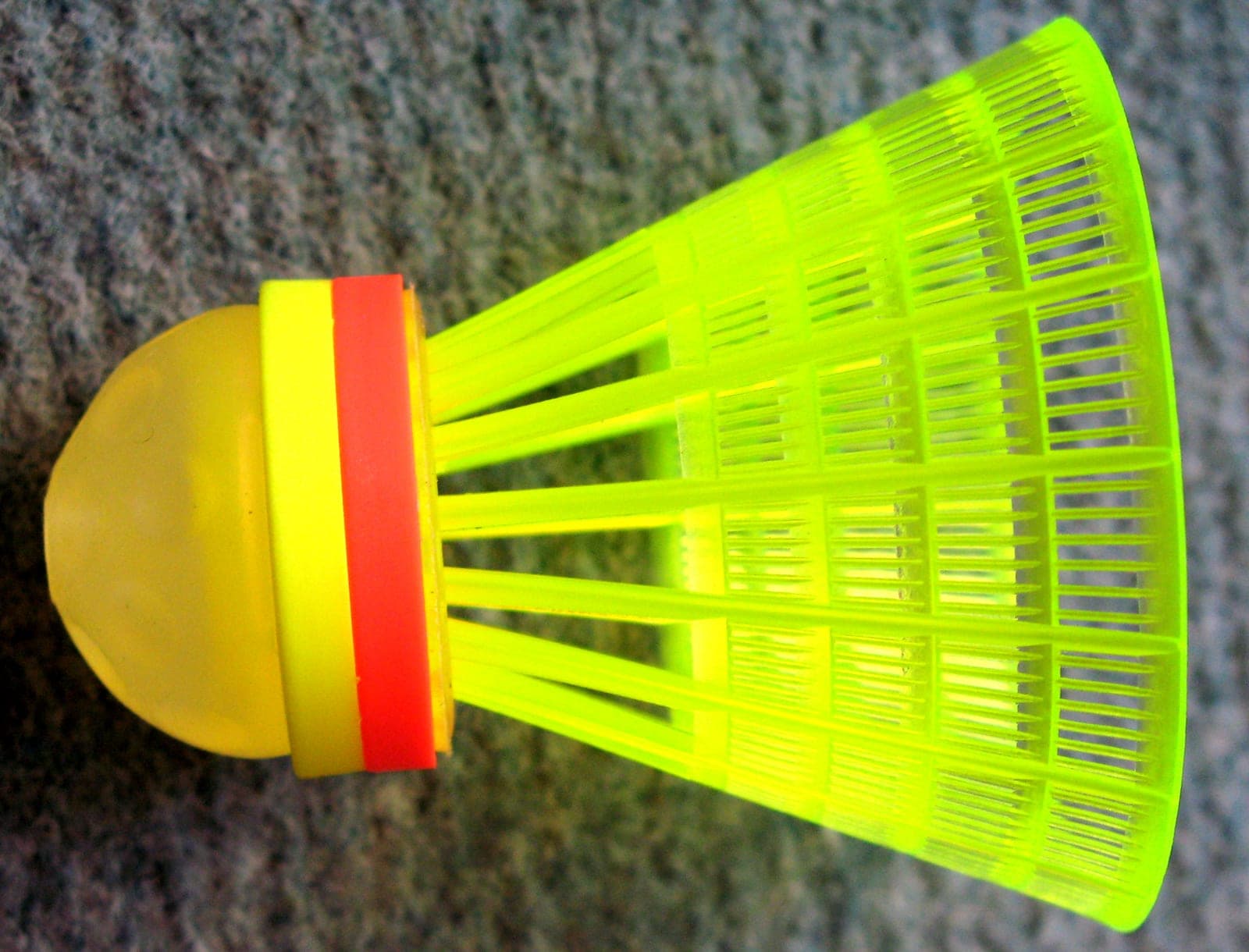
Badminton
A fast indoor racquet sport played with a shuttlecock that rewards agility and touch.
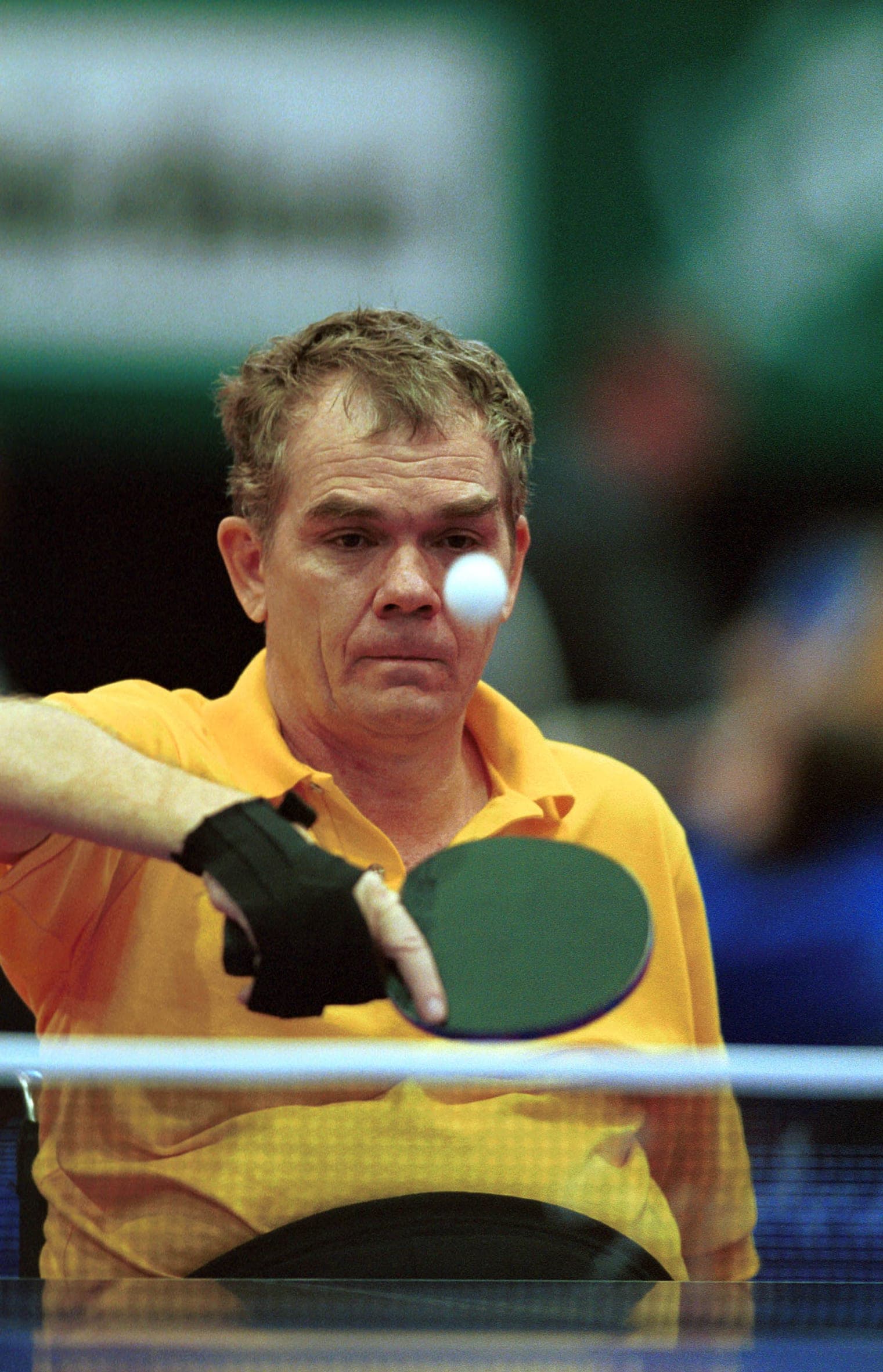
Table Tennis
A fast, low-impact indoor racquet sport that sharpens reflexes and is easy to start.
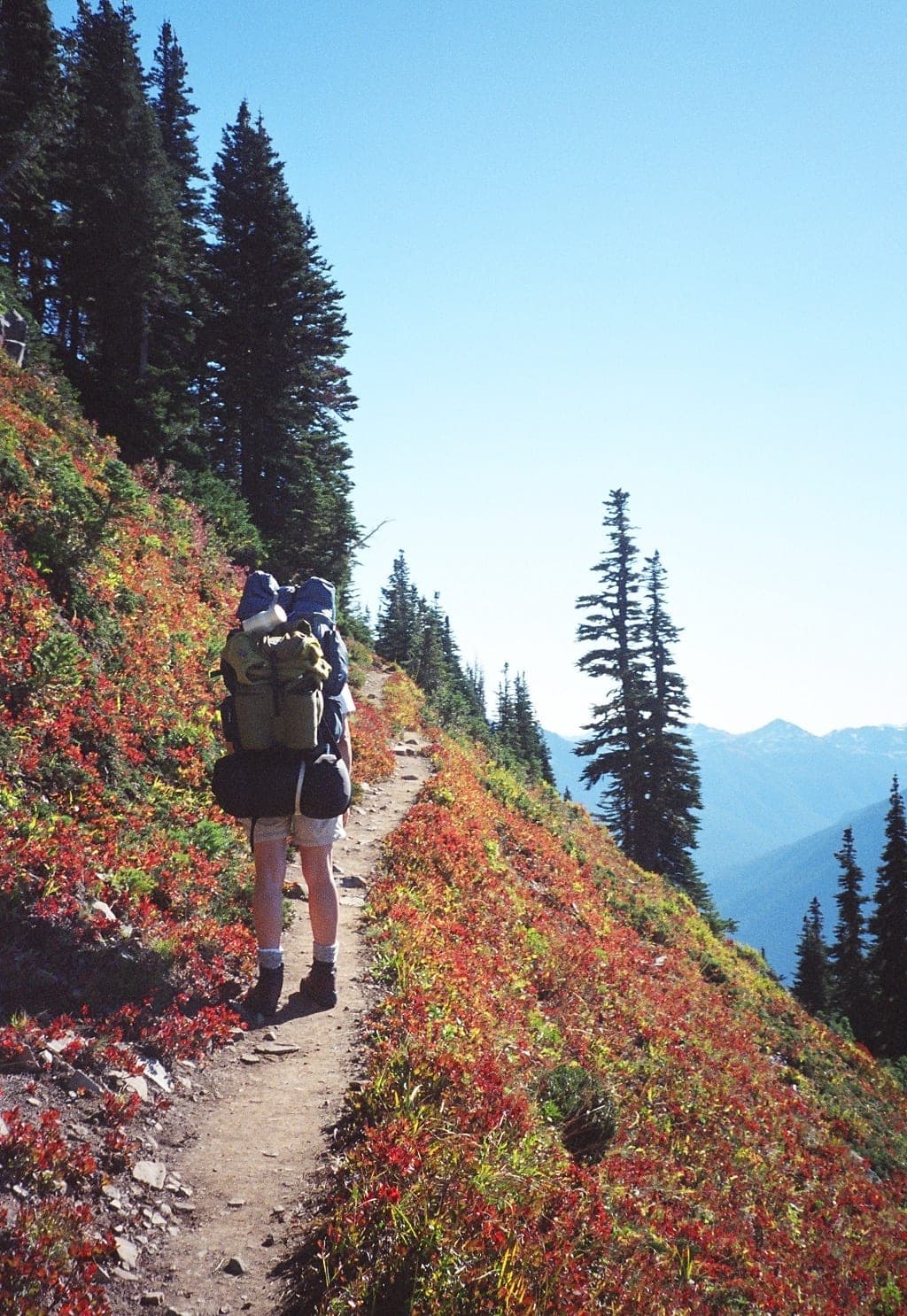
Hiking
An accessible outdoor sport of walking natural trails and hills at your own pace, solo or in a group.
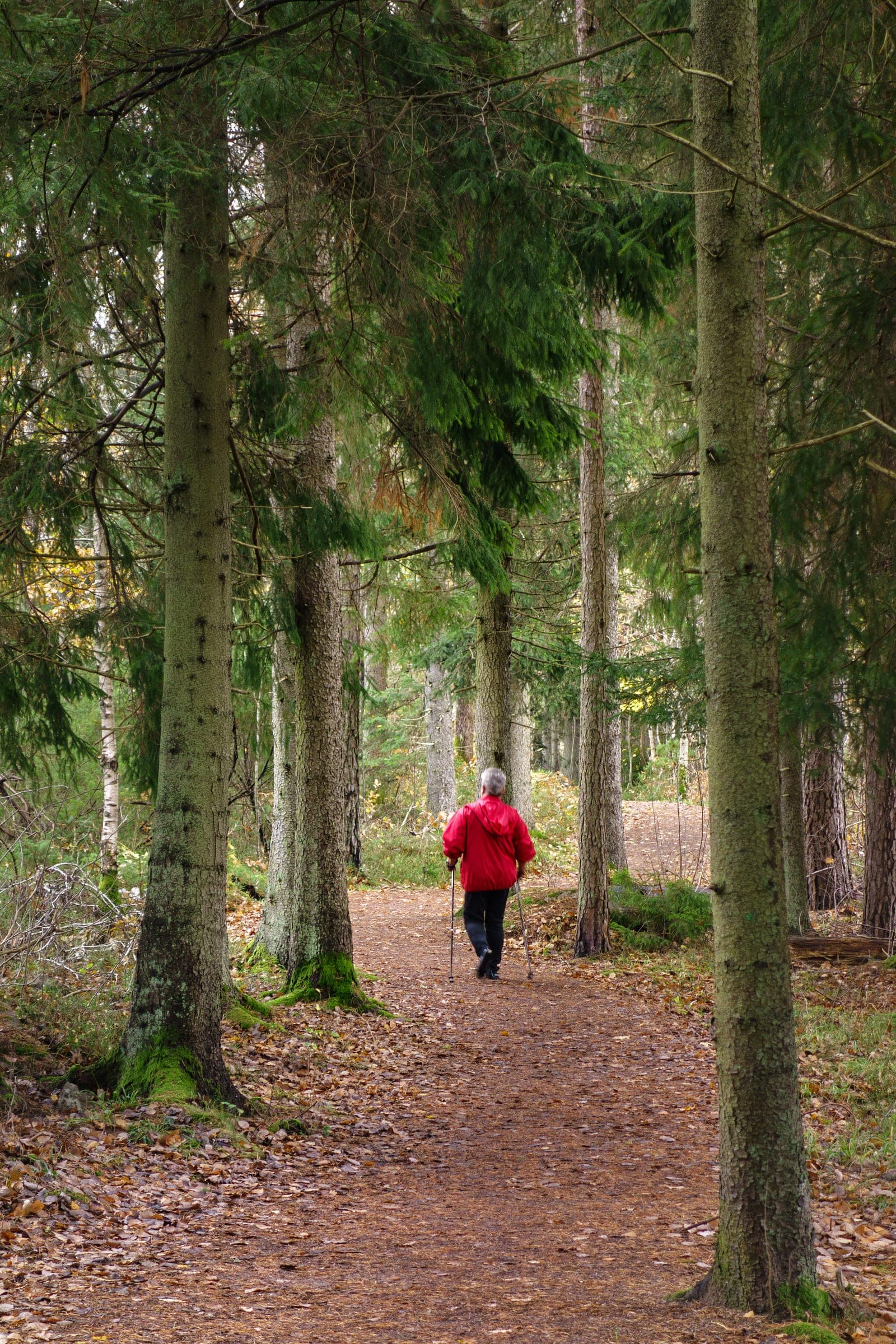
Nordic Walking
A gentle, accessible endurance activity that adds poles to bring the upper body into every walk.
Also fits this goal
Sports beyond the shortlist above that genuinely serve this goal, each with the reason it does and what it costs you. These are editorial judgements about how a sport is typically played, not source-verified facts.
- Situational fitBodyboarding
Children and adults can both catch waves in shallow water on the same afternoon, which is rare among board sports.
What it costs you: Supervision in the surf matters, and conditions change — check the beach’s own flags and lifeguard guidance every time.
- Situational fitCanoeing
An open canoe carries two or three people, so a family can genuinely be in the same boat rather than racing each other.
What it costs you: Buoyancy aids, supervision and calm water are preconditions, and the centre running the session sets them — not this page.
- Situational fitDisc Golf
Everyone throws their own disc from where it landed, so mixed abilities play the same round without holding each other up.
What it costs you: Courses are free but not everywhere, so whether it works depends entirely on what is near you.
- Strong fitIce Skating
Public sessions put every age on the same ice at the same time, with hire skates for all of them.
What it costs you: Ice is hard and busy sessions are crowded; helmets for children and a quiet session are worth seeking out.
- Strong fitPOP Tennis
The short court and slow ball let a child, a parent and a grandparent rally in the same game without anyone being outclassed.
What it costs you: You still need a second player and a court, so it takes more arranging than something you can do at home.
- Situational fitSailing
A dinghy or a small keelboat is crewed by two or more, so it is something a family does together rather than in parallel.
What it costs you: Comfort in water, buoyancy aids and a centre that runs family sessions all come first. Follow the club’s guidance, not ours.
- Strong fitSledding
Every age can do it together on the same hill, on the same afternoon, with no instruction at all.
What it costs you: It is short-lived and weather-dependent, and the walk back up is most of the exercise.
- Strong fitSnorkeling
Everyone from children upward can do the same thing in the same shallow water, with no skill gap to manage.
What it costs you: Supervision in water is the whole safety story, and conditions change — follow the beach’s own flags and lifeguard guidance.
- Situational fitSoftball
Slow-pitch recreational formats are built around mixed ages and abilities playing the same game, which is unusual among team sports.
What it costs you: It depends on a local league that runs those formats; the competitive version is a different sport in practice.
Train for it
Exercises and methods that build what this goal needs — educational, not a prescription.
Jump squat
An explosive squat variation where you spring off the floor at the top of the movement.
Lunge
A single-leg movement where you step forward and bend both knees to lower your body.
Bulgarian split squat
A single-leg squat where the back foot is raised on a bench behind you.
Hip hinge
The foundational bending-at-the-hips pattern that underpins deadlifts, swings and picking things up.
Kettlebell swing
A dynamic hinge where you swing a kettlebell to shoulder height using a snap of the hips.
Band pull-apart
A simple pulling exercise where you stretch a resistance band across your chest to work the upper back.
Frequently asked questions
What sports work well for mixed ages?
Activities with simple rules and adjustable intensity tend to work best, such as cycling, swimming, badminton, table tennis and walking. They let children, teenagers and adults join the same session while each person plays at a comfortable level.
How do we keep it fun rather than competitive?
Focus on taking part rather than winning, keep sessions short, and let people opt in and out. Rotating who picks the activity and celebrating effort instead of results usually keeps the mood relaxed and inclusive.
Do we need special equipment to start?
Usually not. Many family activities need little more than comfortable clothing and shoes. Borrowing or sharing basic gear at first lets you try different activities before deciding whether to invest in anything.
Related goals
Become more active
Add regular, gentle movement to your everyday life and build up from a sedentary start at your own pace.
Outdoor activities
Spend more time being active outdoors, from walking and cycling to trails, water and hills.
Social activities
Use sport as a way to meet people, make friends and stay connected while staying active.
Build an active lifestyle
Make movement a natural, lasting part of daily life through activities and habits you genuinely enjoy.
Who & where this fits
This goal fits all kinds of people and lifestyles.
Children
How sport can fit into a child’s life through play, variety and supported, age-appropriate movement.
Parents
How busy parents can fit sport around family life with flexible, home-friendly and time-efficient options.
Families
How families can be active together with inclusive, all-ages sports that make movement social and fun.
At home
Movement you can do in your living room — from bodyweight strength to yoga — with little or no equipment.
On vacation
Keeping active while travelling — pool swims, walks, hikes and water sports that fit a holiday, not a routine.
In summer
Warm-weather sport — water activities, early-morning sessions and outdoor games that make the most of long days.
How it connects
The meaning-bearing relationships that place Family activities in the wider knowledge graph — each one with the reason it exists.
Achieved through
Routes people take towards this goal.
- CyclingCycling is one of the sports listed under the “Family activities” goal.
- SwimmingSwimming is one of the sports listed under the “Family activities” goal.
- BadmintonBadminton is one of the sports listed under the “Family activities” goal.
- Table TennisTable Tennis is one of the sports listed under the “Family activities” goal.
- HikingHiking is one of the sports listed under the “Family activities” goal.
Explore across the knowledge base
Follow the threads that connect Family activities to the rest of SocialSportHub.
Recommendations
- Recommended for “Family activities”Sports, qualities, a learning path and first steps for “Family activities” — every suggestion a real graph link, shown with its reason.
- Recommended for “Outdoor activities”Sports, qualities, a learning path and first steps for “Outdoor activities” — every suggestion a real graph link, shown with its reason.
How this page is maintained
- Content type
- Life goal
- Provenance
- Tier A — evergreen educational
- Verified external sources
- 0
- Content updated
- 2026-09-22
Evergreen, first-party explanation — it makes no claim that needs an external source. How we handle sources and reviews.