
Balanced Meals
A simple, flexible way to build meals with variety and enough of what your body needs — no strict diet required.
Overview
A balanced meal is less about rules and more about variety — bringing together different kinds of food so a meal offers a good mix rather than leaning heavily on one thing. Many people find it helps to think in broad groups: some protein, some carbohydrate, plenty of vegetables or fruit, and a little healthy fat. You do not need to weigh anything or follow a strict plan; the aim is simply a plate that feels varied and satisfying most of the time.
For an active life, eating in a balanced way is widely associated with steadier energy and feeling well fuelled. Because it is a pattern rather than a diet, it is forgiving — one meal never makes or breaks anything, and small, consistent choices are what add up. This page is general education, not a nutrition plan; for advice tailored to you or any health condition, speak with a qualified professional.
What helps
- Think in broad groups — protein, carbohydrate, vegetables or fruit, and some healthy fat.
- Variety across the week matters more than getting any single meal "perfect".
- Filling part of the plate with vegetables is a simple, flexible anchor.
- It is a pattern, not a strict diet — one meal never makes or breaks it.
- Balanced eating is widely linked with steadier energy for an active life.
A note on this guidance
How to start
- 1Add one extra vegetable or piece of fruit to a meal you already eat.
- 2Build plates loosely around the groups rather than counting or weighing.
- 3Keep a few easy, balanced meals you enjoy and can repeat.
- 4For a plan tailored to you or any health condition, ask a qualified professional.
Sports that fit
Ways to put this into practice — each with a clear, beginner-friendly guide.
Fitness
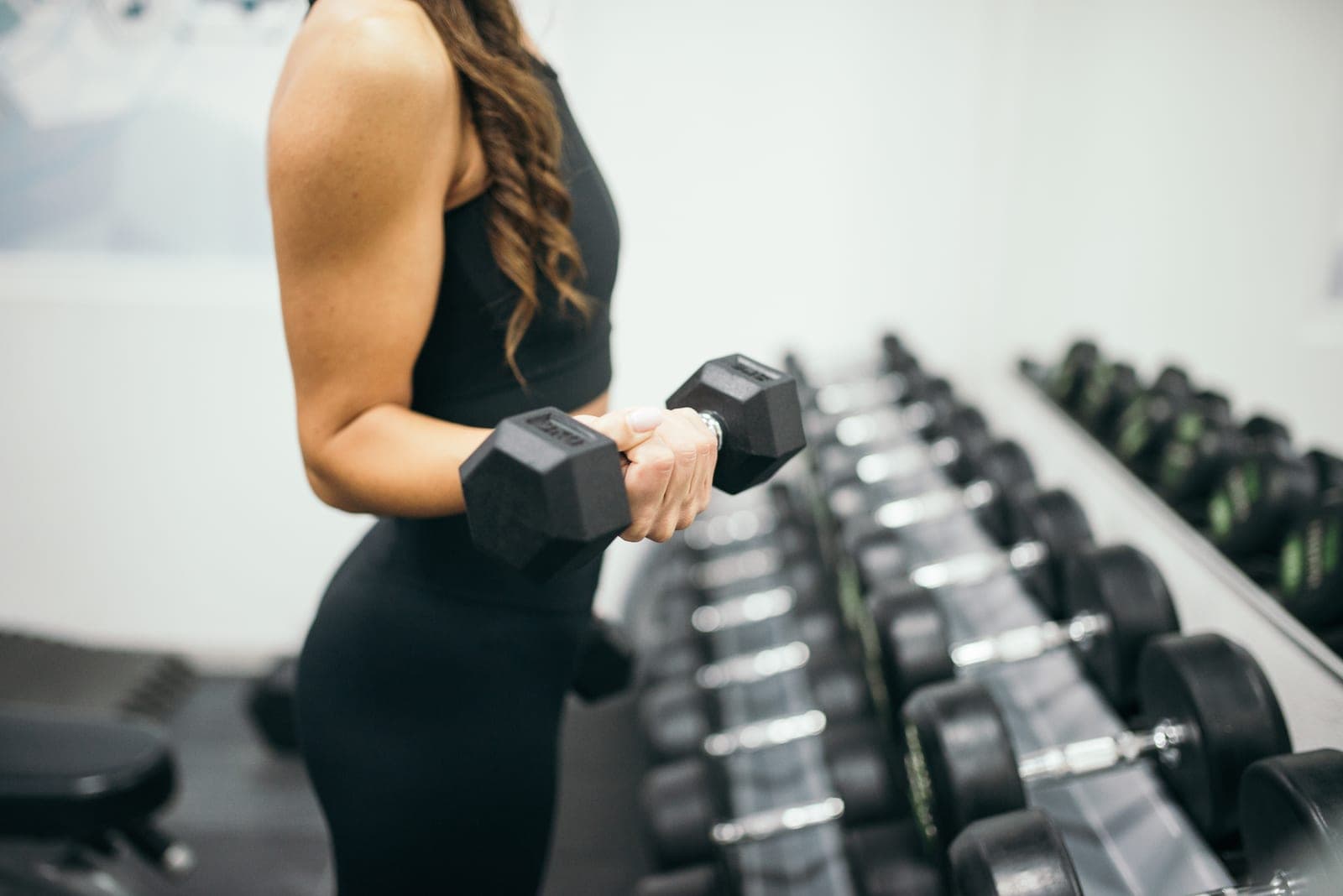
Strength and general fitness training — the foundation that supports every other sport.

Running
The most accessible endurance sport — no venue, just shoes and the open road or trail.

Cycling
A low-impact endurance sport that doubles as transport, exercise and adventure.
Swimming
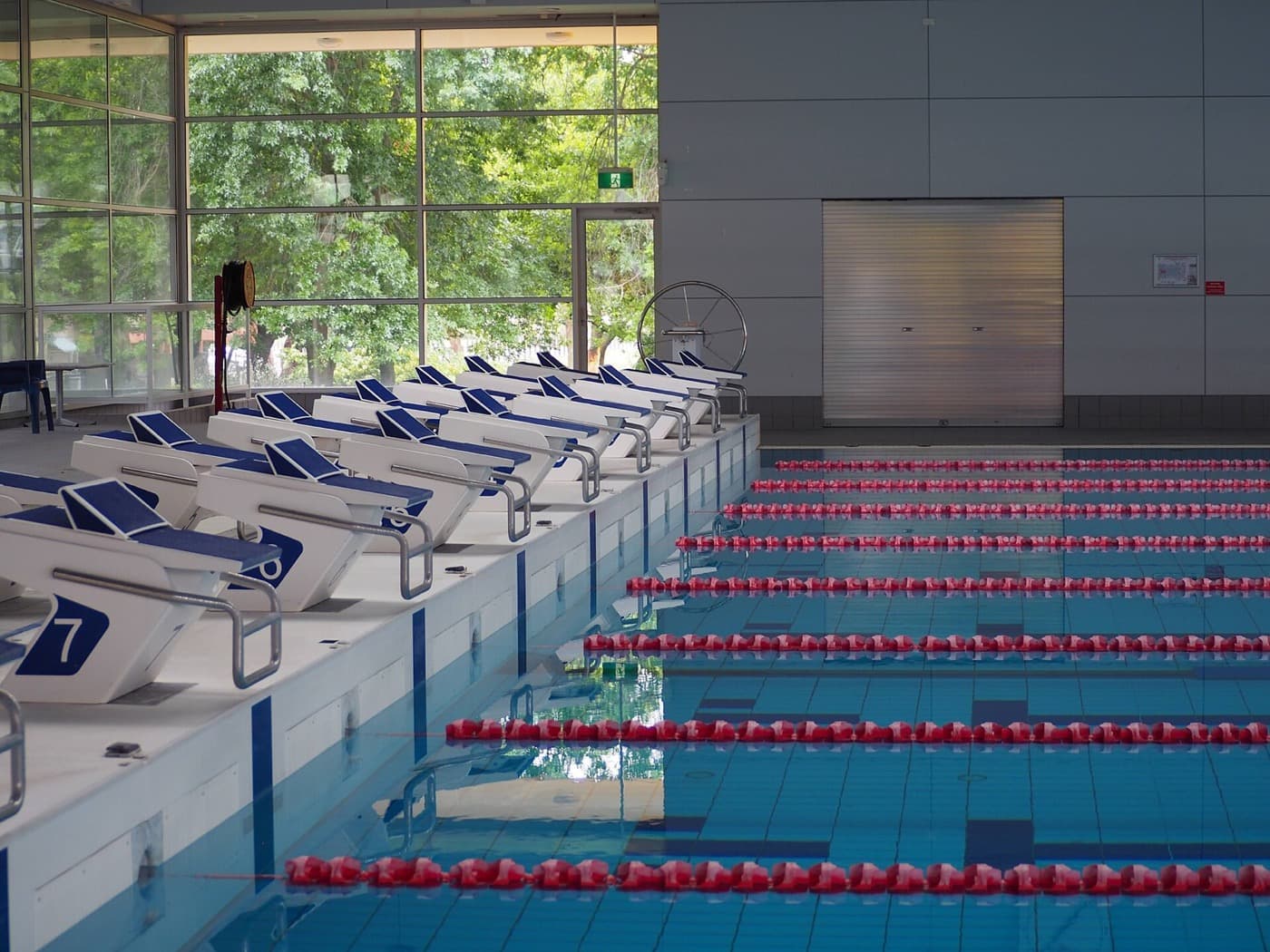
A full-body, low-impact endurance sport suitable for almost every age and ability.
Goals it supports
Build healthy habits
Using sport and routine to make regular activity a lasting part of everyday life.
Build an active lifestyle
Make movement a natural, lasting part of daily life through activities and habits you genuinely enjoy.
Improve fitness
Build well-rounded fitness — stamina, strength and more — through regular, varied activity you can keep up.
Healthy aging
Stay active, steady and independent as you get older with a sustainable mix of gentle cardio, strength and balance work.
Frequently asked questions
What does a balanced meal look like?
A useful starting point for many people is some protein, some carbohydrate, plenty of vegetables or fruit, and a little healthy fat — without weighing or strict rules. Needs differ from person to person, so treat this as a general guide rather than a prescription. For advice suited to you or any health condition, speak with a qualified professional.
Explore across the knowledge base
Follow the threads that connect Balanced Meals to the rest of SocialSportHub.
Barriers
People
- Busy professionalsHow time-efficient sport can fit a packed schedule to protect fitness, energy and stress relief.
- FamiliesHow families can be active together with inclusive, all-ages sports that make movement social and fun.
- ChildrenHow sport can fit into a child’s life through play, variety and supported, age-appropriate movement.
Lifestyle
Knowledge Atlas
Go deeper with Balanced Meals
Everywhere else on the platform that covers Balanced Meals — assembled from what actually references it, so nothing here is a dead end.
Work it out
Deterministic calculators — real published formulas, no estimates dressed as data.
Question it
Research topics that name this entity among their connections.
How this page is maintained
- Content type
- Healthy living topic
- Provenance
- Tier A — evergreen educational
- Verified external sources
- 0
- Content updated
- 2026-07-09
Evergreen, first-party explanation — it makes no claim that needs an external source. How we handle sources and reviews.