
Meal Timing
How the rhythm of when you eat can fit around your day and your activity — without rigid rules or clock-watching.
Overview
Meal timing is simply the pattern of when you eat across a day — meals, any snacks, and how they sit around sleep and activity. For most people the details matter far less than the overall picture of eating enough, varied food across the day. There is no single "right" schedule; what works depends on your routine, appetite and preferences.
Around exercise, many people find it helps to not train completely empty or uncomfortably full, and to eat something reasonably soon afterwards — but the specifics vary a lot from person to person. Rather than chasing perfect timing, a steady, workable rhythm you can keep is usually more useful. This page is general education; for timing tailored to you, your training or any health condition, speak with a qualified professional.
What helps
- When you eat matters far less than eating enough, varied food overall.
- There is no single "right" schedule — routine and appetite differ for everyone.
- Many people prefer not to train completely empty or uncomfortably full.
- A steady rhythm you can actually keep beats chasing perfect timing.
A note on this guidance
How to start
- 1Notice your current pattern before changing anything.
- 2Find a meal rhythm that fits your day and that you can repeat.
- 3Experiment gently with a light bite before or after activity if it helps.
- 4For timing around training or any health condition, ask a qualified professional.
Sports that fit
Ways to put this into practice — each with a clear, beginner-friendly guide.
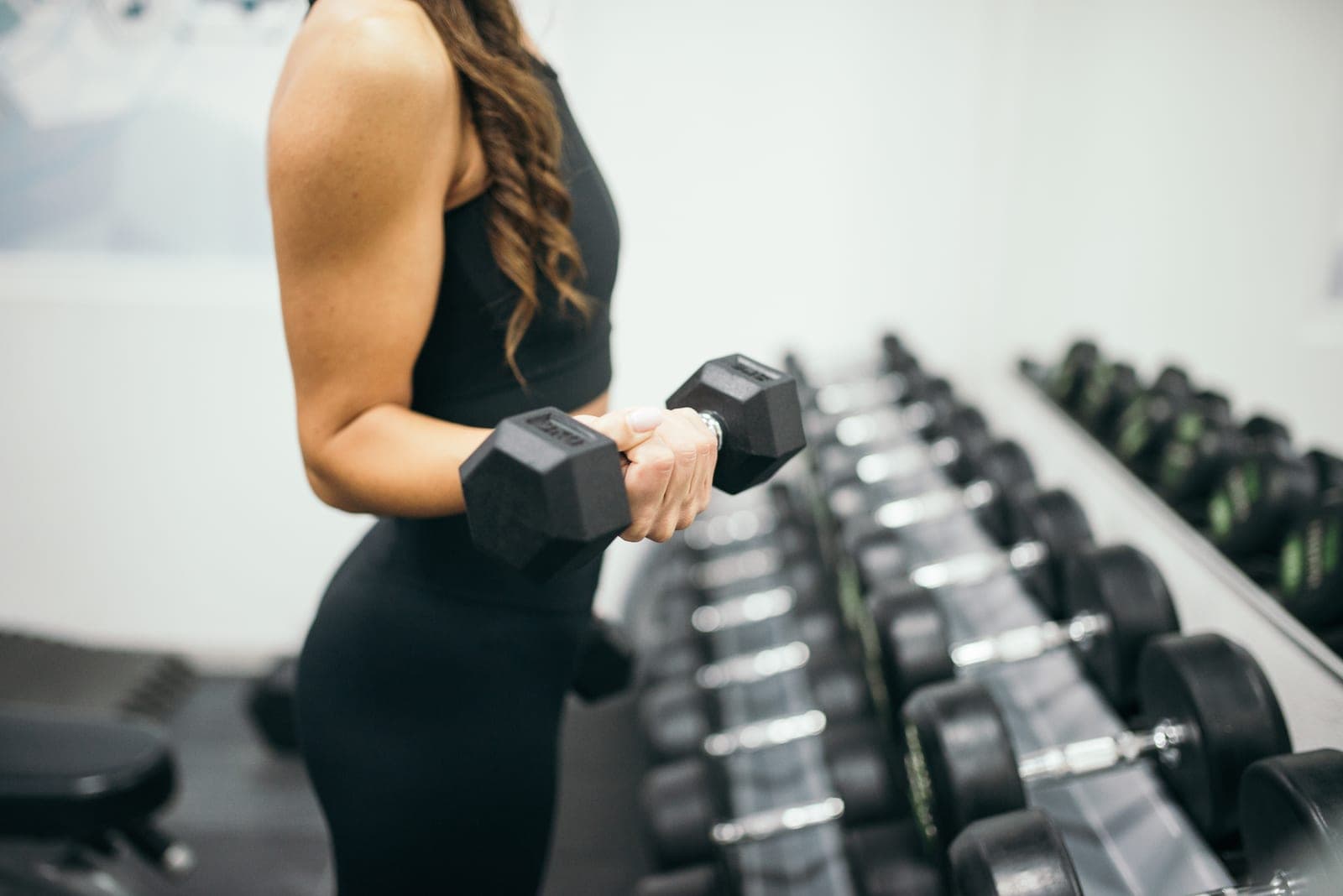
Fitness
Strength and general fitness training — the foundation that supports every other sport.

Running
The most accessible endurance sport — no venue, just shoes and the open road or trail.
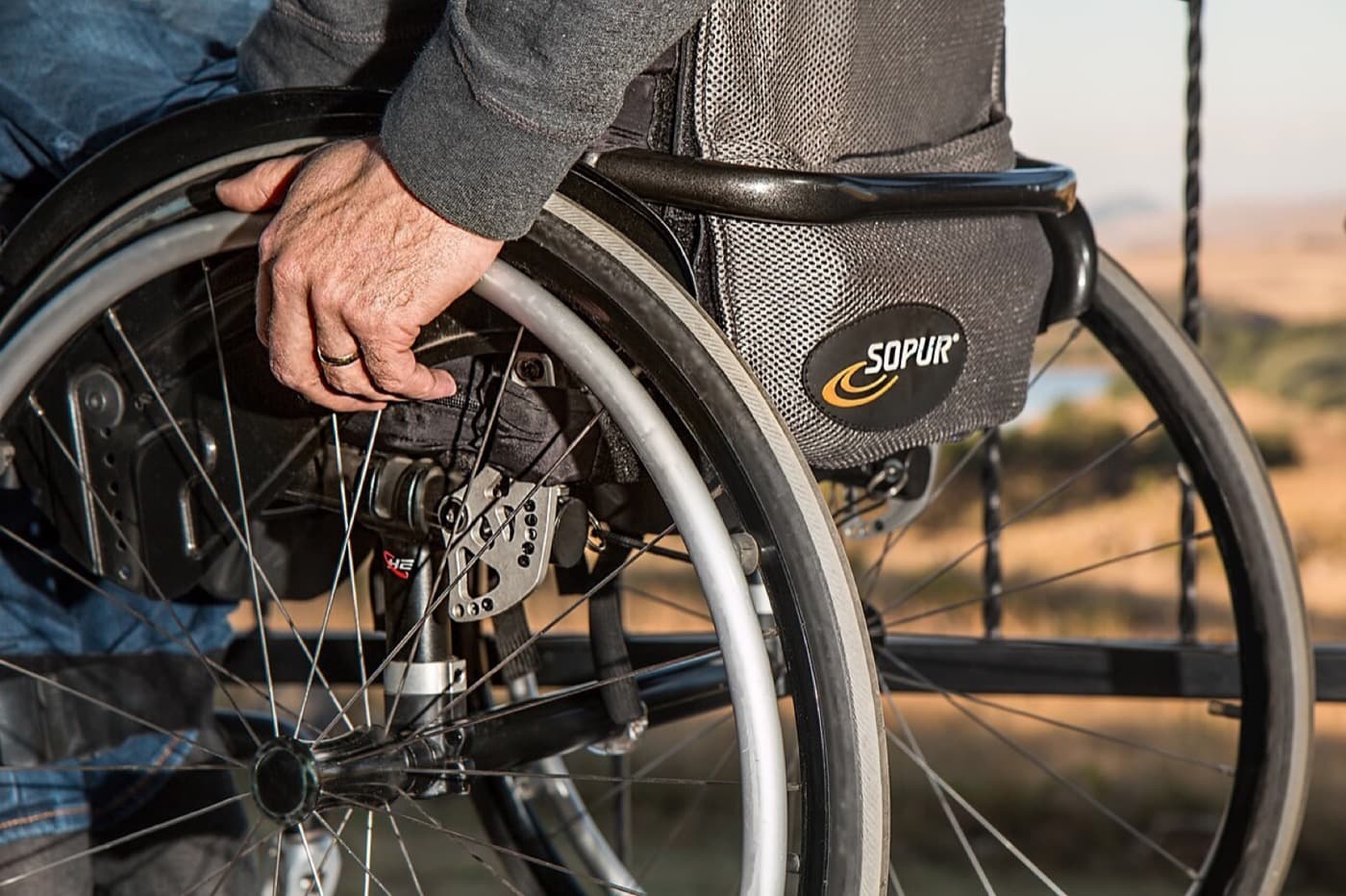
Cycling
A low-impact endurance sport that doubles as transport, exercise and adventure.
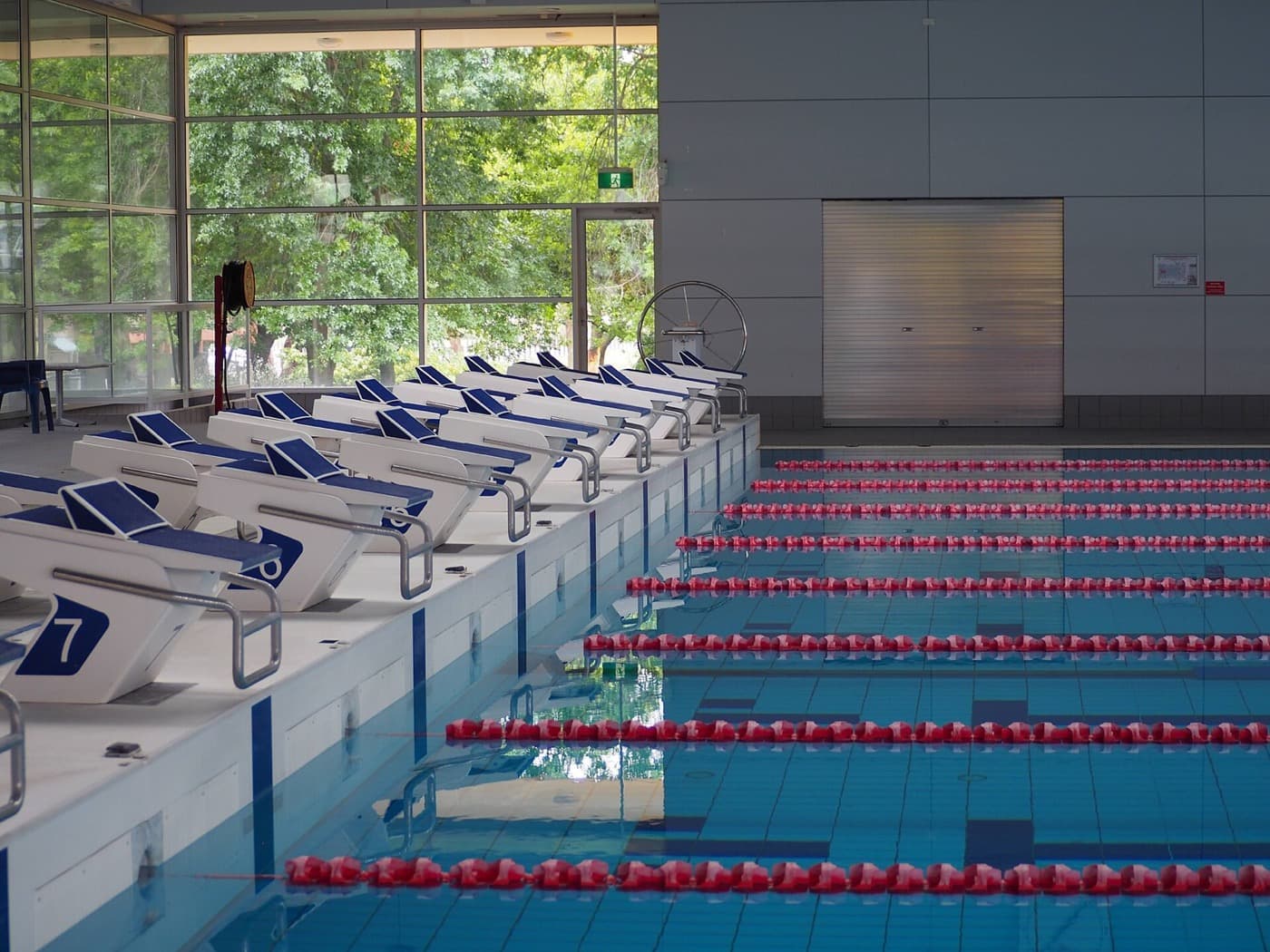
Swimming
A full-body, low-impact endurance sport suitable for almost every age and ability.
Goals it supports
Build healthy habits
Using sport and routine to make regular activity a lasting part of everyday life.
Build an active lifestyle
Make movement a natural, lasting part of daily life through activities and habits you genuinely enjoy.
Improve fitness
Build well-rounded fitness — stamina, strength and more — through regular, varied activity you can keep up.
Frequently asked questions
Is it bad to eat late or skip breakfast?
For many people the overall pattern of eating enough, varied food matters more than the exact timing, and there is no single rule that fits everyone. What suits you depends on your routine, appetite and how you feel. If you have a health condition or specific concerns, it is best to speak with a qualified professional.
Explore across the knowledge base
Follow the threads that connect Meal Timing to the rest of SocialSportHub.
Barriers
- An unpredictable scheduleWhen no two weeks look the same, sport needs to be flexible and portable rather than tied to a fixed class time.
- No timeWhen your days are full, sport has to fit into small windows rather than replace them — short, flexible activity that adds up.
- Sitting all dayWhen work keeps you at a desk, the priority is breaking up long sitting and adding movement around the working day.
- Always travellingWhen you are often away from home, sport has to travel with you — bodyweight options, hotel-room routines and activity that needs no local club.
- Worried about costWhen money is tight, free and low-cost activity — walking, running, bodyweight training — proves that sport does not have to be expensive.
People
- Shift workersHow sport can fit irregular hours and changing sleep — portable, flexible activity that adapts to a rota rather than a fixed timetable.
- Busy professionalsHow time-efficient sport can fit a packed schedule to protect fitness, energy and stress relief.
- ParentsHow busy parents can fit sport around family life with flexible, home-friendly and time-efficient options.
- CouplesHow sport can fit two people doing it together — shared activity that doubles as time together, mutual motivation and a common goal.
- RetireesHow sport can fit newly free time in retirement — an opportunity to be active, social and purposeful, at a comfortable and well-guided pace.
Lifestyle
- MorningFitting activity into your morning, from an early run to a gentle stretch, to start the day moving.
- In summerWarm-weather sport — water activities, early-morning sessions and outdoor games that make the most of long days.
- No equipmentActivities and workouts you can do with little or no gear, using mostly your own body.
- At the officeWays to stay active around a desk job — walking, mobility breaks and stretching that fit into a working day.
- 15 minutesShort, focused bursts of movement you can fit into a spare 15 minutes, with no long session required.
Knowledge Atlas
How this page is maintained
- Content type
- Healthy living topic
- Provenance
- Tier A — evergreen educational
- Verified external sources
- 0
- Content updated
- 2026-07-09
Evergreen, first-party explanation — it makes no claim that needs an external source. How we handle sources and reviews.