
Netball
Passing, positions and non-contact teamwork
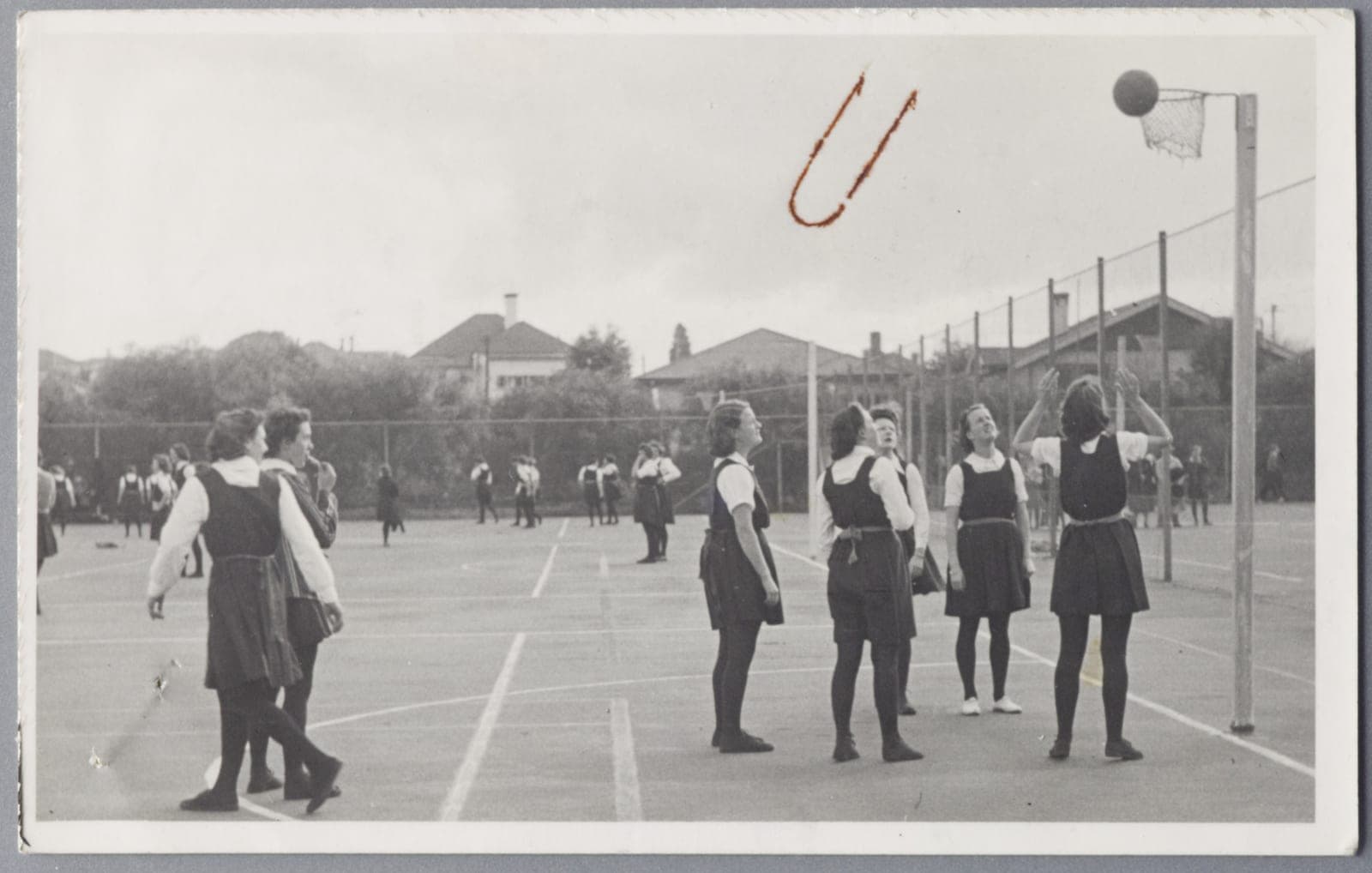

Overview
Netball is a non-contact team sport played on a court, in which players pass a ball between set positions to work it into a scoring area and shoot at a high ring. Players cannot run with the ball, so quick passing and clever movement are everything.
Its non-contact, position-based format makes it welcoming and highly social, while its emphasis on teamwork and footwork gives a genuine workout without collisions. It is popular in schools, clubs and social leagues.
Why netball is good for your health
- Quick sprints and stops build cardiovascular fitness
- Improves agility, balance and footwork
- Develops coordination, passing accuracy and reactions
- Non-contact format lowers collision risk
The social side
- A team sport built on communication and trust
- Social and back-to-netball leagues welcome all levels
- Clubs and community courts make it easy to join a team
How to start as a beginner
- 1Learn the footwork rule and how to pass and pivot
- 2Practise chest and shoulder passes with a partner
- 3Get familiar with the different court positions
- 4Join a beginners’ or social league to learn the game in play
Equipment you’ll need
- Court shoesEssentialSupportive soles for quick stops and pivots
- Comfortable sportswearEssential
- A netballOptionalProvided at organised games
- A bib to mark positionsOptional
Where to play
Netball is typically played at:
Explore clubs and venues to understand the different places you can play, or see how to find people to play with.
Playing Netball
The equipment, rules, skills and more that make up the game — each cross-linked into the encyclopedia.
Related sports to explore
If you enjoy Netball, you might also like these.
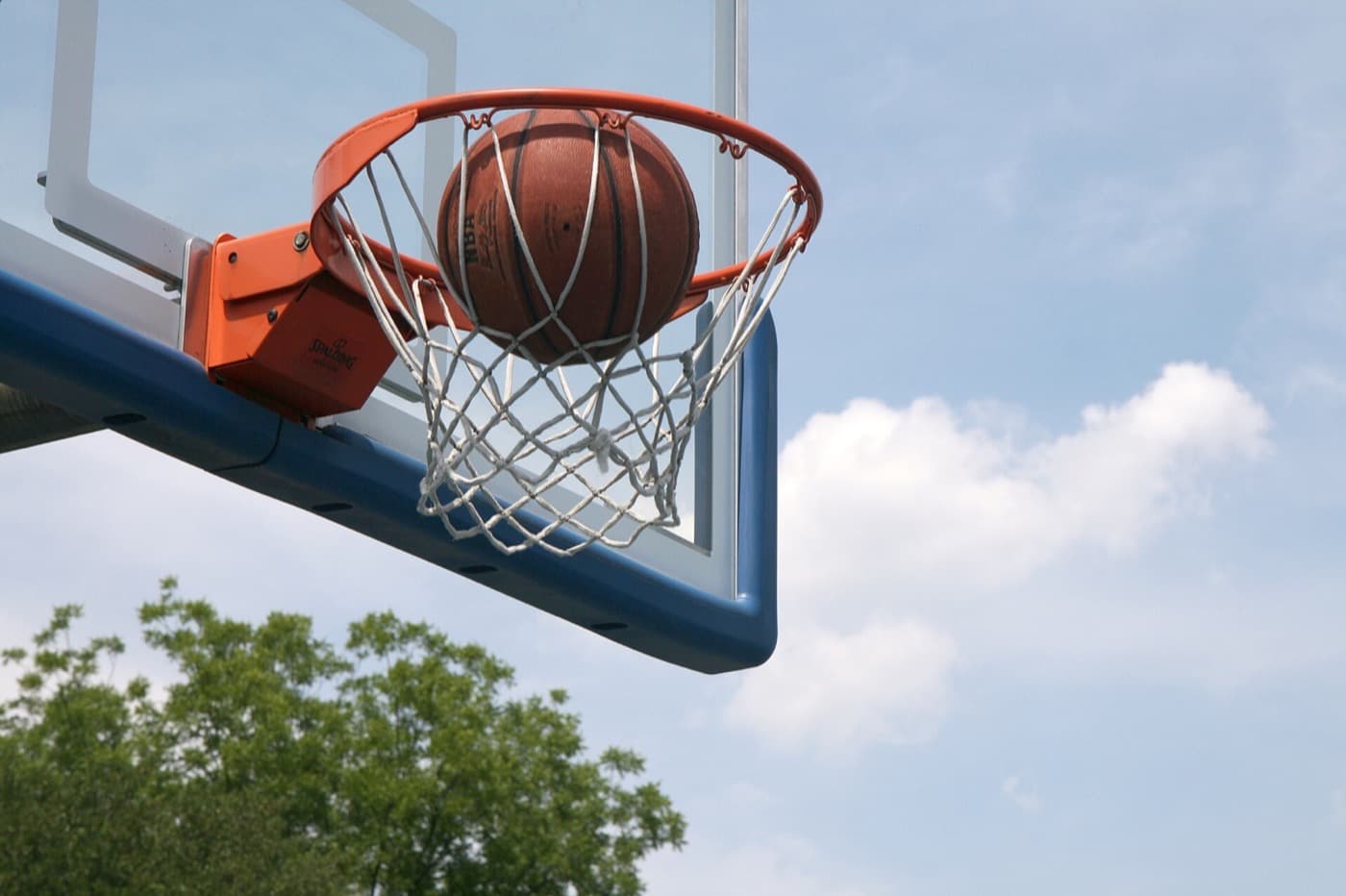
Basketball
A fast, dynamic team sport of running, jumping and quick decisions on court.
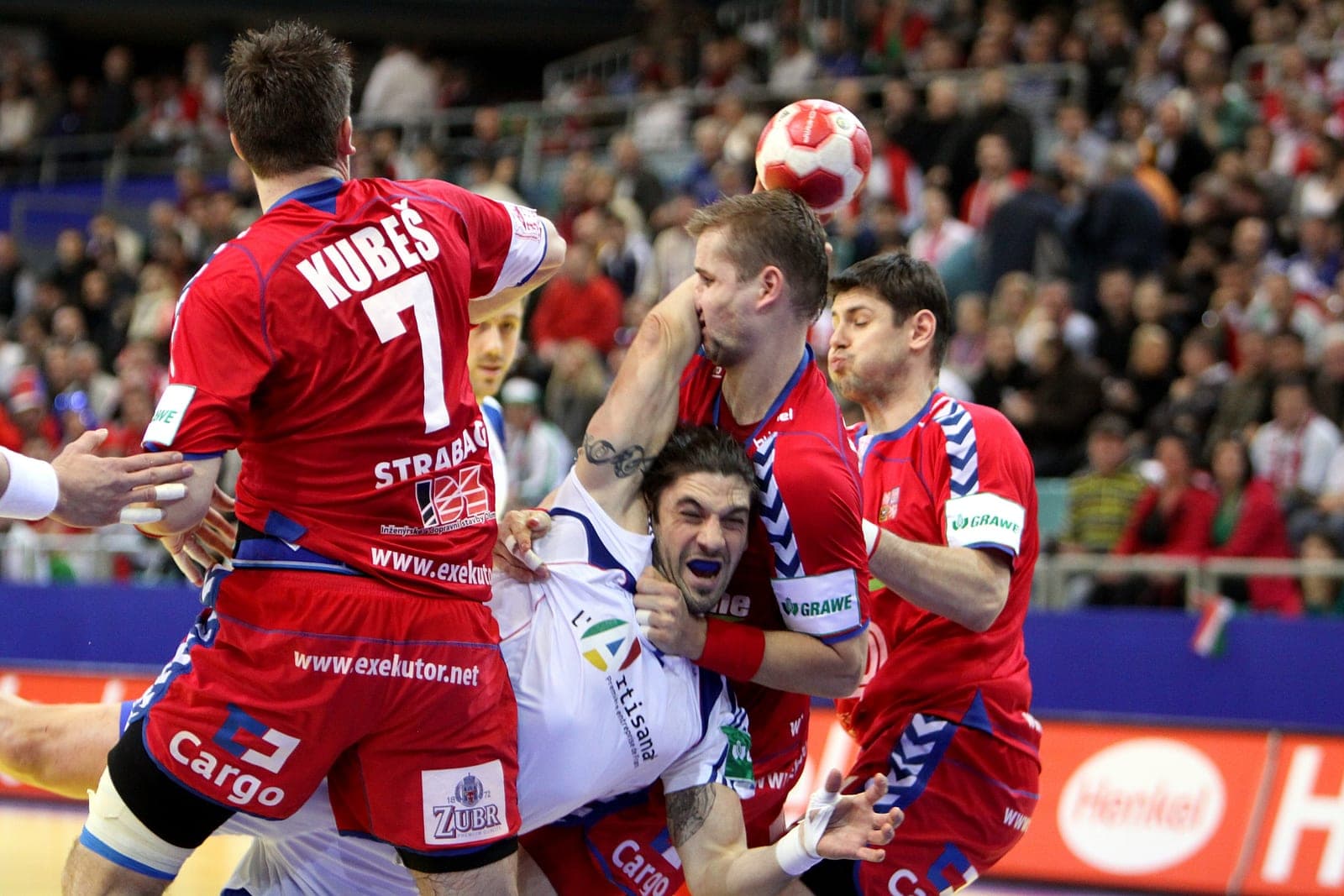
Handball
A fast indoor team sport of passing, jumping and throwing to score with the hands.
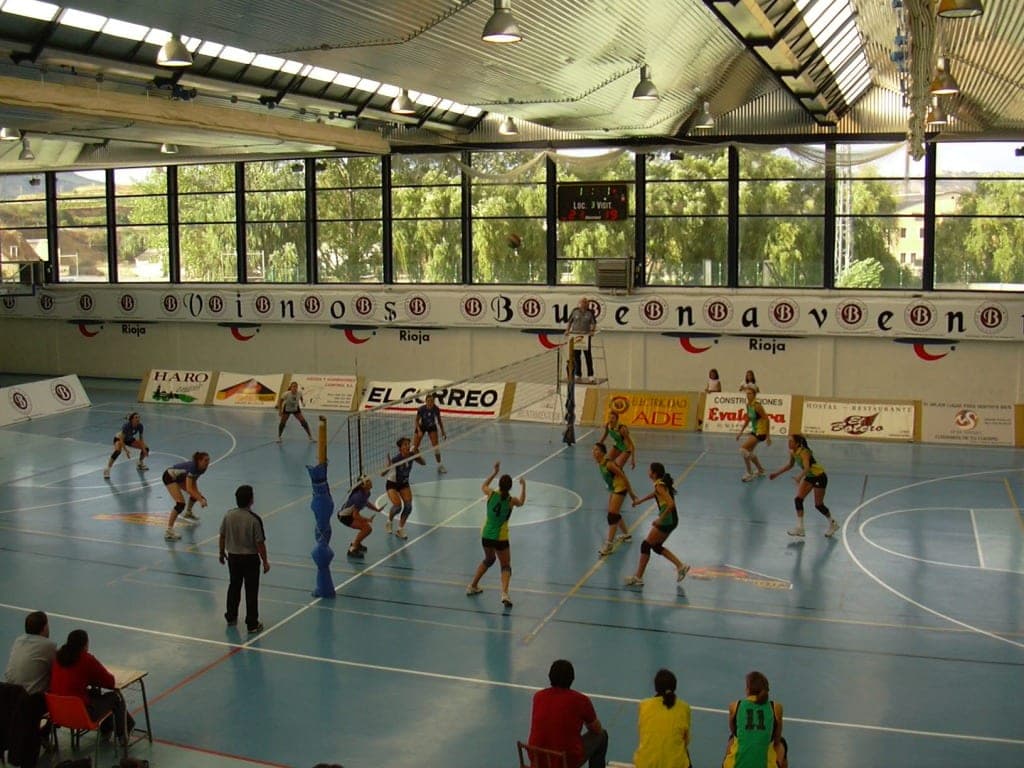
Volleyball
A non-contact team sport of rallies, jumps and teamwork — indoors or on the beach.
Compare Netball with…
Deciding between Netball and something similar? See how they line up side by side.
Basketball vs Netball
How they compare on difficulty, intensity, kit and what suits you.
Futsal vs Netball
How they compare on difficulty, intensity, kit and what suits you.
Handball vs Netball
How they compare on difficulty, intensity, kit and what suits you.
Netball vs Volleyball
How they compare on difficulty, intensity, kit and what suits you.
Reach your goals with Netball
People take up Netball for all kinds of reasons. Here is what it can help you work towards.
Improve agility
Change direction quickly and under control — the quality behind stopping, turning and accelerating again without losing balance.
Sports for women
Inclusive sports and activities that suit women at any age or fitness level.
Teamwork
Develop cooperation, communication and trust by playing sports that rely on working together.
How it connects
The meaning-bearing relationships that place Netball in the wider knowledge graph — each one with the reason it exists.
Alternative to
Comparable enough that people choose between them.
- BasketballNetball and Basketball are close enough that the platform maintains a side-by-side comparison of them.
- FutsalNetball and Futsal are close enough that the platform maintains a side-by-side comparison of them.
- HandballNetball and Handball are close enough that the platform maintains a side-by-side comparison of them.
- VolleyballNetball and Volleyball are close enough that the platform maintains a side-by-side comparison of them.
Explore across the knowledge base
Follow the threads that connect Netball to the rest of SocialSportHub.
Learning paths
Glossary
- Fast breakAn attacking play in basketball where a team pushes the ball up the court quickly to score before the defence is set.
- Man-to-man markingA defensive approach where each defender is assigned to guard one specific opponent throughout play.
- PivotRotating the body around one stationary foot to change facing or protect the ball without travelling.
- SpacingThe deliberate positioning of attackers far enough apart to stretch the defence and open up passing and driving lanes.
- Zone defenceA defensive system in which each player guards a specific area of the court or field rather than a specific opponent.
Recommendations
- Recommended for “Improve agility”Sports, qualities, a learning path and first steps for “Improve agility” — every suggestion a real graph link, shown with its reason.
- Recommended for “Sports for women”Sports, qualities, a learning path and first steps for “Sports for women” — every suggestion a real graph link, shown with its reason.
- Recommended for “Teamwork”Sports, qualities, a learning path and first steps for “Teamwork” — every suggestion a real graph link, shown with its reason.
Movement patterns
- JumpThe plyometric pattern of projecting the body off the ground through explosive triple extension and controlling the landing — the core expression of lower-body power.
- AccelerationThe athletic pattern of building speed from a standing or slow start by driving large horizontal forces into the ground to project the body forward.
- BackpedalControlled backward locomotion performed while facing forward, staying low and pushing off the balls of the feet in short strides to stay reactive and keep play in view.
- CatchReceiving a moving object and securing it under control, absorbing its momentum by yielding along its path so kinetic energy is dissipated rather than rebounded away.
- Change of DirectionA planned redirection of the body from one movement vector to another, requiring an athlete to decelerate existing momentum and reaccelerate along a new line between two known points.
Coaching concepts
- Decision-Making PracticeTraining athletes to read cues and choose the right action under pressure — coupling perception to action, not just rehearsing physical technique in isolation.
- Constraints-Led PracticeA coaching approach that adjusts the task, environment or rules so a desired movement or decision emerges in practice, rather than being explicitly instructed.
- Small-Sided GamesPractising in scaled-down versions of a sport — fewer players, smaller area — so skills and decisions happen more often in a game-like setting.
- Transfer of TrainingWhether practice carries over to real performance — and why game-like, varied practice tends to transfer better than isolated, repetitive drills.
Beginner guides
- How to Join a Beginner Group or ClassA warm, practical walk-through of joining a beginner sports group or class — what they are like, how to find one, and what a first session tends to feel like.
- Your First Informal Game or KickaboutA relaxed kickabout, hit or pick-up game is a genuine way into a sport — you learn by playing, the courtesies are simple, and nobody expects you to be good yet.
Go deeper with Netball
Everywhere else on the platform that covers Netball — assembled from what actually references it, so nothing here is a dead end.
Learn it
Structured courses and paths on the platform that cover this directly.
See it
Diagrams and step-through visualisations drawn for this subject.
Compare it
Head-to-head studies against the entities people actually weigh it against.
Kit it out
Equipment guidance drawn from the graph, with no brands and no affiliate links.
Take it away
Open data and the whole-platform view of this subject.
How this page is maintained
- Content type
- Sport
- Provenance
- Tier A — evergreen educational
- Verified external sources
- 0
- Content updated
- 2026-07-06
Evergreen, first-party explanation — it makes no claim that needs an external source. How we handle sources and reviews.
Keep going
A sport is most rewarding alongside good habits, sensible nutrition and people to share it with. Here is where to go next.
How movement supports body and mind.
Eat well to feel and perform better.
Build routines that stick.
Ways to meet others and play together.
Where to play and what to expect.
Browse the full list by category.