
Tapering
Tapering is the practice of reducing training in the period before a big event so you arrive feeling fresh.
Definition
Tapering means easing back on how much training you do in the days or weeks leading up to an important race or competition. The overall workload is dialled down while the event itself stays in focus, with the aim of shedding accumulated fatigue and turning up rested rather than worn out.
It is a familiar idea in endurance sports such as running, swimming, cycling and triathlon, where athletes build up their training and then taper before a target event. How long and how gradual the taper is varies from person to person and event to event.
Where you’ll hear “tapering”
Sports that use this term:

Running
The most accessible endurance sport — no venue, just shoes and the open road or trail.

Swimming
A full-body, low-impact endurance sport suitable for almost every age and ability.

Triathlon
A multi-sport endurance event that links swimming, cycling and running into one continuous race.
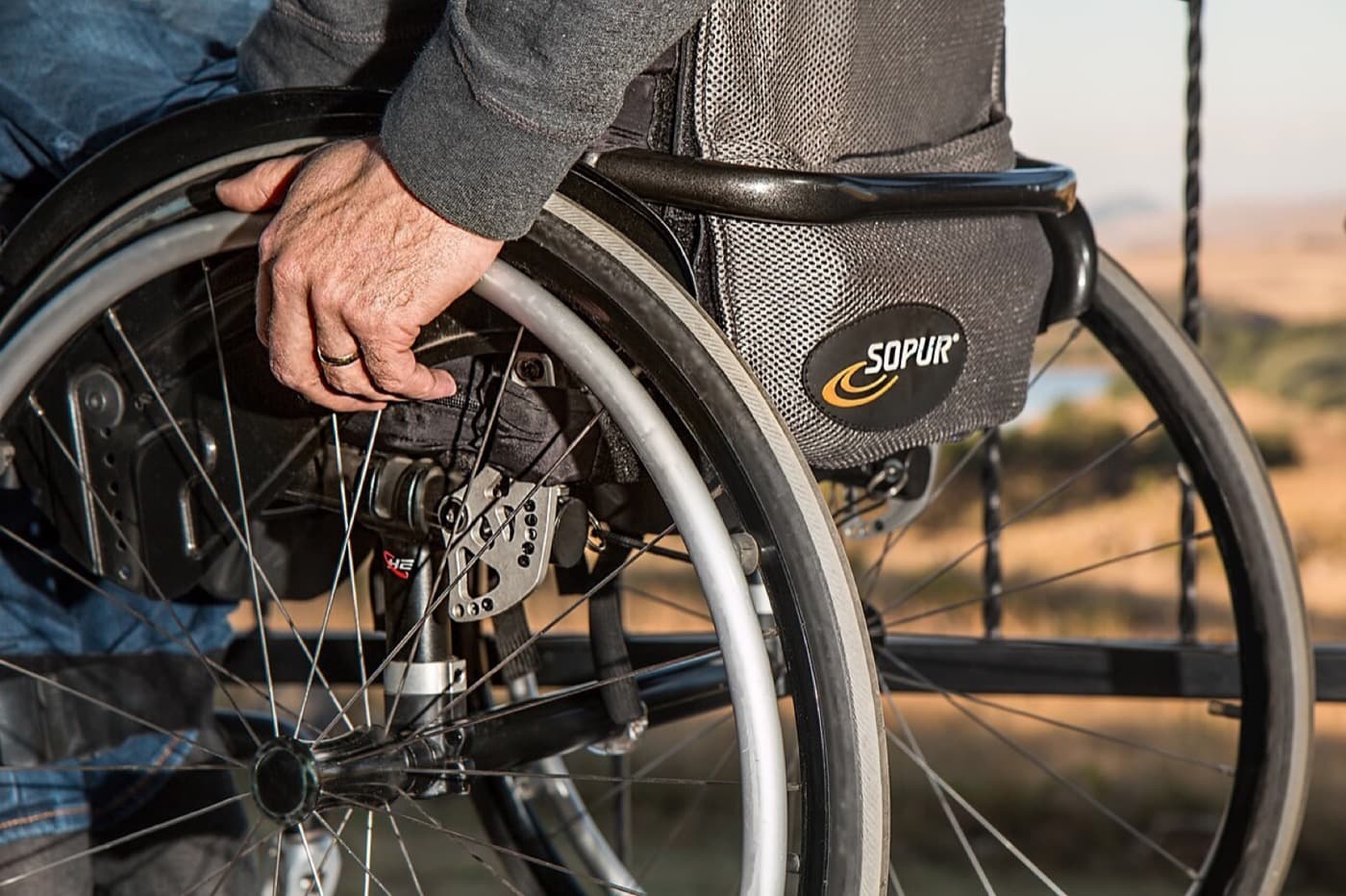
Cycling
A low-impact endurance sport that doubles as transport, exercise and adventure.
How it connects
The meaning-bearing relationships that place Tapering in the wider knowledge graph — each one with the reason it exists.
Commonly confused with
Close enough to be mixed up — the distinction is worth knowing.
Explore across the knowledge base
Follow the threads that connect Tapering to the rest of SocialSportHub.
Strategies
- Pacing and Energy ManagementPacing and energy management is the overarching plan for distributing a limited supply of physical effort across an event so you avoid fading early and finish strong.
- Tapering and PeakingTapering and peaking is the strategy of easing training load before a key event so fitness stays high while fatigue clears, timing peak form for the day itself.
Recovery
- Rest daysRest days are planned days off from training that give the body and mind time to recover between harder sessions.
- Easy daysEasy days are deliberately gentle training days that keep the effort low so harder sessions can stay hard.
- Listening to your bodyListening to your body means paying attention to everyday signs like energy, sleep and soreness to guide how much you do.
- SleepRegular, good-quality sleep is the foundation of everyday recovery for anyone who trains or plays sport.
Training guides
Go deeper with Tapering
Everywhere else on the platform that covers Tapering — assembled from what actually references it, so nothing here is a dead end.
Take it away
Open data and the whole-platform view of this subject.
How this page is maintained
- Content type
- Term
- Provenance
- Tier A — evergreen educational
- Verified external sources
- 0
- Content updated
- 2026-09-01
Evergreen, first-party explanation — it makes no claim that needs an external source. How we handle sources and reviews.