
Set-Piece Strategy
The deliberate plan for turning dead-ball restarts — corners, free-kicks, throw-ins, serves — into chances to score or to defend.
Overview
A set piece (or dead-ball situation) is any moment when play restarts from a stopped, static position rather than from open, flowing play. Set-piece strategy is the overarching plan a team or player prepares in advance for these moments — deciding roles, starting positions, movement patterns, and priorities before the ball is put back into play. Because the situation is stationary and the rules briefly give one side controlled possession, both attackers and defenders can rehearse exactly what they intend to do. That predictability is why restarts are among the most coached and pre-planned parts of many sports.
Across goal-scoring invasion sports the strategy shows up as corners, free-kicks, throw-ins, penalties, lineouts, face-offs, and penalty corners; in net and racket sports the serve is the equivalent controlled restart. Set-piece strategy is broader than any single routine: it covers whether to be direct or patient, how to balance attacking numbers against defensive cover, whether to defend by guarding spaces or by marking opponents individually, and how to disguise intentions. The individual rehearsed routines are the tactics that carry the strategy out. Sound planning also weighs risk, since committing players forward for an attacking restart can leave a side exposed to a quick counter if possession is lost.
Key ideas
- Attacking set pieces aim to manufacture a high-quality chance from a controlled, stationary start, using rehearsed runs, screens or blocks, and delivery to a target area — an opportunity that exists because defenders cannot press the ball at the instant of the restart.
- Defending set pieces relies on an agreed system: zonal marking, where players guard spaces; man-to-man marking, where each defender tracks a specific opponent; or a hybrid of both — combined with a plan for clearing the ball and protecting against a counter-attack.
- In net and racket sports the serve is a set-piece moment of full control: the server chooses placement, pace, and spin to dictate the point, while the receiving side prepares its return or its serve-receive shape in advance.
- Set-piece strategy sits above individual tactics — it sets the priorities such as direct versus patient, how many players to commit, and how much risk to accept, while the specific rehearsed routines are the tactics that execute the plan.
- Because restarts are predictable and repeatable, they are heavily practised in training, where small margins in timing, positioning, and communication often decide whether the moment produces a chance or is comfortably dealt with.
Where it’s used
Sports that use set-piece strategy:
Football
The world’s most popular team sport — endless running, teamwork and community in one game.
Rugby
A physical team sport of carrying, passing and kicking an oval ball toward the opposing line.
American Football
A strategic, position-based team sport of set plays, sprinting and coordinated teamwork on a marked field.
Field Hockey
An outdoor team sport that uses curved sticks to move a ball, built on agility and teamwork.
Handball
A fast indoor team sport of passing, jumping and throwing to score with the hands.
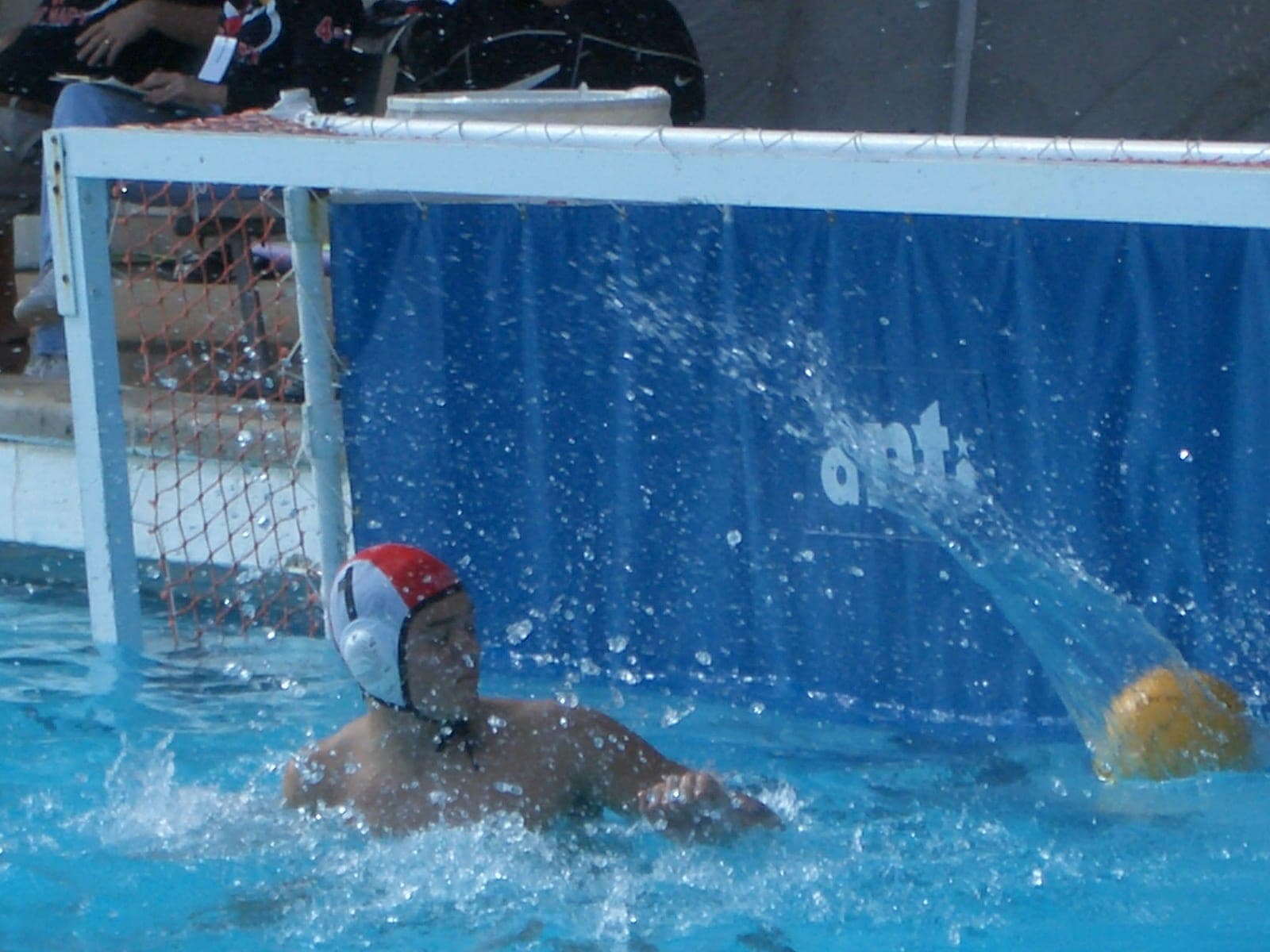
Water Polo
A demanding team sport played in deep water, blending swimming endurance with tactics.
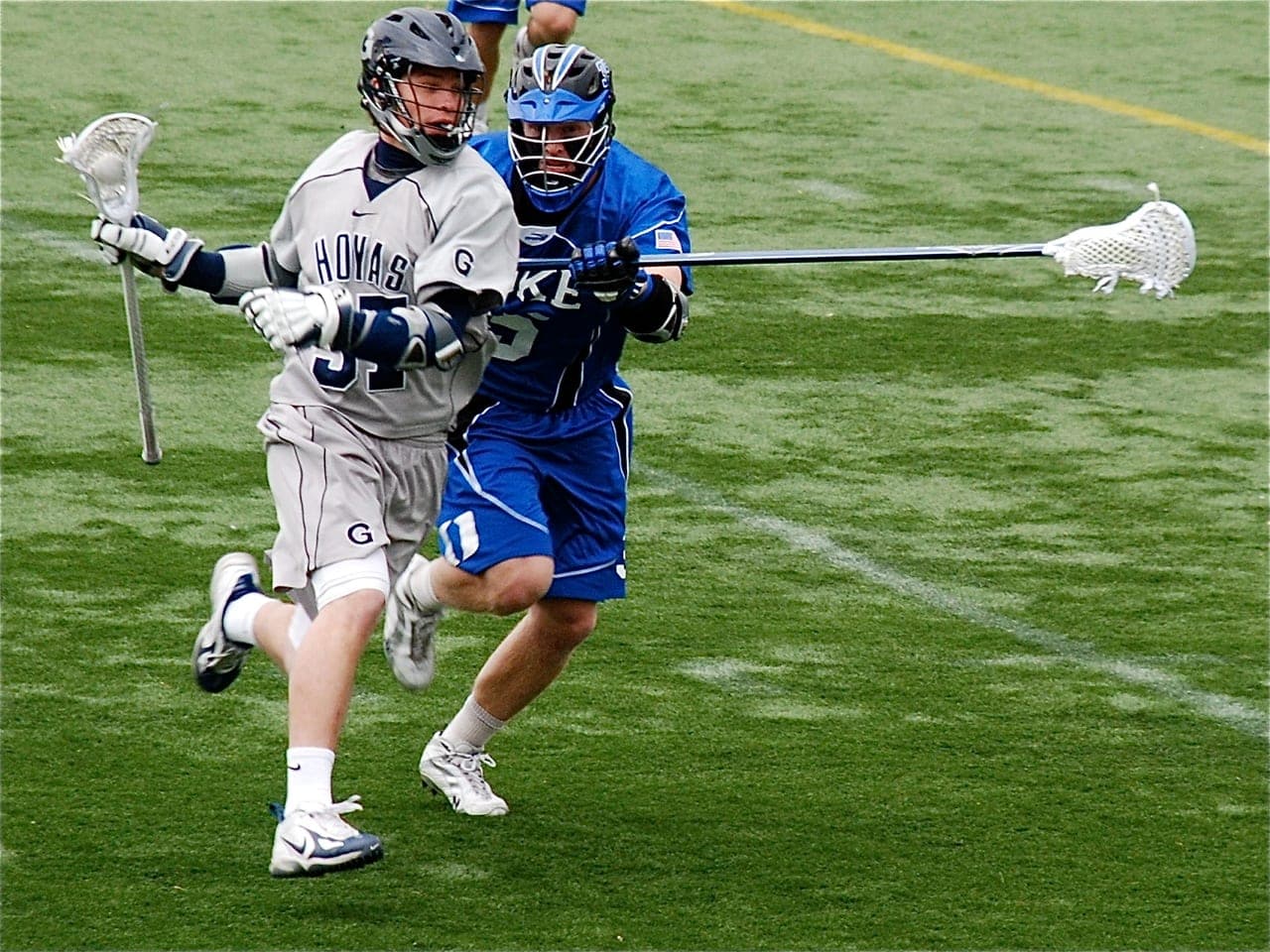
Lacrosse
A fast, stick-and-ball team sport of catching, cradling and shooting a small ball toward a goal.
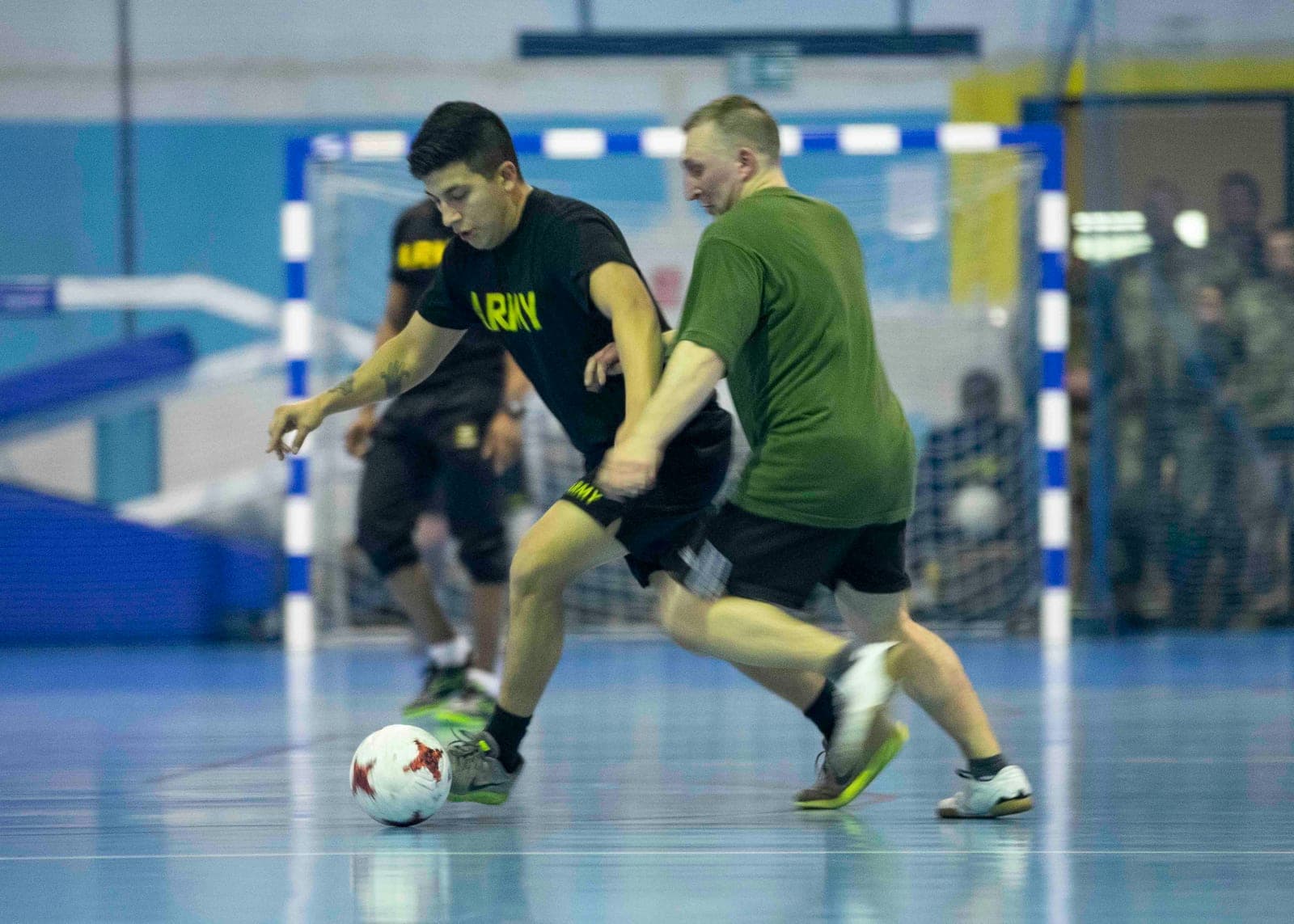
Futsal
A fast, small-sided indoor form of football played on a hard court with a low-bounce ball.
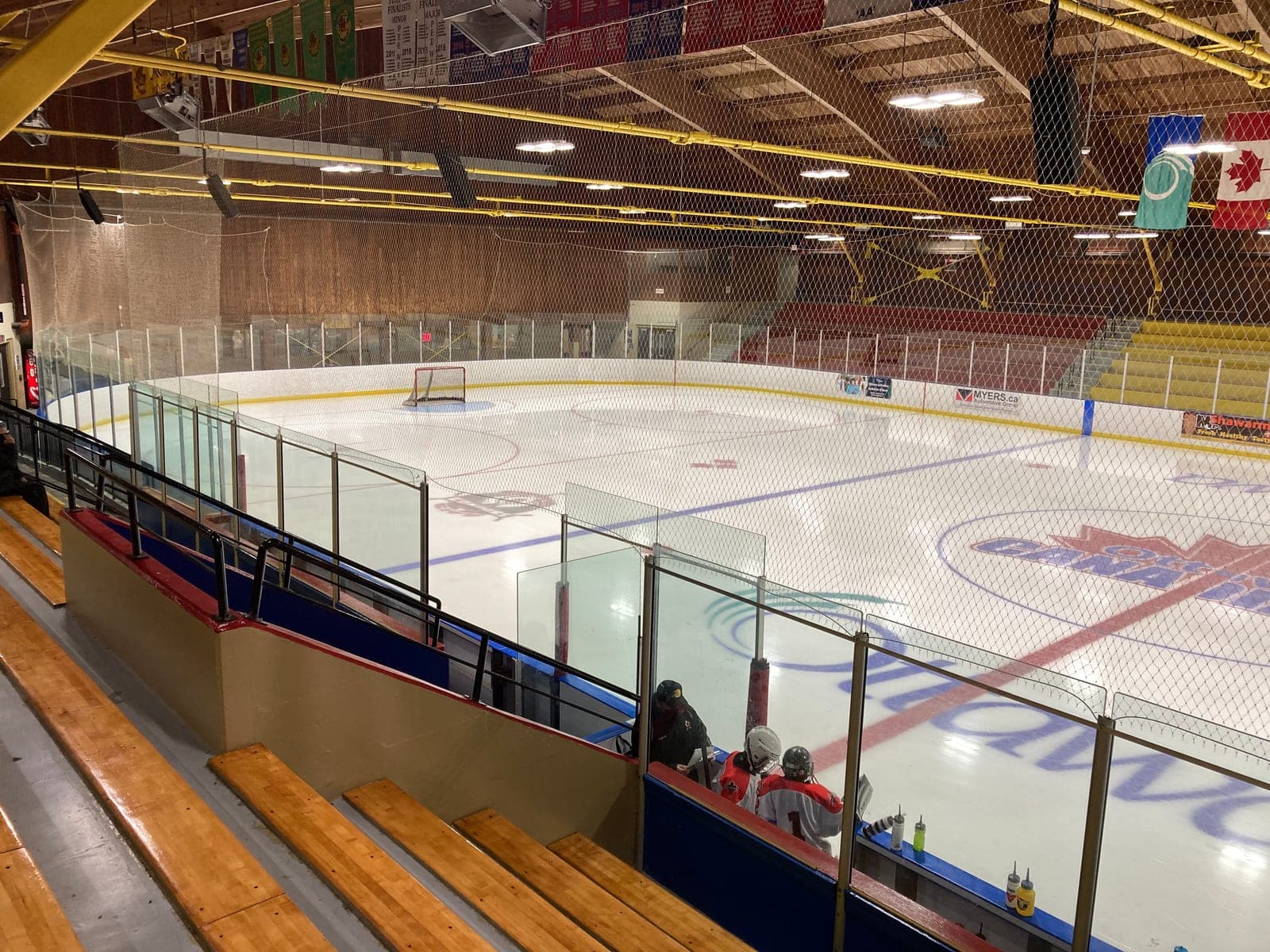
Ice Hockey
A fast team sport on ice that combines skating skill with quick passing and goal-scoring.
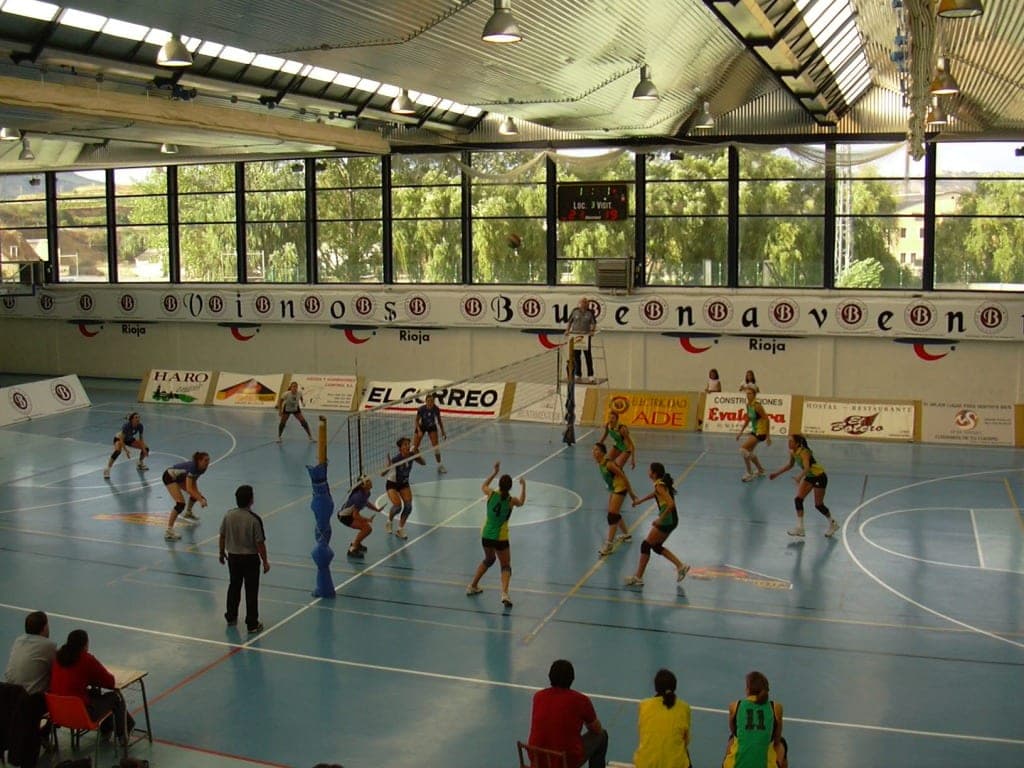
Volleyball
A non-contact team sport of rallies, jumps and teamwork — indoors or on the beach.
Related strategies
Attacking vs Defensive Balance
The overarching choice a team or athlete makes about how much to commit to creating scoring chances versus avoiding conceding, and when to shift it.
Pacing and Energy Management
Pacing and energy management is the overarching plan for distributing a limited supply of physical effort across an event so you avoid fading early and finish strong.
Controlling Tempo
Controlling tempo is the strategy of dictating the pace and rhythm of play — speeding up or slowing down — to suit your strengths and unsettle opponents.
How it connects
The meaning-bearing relationships that place Set-Piece Strategy in the wider knowledge graph — each one with the reason it exists.
Frequently learned together
Taught side by side in the same stage of a learning path.
- Zone vs Man MarkingBoth are taught in the “Understand tactics & strategy” stage of the American Football learning path.
- Specialisation vs VersatilityBoth are taught in the “Understand tactics & strategy” stage of the American Football learning path.
- Using Width and SpaceBoth are taught in the “Understand tactics & strategy” stage of the American Football learning path.
Explore across the knowledge base
Follow the threads that connect Set-Piece Strategy to the rest of SocialSportHub.
Tactics
- Set-piece playRehearsed routines from a dead-ball situation such as a corner, free kick or throw-in used to create chances.
- Zone defenceA defensive system where each player guards an area of the court rather than a specific opponent.
- Man-to-man markingA defensive tactic where each defender is assigned a specific opponent to track and contain.
- Serve-receive formationHow a volleyball team arranges its passers to receive the serve and set up a clean first attack.
- Rugby union set-piece strategyWhy the scrum and lineout are attacking platforms rather than restarts — how a set piece fixes defenders in known positions, and what a team is buying when it chooses one over a kick.
Rules
- Direct and indirect free kicksThe two types of free kick awarded in football to restart play after a foul or other stoppage.
- Throw-inThe method of restarting football when the ball fully crosses a side line, taken by throwing it back into play.
- Penalty kick awardA one-on-one kick against the goalkeeper awarded when a defending player commits a direct-free-kick foul inside their own penalty area.
Learning paths
- Learn FootballA structured, educational learning path for football — from the rules to skills, techniques, tactics and training.
- Learn VolleyballA structured, educational learning path for volleyball — from the rules to skills, techniques, tactics and training.
- Learn RugbyA structured, educational learning path for rugby — from the rules to skills, techniques, tactics and training.
- Learn FutsalA structured, educational learning path for futsal — from the rules to skills, techniques, tactics and training.
- Learn HandballA structured, educational learning path for handball — from the rules to skills, techniques, tactics and training.
Go deeper with Set-Piece Strategy
Everywhere else on the platform that covers Set-Piece Strategy — assembled from what actually references it, so nothing here is a dead end.
Learn it
Structured courses and paths on the platform that cover this directly.
How this page is maintained
- Content type
- Strategy
- Provenance
- Tier A — evergreen educational
- Verified external sources
- 0
- Content updated
- 2026-09-12
Evergreen, first-party explanation — it makes no claim that needs an external source. How we handle sources and reviews.