
Tennis scoring
Tennis is scored in points, games and sets, using the distinctive 15–30–40 point sequence and a win-by-two margin at every level.
Overview
A tennis match is built from points, which combine into games, which combine into sets. Within a game, points are counted as 15, 30 and 40 rather than 1, 2 and 3, and a score of zero is called "love". The first player to win four points while leading by at least two wins the game.
Winning enough games wins a set, and winning enough sets wins the match. This nested structure means a player can win more total points overall yet still lose the match, because what matters is winning the decisive points at the ends of games and sets.
How it works
- Points within a game are called love, 15, 30 and 40; the next point after 40 wins the game if the player is two points clear.
- If both players reach 40 the score is "deuce", and one side must then win two points in a row — an "advantage" point and then the game.
- A set is won by the first to six games with a lead of at least two games (for example 6–4).
- When a set reaches six games all, most formats play a tiebreak to decide it.
- A match is won by taking the majority of sets, typically two out of three or three out of five.
Where it’s used
Sports that use tennis scoring:
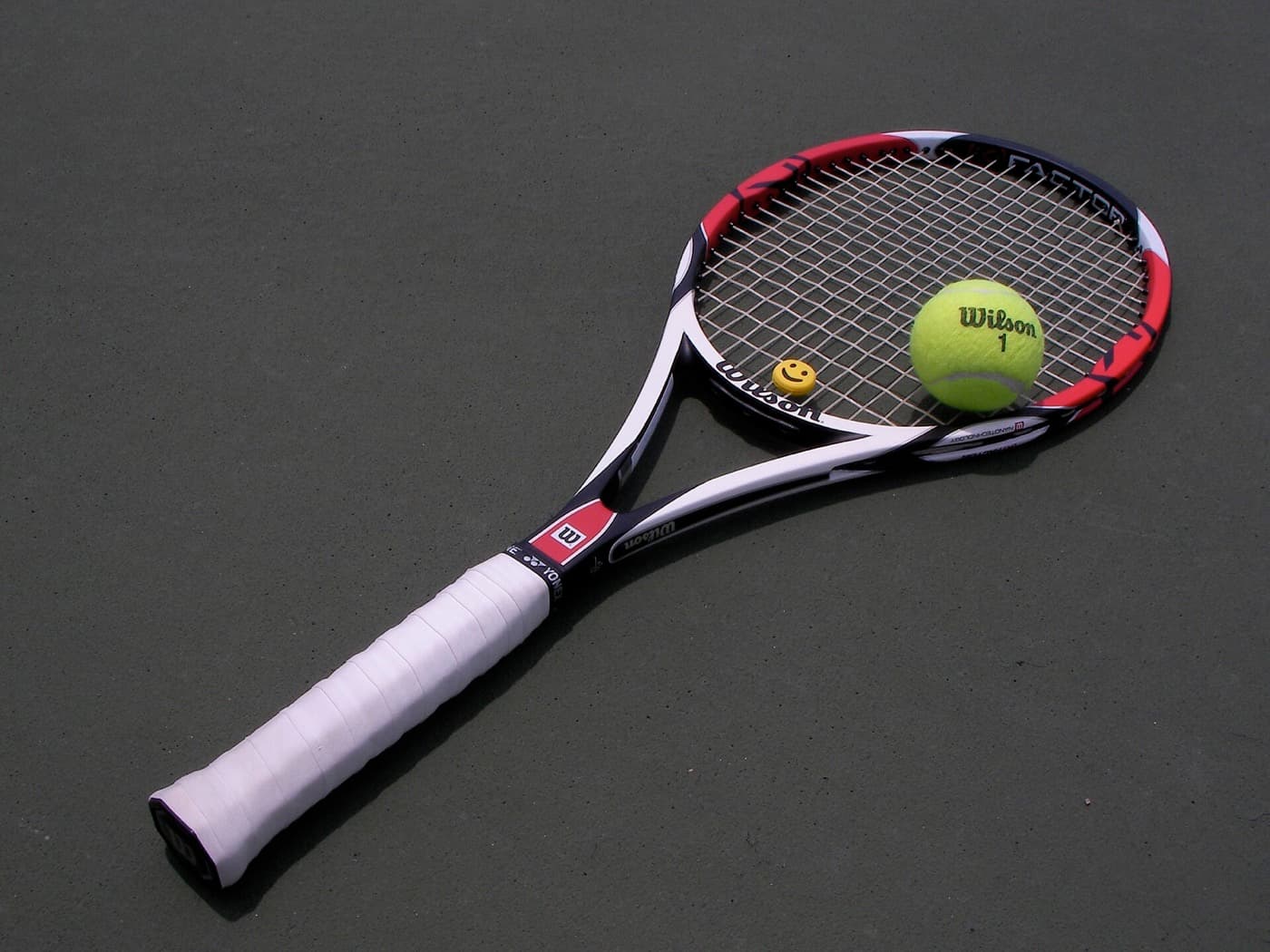
Tennis
A singles or doubles racquet sport that blends agility, strategy and stamina on court.
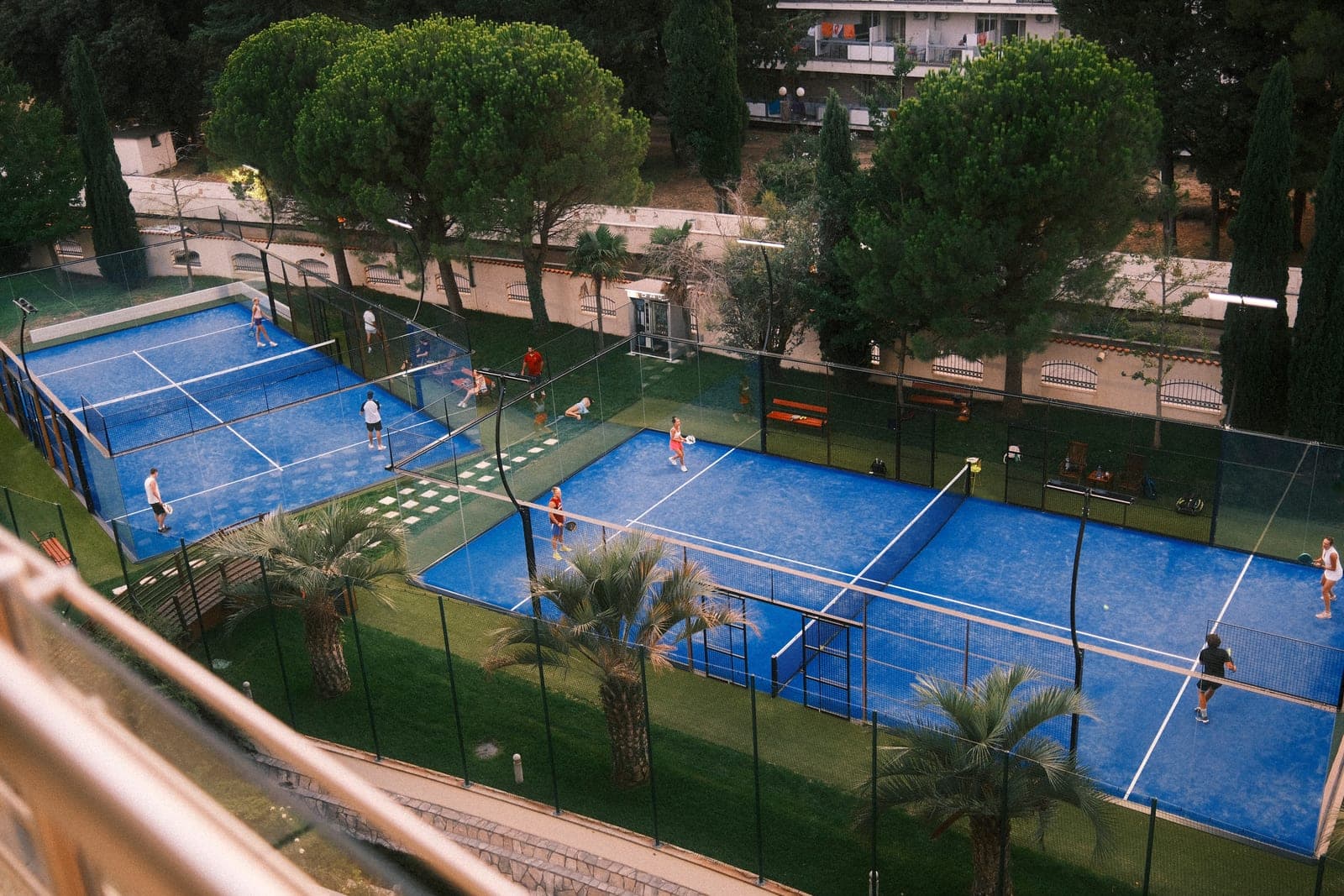
Padel
A sociable, doubles-first racquet sport played in an enclosed court where the walls stay in play.
POP Tennis
A friendly, easy-to-learn racquet sport on a smaller court with solid paddles and a lower net.
Beach Tennis
A sociable sand-court paddle sport played with solid paddles and a soft ball that is volleyed without a bounce.
Related scoring systems
Padel scoring
Padel borrows tennis scoring, counting points as 15–30–40 within games and playing sets to six games decided by a tiebreak.
Tiebreak scoring
A tiebreak is a short deciding game used in racket sports to settle a set that has reached an even number of games, scored in simple numbers to a fixed target.
Padel scoring and the tie-break
How padel matches are counted — the game and set structure, the tie-break serving order, and the alternative scoring methods the FIP rules explicitly authorise.
How it connects
The meaning-bearing relationships that place Tennis scoring in the wider knowledge graph — each one with the reason it exists.
Frequently learned together
Taught side by side in the same stage of a learning path.
- The padel serveBoth are taught in the “Get to know the game” stage of the Padel learning path.
- Ball in play and the wallsBoth are taught in the “Get to know the game” stage of the Padel learning path.
- How a point is lost in padelBoth are taught in the “Get to know the game” stage of the Padel learning path.
- Out-of-court play in padelBoth are taught in the “Get to know the game” stage of the Padel learning path.
- Padel scoringBoth are taught in the “Get to know the game” stage of the Padel learning path.
Explore across the knowledge base
Follow the threads that connect Tennis scoring to the rest of SocialSportHub.
Rules
- The padel servePadel's underarm serve, set out exactly — the bounce before the strike, the waist-height limit, where the server's feet must be, and the wire-mesh fault that has no tennis equivalent.
- Ball in play and the wallsWhat counts as part of the court in padel and how the walls change a rally — which surfaces the ball may use, the order it must use them in, and the returns the rules explicitly permit.
- How a point is lost in padelThe actions that end a padel rally — the second bounce, touching the net, direct contact with the opponent's enclosure, and the neutral-zone exception on the court doors.
- Out-of-court play in padelThe rule that lets a padel player leave the court to keep a rally alive — when it is authorised, what the court must provide for it, and why it depends on the safety area.
- Tennis serving rulesThe rules governing how a tennis point begins, including where the server stands and where the serve must land.
Officiating
- UmpireA match official who rules on lines, serves and dismissals in racket, bat-and-ball and net sports such as tennis, cricket and baseball — and, in racket sports, also keeps the running score.
- Out-of-Bounds CallAn official's ruling that the ball or a player in possession has left the legal playing area, stopping play and handing a restart or possession to the opponent.
Learning paths
Skills
Positions
- SetterThe setter is volleyball’s playmaker, taking the team’s second contact and delivering accurate sets for hitters to attack.
- Point guardThe point guard is basketball’s primary ball-handler and playmaker, running the offence and setting up teammates to score.
- StrikerA striker is the main attacking player in football, positioned furthest forward with the primary job of scoring goals.
- Shooting guardThe shooting guard is a perimeter player whose main role is to score, especially from mid-range and beyond the three-point line.
- Outside hitterThe outside hitter attacks from the left side of the net and is often a volleyball team’s main scoring option.
Tactics
- Point constructionHow tennis points are built rather than won — the neutral, attacking and defensive positions, what each one permits, and why most errors come from playing the wrong shot for the position.
- High pressA football tactic where a team hunts the ball high up the pitch to win it back close to the opponent’s goal.
- Offside trapA defensive football tactic where the back line steps up together to leave an attacker offside.
- Net position and the lobThe tactical core of padel — why the pair at the net wins most points, why the lob is the main weapon for taking that position, and how the walls make the exchange repeatable.
Go deeper with Tennis scoring
Everywhere else on the platform that covers Tennis scoring — assembled from what actually references it, so nothing here is a dead end.
Learn it
Structured courses and paths on the platform that cover this directly.
How this page is maintained
- Content type
- Scoring system
- Provenance
- Tier A — evergreen educational
- Verified external sources
- 0
- Content updated
- 2026-09-12
Evergreen, first-party explanation — it makes no claim that needs an external source. How we handle sources and reviews.