
How to warm up
A short, gentle warm-up gradually raises your body temperature and prepares your muscles and joints for the activity ahead.
Overview
A warm-up is the easy few minutes at the start of a session that gradually shift your body from resting into moving. The idea is simple: raise your heart rate a little, loosen the joints you are about to use and rehearse the kind of movement to come, so the main activity feels smoother from the first minute.
A good warm-up is gentle and progressive — it should leave you feeling ready and slightly warmer, never tired. Most people build their own short routine of a few minutes of easy movement followed by some relaxed mobility, and keep it broadly the same each time so it becomes automatic.
There is no single "correct" warm-up. Runners might warm up with a brisk walk into an easy jog, while someone lifting might start with lighter, easier versions of the movements to come. The common thread is starting easy and building up rather than launching straight into hard effort.
How to do it
- 1Begin with a few minutes of easy whole-body movement, such as brisk walking or gentle marching, to raise your temperature
- 2Add some relaxed, moving mobility for the joints you will use most — for example easy arm circles, hip swings or ankle rolls
- 3Gradually rehearse the movements of your session at a light, comfortable effort
- 4Build the pace or effort up in small steps rather than all at once
- 5Move into your main activity once you feel warm, loose and ready
Key points
- Start easy and build gradually — the warm-up itself should never feel hard
- Aim to feel slightly warmer and looser, not tired
- Include movements similar to the activity you are about to do
- Gentle, moving stretches suit most warm-ups better than long-held ones
- Keep it short and repeatable so it becomes a habit
A note on training information
Where it’s used
Sports this relates to:
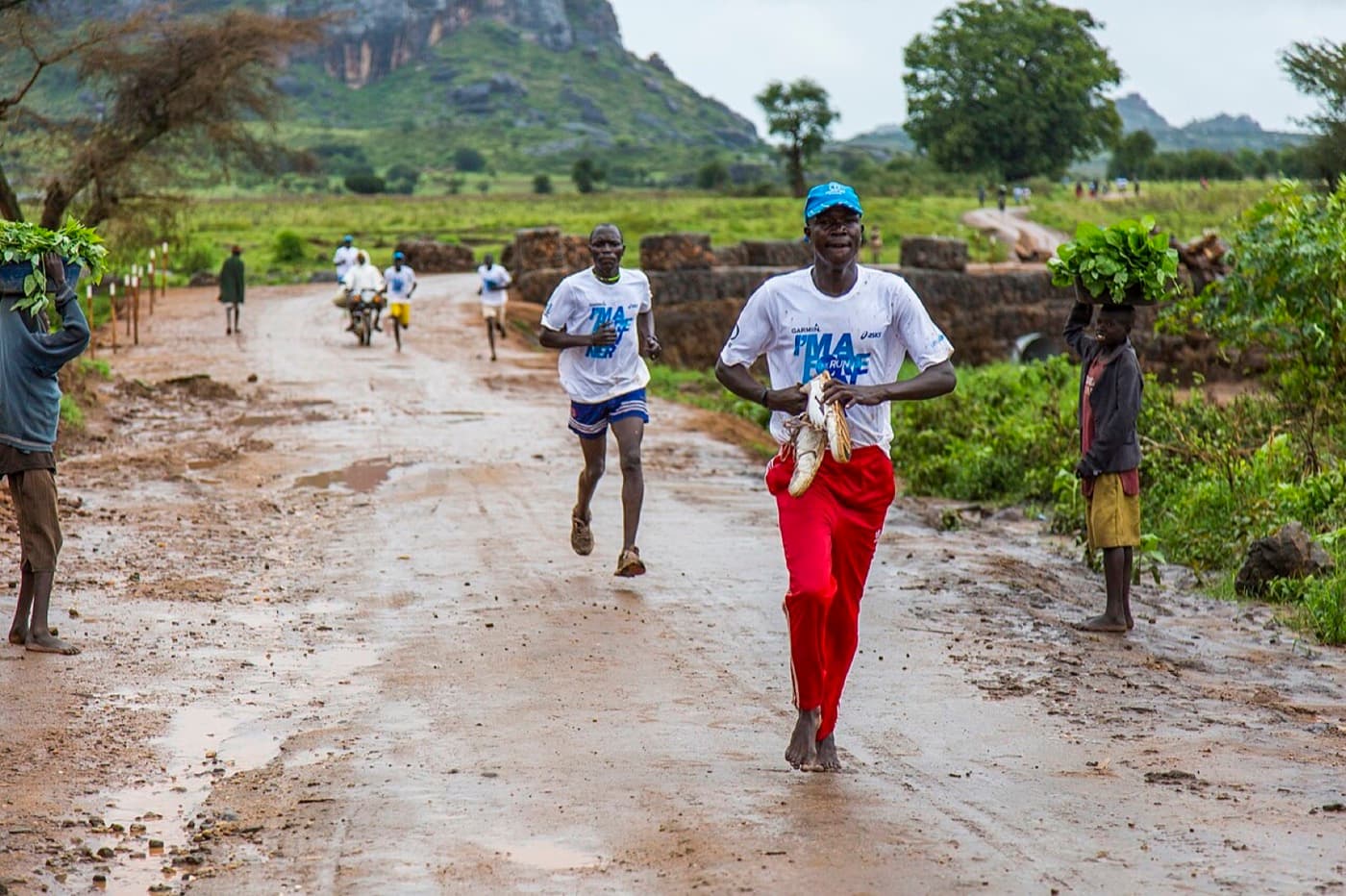
Running
The most accessible endurance sport — no venue, just shoes and the open road or trail.

Fitness
Strength and general fitness training — the foundation that supports every other sport.
Football
The world’s most popular team sport — endless running, teamwork and community in one game.
Related training guides
How to cool down
A cool-down is a few easy minutes at the end of a session that let your effort taper off gradually before you stop.
How to build a weekly routine
Building a weekly routine means loosely planning your training across the week so effort and rest are spread out in a way you can sustain.
How to progress gently
Progressing gently means increasing your training in small, gradual steps so your body has time to adapt.
How it connects
The meaning-bearing relationships that place How to warm up in the wider knowledge graph — each one with the reason it exists.
Frequently learned together
Taught side by side in the same stage of a learning path.
- PlyometricsBoth are taught in the “Train your body for it” stage of the Football learning path.
- Cardiovascular enduranceBoth are taught in the “Train your body for it” stage of the Football learning path.
- SpeedBoth are taught in the “Train your body for it” stage of the Football learning path.
- AgilityBoth are taught in the “Train your body for it” stage of the Football learning path.
- CoordinationBoth are taught in the “Train your body for it” stage of the Football learning path.
Explore across the knowledge base
Follow the threads that connect How to warm up to the rest of SocialSportHub.
Training methods
- PlyometricsPlyometrics are jumping and bounding drills that train muscles to produce force quickly, developing power and springiness through explosive movement.
- Flexibility TrainingFlexibility training uses stretching to gradually improve how far your muscles and joints can comfortably lengthen and move.
- Strength TrainingStrength training uses resistance — bodyweight, bands or weights — to challenge your muscles so they gradually adapt and get stronger over time.
- Progressive OverloadProgressive overload is the principle of gradually increasing the demand you place on your body so it keeps adapting and improving over time.
Sports science
- Range of motionHow far a joint can travel through its movement — the arc available at a joint, and the foundation of flexibility and mobility.
- Recovery and adaptationThe idea that the body adapts during recovery, not during the effort itself — which is why rest is treated as part of training rather than a break from it.
Practice & sessions
Coaching concepts
- Small-Sided GamesPractising in scaled-down versions of a sport — fewer players, smaller area — so skills and decisions happen more often in a game-like setting.
- Session StructureHow a practice session is organised into phases — warm-up, main focus, game application and cool-down — so time is used well and learning sticks.
- ProgressionBuilding skill and training load in gradual, manageable steps so each stage prepares the next, moving from simple to complex and easy to hard.
Training plans
- Mobility Routine WeekA gentle example week of short mobility sessions that move the main joints through easy, comfortable ranges to help you feel loose and move well.
- Gentle Return to ActivityA relaxed example of easing back into a routine after time away, restarting well below where you left off and rebuilding gradually.
- Walk-to-Jog PlanA gentle example of easing from walking into jogging by gradually mixing short, easy jogs into regular walks over several weeks.
- Weekly Movement PlanA relaxed example of building more general movement into an ordinary week, mixing walks, gentle mobility and everyday activity rather than formal workouts.
- General Fitness WeekA balanced example week that mixes some cardio, a little strength and gentle mobility for well-rounded, all-round fitness.
Go deeper with How to warm up
Everywhere else on the platform that covers How to warm up — assembled from what actually references it, so nothing here is a dead end.
Learn it
Structured courses and paths on the platform that cover this directly.
How this page is maintained
- Content type
- Training guide
- Provenance
- Tier A — evergreen educational
- Verified external sources
- 0
- Content updated
- 2026-07-06
Evergreen, first-party explanation — it makes no claim that needs an external source. How we handle sources and reviews.