
Racquetball
Bouncy walls, fast feet, non-stop points
.jpg)
Overview
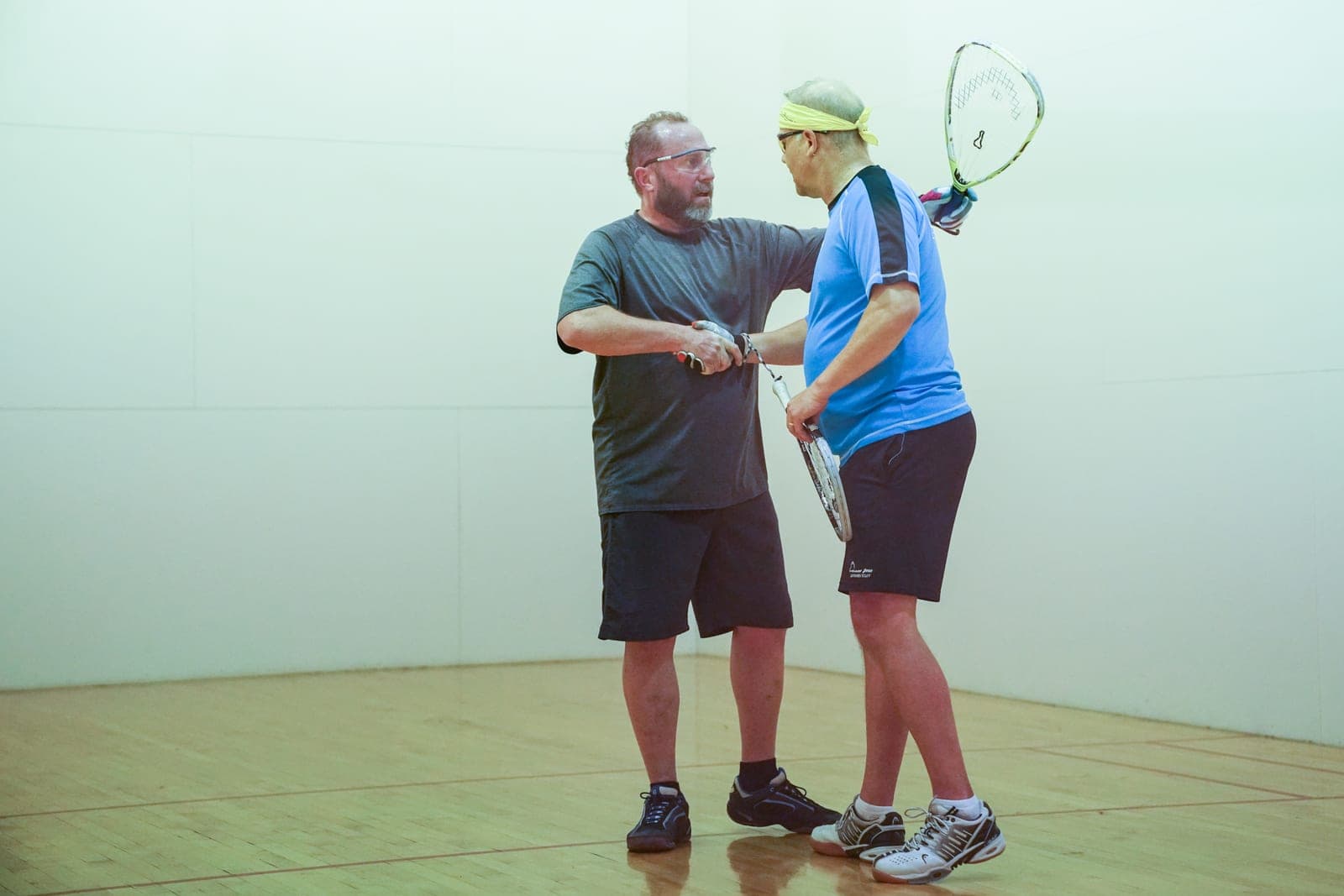
Racquetball is played on an enclosed court where players hit a lively, hollow rubber ball off the walls. The ball bounces freely, and all walls — and often the ceiling — can be used, so rallies flow quickly and there is little dead space. It is played as singles or doubles, and some formats add a three-player variant.
The bouncy ball and short-handled racquet make it forgiving to start, while the fast pace and constant movement give a genuinely energetic workout. Points reward positioning and anticipation as much as power, so players of different fitness levels can enjoy a game together.
Why racquetball is good for your health
- Fast, continuous rallies build cardiovascular fitness
- Develops agility, speed and reaction time
- Works the legs and core through quick pivots and lunges
- Improves hand–eye coordination and spatial awareness
The social side
- A high-energy game that is easy to arrange with one partner
- Doubles adds a sociable, team dimension to the court
- Clubs and sports centres make it simple to find regular games
How to start as a beginner
- 1Learn a relaxed grip and always use the racquet wrist strap
- 2Start by rallying the ball off the front wall to build a rhythm
- 3Use the side and back walls to keep points alive as you improve
- 4Ask a local court about beginner sessions or a hitting partner
Equipment you’ll need
- Racquetball racquetEssentialShort-handled, with a wrist strap for safety
- RacquetballEssentialA lively hollow rubber ball
- Non-marking court shoesEssential
- Protective eyewearOptionalAdvisable given the fast, bouncy ball indoors
- Comfortable sportswearOptional
Where to play
Racquetball is typically played at:
Explore clubs and venues to understand the different places you can play, or see how to find people to play with.
Playing Racquetball
The equipment, rules, skills and more that make up the game — each cross-linked into the encyclopedia.
Related sports to explore
If you enjoy Racquetball, you might also like these.
Squash
A fast, high-intensity indoor racquet sport played inside an enclosed court where the walls stay in play.
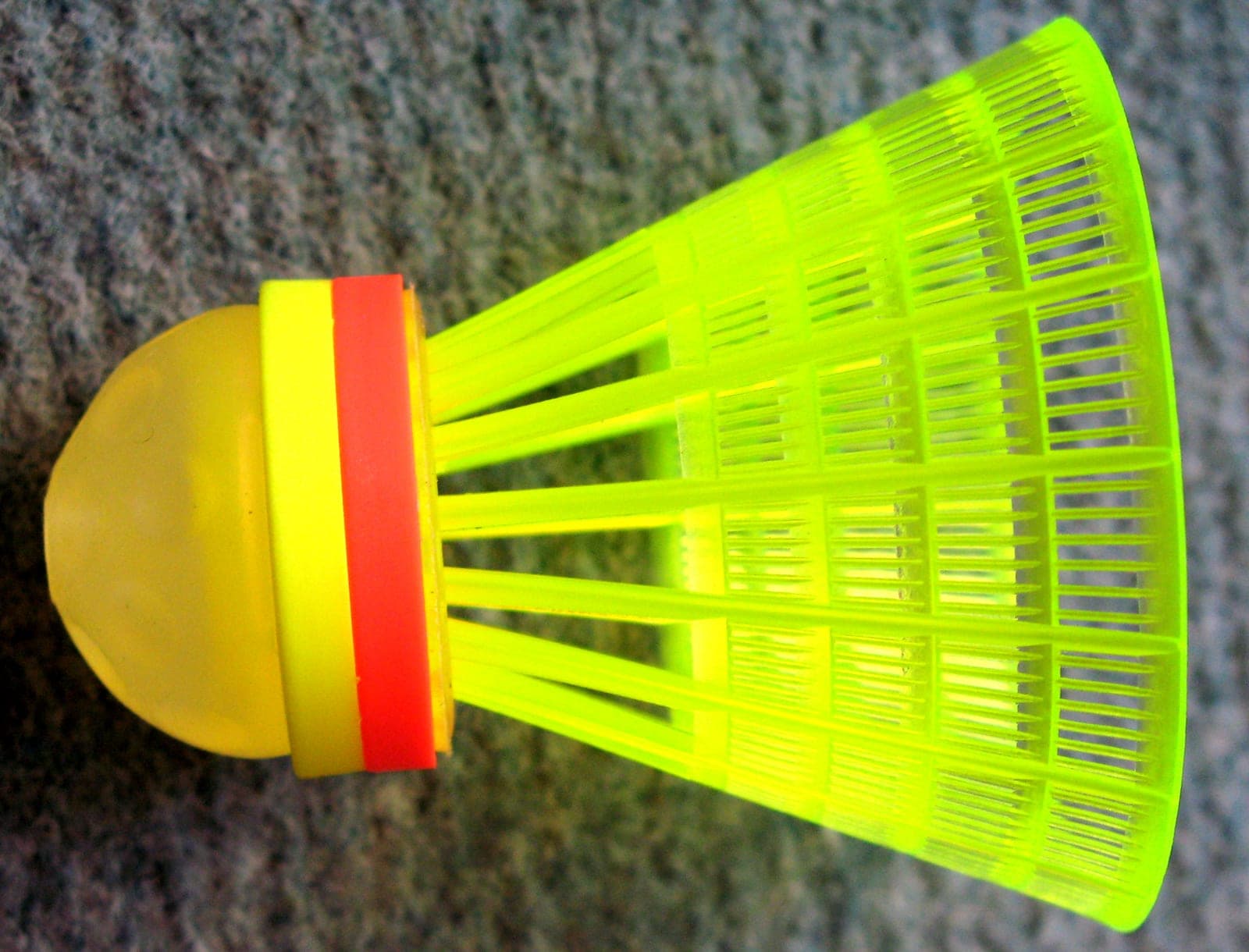
Badminton
A fast indoor racquet sport played with a shuttlecock that rewards agility and touch.
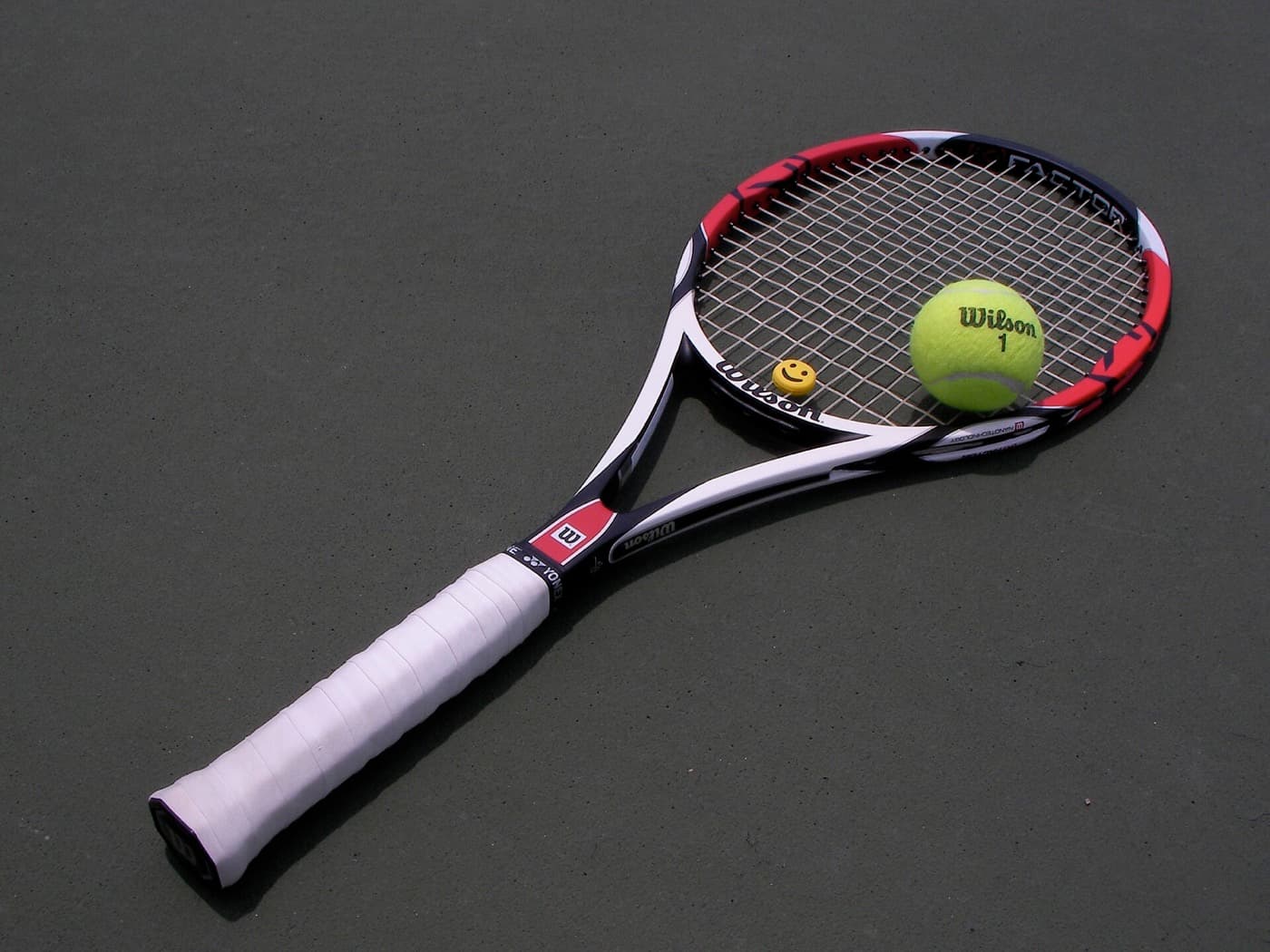
Tennis
A singles or doubles racquet sport that blends agility, strategy and stamina on court.
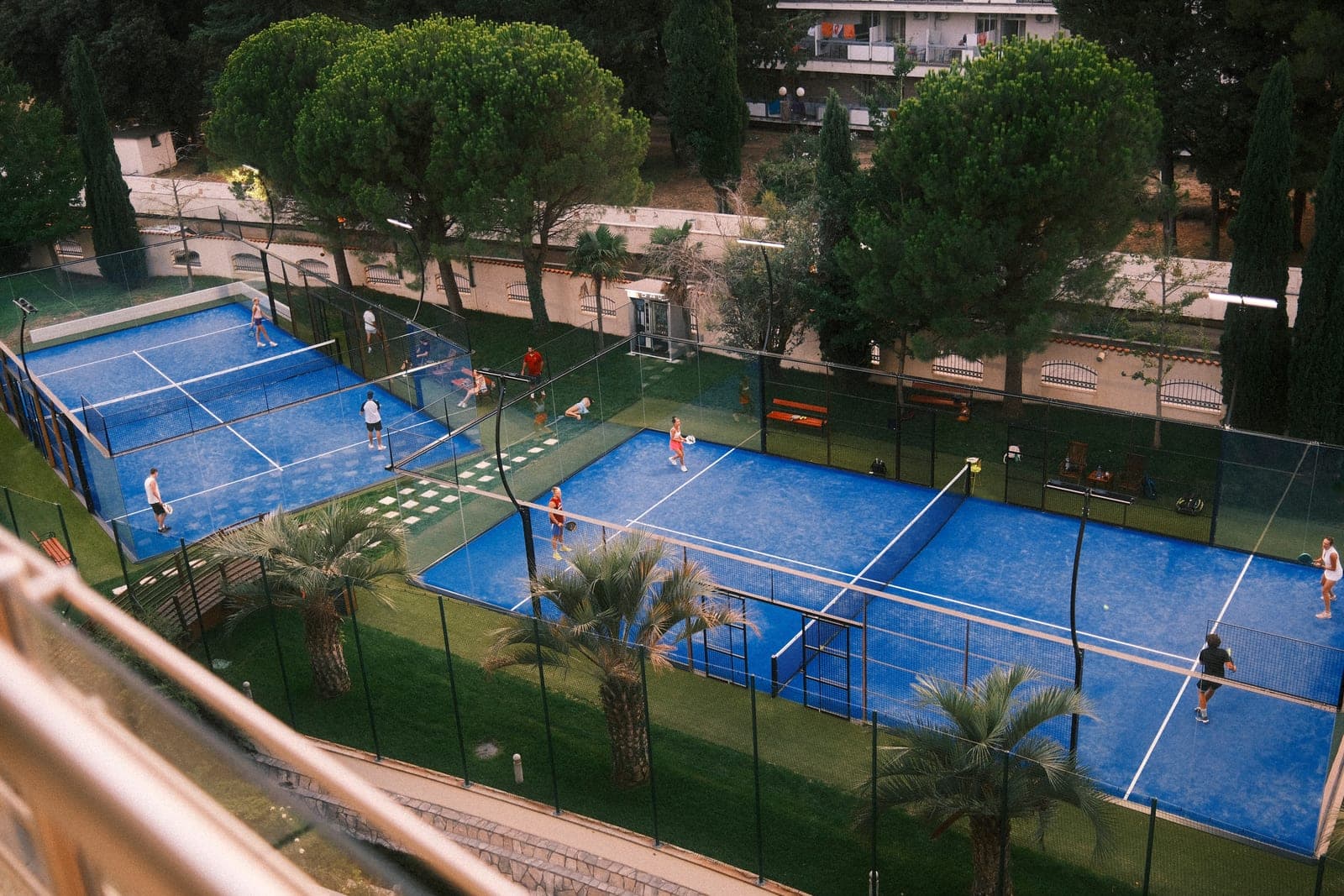
Padel
A sociable, doubles-first racquet sport played in an enclosed court where the walls stay in play.
Compare Racquetball with…
Deciding between Racquetball and something similar? See how they line up side by side.
Badminton vs Racquetball
How they compare on difficulty, intensity, kit and what suits you.
Padel vs Racquetball
How they compare on difficulty, intensity, kit and what suits you.
Racquetball vs Squash
How they compare on difficulty, intensity, kit and what suits you.
Racquetball vs Tennis
How they compare on difficulty, intensity, kit and what suits you.
Reach your goals with Racquetball
People take up Racquetball for all kinds of reasons. Here is what it can help you work towards.
How it connects
The meaning-bearing relationships that place Racquetball in the wider knowledge graph — each one with the reason it exists.
Alternative to
Comparable enough that people choose between them.
- BadmintonRacquetball and Badminton are close enough that the platform maintains a side-by-side comparison of them.
- PadelRacquetball and Padel are close enough that the platform maintains a side-by-side comparison of them.
- SquashRacquetball and Squash are close enough that the platform maintains a side-by-side comparison of them.
- TennisRacquetball and Tennis are close enough that the platform maintains a side-by-side comparison of them.
Helps achieve
A recognised route towards these goals.
Explore across the knowledge base
Follow the threads that connect Racquetball to the rest of SocialSportHub.
Glossary
- LetA serve or rally that is replayed without penalty, often because a serve clips the net or a player is obstructed.
- Racket String TensionThe tightness at which a racket's strings are strung, usually measured in pounds or kilograms, which shapes the balance between power and control.
- Threshold TrainingThreshold training is sustained work at or near the effort where lactate begins to accumulate faster than the body can clear it, done to raise that ceiling.
- Penalty BoxIn ice hockey, the enclosed bench where a penalised player must sit and serve their penalty time, leaving their team short-handed.
- RinkAn enclosed sheet of ice, or a comparable bounded surface, on which sports such as ice hockey, figure skating and curling are contested.
Go deeper with Racquetball
Everywhere else on the platform that covers Racquetball — assembled from what actually references it, so nothing here is a dead end.
Compare it
Head-to-head studies against the entities people actually weigh it against.
Kit it out
Equipment guidance drawn from the graph, with no brands and no affiliate links.
Take it away
Open data and the whole-platform view of this subject.
How this page is maintained
- Content type
- Sport
- Provenance
- Tier A — evergreen educational
- Verified external sources
- 0
- Content updated
- 2026-07-06
Evergreen, first-party explanation — it makes no claim that needs an external source. How we handle sources and reviews.
Keep going
A sport is most rewarding alongside good habits, sensible nutrition and people to share it with. Here is where to go next.
How movement supports body and mind.
Eat well to feel and perform better.
Build routines that stick.
Ways to meet others and play together.
Where to play and what to expect.
Browse the full list by category.