
Fast break
An attacking play in basketball where a team pushes the ball up the court quickly to score before the defence is set.
Definition
A fast break happens when a team gains possession, often from a rebound or steal, and moves the ball toward the basket as fast as possible. The goal is to reach the scoring area while the defenders are still retreating, creating an easy shot or a numbers advantage.
Fast breaks are most associated with basketball, but similar quick-transition ideas appear in netball and handball. They reward speed, good passing and players sprinting into open lanes rather than waiting for a structured attack to form.
Where you’ll hear “fast break”
Sports that use this term:
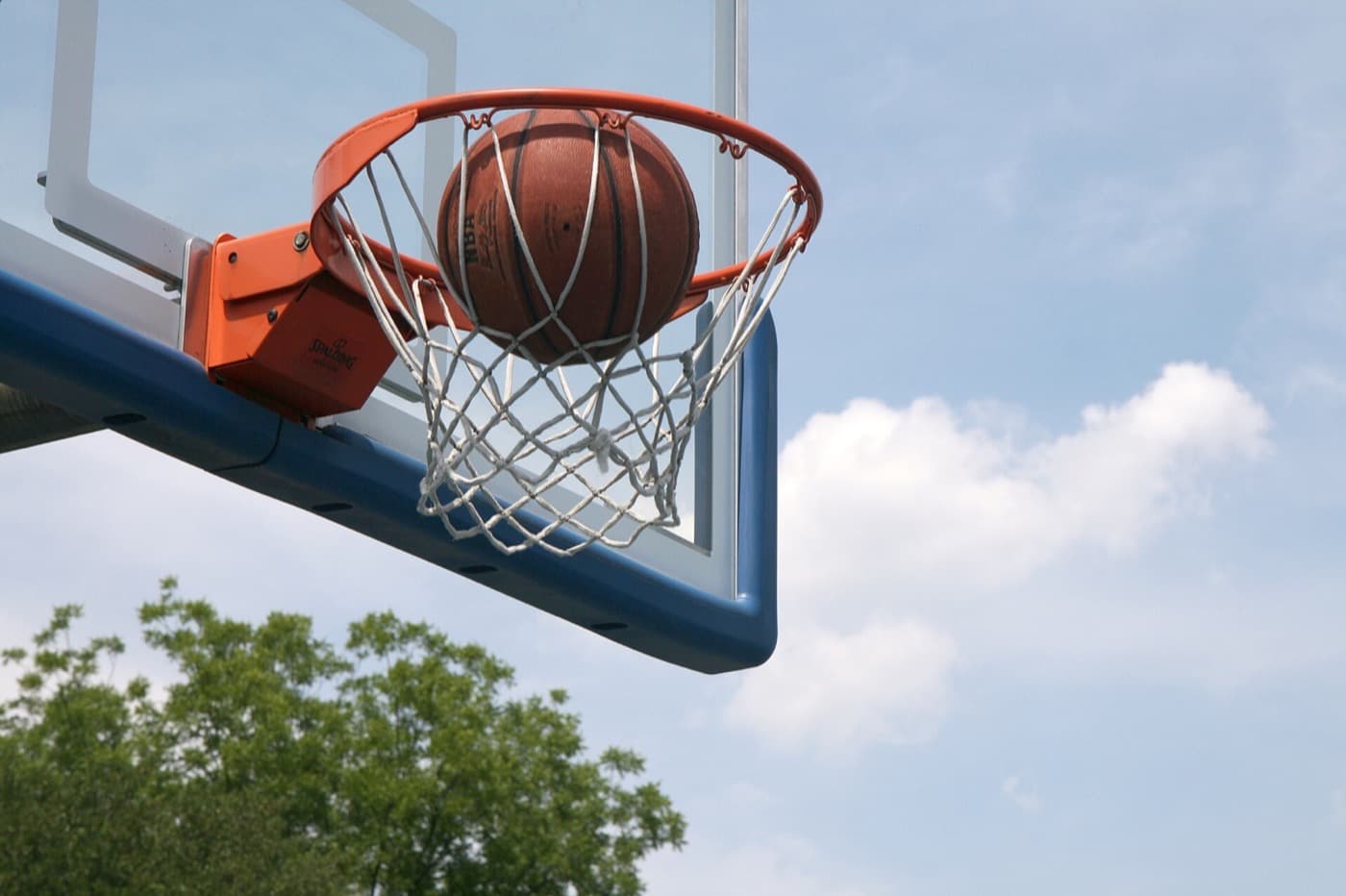
Basketball
A fast, dynamic team sport of running, jumping and quick decisions on court.
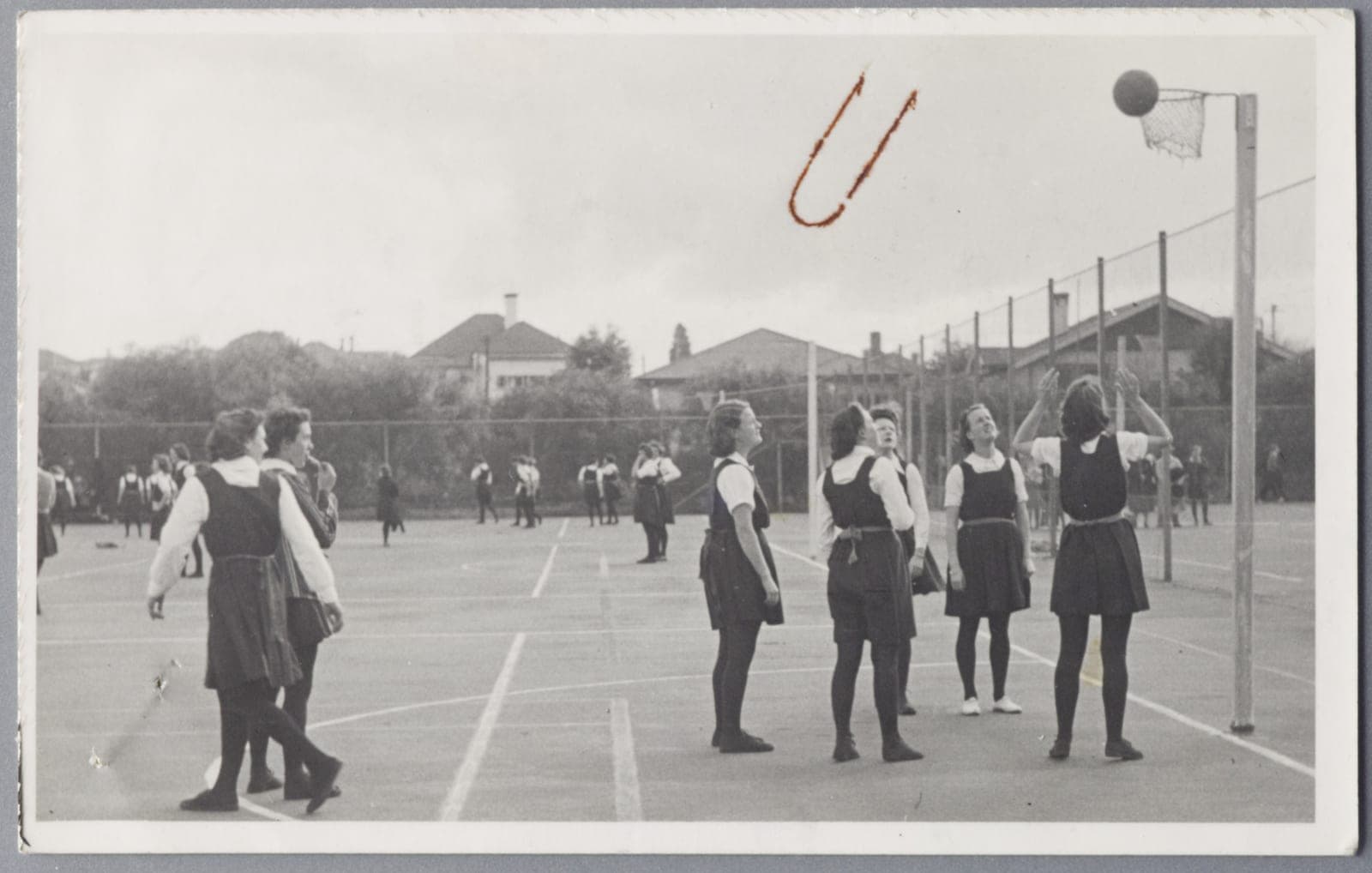
Netball
A non-contact, position-based team sport of quick passing and accurate shooting.
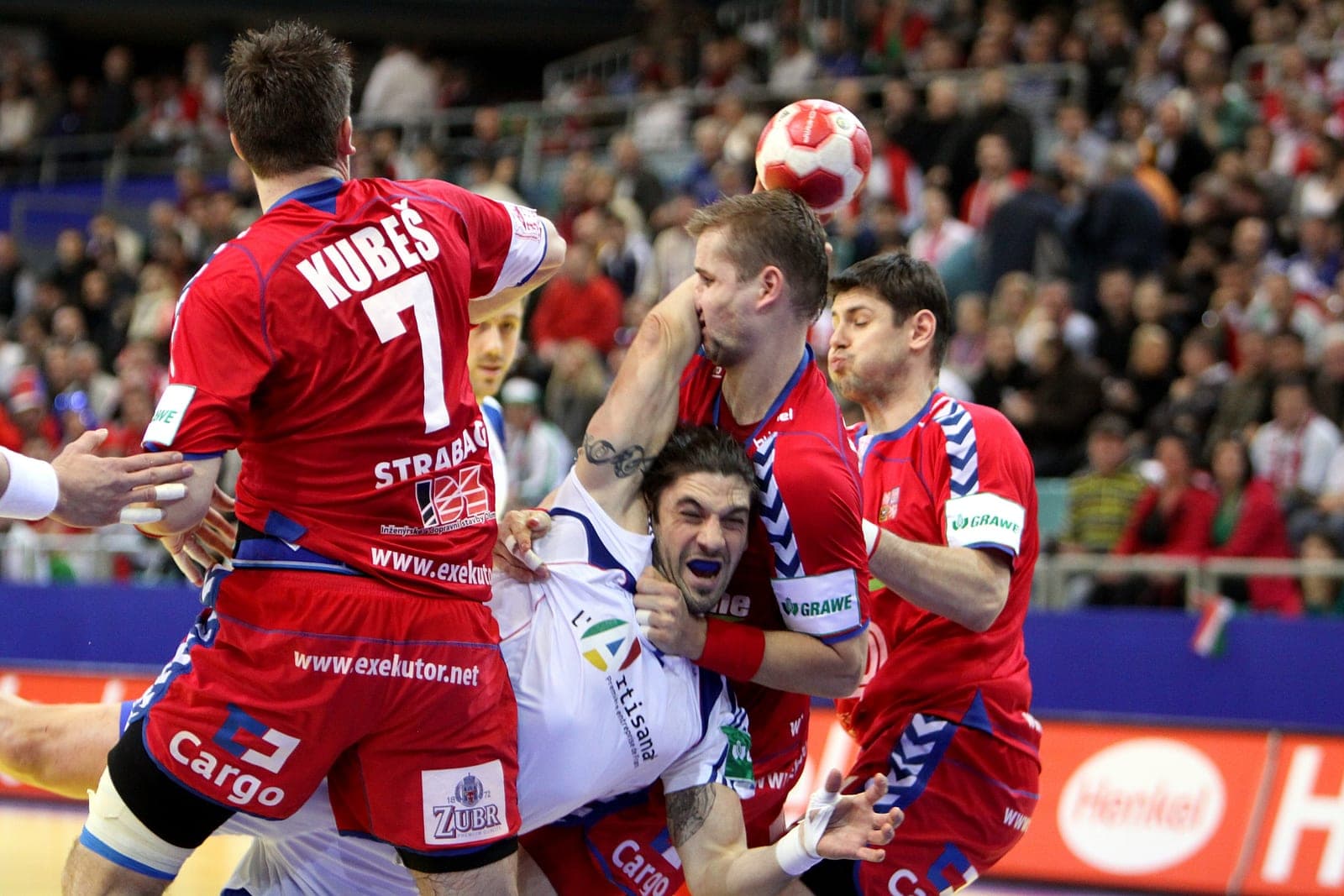
Handball
A fast indoor team sport of passing, jumping and throwing to score with the hands.
Explore across the knowledge base
Follow the threads that connect Fast break to the rest of SocialSportHub.
Rules
- TravelingA basketball violation for moving illegally with the ball without dribbling it.
- Shot clockA timing rule that requires the attacking basketball team to attempt a shot within a set number of seconds.
- Backcourt violationA basketball rule breach for returning the ball into a team's own defensive half after it has crossed into the attacking half.
Tactics
- Counter-attackWinning the ball and moving forward at speed to attack before the opponent can reorganise their defence.
- Fast breakPushing the ball up court at speed after a turnover or rebound to score before the defence sets up.
- Full-court pressAn aggressive basketball defence that pressures the ball across the whole court to force turnovers.
- Zone defenceA defensive system where each player guards an area of the court rather than a specific opponent.
- Phase playHow rugby union teams attack by keeping the ball through successive rucks — what a phase is, why phases move a defence, and the cost that eventually makes a team stop.
Positions
- Point guardThe point guard is basketball’s primary ball-handler and playmaker, running the offence and setting up teammates to score.
- Shooting guardThe shooting guard is a perimeter player whose main role is to score, especially from mid-range and beyond the three-point line.
- Small forwardThe small forward is a versatile wing player in basketball who can score inside and outside while also defending multiple positions.
- Wing (handball)The handball wing plays wide on the left or right of the attack, using speed to finish fast breaks and shoot from tight angles near the sideline.
- Middle blockerThe middle blocker plays in the centre of the net, leading the team’s blocking and attacking with fast, quick sets.
Strategies
- Game managementAdapting how a team or athlete plays to the scoreline and time remaining — protecting a lead, chasing a result or seeing out the closing stages.
- Using Width and SpaceA side's plan to stretch the playing area and open gaps when attacking, then shrink and control that space when defending.
- Transition PlayTransition play is the strategy of switching quickly between attack and defence the moment possession changes, exploiting the opponent's brief disorganisation.
Go deeper with Fast break
Everywhere else on the platform that covers Fast break — assembled from what actually references it, so nothing here is a dead end.
Take it away
Open data and the whole-platform view of this subject.
How this page is maintained
- Content type
- Term
- Provenance
- Tier A — evergreen educational
- Verified external sources
- 0
- Content updated
- 2026-09-01
Evergreen, first-party explanation — it makes no claim that needs an external source. How we handle sources and reviews.