
Court coverage and rotation
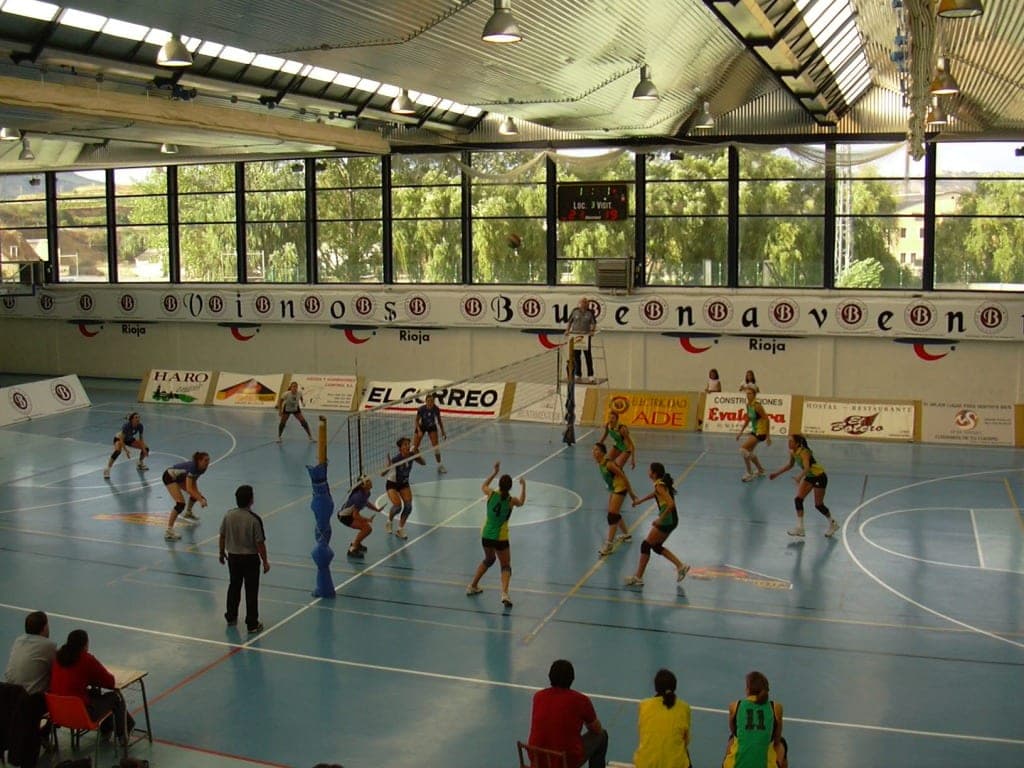
Volleyball positioning where players rotate through positions and cover the court as one coordinated unit.
Overview
Court coverage and rotation govern how a volleyball team shares responsibility for the floor, with players rotating clockwise through positions each time they win the serve and adjusting their coverage on every play.
Good coverage means someone is always ready to defend the attack, back up a teammate’s hit and transition to offence. It ties together serve receive, defence and attack so no area of the court is left exposed.
Key points
- Players rotate one position clockwise each time their team wins service.
- The setter and specialists switch to their preferred spots once the ball is in play.
- Teammates cover behind an attacker in case the ball rebounds off the block.
- Defenders read the attacker and set to base positions between rallies.
- A libero is used to strengthen back-row defence and passing.
Where it’s used
Sports that use court coverage and rotation:
How it connects
The meaning-bearing relationships that place Court coverage and rotation in the wider knowledge graph — each one with the reason it exists.
Frequently learned together
Taught side by side in the same stage of a learning path.
- Serve-receive formationBoth are taught in the “Understand tactics & strategy” stage of the Volleyball learning path.
- Playing the percentagesBoth are taught in the “Understand tactics & strategy” stage of the Volleyball learning path.
- Exploiting MatchupsBoth are taught in the “Understand tactics & strategy” stage of the Volleyball learning path.
- Specialisation vs VersatilityBoth are taught in the “Understand tactics & strategy” stage of the Volleyball learning path.
- Building momentumBoth are taught in the “Understand tactics & strategy” stage of the Volleyball learning path.
Explore across the knowledge base
Follow the threads that connect Court coverage and rotation to the rest of SocialSportHub.
Strategies
- Playing the percentagesFavouring the higher-probability, lower-risk option most of the time to cut out unforced errors, while recognising when a calculated risk is worth taking.
- Exploiting MatchupsSteering play toward the pairings where you hold an advantage while shielding the pairings where an opponent could hurt you.
- Specialisation vs VersatilitySpecialisation versus versatility is the team-building and development trade-off between narrow role experts and adaptable all-rounders who cover several jobs.
- Building momentumMomentum is the sense that a contest is flowing one side's way — building it means stacking positive plays while working to interrupt an opponent's run.
- Using Width and SpaceA side's plan to stretch the playing area and open gaps when attacking, then shrink and control that space when defending.
Go deeper with Court coverage and rotation
Everywhere else on the platform that covers Court coverage and rotation — assembled from what actually references it, so nothing here is a dead end.
Learn it
Structured courses and paths on the platform that cover this directly.
How this page is maintained
- Content type
- Tactic
- Provenance
- Tier A — evergreen educational
- Verified external sources
- 0
- Content updated
- 2026-09-12
Evergreen, first-party explanation — it makes no claim that needs an external source. How we handle sources and reviews.