
Speed
How quickly you can move your body or a part of it from one point to another.
Overview
Speed is the ability to move rapidly — a sprint down the wing, a fast hand in table tennis, a quick first step in basketball. It draws on power, coordination and good technique.
While some speed is natural, technique and conditioning can meaningfully improve how fast you move.
Why it matters
- Decisive in sprinting, team sports and racquet sports
- Improves your ability to accelerate and change pace
- Works closely with power and agility
How to train it
- Warm up thoroughly before any fast efforts to reduce injury risk
- Practise short, high-quality accelerations with full recovery between
- Work on running or movement technique, not just effort
From stimulus to movement
What actually happens inside a reaction
- 1
Stimulus
Something happens — a ball is struck, a starter fires, an opponent shifts their weight.
- 2
Detect
The senses pick the signal out of everything else going on.
- 3
Recognise
The signal is matched against what it resembles, which is where reading the game pays off.
- 4
Choose
A response is selected. More plausible options means a slower choice.
- 5
Initiate
The command is issued and the movement begins.
Changing direction
The phases behind agility
- 1
Read
Pick up the cue that a change is needed — in a game, this is the part that is genuinely hard.
- 2
Decelerate
Absorb and control existing speed. You can only redirect momentum you have taken charge of.
- 3
Plant
Place a foot outside the line of travel and lower the centre of mass to push against.
- 4
Reorient
Turn the hips, trunk and eyes toward the new direction.
- 5
Re-accelerate
Drive out along the new line. Exit speed is what the whole sequence was for.
Sports that build speed
These sports are especially good for developing this quality.
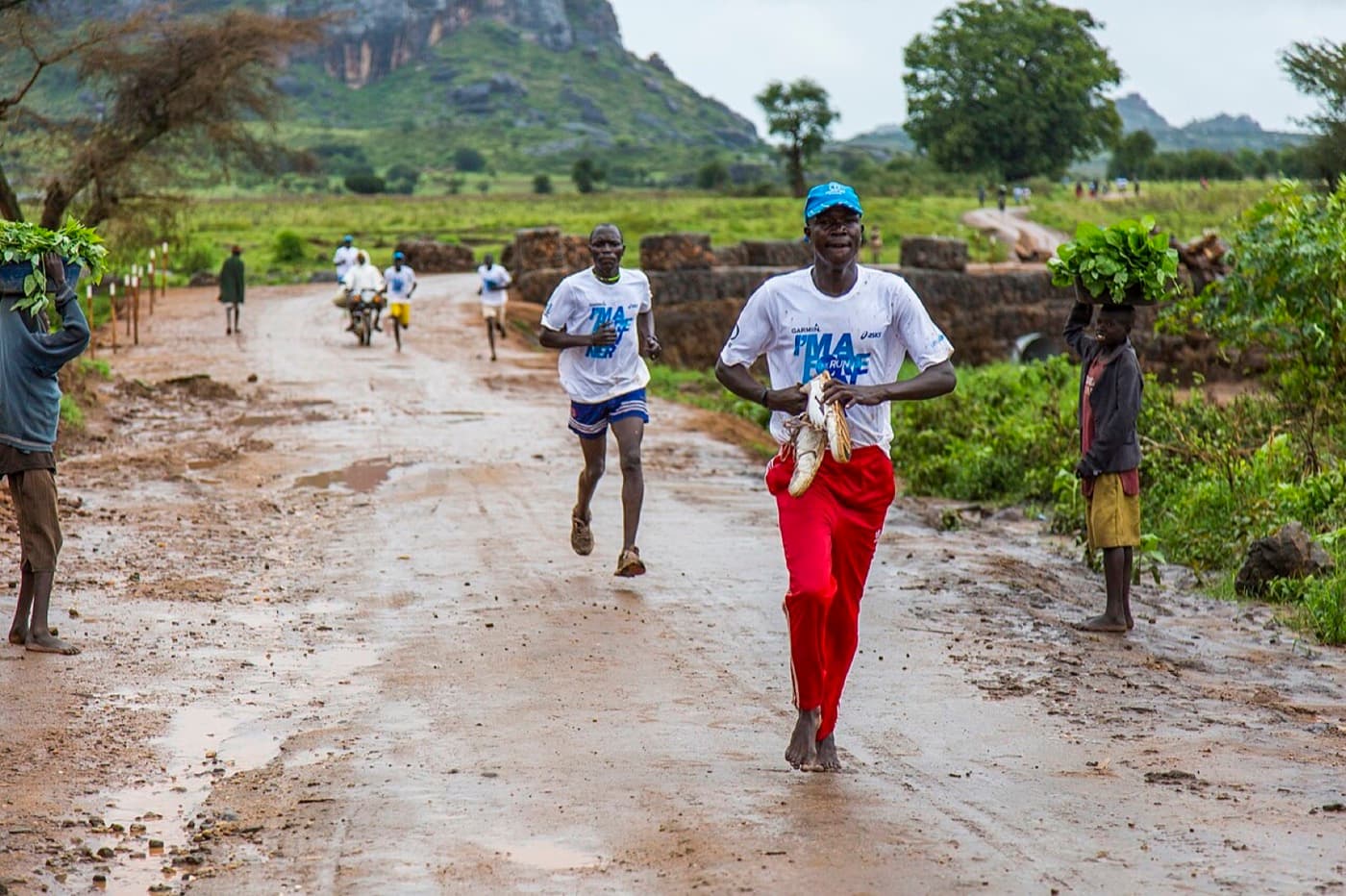
Running
The most accessible endurance sport — no venue, just shoes and the open road or trail.
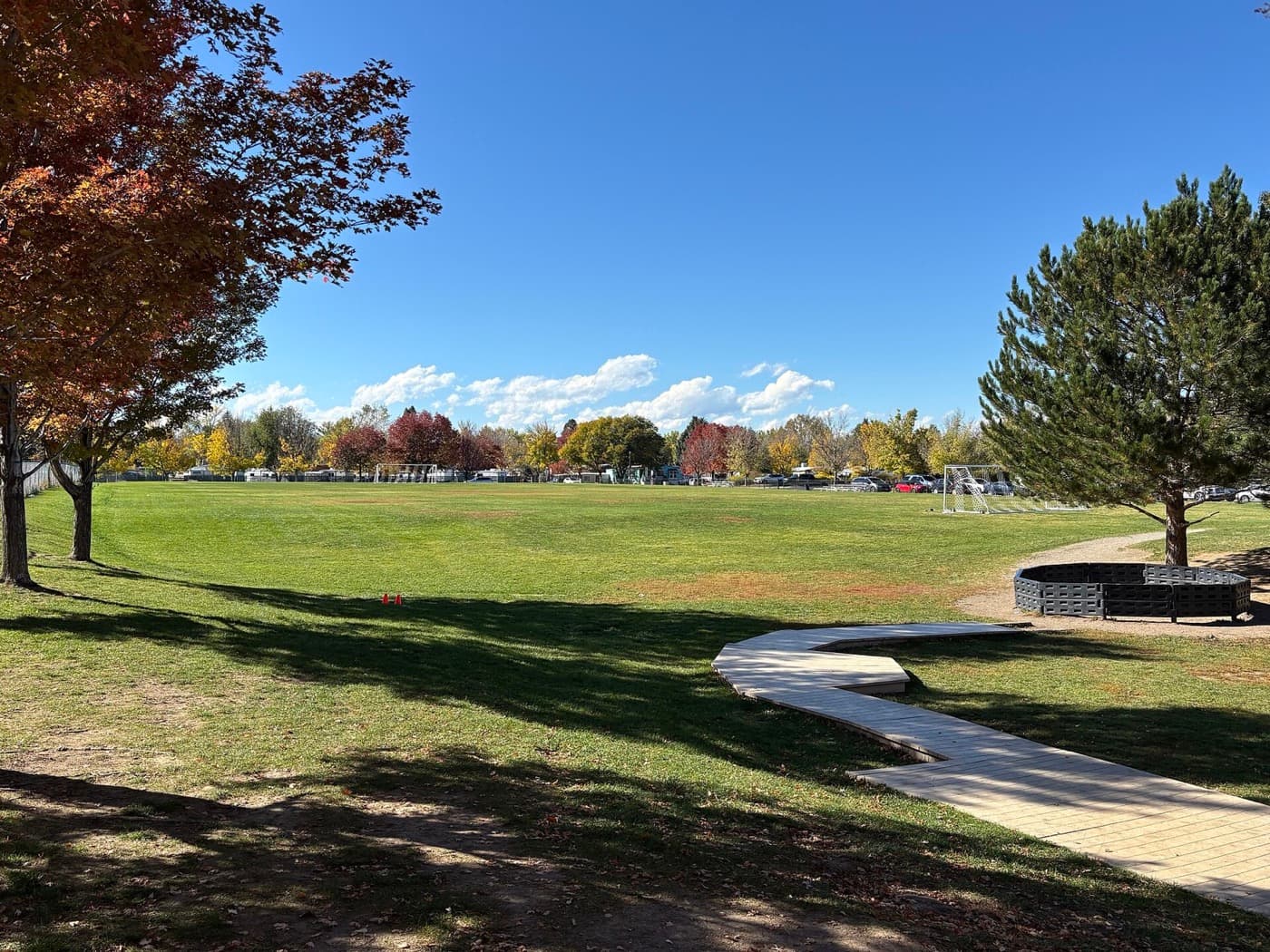
Football
The world’s most popular team sport — endless running, teamwork and community in one game.
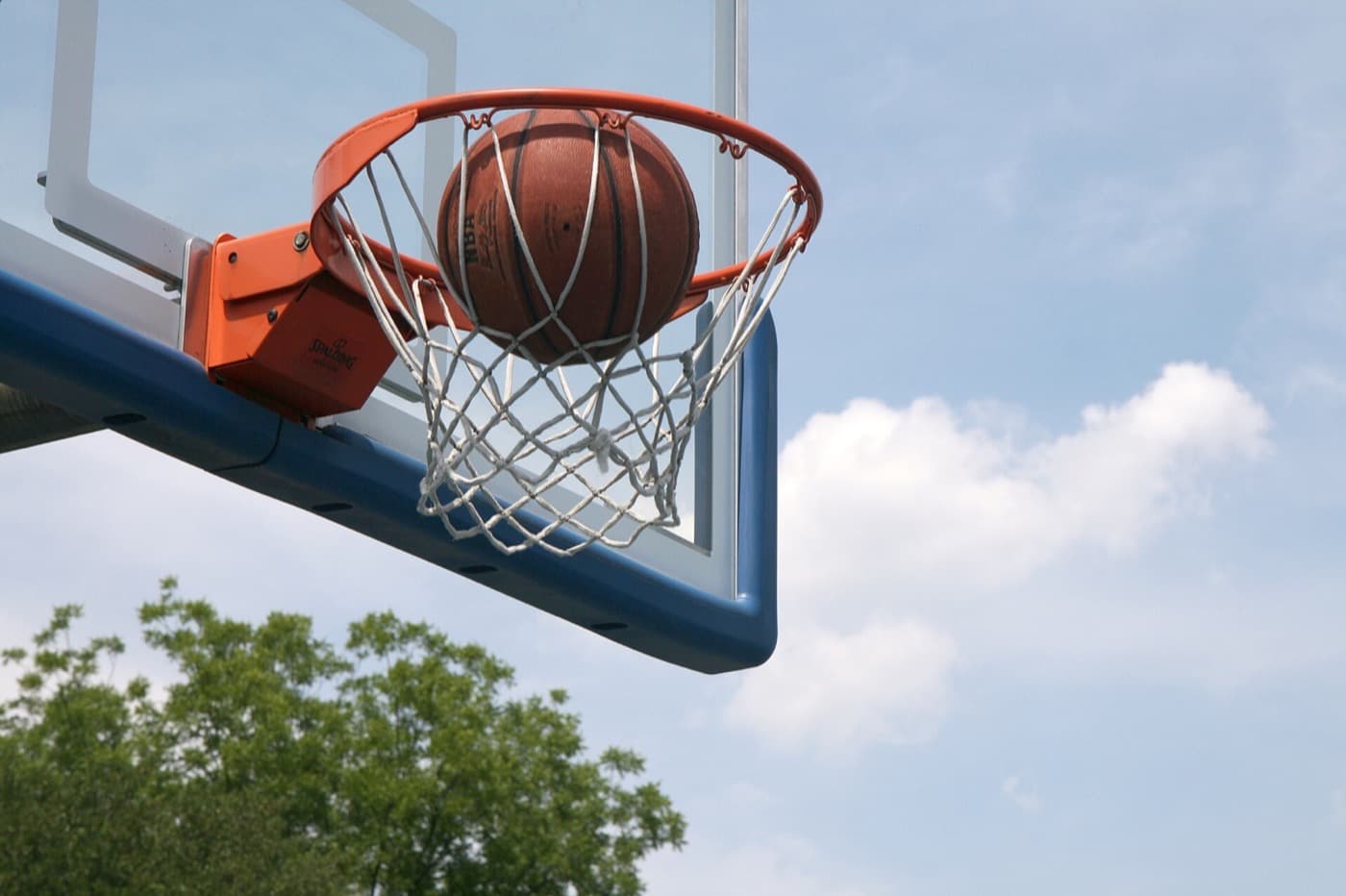
Basketball
A fast, dynamic team sport of running, jumping and quick decisions on court.
Speed Skating
A racing sport on long-bladed skates, powering around an ice oval or tight indoor track with long, rhythmic strides.
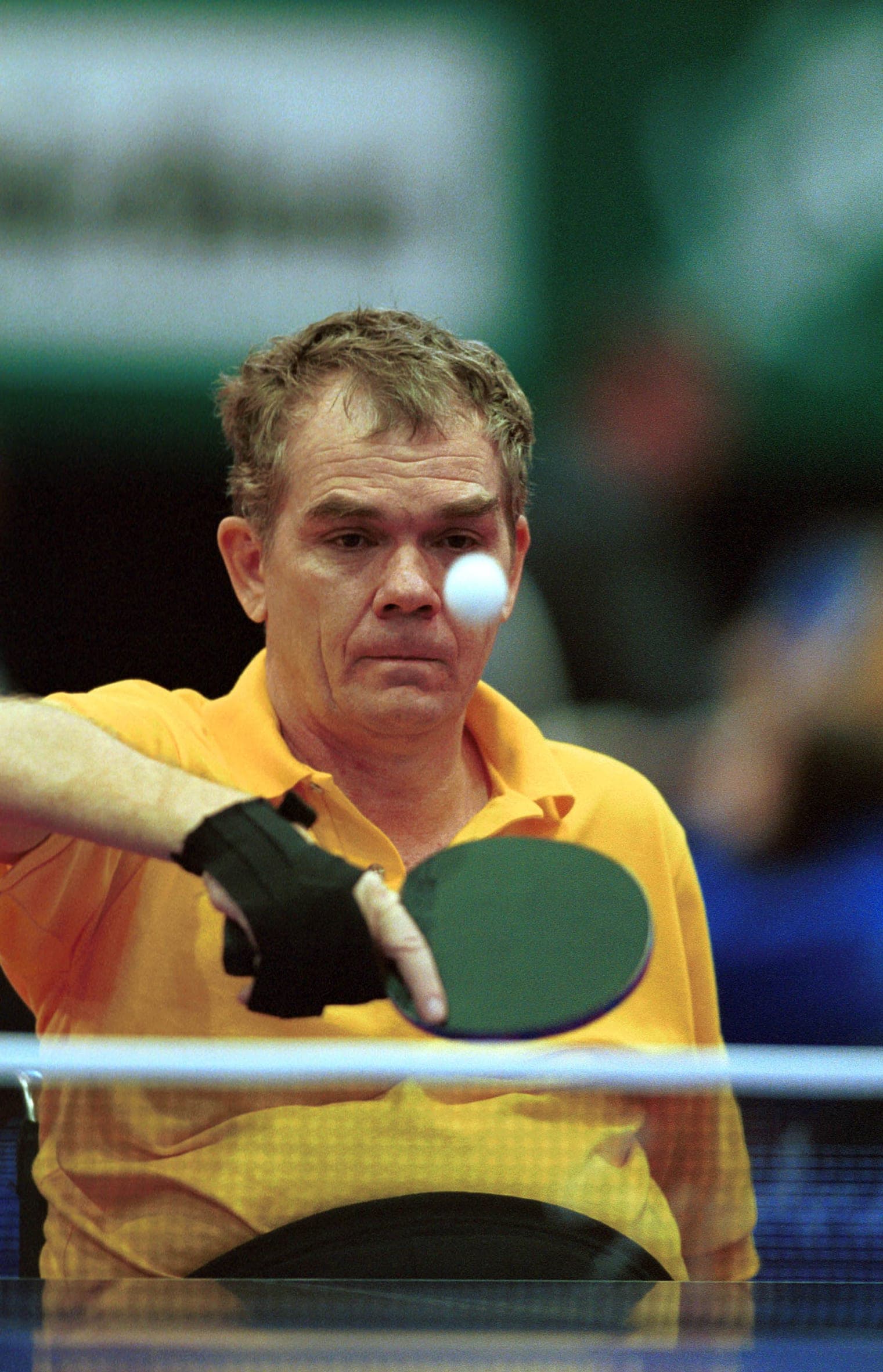
Table Tennis
A fast, low-impact indoor racquet sport that sharpens reflexes and is easy to start.
Train it: exercises & methods
Ways to develop speed — educational, not a prescription.
Jump squat
An explosive squat variation where you spring off the floor at the top of the movement.
High knees
A running-in-place cardio drill where you lift the knees high with a quick rhythm.
Interval Training
Interval training alternates short bursts of harder effort with easier recovery periods, letting you accumulate more quality work than a single continuous push.
High-Intensity Interval Training (HIIT)
High-intensity interval training, or HIIT, packs short, hard efforts against brief recoveries into a compact session, making it a time-efficient way to train.
Fartlek
Fartlek — Swedish for 'speed play' — mixes faster and easier efforts freely and by feel within one continuous session, blending steady and interval work.
Plyometrics
Plyometrics are jumping and bounding drills that train muscles to produce force quickly, developing power and springiness through explosive movement.
How it connects
The meaning-bearing relationships that place Speed in the wider knowledge graph — each one with the reason it exists.
Frequently learned together
Taught side by side in the same stage of a learning path.
- CoordinationBoth are taught in the “Train your body for it” stage of the Table Tennis learning path.
- Reaction timeBoth are taught in the “Train your body for it” stage of the Table Tennis learning path.
- PlyometricsBoth are taught in the “Train your body for it” stage of the Football learning path.
- How to warm upBoth are taught in the “Train your body for it” stage of the Football learning path.
- Cardiovascular enduranceBoth are taught in the “Train your body for it” stage of the Football learning path.
Explore across the knowledge base
Follow the threads that connect Speed to the rest of SocialSportHub.
Goals
- Improve agilityChange direction quickly and under control — the quality behind stopping, turning and accelerating again without losing balance.
- Sports for teenagersSports and activities that suit teenagers, from team games to individual pursuits.
- Improve reaction speedRespond faster to what you see, hear and feel by training with fast, unpredictable activities and drills.
- Improve fitnessBuild well-rounded fitness — stamina, strength and more — through regular, varied activity you can keep up.
- Improve mobilityMove your joints more freely and comfortably through their natural range with regular, gentle practice.
Disciplines
- KumiteKumite is the sparring discipline of karate, in which two athletes exchange controlled strikes and kicks under judged rules.
- SabreSabre is a fencing weapon scored with the edge and the point on targets above the waist, governed by right-of-way and known for its speed.
- SprintSprint is a short-course race format decided over an individual qualifier and knockout heats, skied in either classic or skate technique.
- Snowboard CrossSnowboard cross is a racing discipline in which several riders descend a terrain course together, with the fastest advancing through rounds.
- Parallel (Alpine)Parallel is an alpine snowboarding discipline in which two riders race side by side down gated courses, carving turns on stiffer alpine boards.
Movement patterns
- GaitThe cyclic, alternating single-leg pattern of walking and running that carries the body across the ground — the base of most field and endurance sport.
- JumpThe plyometric pattern of projecting the body off the ground through explosive triple extension and controlling the landing — the core expression of lower-body power.
- AccelerationThe athletic pattern of building speed from a standing or slow start by driving large horizontal forces into the ground to project the body forward.
- BackpedalControlled backward locomotion performed while facing forward, staying low and pushing off the balls of the feet in short strides to stay reactive and keep play in view.
- BoundAn exaggerated, horizontal springing stride that transfers from one leg to the opposite leg with a long flight phase, amplifying the mechanics of running.
Sports science
- BiomechanicsThe study of how the body produces and controls movement — the mechanics behind every technique in sport.
- Force and powerThe difference between how much force the body can produce and how quickly it can produce it — the mechanics behind strength and explosiveness.
- Reaction timeThe short delay between a signal and the start of the movement made in response to it.
- Energy systemsHow the body supplies energy for movement — the different pathways that power everything from an explosive jump to a long, steady run.
- Aerobic and anaerobic energyThe difference between energy the body produces with oxygen and energy it produces without it — a core idea behind why different efforts feel and last so differently.
People
Motivations
- To competeWhen the thrill of competition drives you, sports with clear contests, ladders and match play give you something to test yourself against.
- To get better at my sportWhen you already play and want to improve, structured practice, coaching concepts and targeted training turn effort into measurable progress.
Go deeper with Speed
Everywhere else on the platform that covers Speed — assembled from what actually references it, so nothing here is a dead end.
Learn it
Structured courses and paths on the platform that cover this directly.
Compare it
Head-to-head studies against the entities people actually weigh it against.
Take it away
Open data and the whole-platform view of this subject.
How this page is maintained
- Content type
- Physical quality
- Provenance
- Tier A — evergreen educational
- Verified external sources
- 0
- Content updated
- 2026-09-01
Evergreen, first-party explanation — it makes no claim that needs an external source. How we handle sources and reviews.