
Amateur
An athlete or competition category defined by taking part without payment, as distinct from professional sport.
Definition
An amateur is a player who takes part in sport primarily for enjoyment, development or competition rather than as paid employment. The term also describes whole tiers of competition — amateur leagues, amateur championships and open events — where eligibility depends on a competitor not earning income from the sport. The boundary has shifted over time; for much of the 20th century the Olympic Games and many national governing bodies enforced strict amateur rules, several of which have since been relaxed or abolished.
Amateur status still matters in specific settings, such as college athletics in the United States and some individual sports where prize money or sponsorship can affect eligibility for certain events. In everyday use, 'amateur' simply signals the recreational or unpaid end of the participation spectrum, sitting below semi-professional and professional levels. It describes status and pathway, not skill — many amateur athletes compete to a very high standard.
Where you’ll hear “amateur”
Sports that use this term:
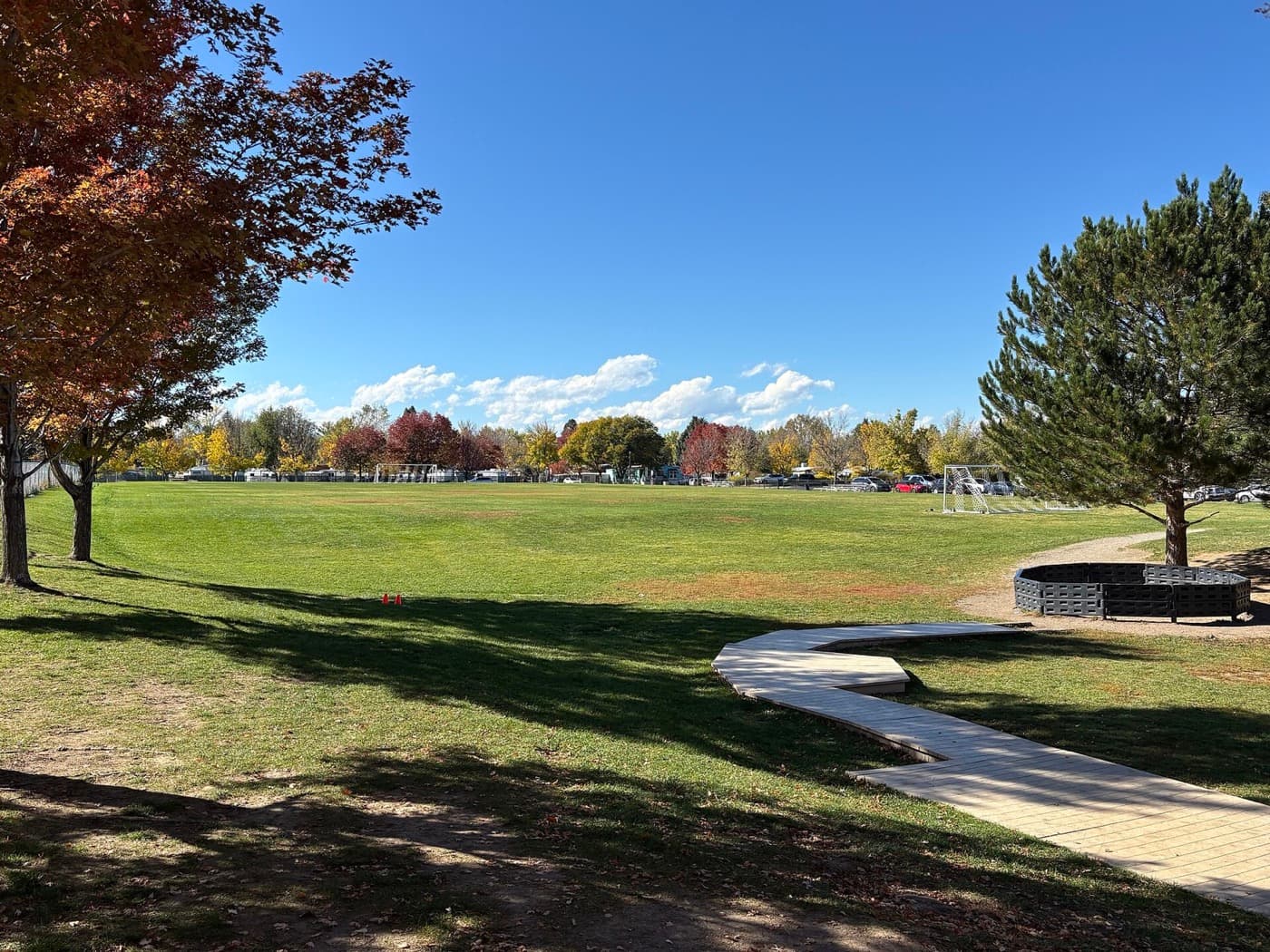
Football
The world’s most popular team sport — endless running, teamwork and community in one game.
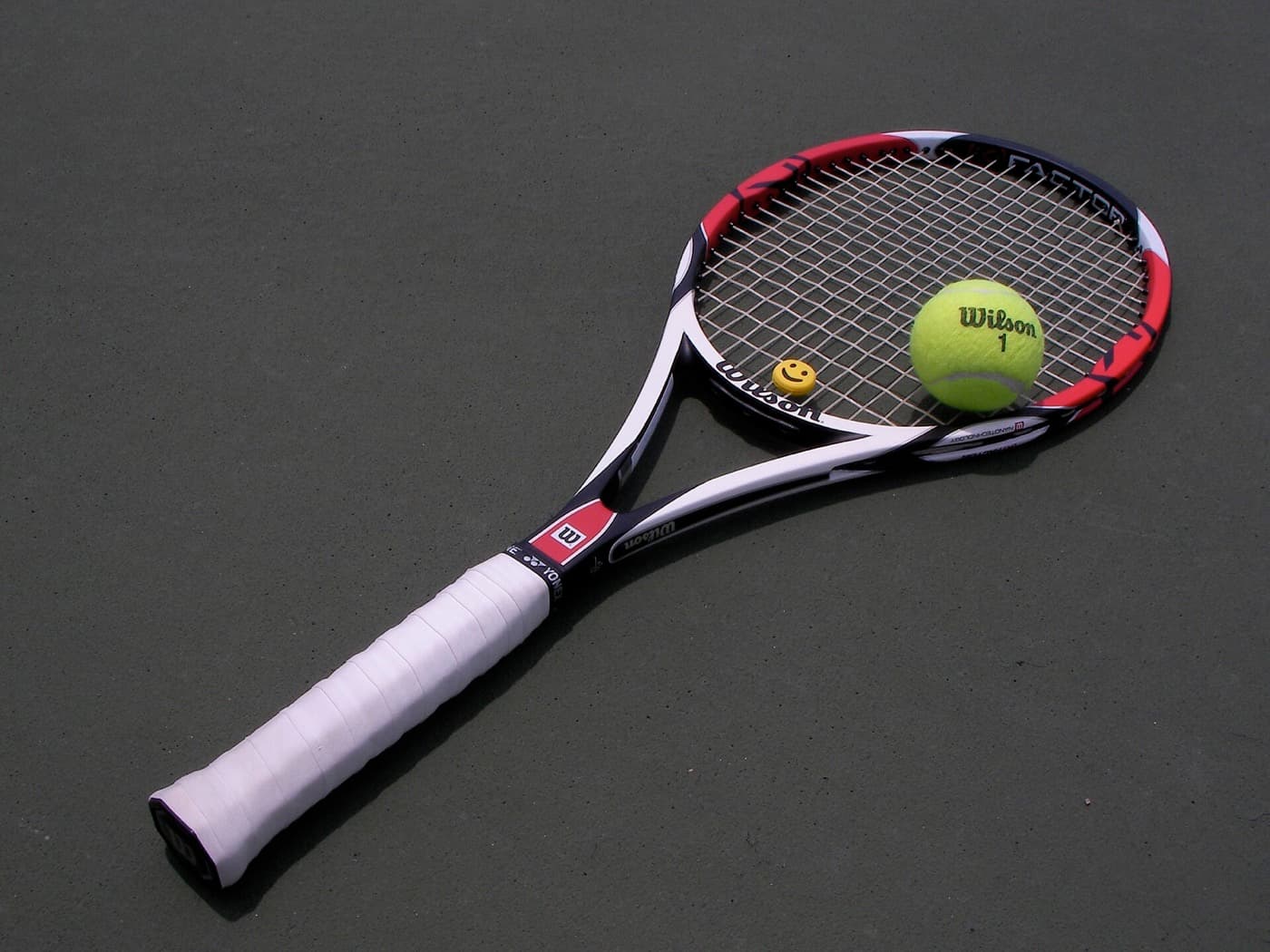
Tennis
A singles or doubles racquet sport that blends agility, strategy and stamina on court.
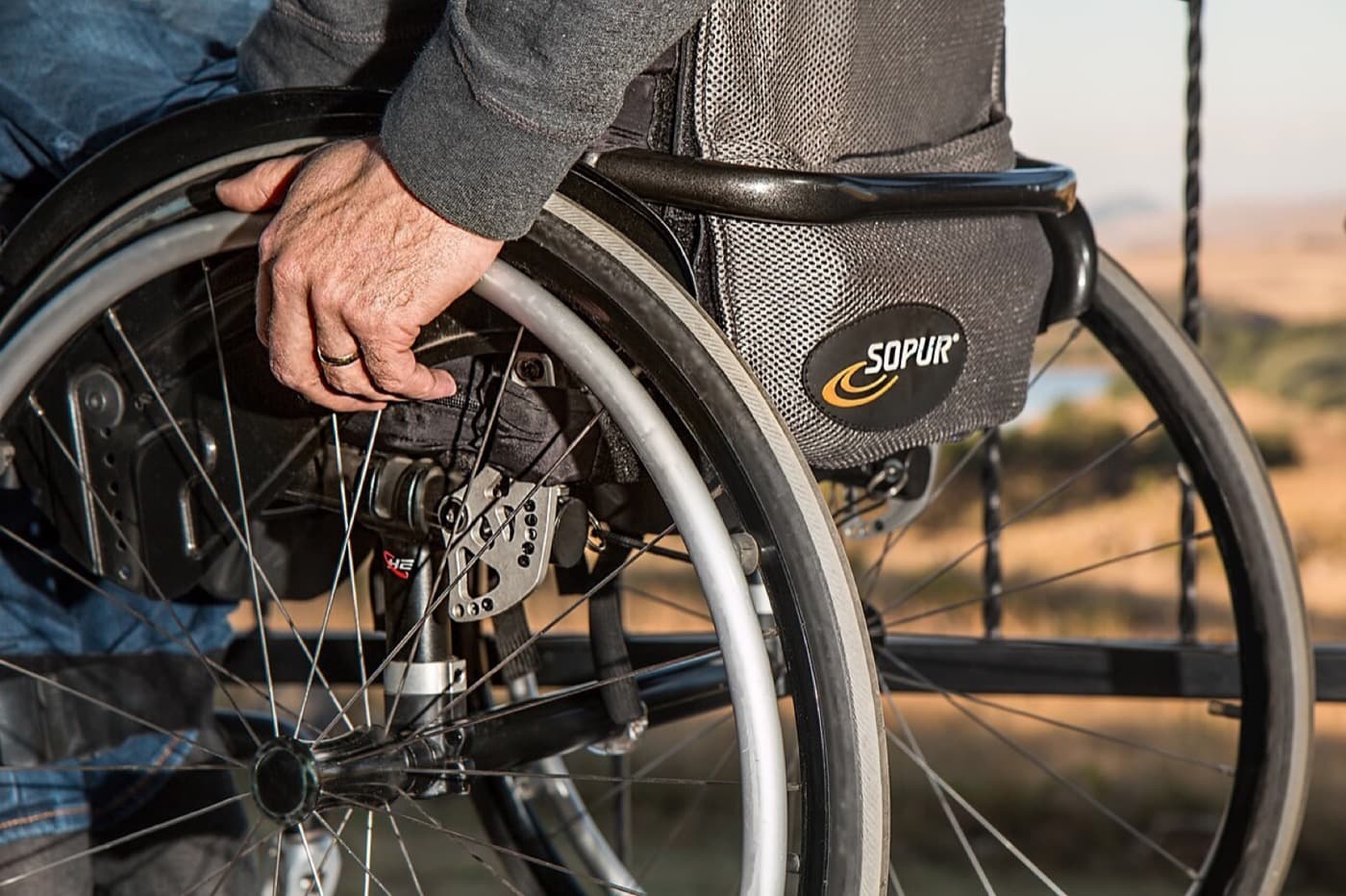
Cycling
A low-impact endurance sport that doubles as transport, exercise and adventure.

Running
The most accessible endurance sport — no venue, just shoes and the open road or trail.
Explore across the knowledge base
Follow the threads that connect Amateur to the rest of SocialSportHub.
Beginner guides
- How to Choose a Sport as a BeginnerA calm, practical way to pick a first sport that fits your interests, your body, your budget and your life — with full permission to try a few and change your mind.
- Venue and Club Etiquette for BeginnersA warm, practical guide to feeling at ease at a new sports venue or club — how to arrive, sign in, share the space, wait your turn, tidy up, and ask for help without any awkwardness.
- How to Join a Beginner Group or ClassA warm, practical walk-through of joining a beginner sports group or class — what they are like, how to find one, and what a first session tends to feel like.
- Spending Wisely as a BeginnerYou rarely need to buy much to start a new sport, because borrowing, hiring, taster sessions and a little patience let you learn what genuinely matters before you spend.
- Your First Informal Game or KickaboutA relaxed kickabout, hit or pick-up game is a genuine way into a sport — you learn by playing, the courtesies are simple, and nobody expects you to be good yet.
People
- Competitive athletesHow the platform fits someone who trains and plays to compete — structured, goal-directed preparation with coaching and recovery central.
- Recreational athletesHow the platform fits someone who plays regularly for enjoyment and fitness rather than competition — staying active, sociable and healthy through sport.
- Weekend athletesHow to enjoy recreational sport on weekends while staying comfortable and consistent through the week.
Experience levels
Knowledge Atlas
Go deeper with Amateur
Everywhere else on the platform that covers Amateur — assembled from what actually references it, so nothing here is a dead end.
Take it away
Open data and the whole-platform view of this subject.
How this page is maintained
- Content type
- Term
- Provenance
- Tier A — evergreen educational
- Verified external sources
- 0
- Content updated
- 2026-09-01
Evergreen, first-party explanation — it makes no claim that needs an external source. How we handle sources and reviews.