
Trial
An assessment session in which players are observed and tested so selectors can decide who to offer a place in a squad.
Definition
A trial is an organised opportunity for players to demonstrate their ability in front of coaches or selectors who are choosing a team, squad or academy intake. Trials may take the form of small-sided games, drills, fitness tests or full practice matches, and are common at every level from local youth clubs to professional academies and representative sides.
The purpose of a trial is to compare candidates under broadly equal conditions and identify those who best fit what the selectors are looking for. Because a single session can be an imperfect snapshot, many programmes run several trials or combine them with longer assessment periods before confirming selection.
Where you’ll hear “trial”
Sports that use this term:

Football
The world’s most popular team sport — endless running, teamwork and community in one game.
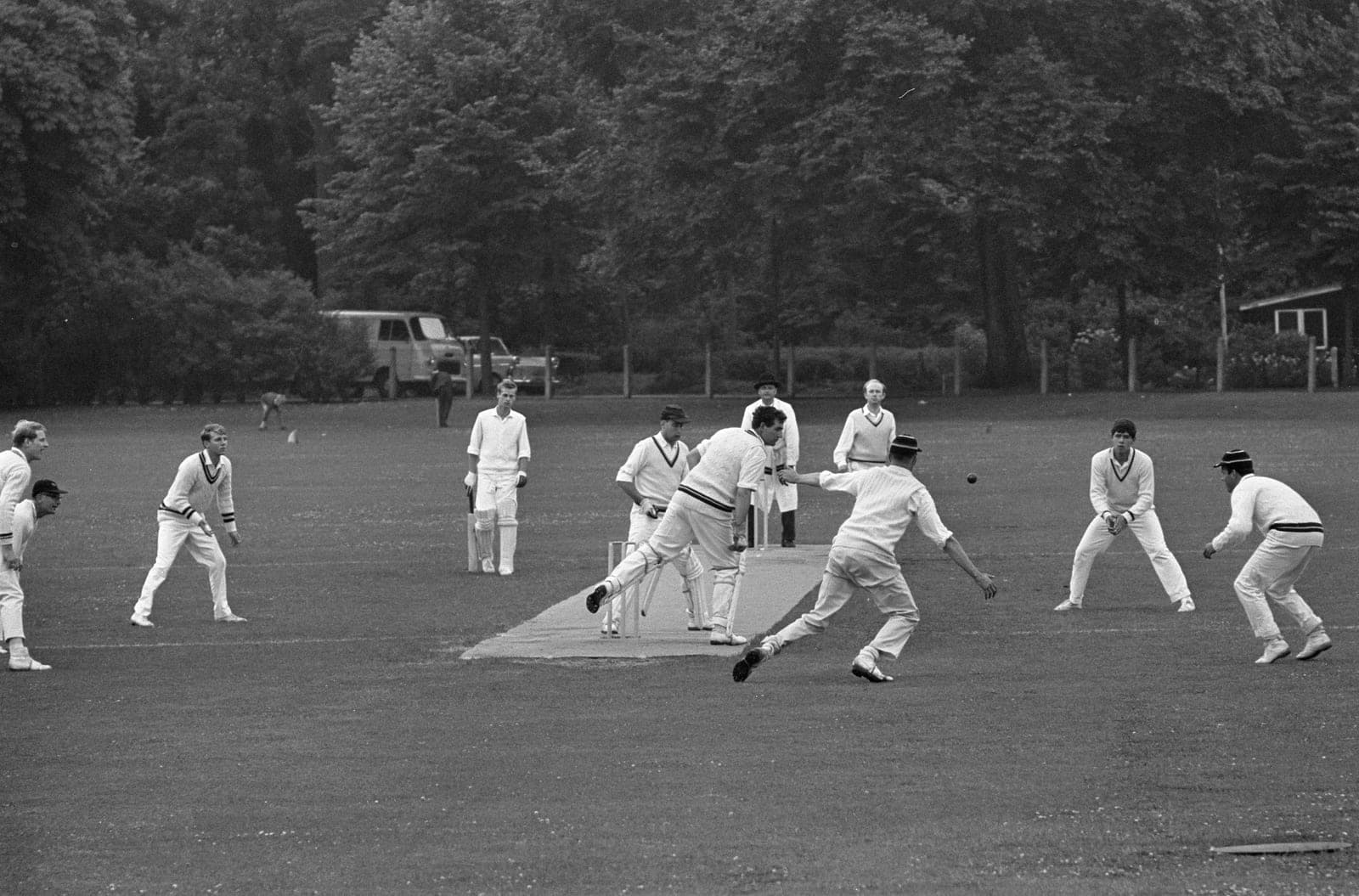
Cricket
A bat-and-ball team sport where sides take turns to bat and to bowl and field, scoring runs.
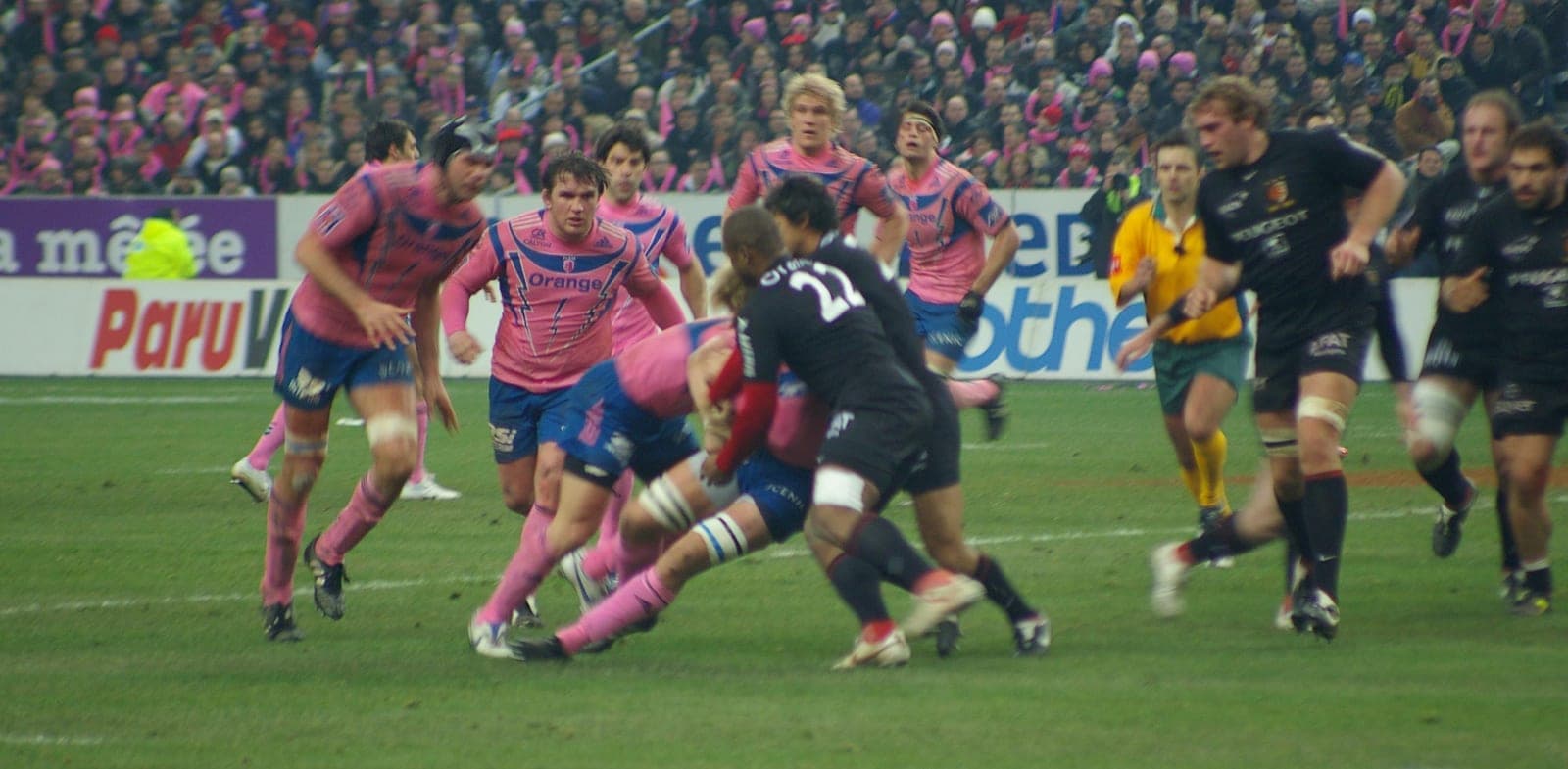
Rugby
A physical team sport of carrying, passing and kicking an oval ball toward the opposing line.

Basketball
A fast, dynamic team sport of running, jumping and quick decisions on court.

Tennis
A singles or doubles racquet sport that blends agility, strategy and stamina on court.
Explore across the knowledge base
Follow the threads that connect Trial to the rest of SocialSportHub.
Practice & sessions
- Team practicePractising with a full team — working on roles, patterns of play and communication so the group performs together, usually under a coach.
- Self-guided sessionA session you plan and run yourself, without a coach directing it — you decide the focus, set it up and rely on your own judgement.
Decision making
- Pass selectionChoosing which pass to play, and to whom, from the options a moment offers — weighing space, risk and what the team is trying to do.
- Shot selectionChoosing which shot to play from the options available — weighing the situation, the risk and what you are trying to achieve.
- Option recognitionSeeing what actions are actually available in a moment — the passes, shots or moves on offer — before choosing between them.
- Reading spaceSeeing where space is — and is not — on the field or court, and using it to decide where to move, pass or play.
Sport categories
Go deeper with Trial
Everywhere else on the platform that covers Trial — assembled from what actually references it, so nothing here is a dead end.
Take it away
Open data and the whole-platform view of this subject.
How this page is maintained
- Content type
- Term
- Provenance
- Tier A — evergreen educational
- Verified external sources
- 0
- Content updated
- 2026-09-01
Evergreen, first-party explanation — it makes no claim that needs an external source. How we handle sources and reviews.