
To compete
When the thrill of competition drives you, sports with clear contests, ladders and match play give you something to test yourself against.
Overview
For some people the draw of sport is the contest itself — testing yourself against an opponent, a clock or a standard, and the buzz of a close match. When competition is the motivation, it makes sense to choose sports with clear ways to compete: leagues, ladders, ranked play, races or match formats that give every session an edge.
Competition also sharpens improvement, because it gives your training a purpose and honest feedback on where you stand. Starting in a beginner division or friendly league lets you enjoy the contest without needing to win straight away.
What to look for
- Sports with matches, races and ladders give competition a clear outlet.
- A contest gives training purpose and honest feedback.
- Beginner divisions let you compete without needing to win first.
- The thrill of a close game is a strong reason to keep improving.
Getting started
- 1Choose a sport with an accessible competitive format near you.
- 2Start in a beginner or friendly division to find your level.
- 3Use match results to guide what you practise next.
- 4Keep it enjoyable — competition works best when it is still fun.
Sports that deliver it
Great places to start — each with a clear, beginner-friendly guide.
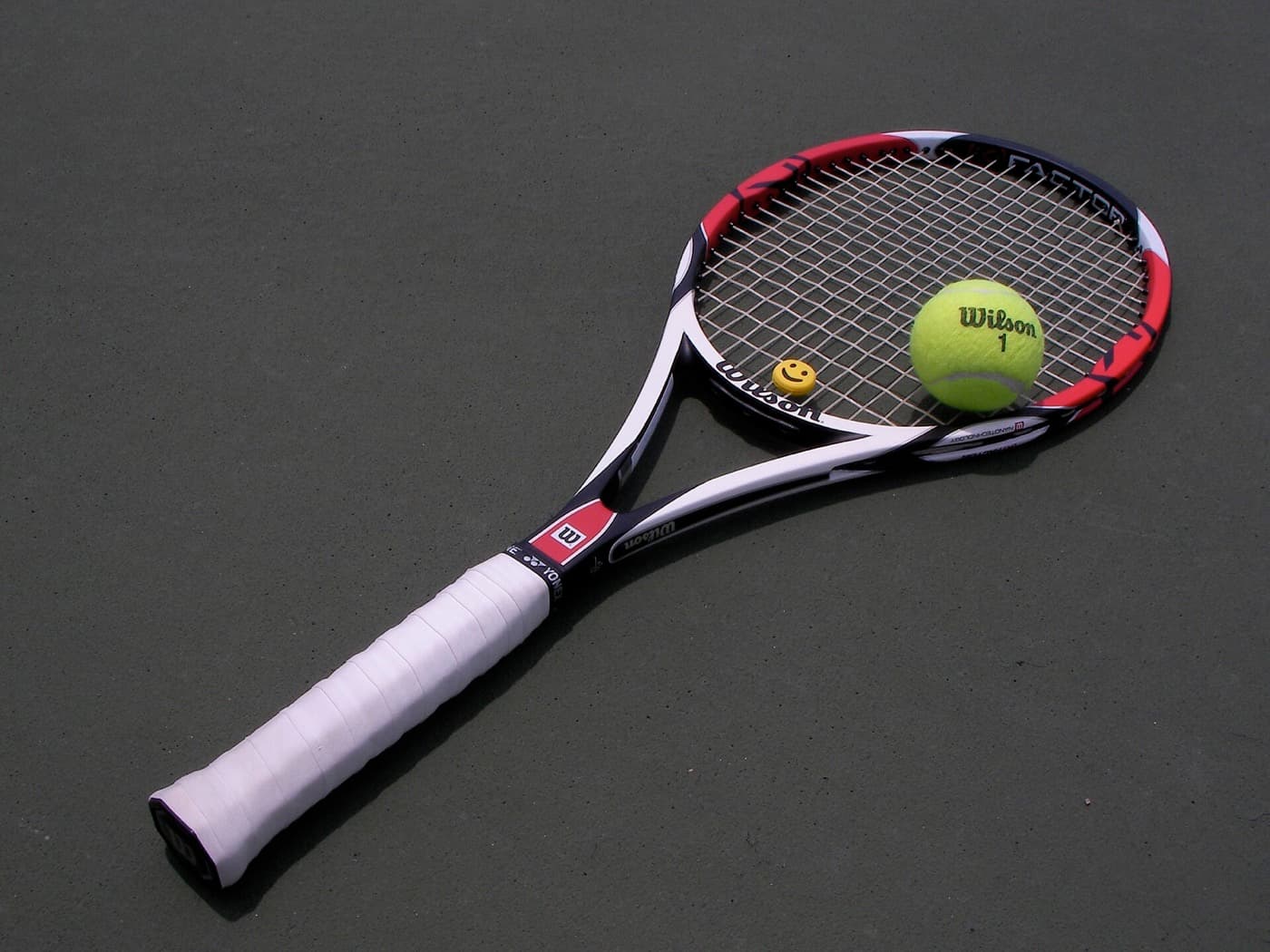
Tennis
A singles or doubles racquet sport that blends agility, strategy and stamina on court.
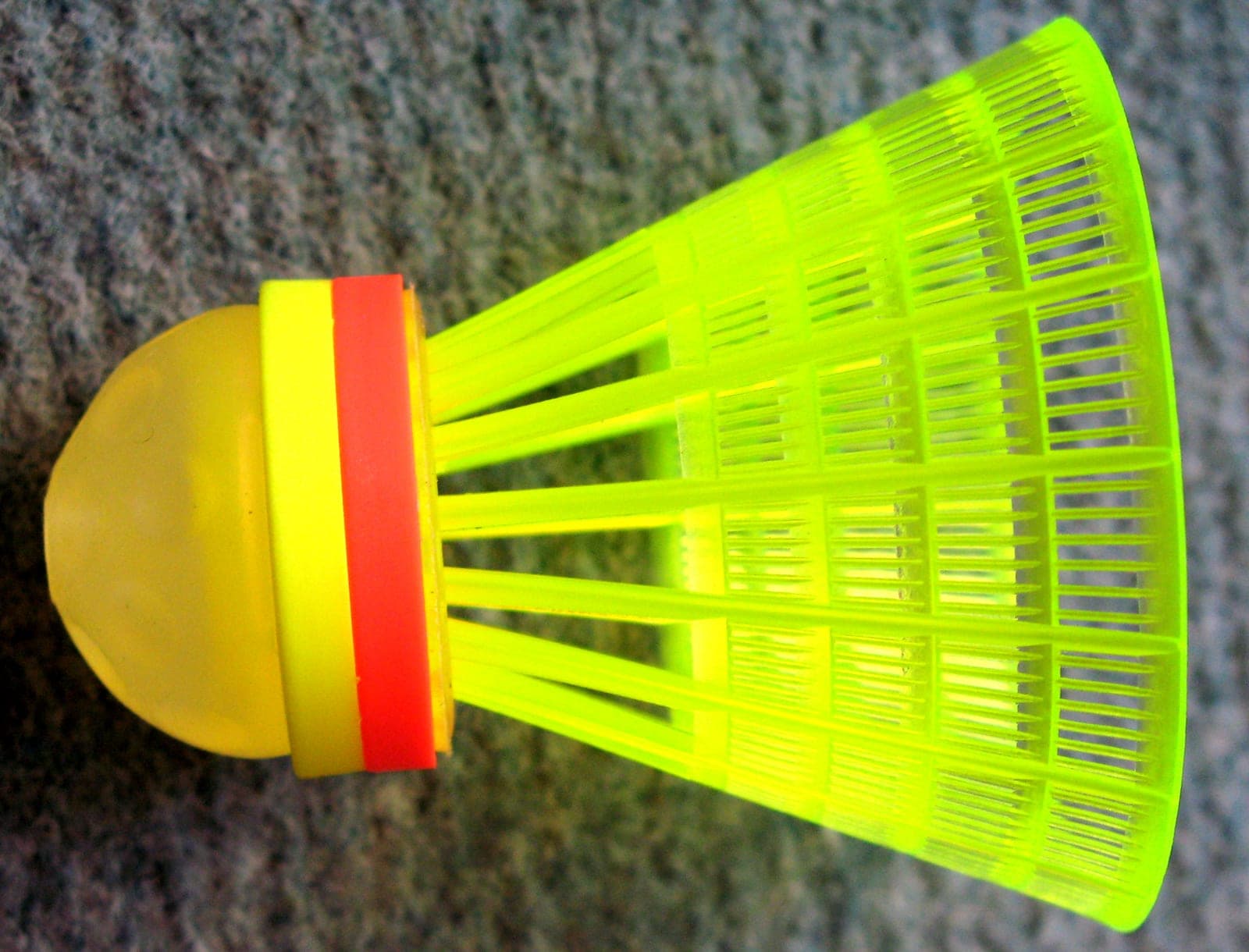
Badminton
A fast indoor racquet sport played with a shuttlecock that rewards agility and touch.
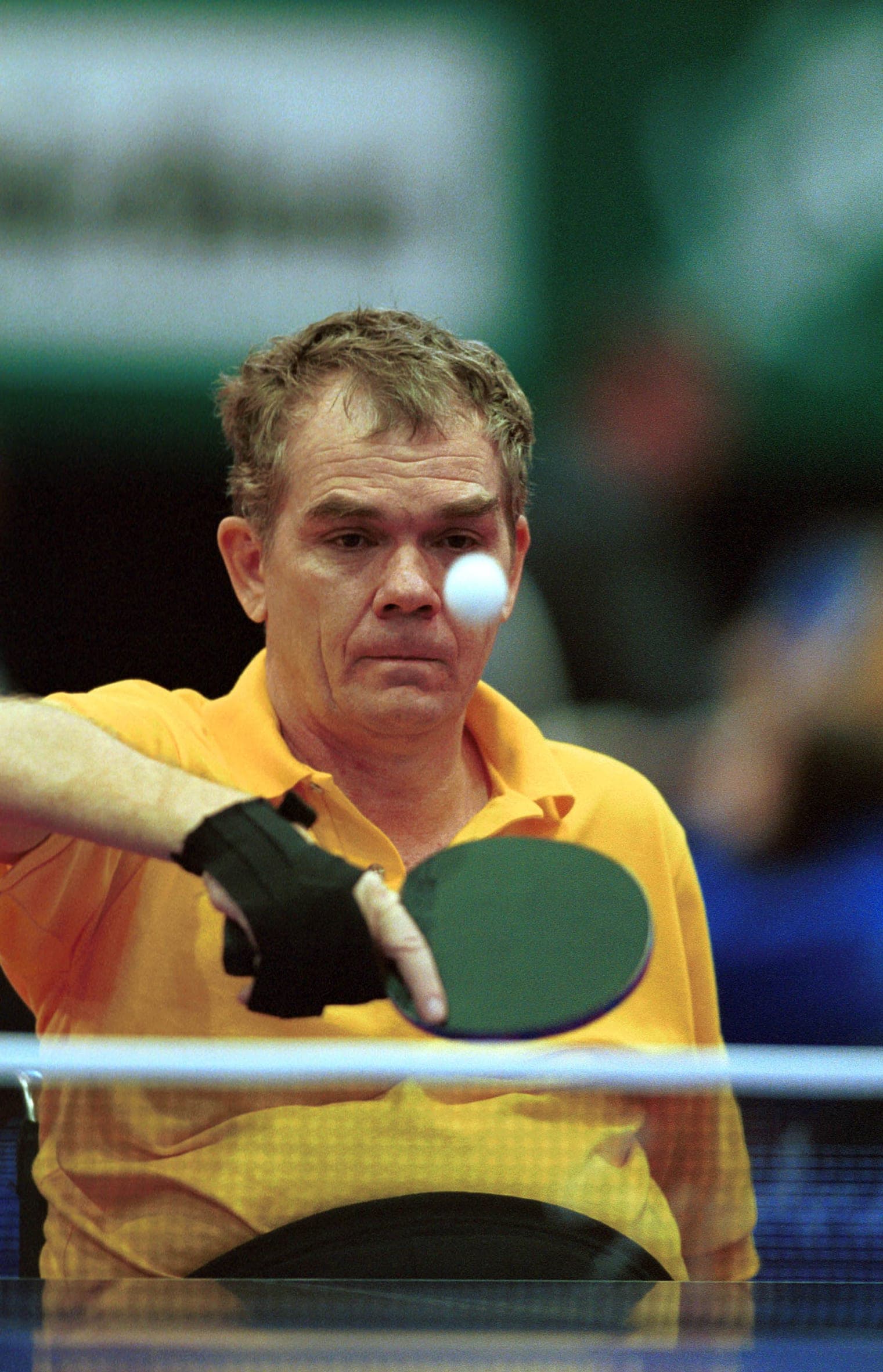
Table Tennis
A fast, low-impact indoor racquet sport that sharpens reflexes and is easy to start.
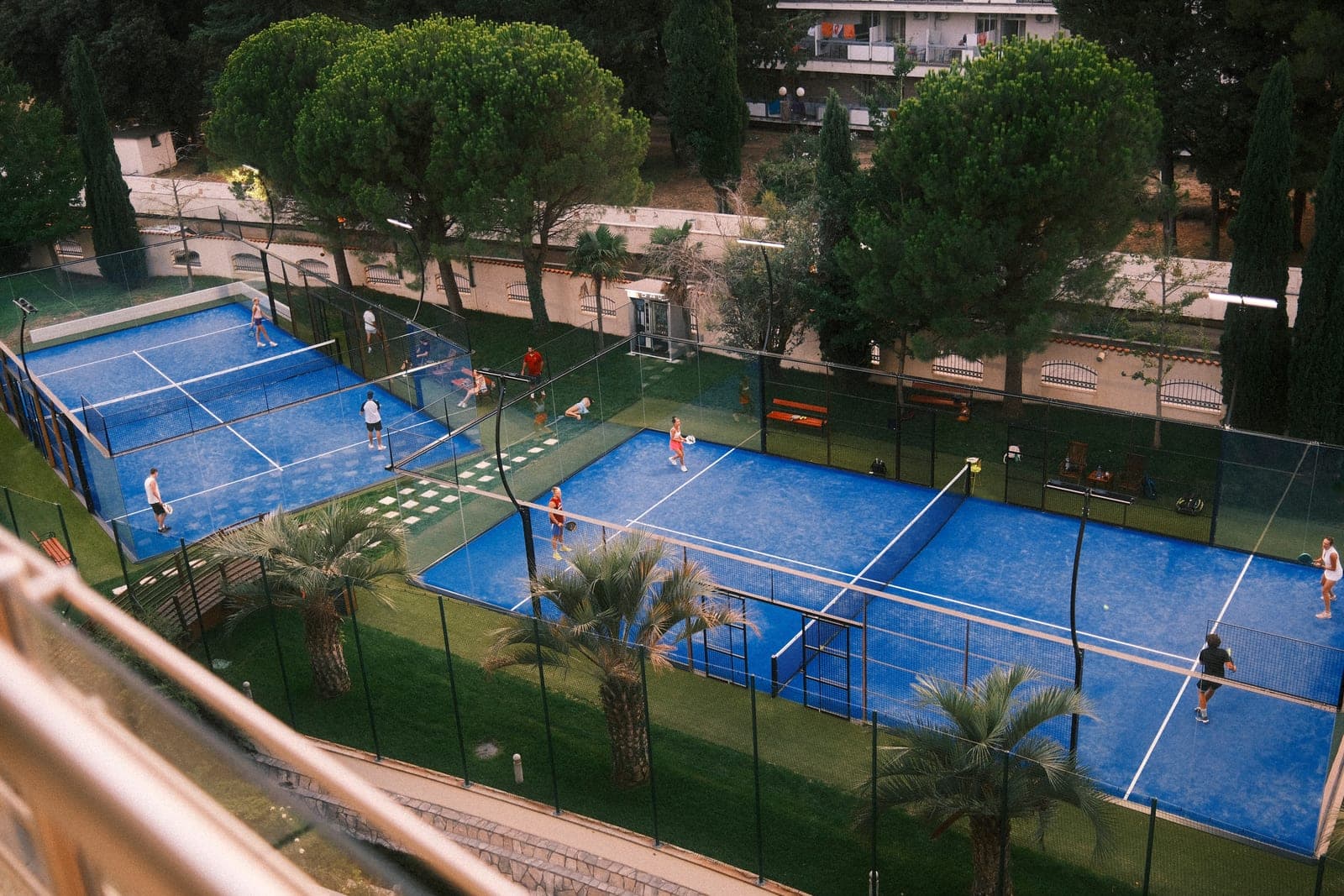
Padel
A sociable, doubles-first racquet sport played in an enclosed court where the walls stay in play.
Football
The world’s most popular team sport — endless running, teamwork and community in one game.

Running
The most accessible endurance sport — no venue, just shoes and the open road or trail.
Goals that fit
Improve reaction speed
Respond faster to what you see, hear and feel by training with fast, unpredictable activities and drills.
Improve fitness
Build well-rounded fitness — stamina, strength and more — through regular, varied activity you can keep up.
Return to sport
Easing back into activity after time away, a long break or a period off through injury.
Discipline
Build consistency, focus and self-discipline through the routines that sport and training encourage.
Ways to train
Exercises and methods that fit — educational, not a prescription.
Plyometrics
Plyometrics are jumping and bounding drills that train muscles to produce force quickly, developing power and springiness through explosive movement.
Jump squat
An explosive squat variation where you spring off the floor at the top of the movement.
High knees
A running-in-place cardio drill where you lift the knees high with a quick rhythm.
Interval Training
Interval training alternates short bursts of harder effort with easier recovery periods, letting you accumulate more quality work than a single continuous push.
High-Intensity Interval Training (HIIT)
High-intensity interval training, or HIIT, packs short, hard efforts against brief recoveries into a compact session, making it a time-efficient way to train.
Fartlek
Fartlek — Swedish for 'speed play' — mixes faster and easier efforts freely and by feel within one continuous session, blending steady and interval work.
Frequently asked questions
What sports are good if I want to compete?
Sports with clear competitive formats — racket sports, team leagues and races — give you something to test yourself against every session. Starting in a beginner or friendly division lets you enjoy the contest while you find your level.
Explore across the knowledge base
Follow the threads that connect To compete to the rest of SocialSportHub.
People
- Competitive athletesHow the platform fits someone who trains and plays to compete — structured, goal-directed preparation with coaching and recovery central.
- Recreational athletesHow the platform fits someone who plays regularly for enjoyment and fitness rather than competition — staying active, sociable and healthy through sport.
Experience levels
Coaching concepts
- Deliberate PracticeFocused, effortful practice that targets a specific weakness with full attention and immediate feedback — not just repeating what you already do well.
- Decision-Making PracticeTraining athletes to read cues and choose the right action under pressure — coupling perception to action, not just rehearsing physical technique in isolation.
How this page is maintained
- Content type
- Your why
- Provenance
- Tier A — evergreen educational
- Verified external sources
- 0
- Content updated
- 2026-07-09
Evergreen, first-party explanation — it makes no claim that needs an external source. How we handle sources and reviews.