
Skill-development session
A session built around learning and improving a skill over time — acquiring it, refining it and making it more reliable.
Overview
A skill-development session is organised around the process of learning a skill: introducing it, building it up and making it steadily more consistent and adaptable. It is a broad, forward-looking focus — less about a single perfect rep and more about the longer arc of getting better, which usually means varied, purposeful practice rather than only mechanical drilling.
Exactly how a skill is best developed varies by sport, level, coach and the person learning, so there is no universal recipe — a typical shape might mix focused repetition with more varied, game-like practice so the skill holds up under real conditions. This page describes the format as education, not a training plan.
Purpose & structure
- Built around learning and improving a skill over time — acquiring, refining and making it reliable.
- Tends to blend focused repetition with varied, game-like practice so the skill transfers to real play.
- Clear goals and quality feedback help direct the effort where it counts.
- Often progresses over many sessions rather than being "finished" in one.
- How best to develop a skill varies by sport, level, coach and learner — this is the idea, not a set plan.
Who it’s for
- Anyone building a new skill or trying to make an existing one more dependable, at any level.
- Beginners especially, who are laying the foundations that later play is built on.
- It grows individual skills, but does not replace tactics, competition or a coach's feedback on your progress.
A format, not a plan
Sports it suits
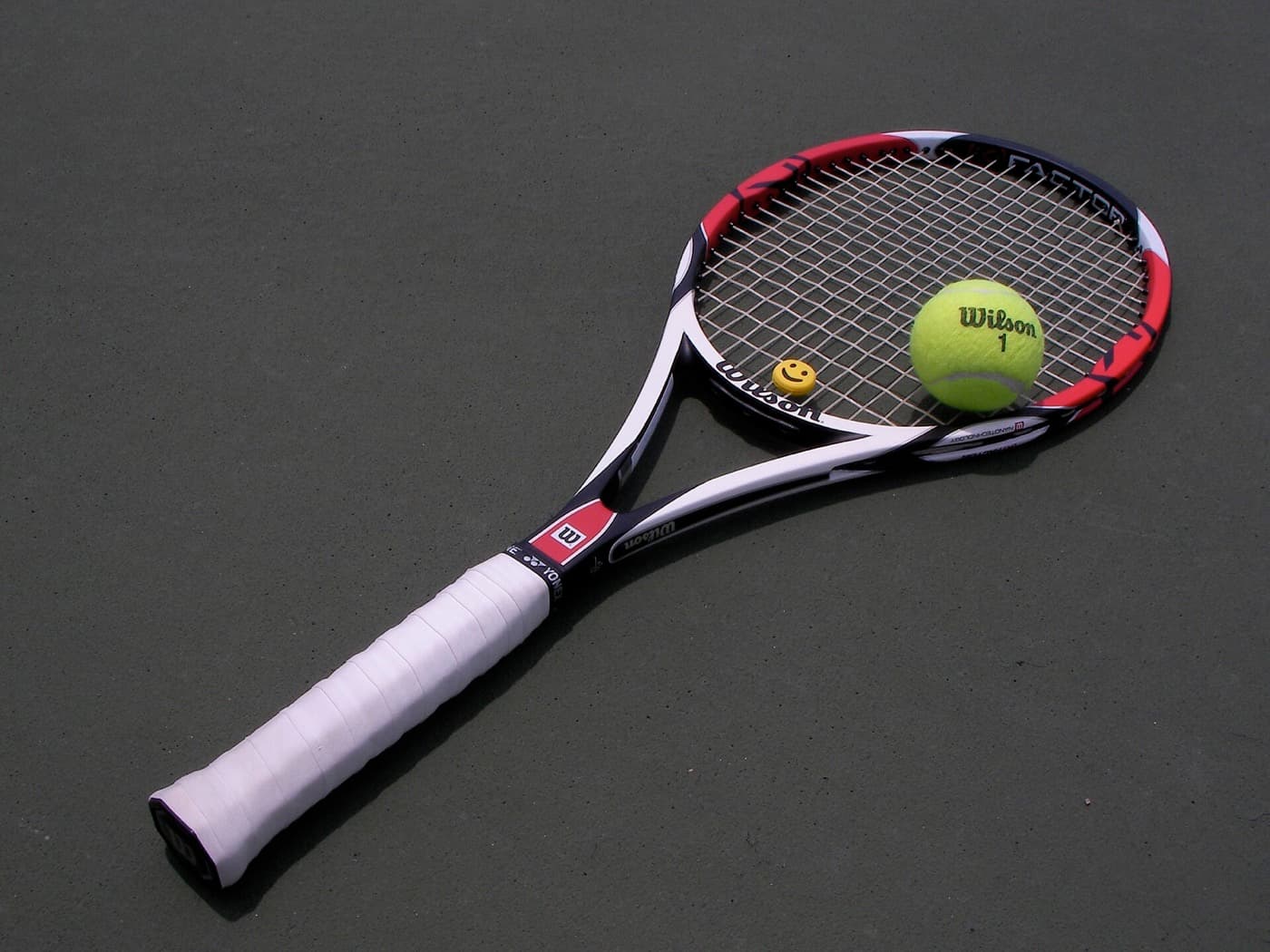
Tennis
A singles or doubles racquet sport that blends agility, strategy and stamina on court.
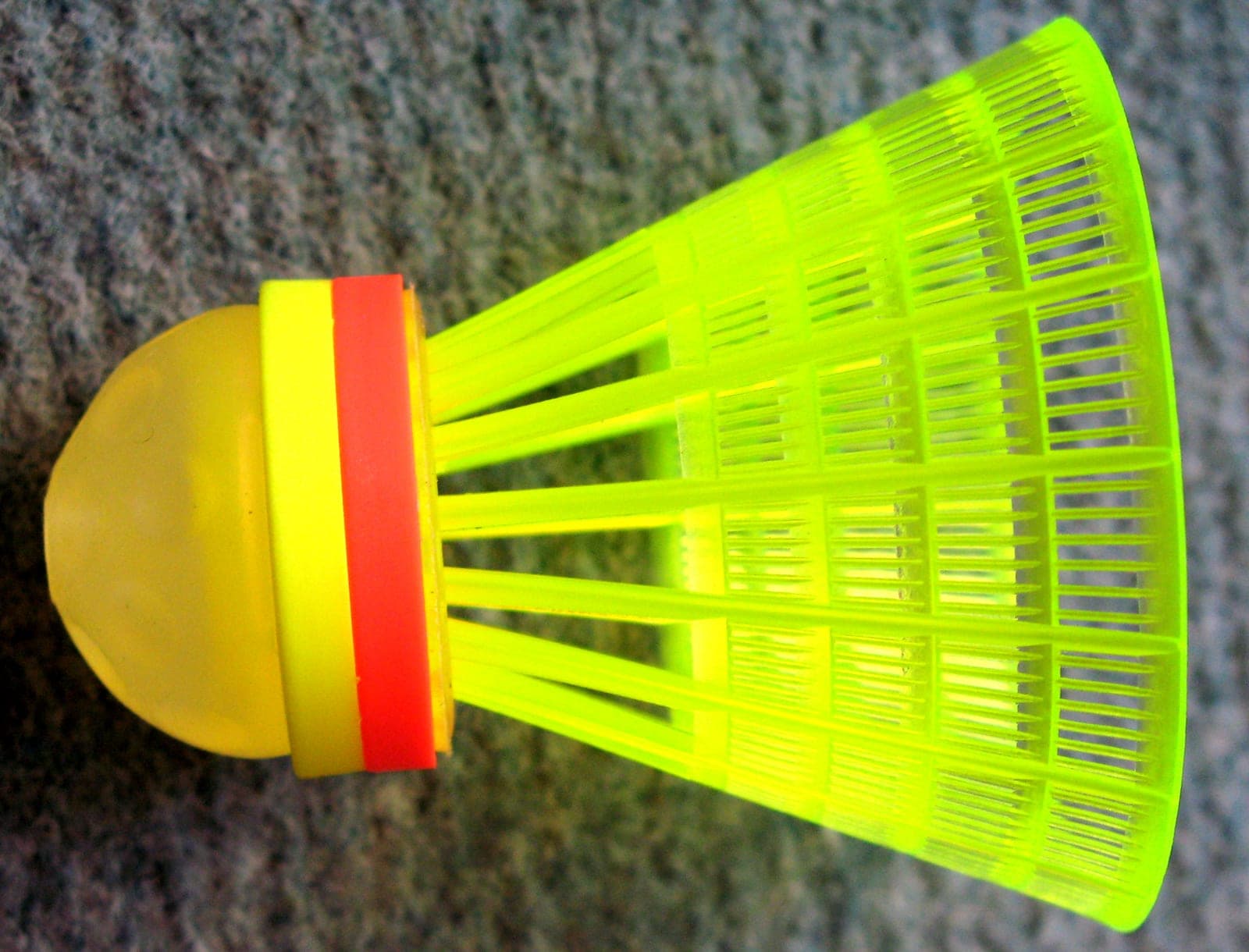
Badminton
A fast indoor racquet sport played with a shuttlecock that rewards agility and touch.

Basketball
A fast, dynamic team sport of running, jumping and quick decisions on court.
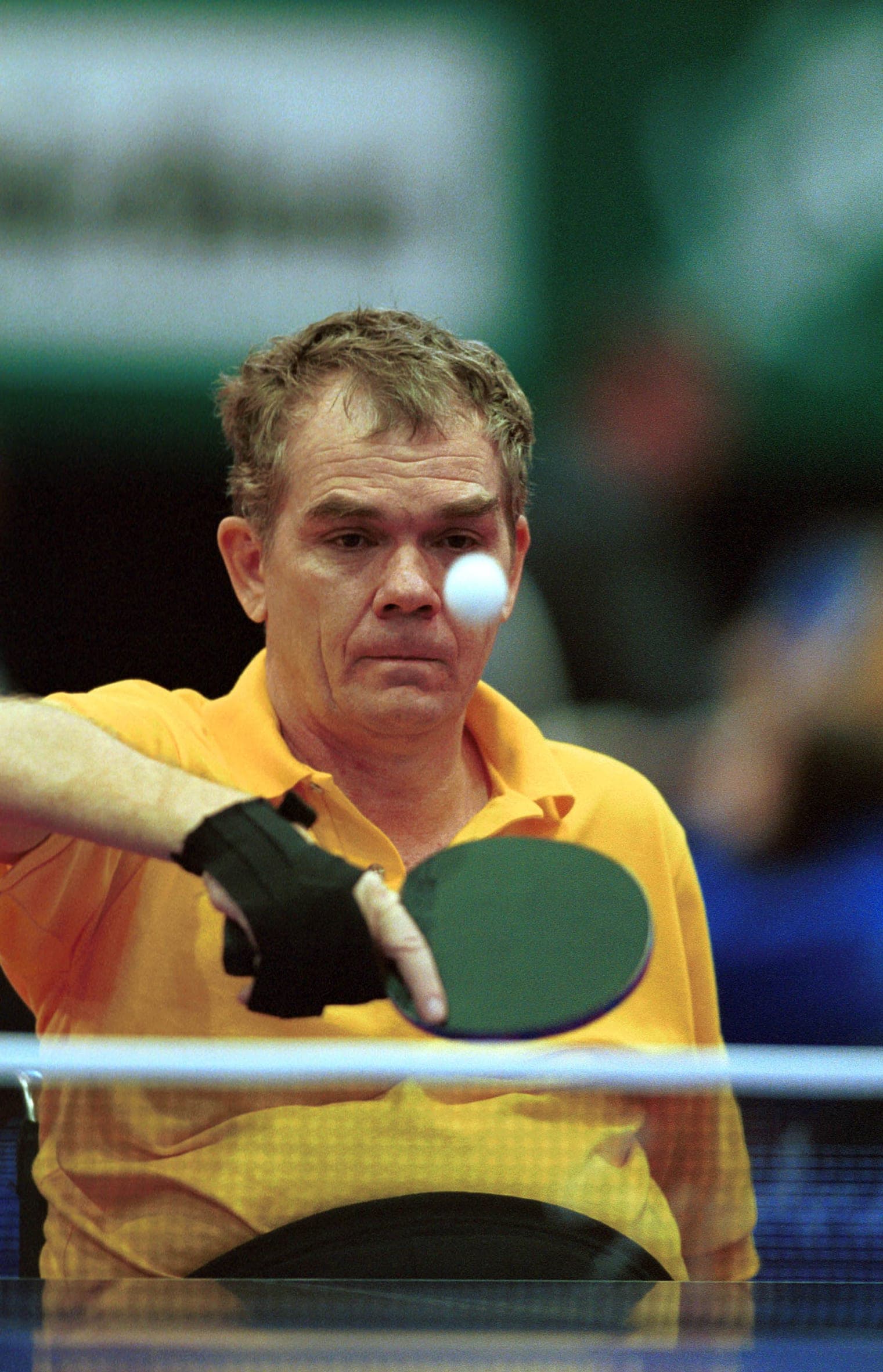
Table Tennis
A fast, low-impact indoor racquet sport that sharpens reflexes and is easy to start.
Frequently asked questions
How is a skill-development session different from a technical session?
They overlap heavily and coaches use the terms loosely. A technical session tends to zoom in on the mechanics of one movement in a given session, while skill-development describes the wider, longer process of acquiring and refining a skill across many sessions. Treat the line between them as blurry rather than strict.
Explore across the knowledge base
Follow the threads that connect Skill-development session to the rest of SocialSportHub.
Coaching concepts
- Skill acquisitionHow a movement or sports skill is learned — progressing from conscious, effortful control to smooth, largely automatic execution through practice and feedback.
- Practice VariabilityVarying practice conditions — spacing, interleaving skills and changing situations — to build adaptable, durable skill, even when it feels harder day to day.
- Deliberate PracticeFocused, effortful practice that targets a specific weakness with full attention and immediate feedback — not just repeating what you already do well.
- Session StructureHow a practice session is organised into phases — warm-up, main focus, game application and cool-down — so time is used well and learning sticks.
- ProgressionBuilding skill and training load in gradual, manageable steps so each stage prepares the next, moving from simple to complex and easy to hard.
Skills
- FootworkThe skill of moving efficiently around the playing area to be in position for each shot or action.
- RallyingThe skill of exchanging shots back and forth to build and win a point.
- ReboundingThe basketball skill of gaining the ball after a missed shot — positioning and timing decide it far more often than pure jumping height.
- BalanceThe skill of keeping the body stable and controlled while still or moving.
- ThrowingThe skill of propelling the ball accurately and with control using the arm.
Training methods
- Progressive OverloadProgressive overload is the principle of gradually increasing the demand you place on your body so it keeps adapting and improving over time.
- High-Intensity Interval Training (HIIT)High-intensity interval training, or HIIT, packs short, hard efforts against brief recoveries into a compact session, making it a time-efficient way to train.
- PlyometricsPlyometrics are jumping and bounding drills that train muscles to produce force quickly, developing power and springiness through explosive movement.
- Circuit TrainingCircuit training moves you through a series of stations back to back with little rest, blending strength and cardio into one time-efficient session.
Sports science
- Motor learningThe process by which practice and experience produce lasting improvements in how well a movement skill can be performed.
- Training adaptationThe process by which the body changes in response to repeated training — the underlying reason exercise makes you fitter, stronger or more skilful over time.
- The learning curveThe typical pattern in which a new skill improves quickly at first and then more slowly as it develops.
- Force and powerThe difference between how much force the body can produce and how quickly it can produce it — the mechanics behind strength and explosiveness.
How this page is maintained
- Content type
- Session type
- Provenance
- Tier A — evergreen educational
- Verified external sources
- 0
- Content updated
- 2026-07-12
Evergreen, first-party explanation — it makes no claim that needs an external source. How we handle sources and reviews.