
Transfer of Training
Whether practice carries over to real performance — and why game-like, varied practice tends to transfer better than isolated, repetitive drills.
Overview
Transfer of training is the idea that the real point of practice is not to get good at practice, but to perform better in the actual game, match or event. A skill has "transferred" when the improvement you built in training shows up where it counts — under real timing, opponents, pressure and decisions. Coaches use the concept to judge whether a drill is genuinely worth the time, or whether it only makes players look sharp in a setting that never appears in competition.
A long-standing coaching principle is that practice tends to transfer better the more it resembles the demands of the real thing. Practice that keeps the game's key decisions, cues, spacing and unpredictability tends to carry over more than drills that strip those elements away. Varying the conditions — mixing situations rather than grooving one action over and over — often feels harder and slower in the moment, yet tends to produce skills that hold up when the situation keeps changing. The catch is that neat, repetitive drilling can create fast, tidy gains within a session that do not always survive the messiness of competition, so what looks like progress in training is not always the progress that matters.
In practice
- Transfer describes how much a practised skill actually appears in the real setting — the aim of practice is performance, not practice itself.
- Practice that keeps the game's decisions, timing, cues and pressure tends to carry over more than drills stripped of that context.
- Mixing situations and varying the conditions usually feels harder and less polished in the session, yet tends to build skills that hold up when demands keep shifting.
- Blocked, repetitive drilling can produce quick, tidy improvement in training that does not always survive the unpredictability of competition.
- Closed, self-paced skills transfer differently from open, reactive ones, so how game-like practice needs to be depends on the skill involved.
A note on this information
What it applies to
Transfer of Training shapes how you develop these across the platform.
Techniques
Strategies
Training methods
For people
Sports where it matters
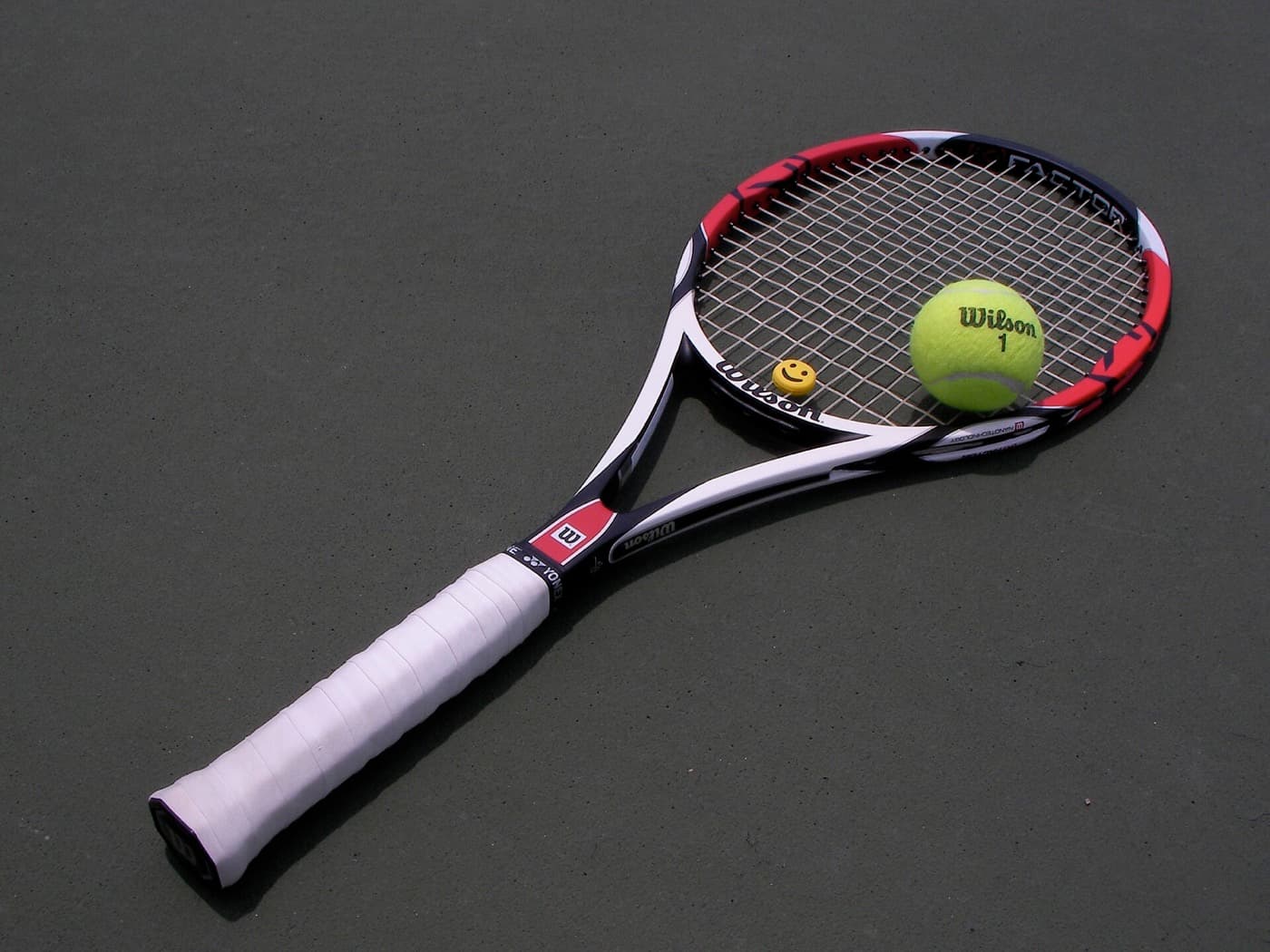
Tennis
A singles or doubles racquet sport that blends agility, strategy and stamina on court.
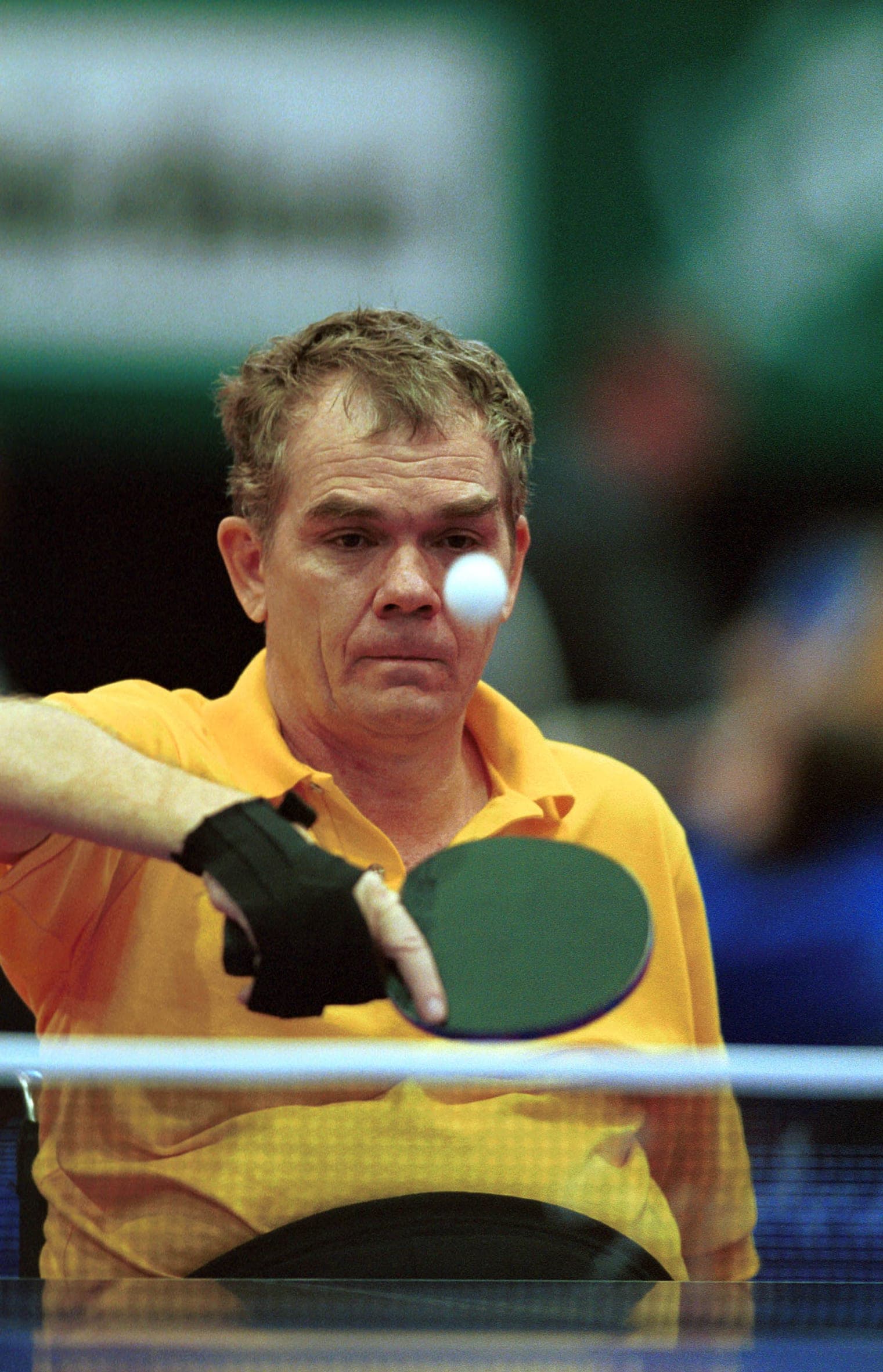
Table Tennis
A fast, low-impact indoor racquet sport that sharpens reflexes and is easy to start.
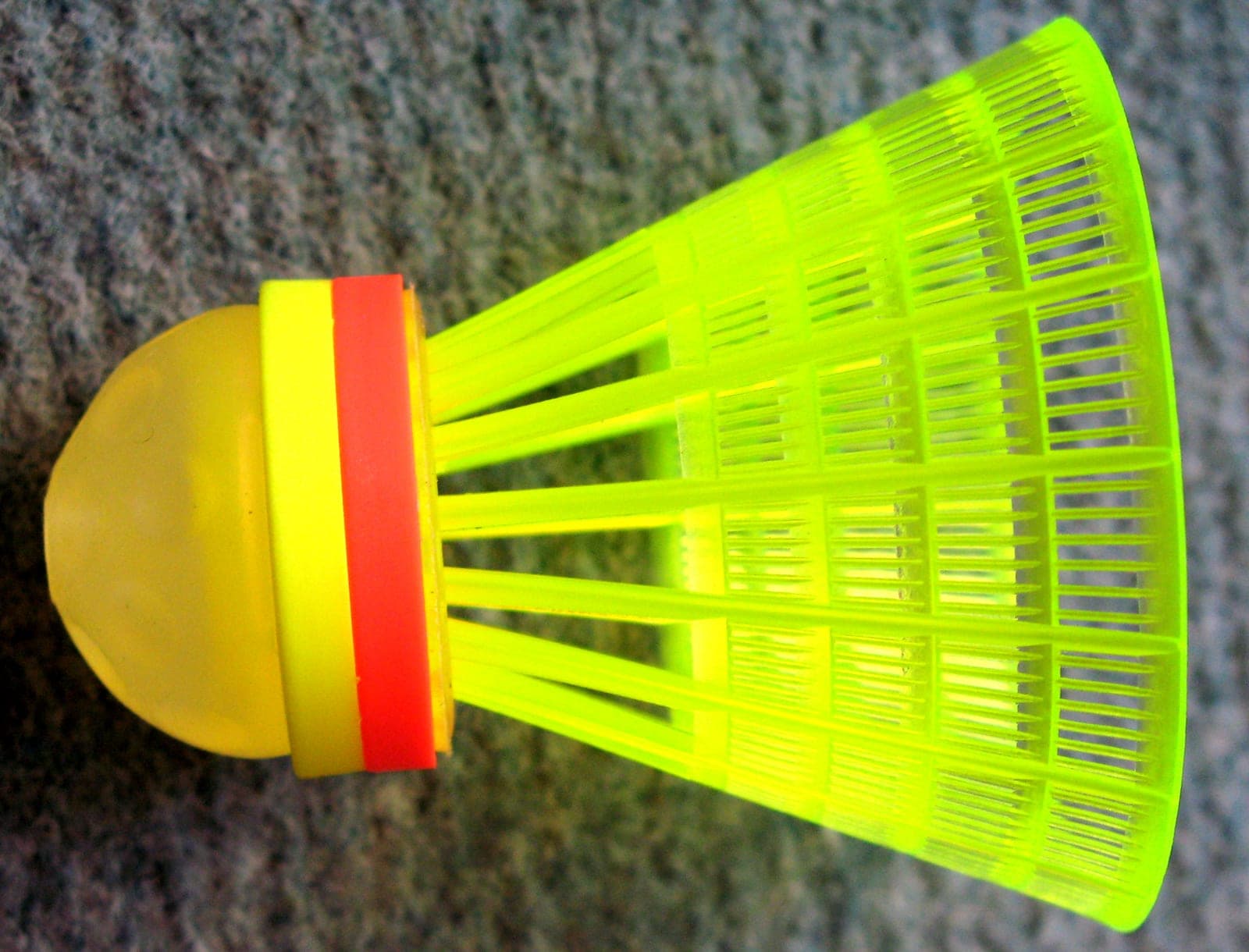
Badminton
A fast indoor racquet sport played with a shuttlecock that rewards agility and touch.
Squash
A fast, high-intensity indoor racquet sport played inside an enclosed court where the walls stay in play.

Football
The world’s most popular team sport — endless running, teamwork and community in one game.
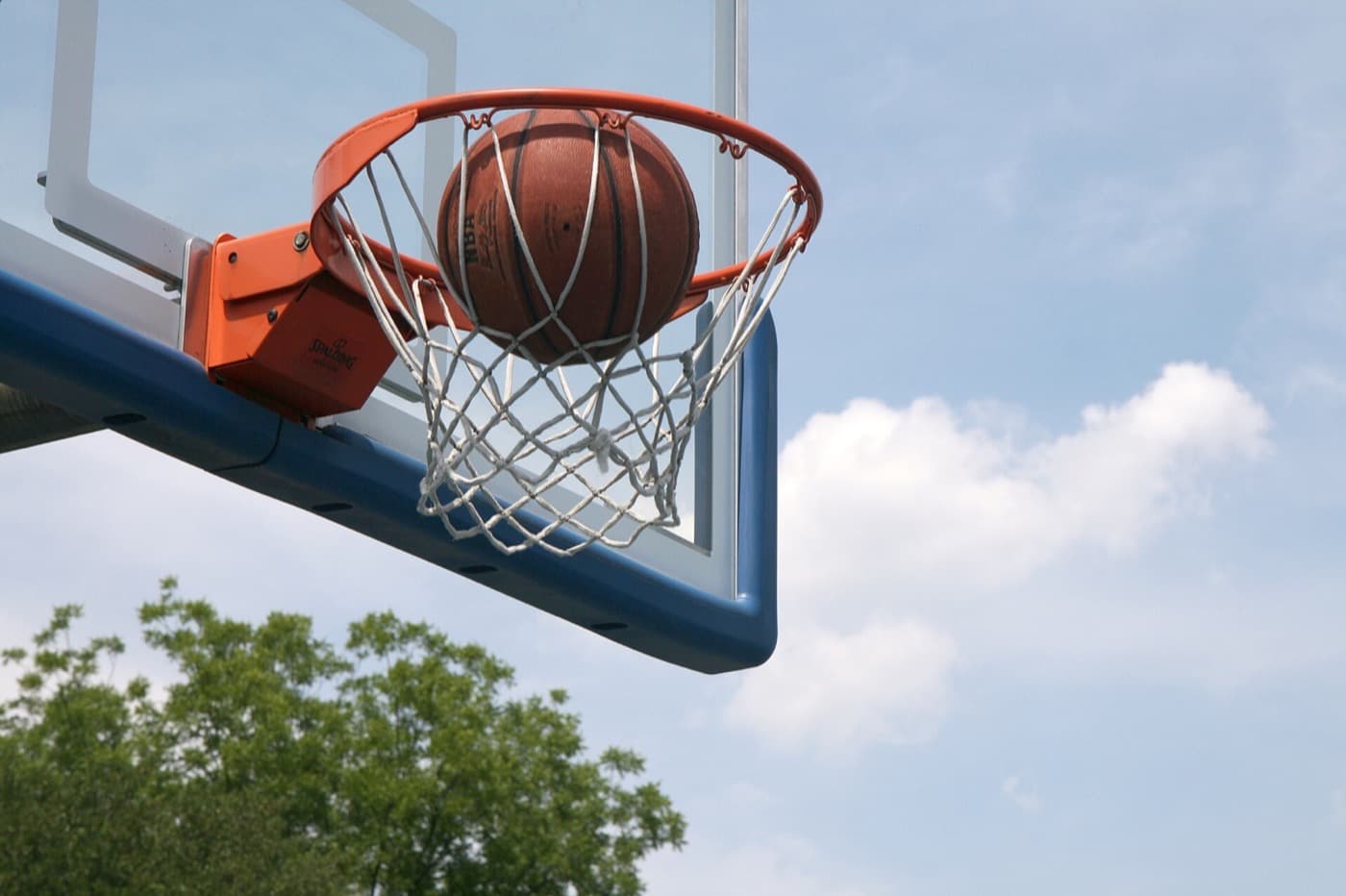
Basketball
A fast, dynamic team sport of running, jumping and quick decisions on court.
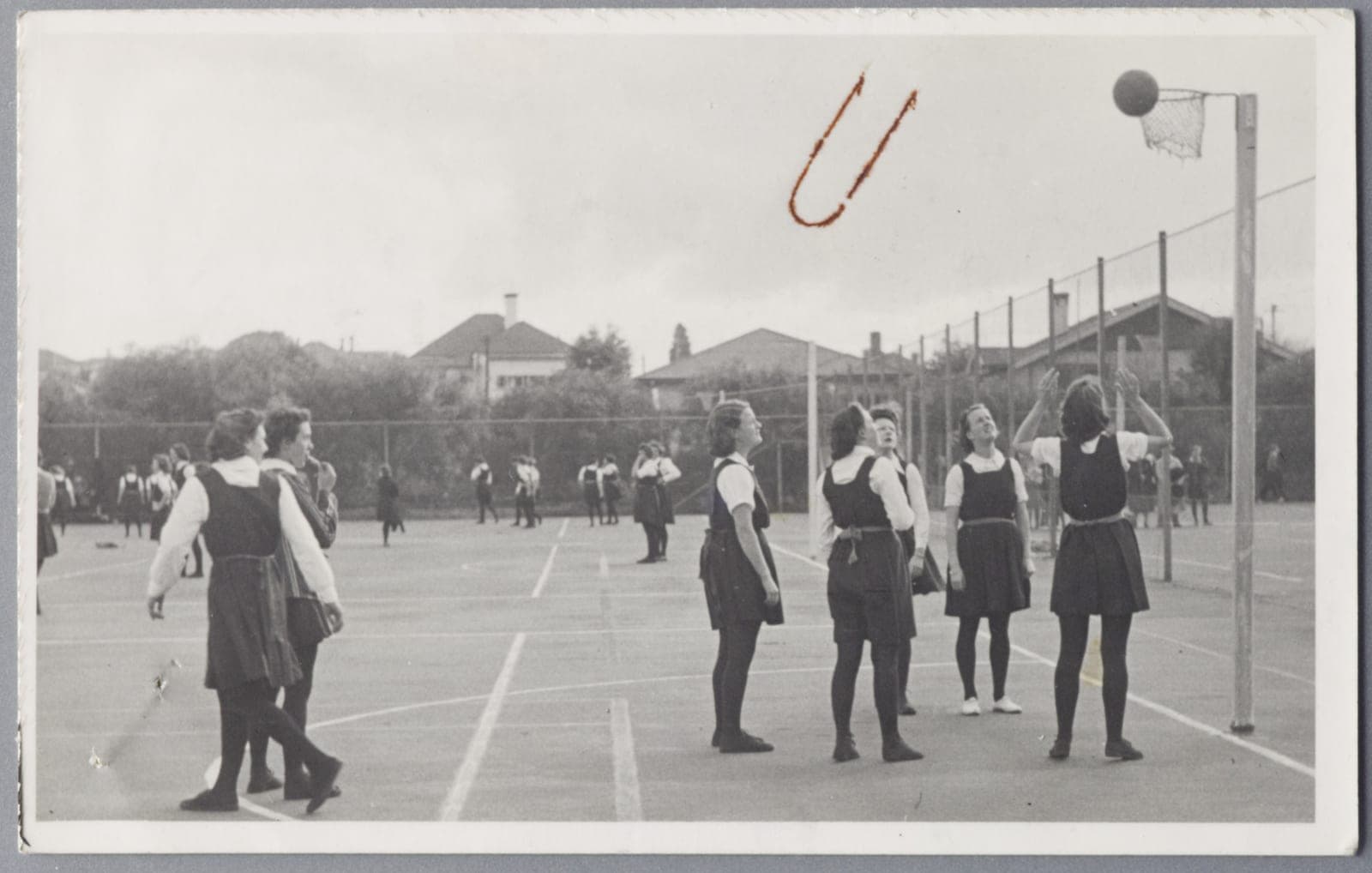
Netball
A non-contact, position-based team sport of quick passing and accurate shooting.
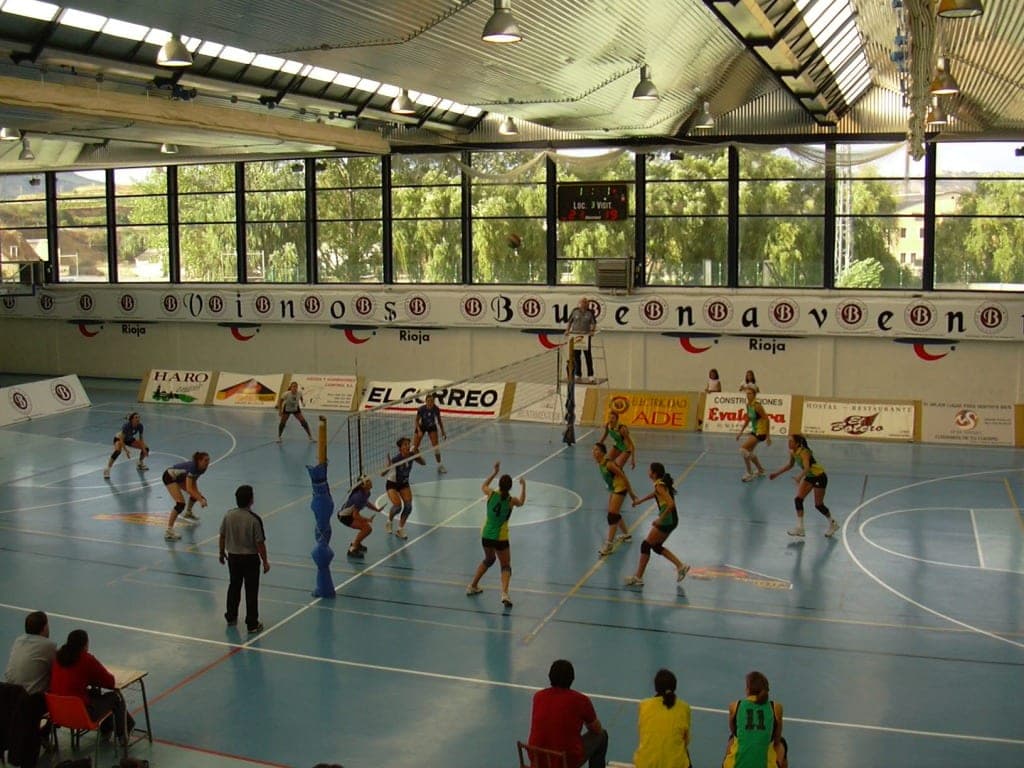
Volleyball
A non-contact team sport of rallies, jumps and teamwork — indoors or on the beach.
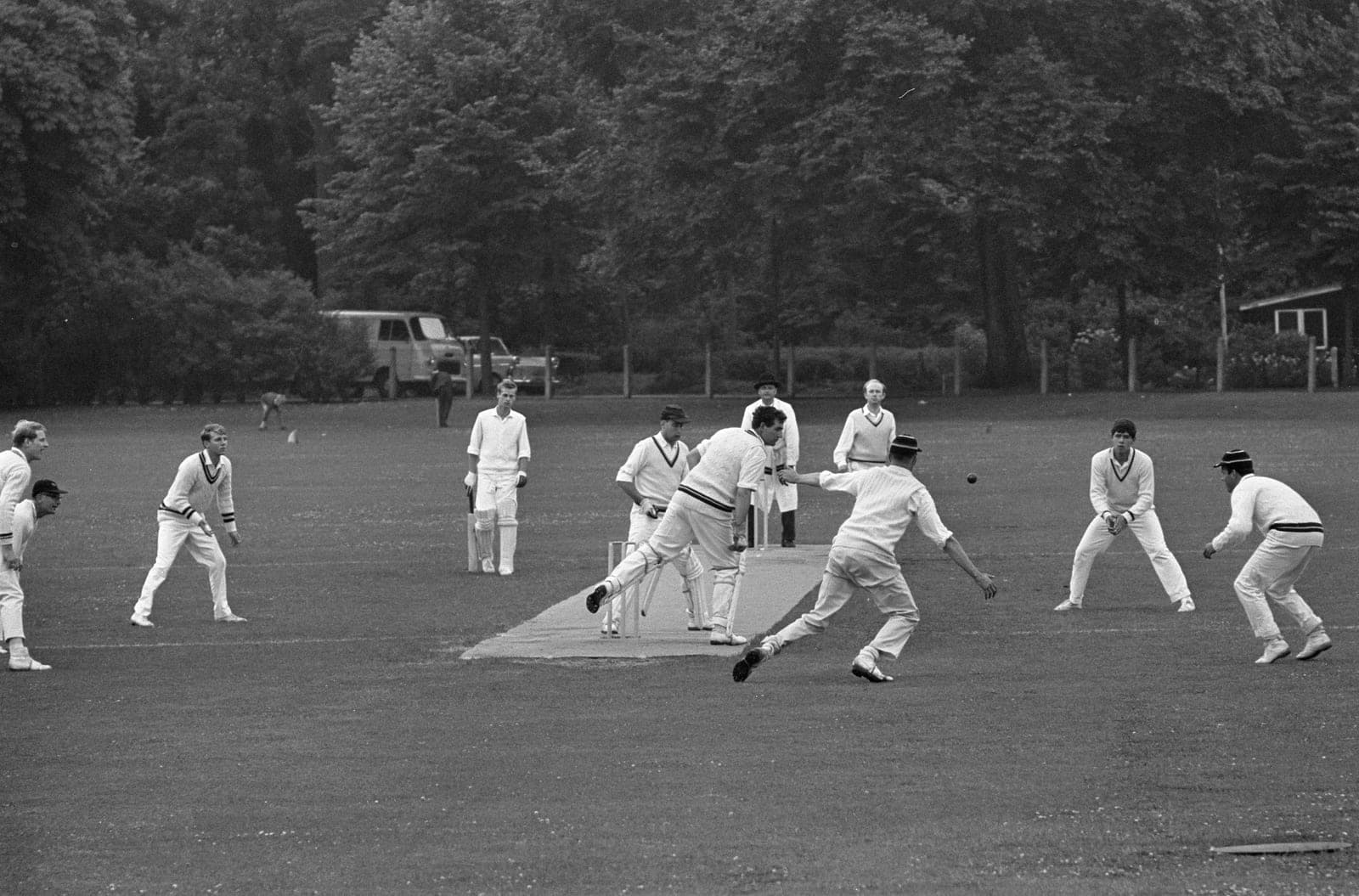
Cricket
A bat-and-ball team sport where sides take turns to bat and to bowl and field, scoring runs.
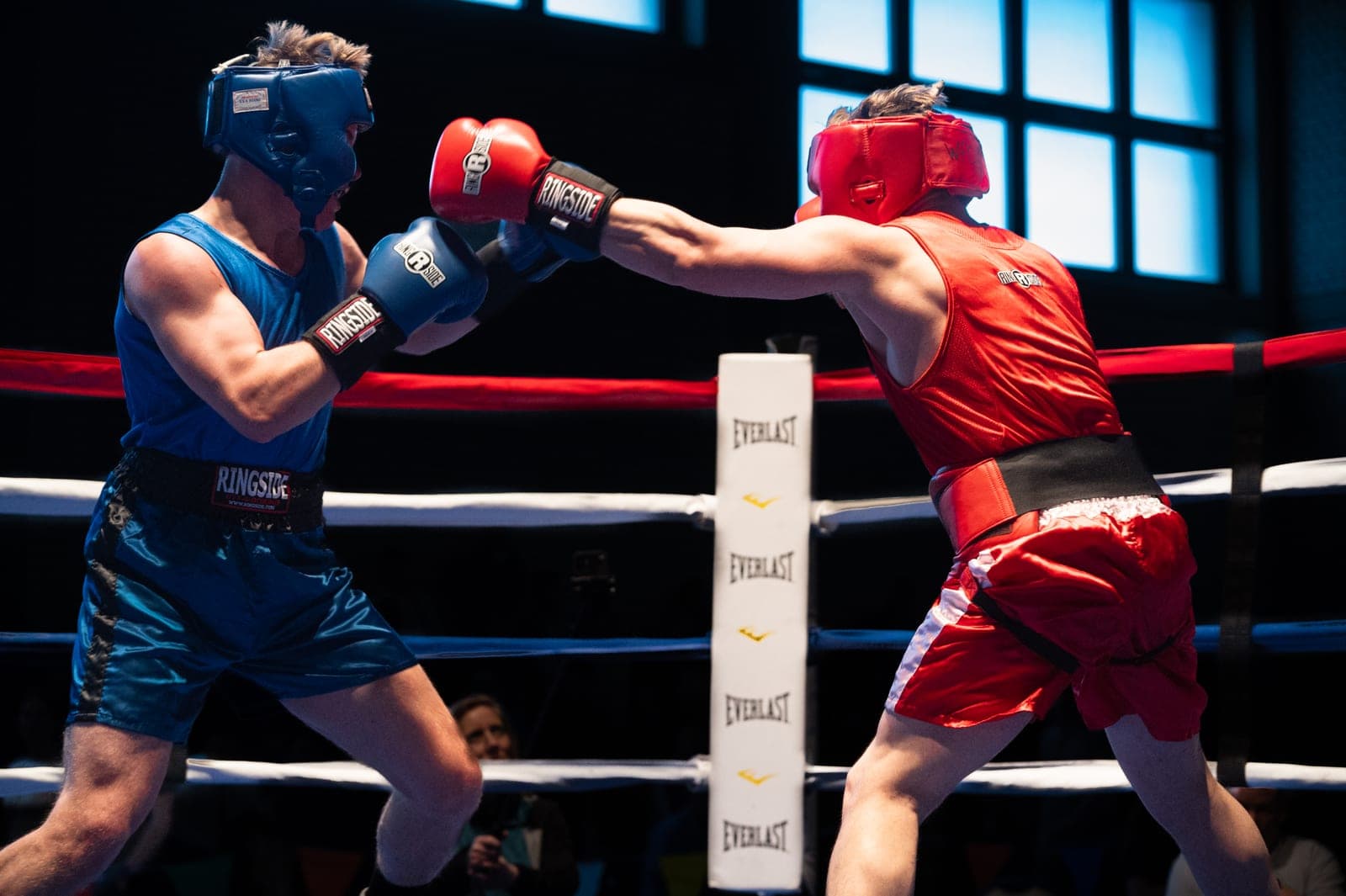
Boxing
A striking combat sport built on footwork, timing and conditioning, practised from fitness drills to controlled sparring.
Explore across the knowledge base
Follow the threads that connect Transfer of Training to the rest of SocialSportHub.
Experience levels
Sports science
- SpecificityThe idea that the body adapts specifically to the kind of training it is given — you tend to get good at what you actually practise.
- Training variationThe idea that changing elements of training over time helps keep the body responding and keeps training sustainable.
- ReversibilityThe idea that fitness gained from training tends to fade when training stops — often summarised as 'use it or lose it'.
Movement patterns
- AccelerationThe athletic pattern of building speed from a standing or slow start by driving large horizontal forces into the ground to project the body forward.
- BackpedalControlled backward locomotion performed while facing forward, staying low and pushing off the balls of the feet in short strides to stay reactive and keep play in view.
- BoundAn exaggerated, horizontal springing stride that transfers from one leg to the opposite leg with a long flight phase, amplifying the mechanics of running.
- Change of DirectionA planned redirection of the body from one movement vector to another, requiring an athlete to decelerate existing momentum and reaccelerate along a new line between two known points.
- Crossover StepA lateral or diagonal travelling step in which one leg crosses over the other with accompanying hip and trunk rotation, trading a stable base for greater reach and speed.
Goals
- Improve reaction speedRespond faster to what you see, hear and feel by training with fast, unpredictable activities and drills.
- Improve coordinationSharpen how smoothly your body works together — like tracking and hitting a ball — through skill practice.
- Return to sportEasing back into activity after time away, a long break or a period off through injury.
- Build confidenceUse sport and steady progress to feel more capable, comfortable and self-assured over time.
- Improve mobilityMove your joints more freely and comfortably through their natural range with regular, gentle practice.
Skills
- Returning serveThe skill of reading and playing back an opponent’s serve to stay in the rally.
- RallyingThe skill of exchanging shots back and forth to build and win a point.
- DribblingThe skill of moving with the ball under close control to beat opponents or keep possession.
- FootworkThe skill of moving efficiently around the playing area to be in position for each shot or action.
- Ball controlThe skill of receiving and settling the ball quickly so it is ready to use.
How this page is maintained
- Content type
- Coaching concept
- Provenance
- Tier A — evergreen educational
- Verified external sources
- 0
- Content updated
- 2026-07-09
Evergreen, first-party explanation — it makes no claim that needs an external source. How we handle sources and reviews.